⚙️ How it works
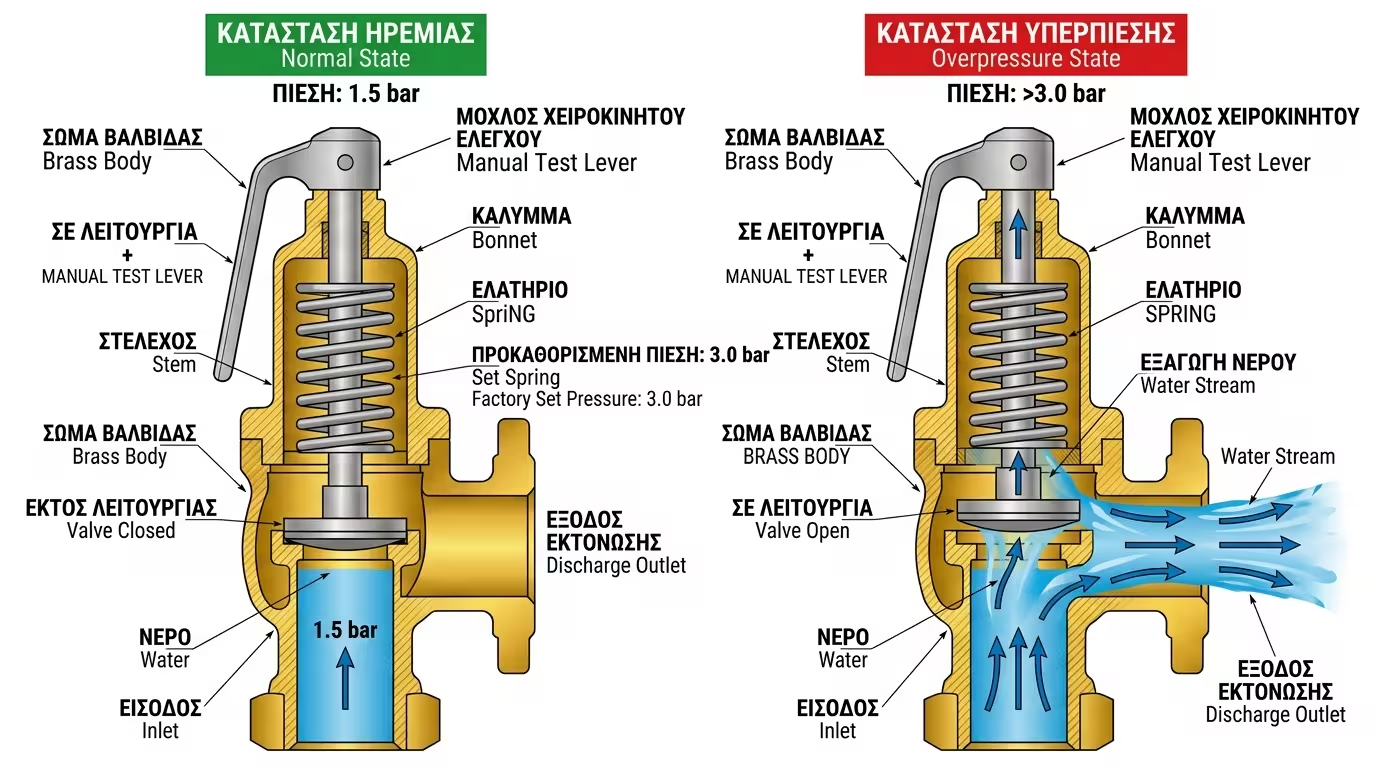
Inside is a spring factory-set to 3 bar (for residential circuits). When pressure exceeds this limit, the spring yields, the valve opens and allows water to escape through a drain pipe, instantly dropping pressure to a safe level.
Every closed heating or cooling circuit -from the smallest autonomous boiler to the most modern heat pump- operates under pressure. Without the right safety components, this pressure can become a friend or an enemy. These components form the "lifeline" of the installation.
In this article we analyse three critical valves every homeowner should know: the safety valve, the auto-fill valve, and the check valve. Ignore them, and you risk damage worth thousands of euros.
The safety valve is a small brass fitting screwed onto the boiler or manifold. It looks insignificant, but it is literally the last line of defence before disaster. If something goes very wrong -if the safety thermostat fails, if the expansion vessel bursts- this valve opens and saves everything.
Inside is a spring factory-set to 3 bar (for residential circuits). When pressure exceeds this limit, the spring yields, the valve opens and allows water to escape through a drain pipe, instantly dropping pressure to a safe level.
Always installed on the flow pipe (hot water), next to the boiler or heat pump, with no valve or filter in between. There must be a drain to a floor gully or funnel so the released water does not flood the room.
If the safety valve drips continuously, do not plug it! It means circuit pressure is approaching or exceeding 3 bar. Investigate the root cause: failed expansion vessel, excessive temperature, or an open fill valve.
Every year during service, the technician must manually lift the lever on the safety valve. This confirms it has not seized (calcification). A seized safety valve will never open in a real emergency - an extremely dangerous condition.
The auto-fill valve (make-up valve) is a small device connecting the heating circuit to the mains water supply. If pressure drops below a set point (usually 0.5-1.0 bar), it opens automatically and tops up water until pressure reaches a safe level.
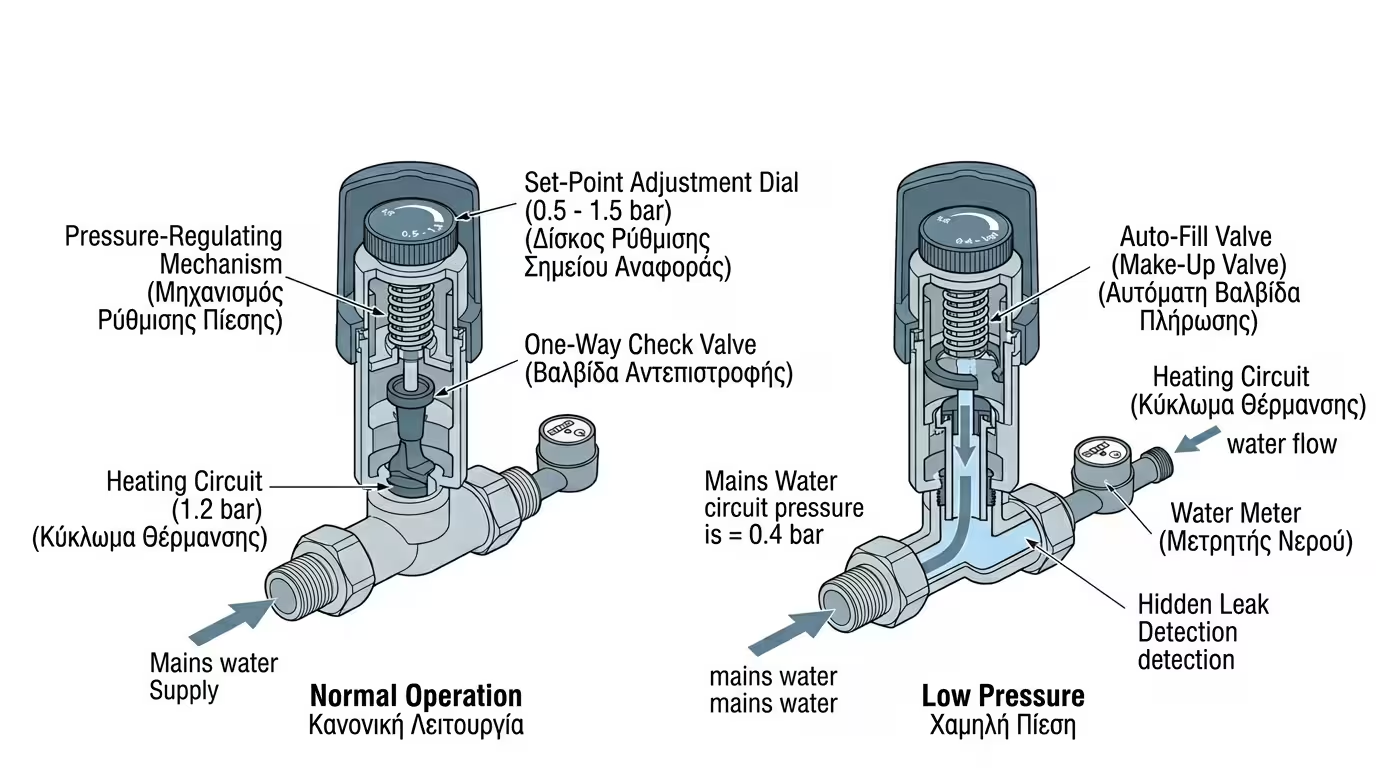
It prevents the worst failures: if pressure drops (micro-leak, venting), the circulator does not run dry. The system does not shut down suddenly in the middle of a January freeze. Extremely useful in autonomous apartments where the owner cannot or will not deal with technical details.
If there is a leak in the circuit, the valve will "patch" it endlessly, keeping it hidden. The circuit is continuously fed fresh, oxygenated water, which dramatically accelerates corrosion and sludge deposits in the radiators.
According to specialist engineers, the ideal approach is a manual fill valve opened only during service. If you choose automatic, ensure the technician checks the water meter each visit. If the meter moves for no reason, there is a hidden leak.
Every heating circuit has a pressure gauge on the boiler. Normal cold-circuit pressure is 1.0-1.5 bar. If you see below 0.5 or above 2.5 for no reason, something is wrong and needs investigation immediately.
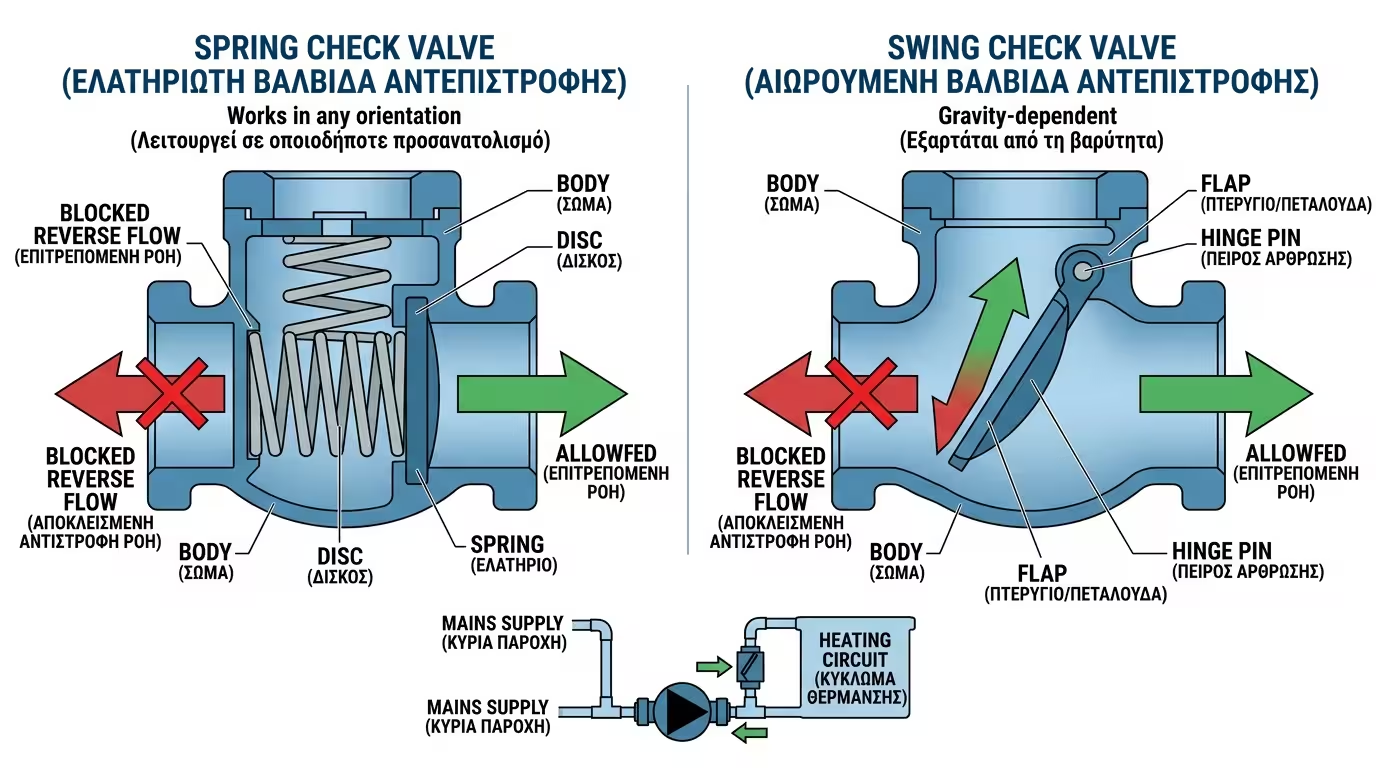
The check valve is a simple but critical component. It allows water to flow in only one direction. If the flow tries to reverse, a small disc or spring closes automatically.
At the connection between the mains water supply and the heating circuit - it prevents the hot circuit water from "flowing back" into the drinking water supply. Also installed before the circulator and in solar systems to prevent nocturnal reverse circulation.
Without a check valve, chemically treated heating water (antifreeze, corrosion inhibitors) could contaminate the drinking water supply. This is a serious health hazard and a violation of sanitary regulations.
There are two basic types: spring check which closes instantly, and swing check which relies on gravity. For heating circuits, the spring type is preferred because it works in any installation angle.
Safety valves are surrounded by myths that, unfortunately, still circulate among less informed technicians. Let us debunk them.
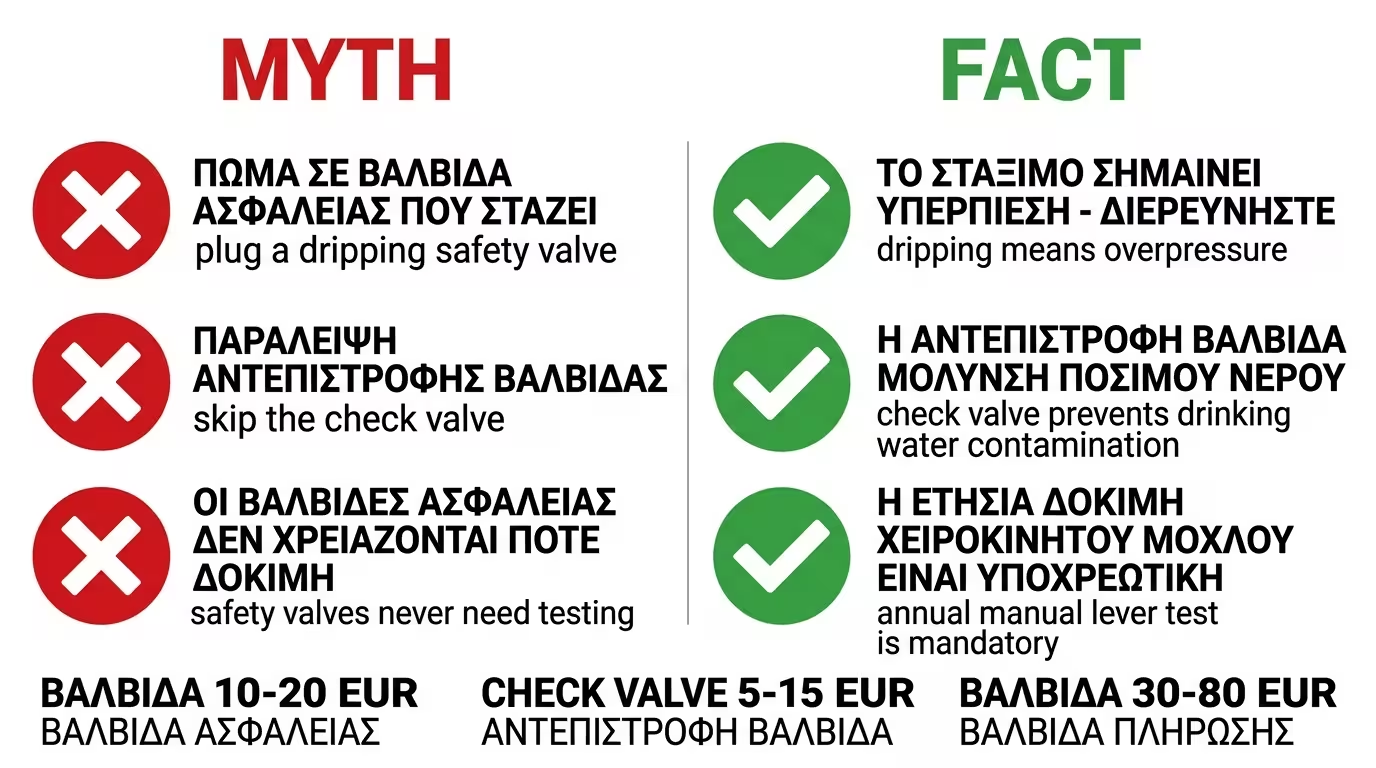
NEVER plug or replace the safety valve with an isolation valve. If it drips, it means something is applying too much pressure. Find the root cause: failed expansion vessel, open fill valve, or uncontrolled temperature.
Many technicians skip the check valve "because nobody sees it". But without one, a momentary pressure drop in the mains supply will suck heating water back into your drinking taps.
A safety valve costs €10-20. A check valve €5-15. A fill valve €30-80. Together they protect equipment worth €5,000-15,000.
Every annual service should include: manual test of the safety valve, function check of the fill valve, pressure gauge reading, and a visual inspection of the drain. These 5 minutes prevent months or years of hidden damage.
💡 Safety, auto-fill and check valves cost almost nothing, but they are the line between a safe installation and a disaster. Ask your technician to check them every year.
Return to category.
Go to categoryReturn to the central guide.
Go to guide