
Paints for Building Facades
Technical criteria, cost, repainting intervals and bid evaluation for building facade painting.
View category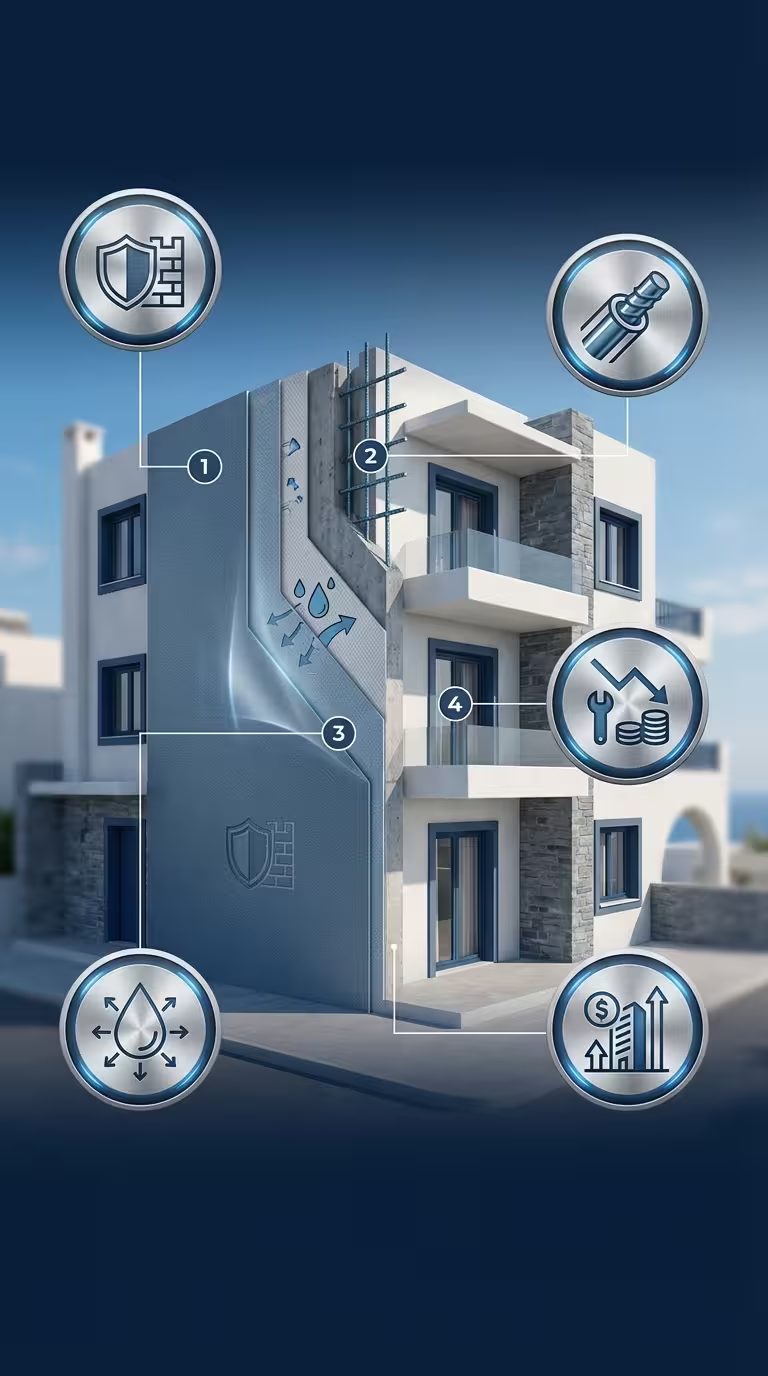
Painting a building is not just an aesthetic intervention. It is a protection system that affects the lifespan of the masonry, the durability of the reinforcement, moisture behaviour, maintenance costs and the property's overall image.
In this section we bring together organised knowledge on building facades, interiors, wood surfaces and metal elements , with a technical and practical approach.
Technical criteria, cost, repainting intervals and bid evaluation for building facade painting.
View categoryPaint type selection, anti-mould solutions and finish per room use in residences and renovations.
View categoryPainting and protecting doors, frames and wooden surfaces, application system and correct product selection.
View categorySubstrate preparation, anti-corrosion systems and durability for railings and metal elements.
View categoryPainting a building facade is not just a cosmetic refresh , it is a protection system that determines the lifespan of the shell. Sound technical choices require understanding of materials, substrates and environmental conditions.
The coating acts as a defensive system against rain, UV, pollution and thermal expansion. When the system is inadequate, deterioration progresses silently.
Moisture enters from rain or water vapour. The wrong system traps moisture, causes blistering and accelerates carbonation. The key is the balance between water repellence and breathability.
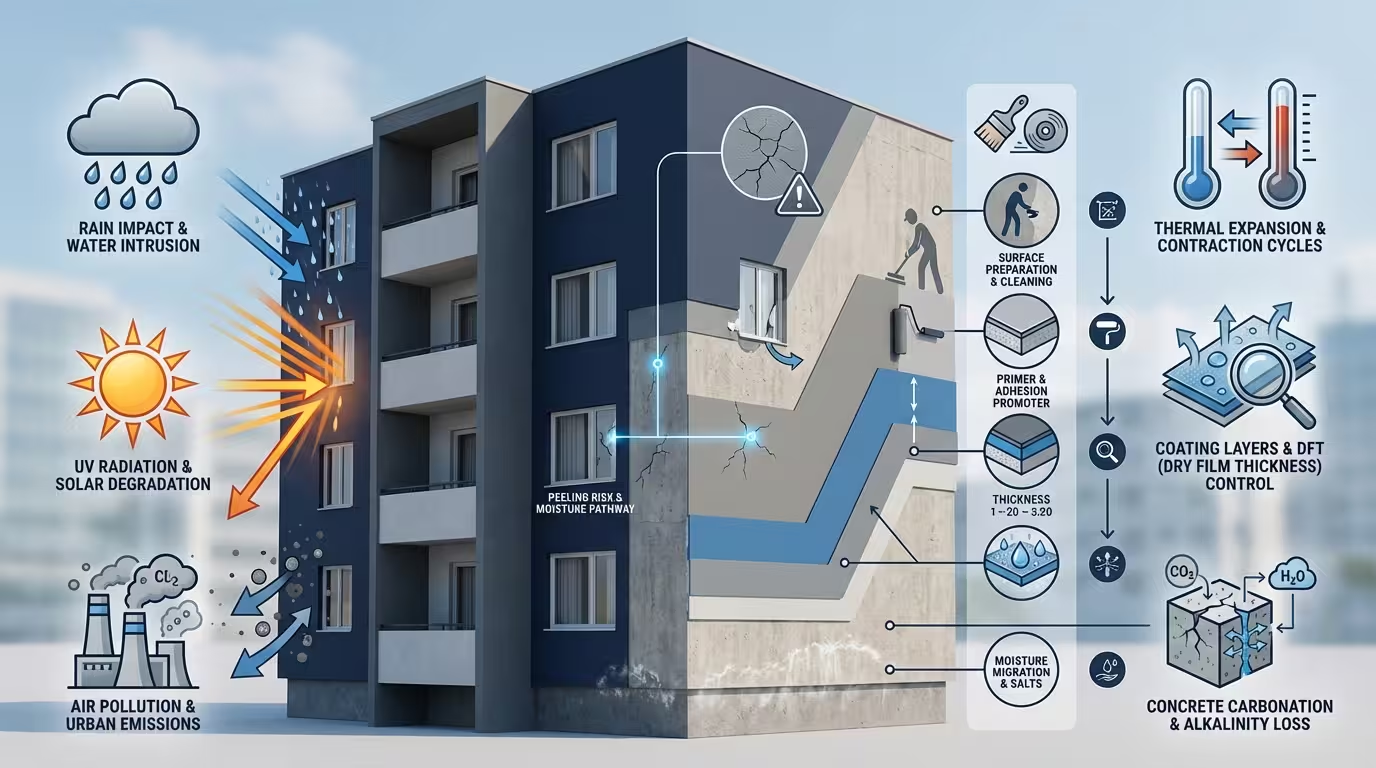
Acrylic, silicone or elastomeric? The decision depends on substrate condition, moisture history, geographic exposure and desired service life. There is no one-size-fits-all solution.
"Two coats of paint" is not a technical specification. UV resistance, CO₂ barrier performance and water tightness all depend on the dry film thickness.
Carbonation, rebar corrosion or extensive cracking require restoration first. Painting follows as the final protection stage.
Technical diagnosis → system selection → substrate preparation → controlled thickness application → service-life estimation. The right sequence reduces lifecycle cost.
See all technical systems in detail in the Building Facades section.
Interior painting affects daily experience, cleanliness, brightness and long-term maintenance. Every room faces different stresses , and requires a different technical choice.
Steam in the bathroom, grease in the kitchen, scuffs in hallways, frequent cleaning in children's rooms , the stresses are invisible but constant. Each room needs the right coating system.
It's not about price , it's about durability. Interior acrylics offer better washability, greater wear resistance and a more stable surface in high-use areas.
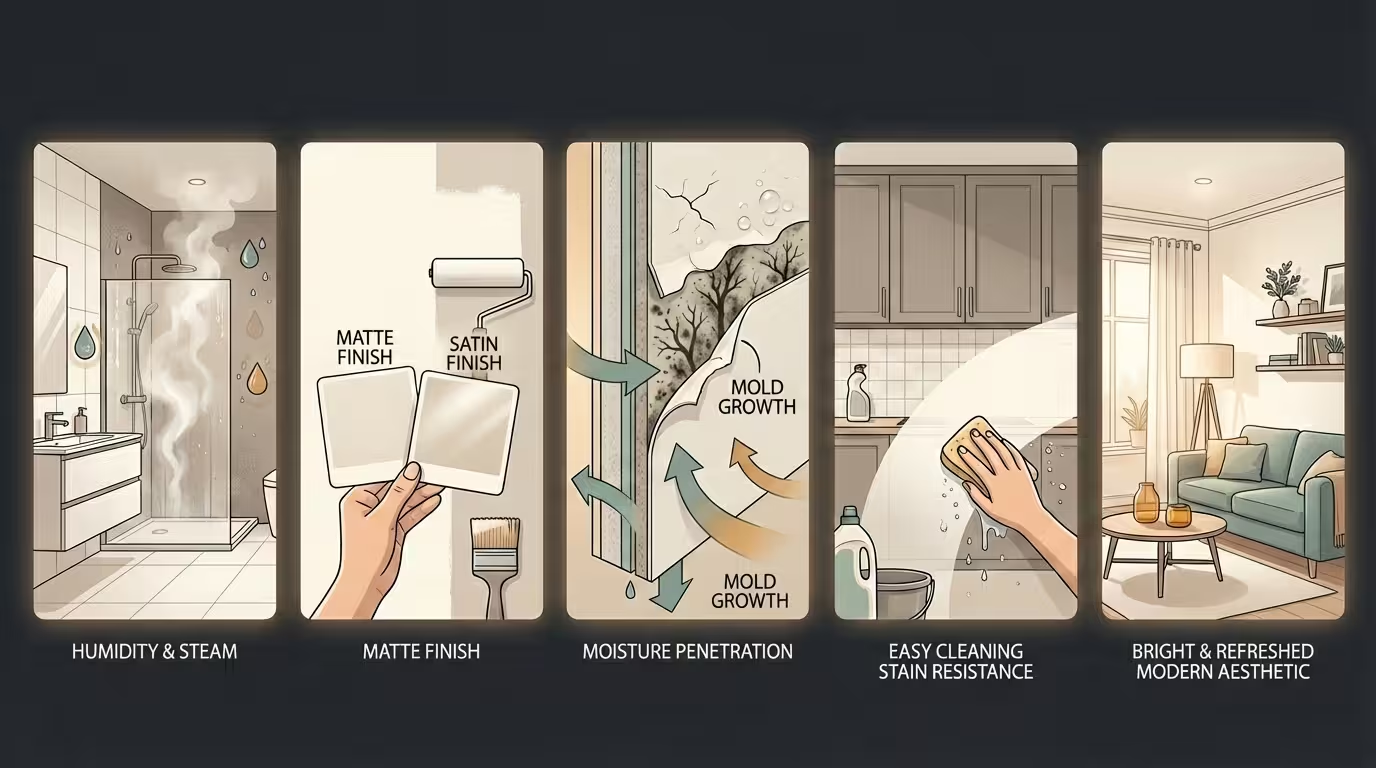
Mould appears when moisture, cold surfaces and poor ventilation combine. Anti-mould paints slow growth but don't replace proper diagnosis and treatment of the root cause.
Matt hides imperfections and creates a soft look. Satin is more resistant to washing and easier to clean. In high-traffic rooms, the finish directly affects coating lifespan.
Room use, moisture level, cleaning frequency, desired lifespan - paint is not just "colour on the wall", it is part of the space's functionality.
Investing in better interior paint reduces repainting frequency and total maintenance costs. The cheapest option today often becomes the most expensive over five years.
See all options in the Interior Paints & Renovations section.
Wood is not a neutral substrate , it is a living material that reacts to moisture, expands and contracts. Painting wood is an intervention on a material with its own behaviour.
Varnish and lacquers highlight the natural grain. Opaque paint transforms the surface entirely. The choice depends on wood quality, existing wear and the style of the space.
Without proper sanding, the new coat won't adhere , peeling appears and lifespan drops. Primer stabilises the surface and ensures an even finish.
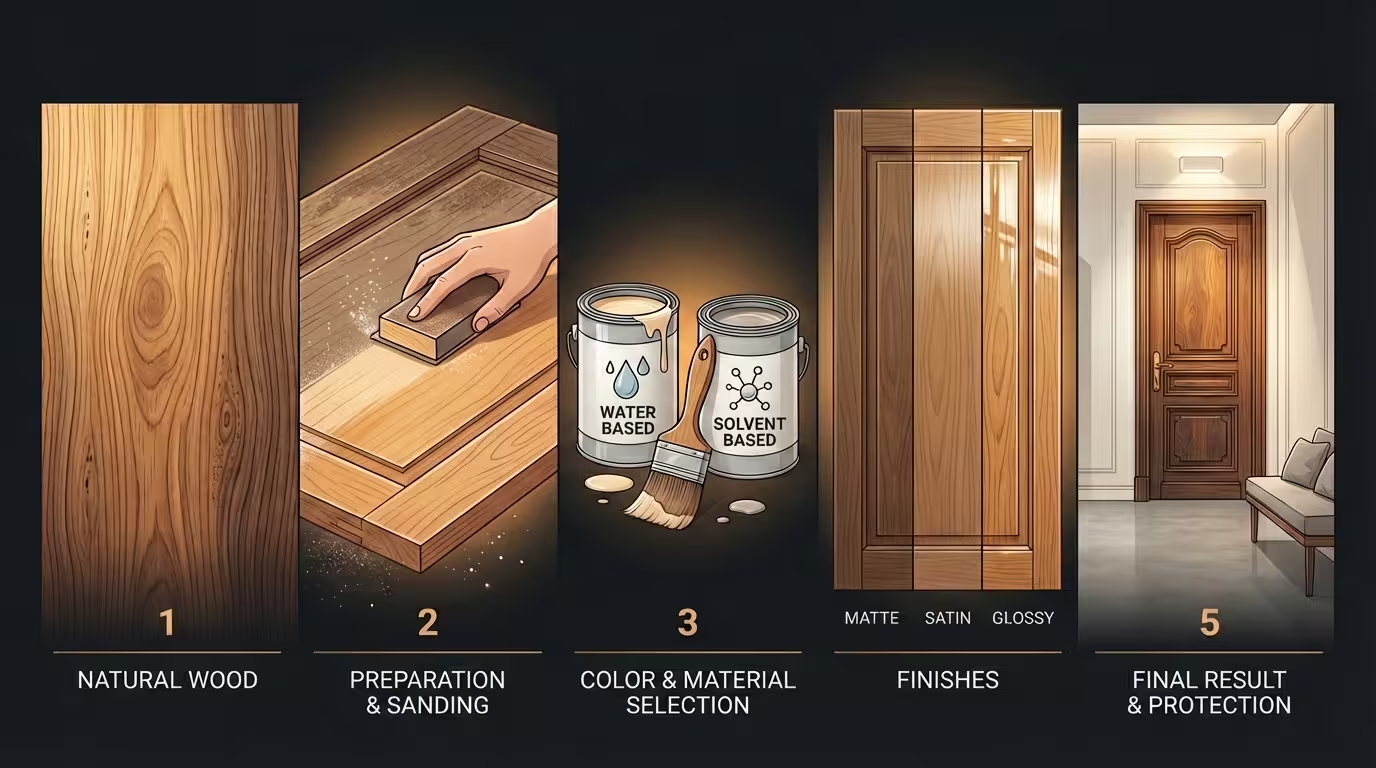
Water-based systems offer low odour, fast drying and minimal yellowing. Solvent systems remain harder and tougher. The choice depends on use and application conditions.
On wood, matt, satin or gloss is not just aesthetic , it affects scratch resistance, ease of cleaning and long-term appearance. On high-use doors, the difference is critical.
Condition assessment → preparation → right system → controlled application. The difference between careless and proper painting doesn't show in the first week , it shows after 2–3 years.
An exterior door faces UV, rain and thermal cycling. An interior one , scuffs and daily wear. The requirements are completely different and demand different systems.
See all systems in the Wood Paints & Protection section.
Metal does not forgive shortcuts. Rust is not a surface problem , it is a chemical process that accelerates as long as moisture and oxygen are present. The right approach is anti-corrosive.
Rust stays active under the film, expands in volume, lifts the coating and returns within 1–2 years. Without a proper base, no topcoat lasts.
Mechanical rust removal is critical. Without it, primer won't work, paint won't adhere and service life drops dramatically.
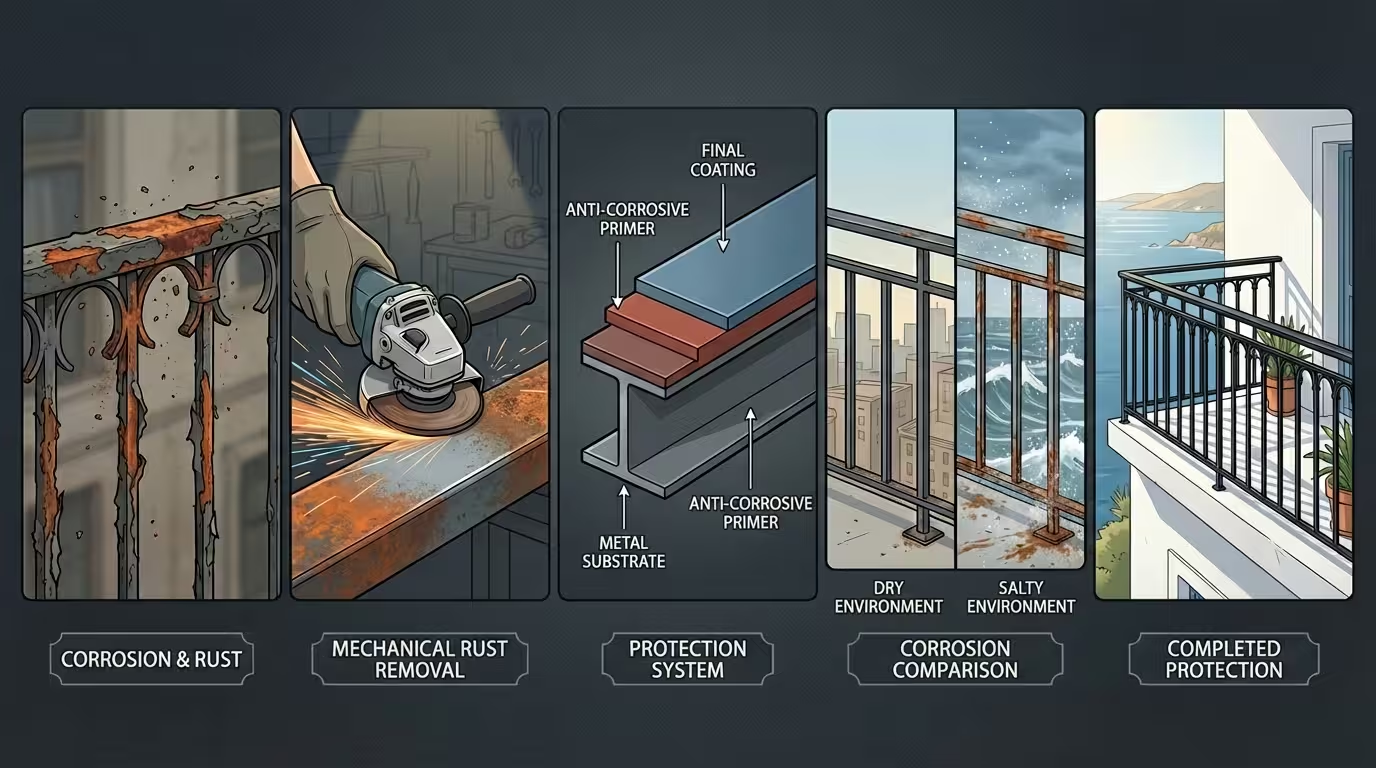
It isolates metal from moisture, slows oxidation and improves topcoat adhesion. Coastal environments require reinforced systems - epoxy or polyurethane.
City railing vs coastal: same system, very different lifespan. Assessing moisture, salt spray and mechanical stress determines the right choice.
The earlier it's done properly, the less restoration is needed. Cross-section loss is avoided and safety preserved. The difference shows over time , not on day one.
Railings, handrails and metal elements serve both functional and decorative roles. Proper coating preserves structural integrity and the building's appearance.
See all anti-corrosion systems in the Metal Surfaces & Rust Protection section.
Behind every coating system lie measurable properties , vapour diffusion, water absorption, film thickness, CO₂ resistance and UV endurance. Long-term performance depends on numbers, not estimates.
The Sd value measures how easily water vapour escapes through the coating. A proper facade repels rain but allows moisture out , this balance prevents blistering and premature failure.
Capillary absorption determines how much water enters the masonry. A low W means less efflorescence, less substrate moisture and slower carbonation.
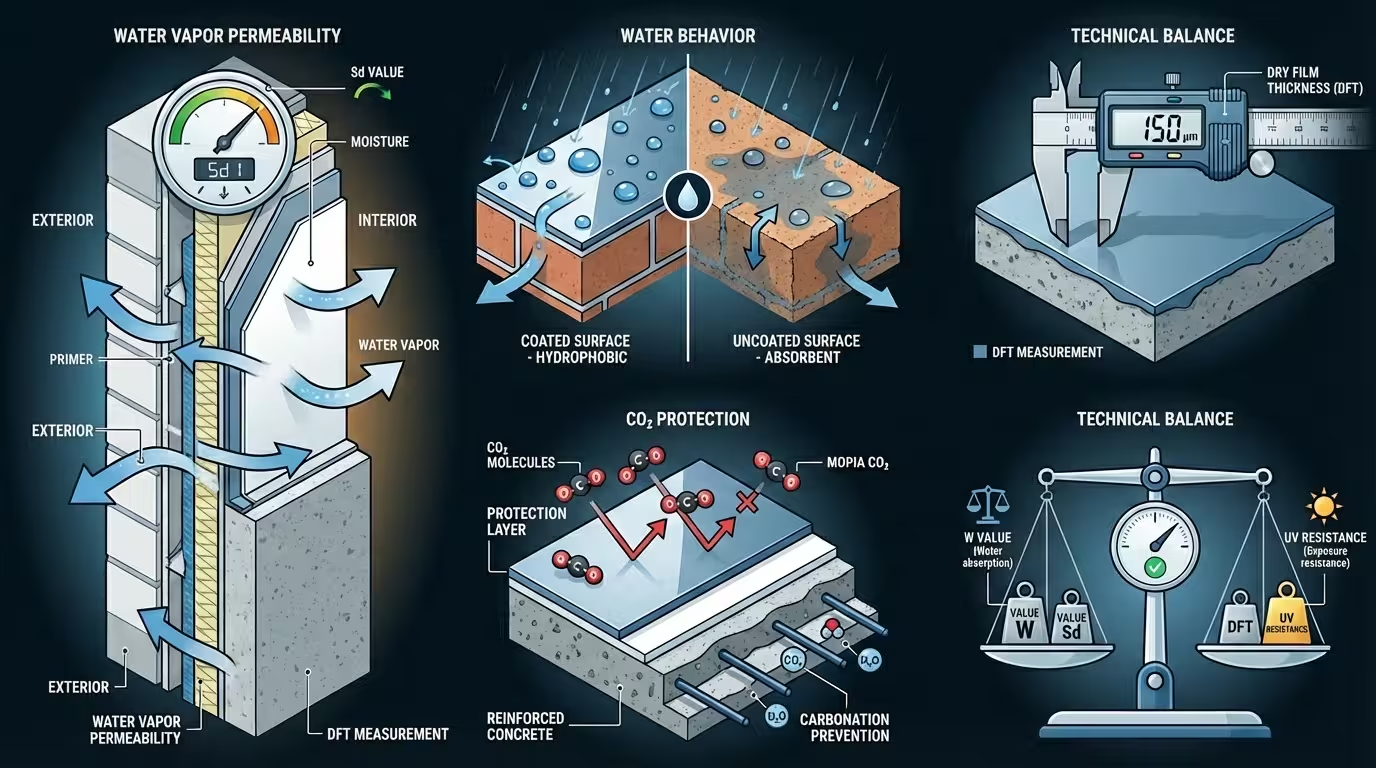
Dry film thickness defines real protection. Thinner application than specified reduces UV resistance, CO₂ barrier and service life. Technical application matters as much as the material.
The coating acts as a barrier to carbon dioxide. The more effective the barrier, the slower carbonation progresses and the longer the reinforcement is protected.
The ideal system doesn't excel in one metric , it achieves balance: low absorption, adequate breathability, correct thickness and environmental resistance.
System selection must be based on technical data , not price or brand name. The physical behaviour of materials doesn't change with the label.
If you are planning a painting project or full building maintenance, we can work together to define the right technical path for your property.