🧪 Solvent-Based
Penetrate deep, break bonds, swell the paint. Act in 5-15 minutes on varnish/enamel/polyurethane. Downside: strong odour, requires ventilation + PPE.
The wrong method can destroy the wood, waste time, or endanger your health. Find out which technique suits each case.
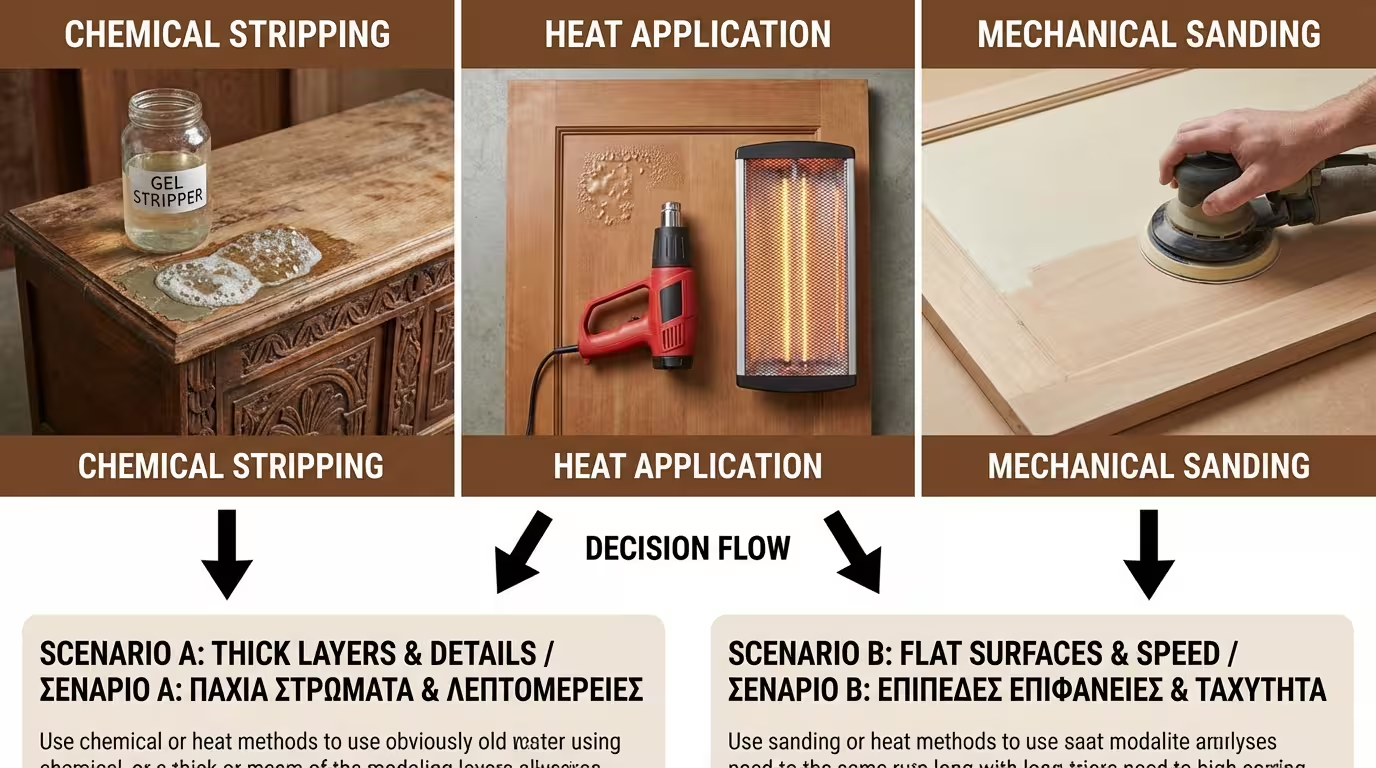
Chemical strippers require no special equipment. They fall into 3 technological categories:
Penetrate deep, break bonds, swell the paint. Act in 5-15 minutes on varnish/enamel/polyurethane. Downside: strong odour, requires ventilation + PPE.
Strong alkalis (NaOH) - saponify oil paints. Apply a thick layer in one direction. Downside: slow, can "burn"/darken wood, needs neutralisation.
Citric acid, soy-based. Minimal/zero VOCs, environmentally friendly. Downside: very slow (hours or overnight).
Solvents (like benzyl alcohol) infiltrate the polymer network, causing matrix swelling. Internal stresses break the adhesion to the wood, making the paint "wrinkle" away from the surface.
Caustics convert the oils in the paint into soap (water-soluble). Warning: They require neutralization with a mild acid (white vinegar) to restore the wood's pH, otherwise new finishes will fail to bond.
The form of the stripper is determined by the application:
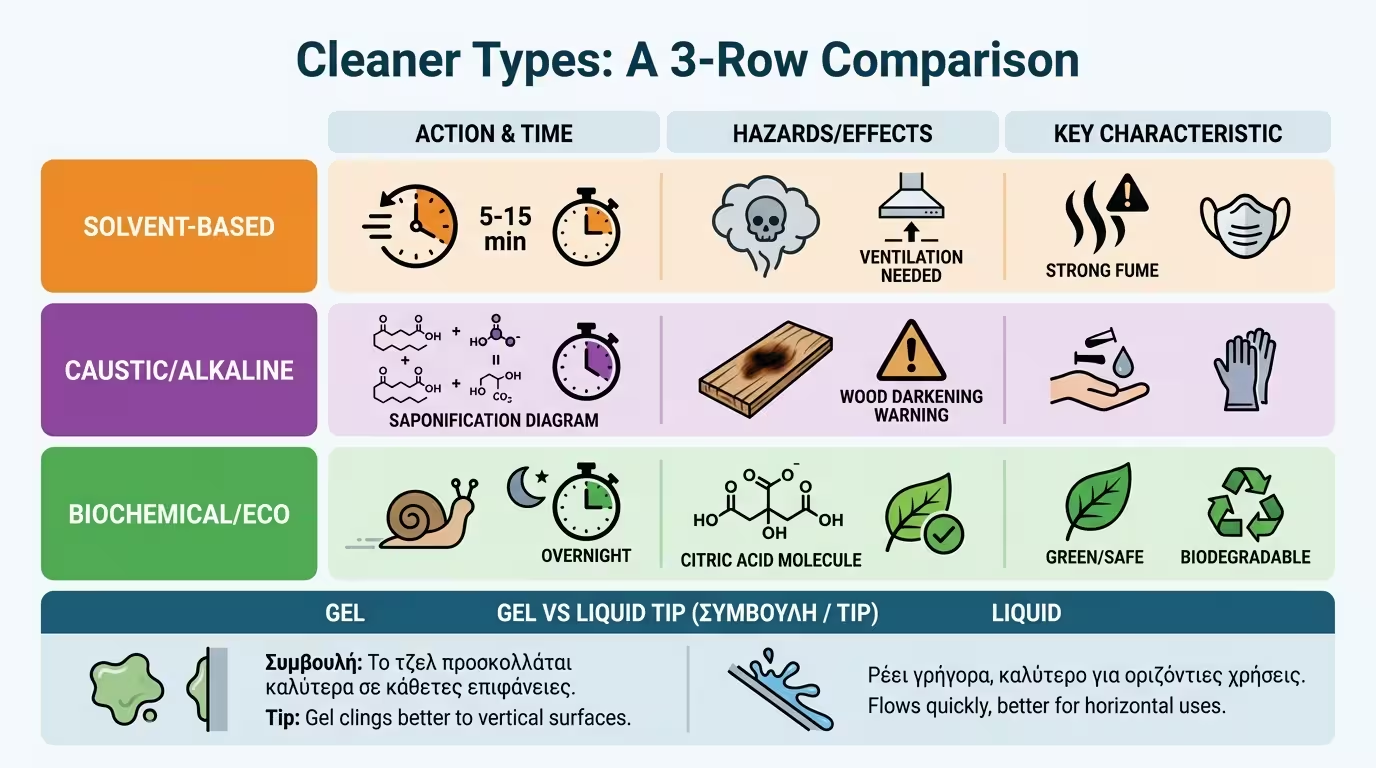
For vertical surfaces (doors, railings) - doesn't drip. The #1 choice for DIYers.
Only in industrial workshops. Removable metal parts (wheels, fittings) are submerged in tanks.
💡 Pro Tip: Apply a thick layer in one direction only, no re-brushing. Creates an airtight film that keeps the chemical active.
Heat is the fastest method for thick layers of oil-based paint:
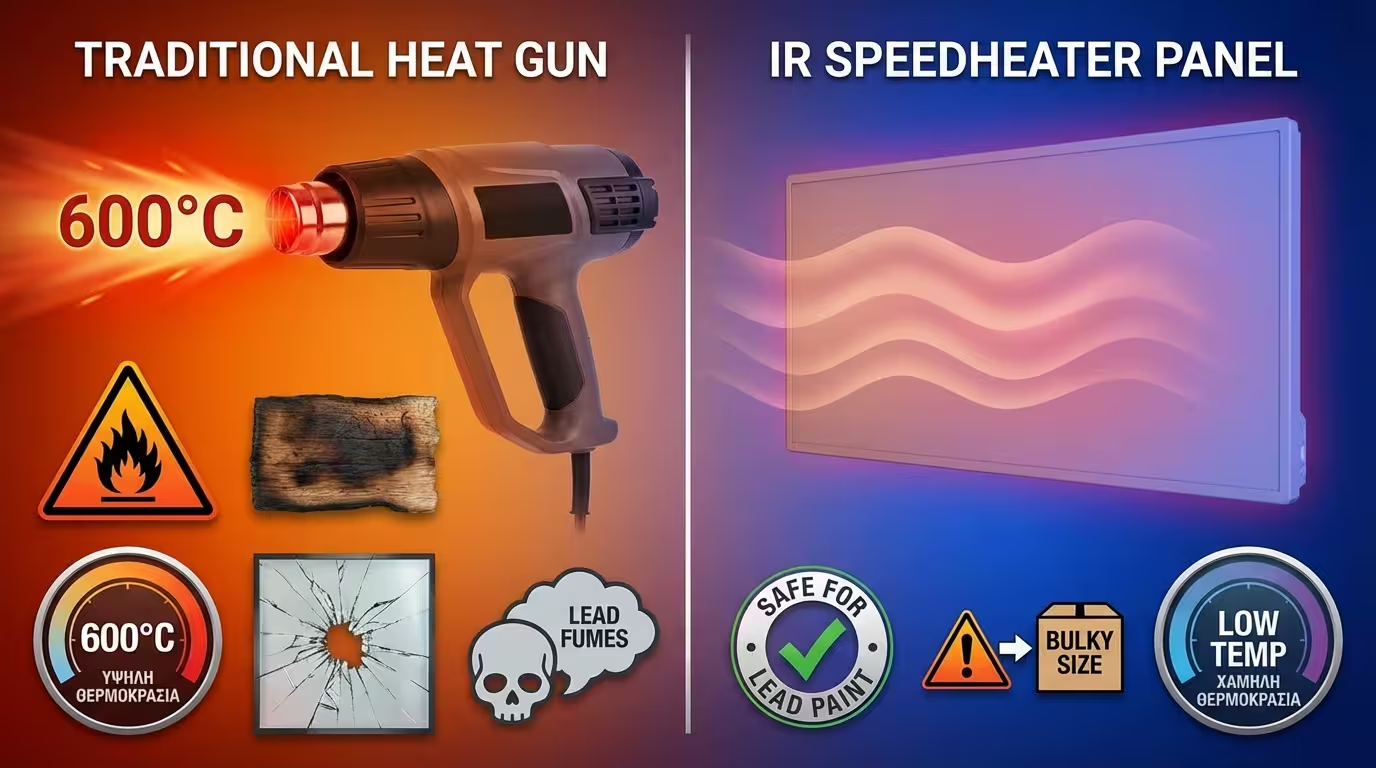
50-600°C. Fast, cheap, ideal for small carvings/narrow profiles. Risks: scorching wood, cracking glass, igniting dust, toxic lead fumes (pre-1980)!
IR lamps emit at wavelengths of 1.5-2.5 µm. This energy is absorbed by the paint but reflected by the wood, heating only the paint-wood interface. They are safe for lead as they don't reach 400°C (the vaporisation point).
🛡️ Safety Check: If the building dates pre-1980, assume lead paint is present. Never dry-sand. Chemical stripping (wet method) is the safest way to prevent airborne lead particles.
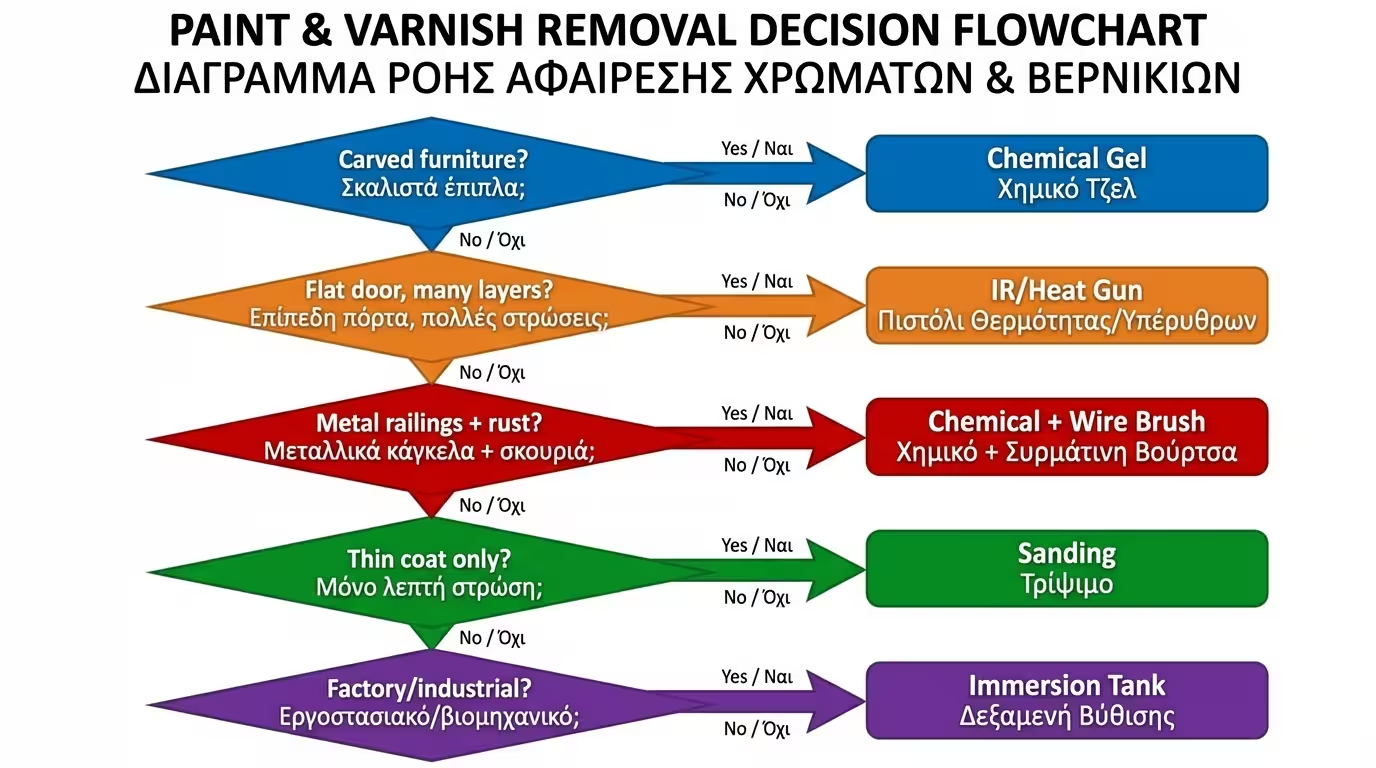
Follow this guide to choose the right method:
Chemical Gel + wire wool / toothbrush. Heat and machines destroy curves.
IR or Heat Gun. The fastest method. If lead paint is suspected → IR exclusively.
Chemical + Wire Brush. Melts old paint → clean metal/rust → prime immediately.
YES: thin films or as the final step after chemical/heat. NO: thick enamels - friction melts paint → clogs in seconds.
Critical safety and chemistry details:
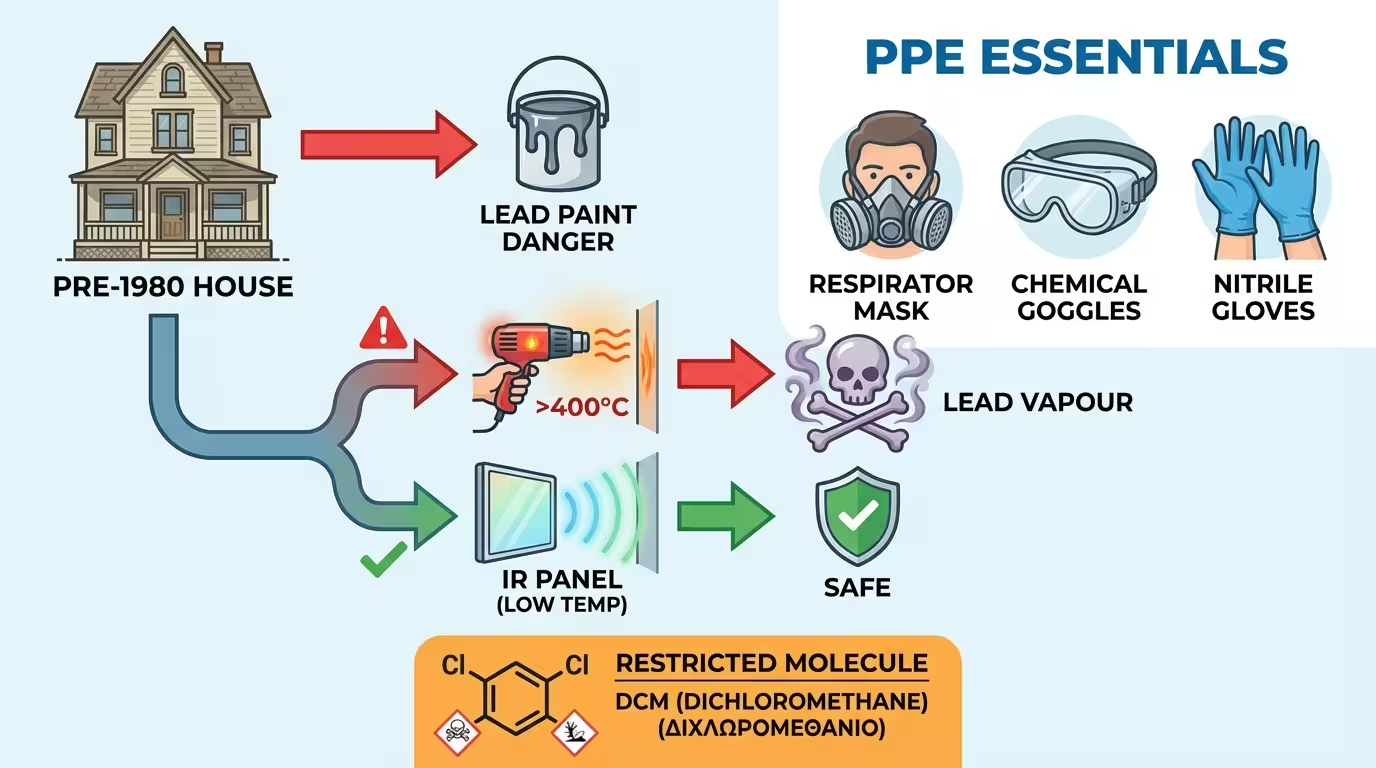
Old paints contain lead. Heat gun >400°C = vaporisation = toxic fumes! Use IR or chemical strippers exclusively.
Formerly the most aggressive active ingredient. Now restricted/removed from modern products due to toxicity.
Always mask, goggles, gloves. Especially with solvent-based strippers and heat guns.
💡 Patience and proper Personal Protective Equipment are your best ally for a clean substrate, ready for its new life.
Return to category.
Go to categoryReturn to the central guide.
Go to guide