Facades with moisture
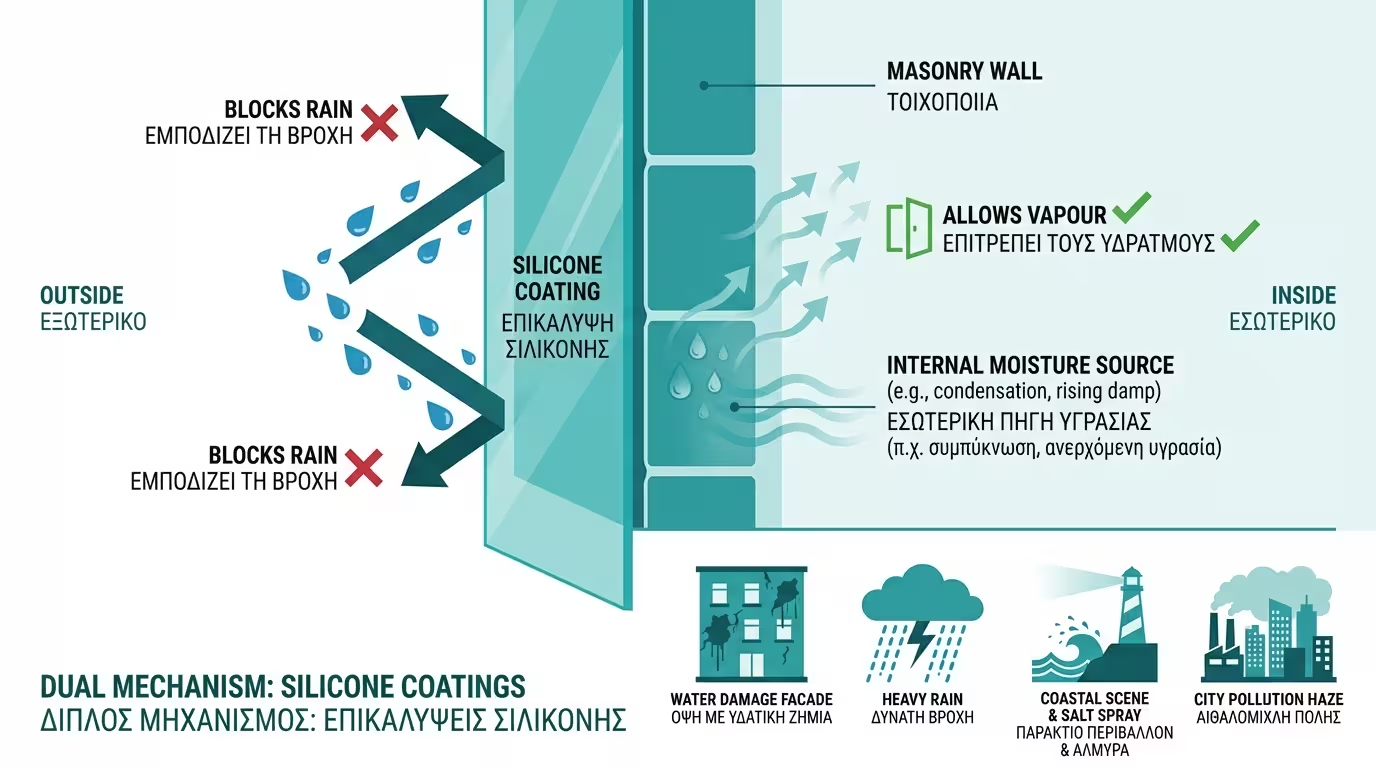
The silicone system prevents wetting while allowing internal moisture to evaporate - reducing the risk of blistering and peeling.
The real difference and when to choose each one
100% acrylic paints are based on acrylic resins with high UV resistance. They offer colour stability, good adhesion, and reliable protection on urban buildings without serious moisture stress.
They are the most common choice for exterior facade painting - more affordable upfront, with a typical lifespan of 5–8 years depending on exposure.
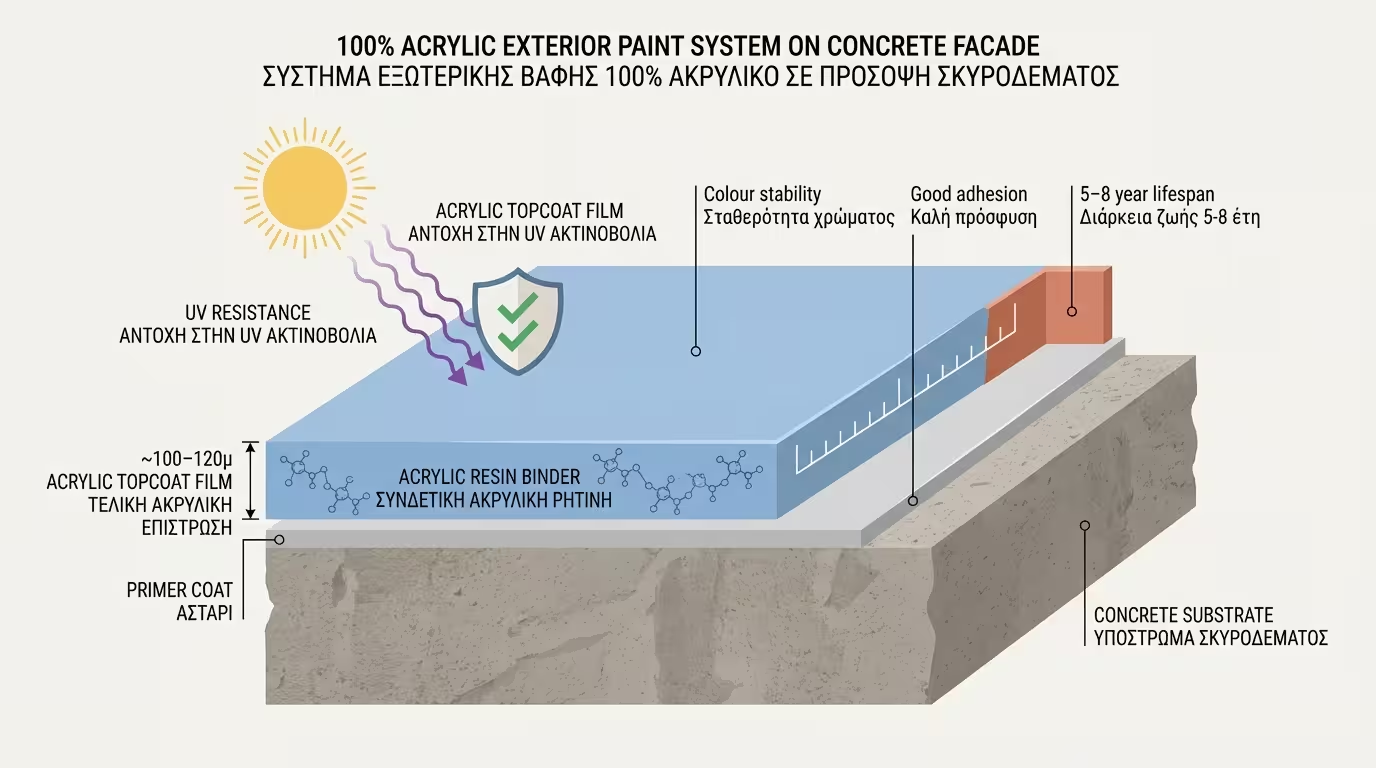
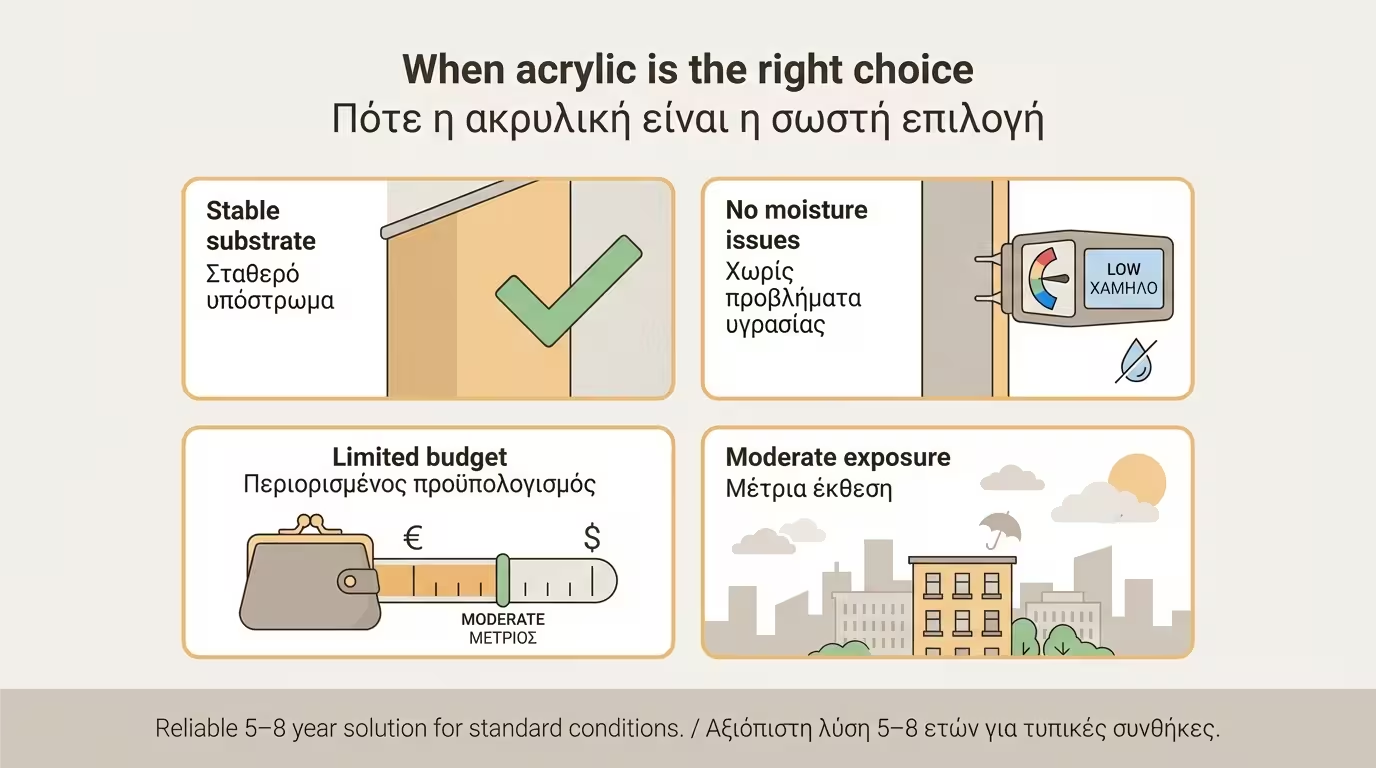
An acrylic system is a reliable solution when the technical assessment shows a stable substrate with no moisture issues.
Silicone paints contain silicone resins that provide intense hydrophobicity. Their key property is the "lotus effect" - water forms beads and rolls off without wetting the surface.
They also allow high vapour permeability, exhibit reduced dirt pick-up, and increased resistance in coastal environments. Typical lifespan of 8–15 years with correct application.
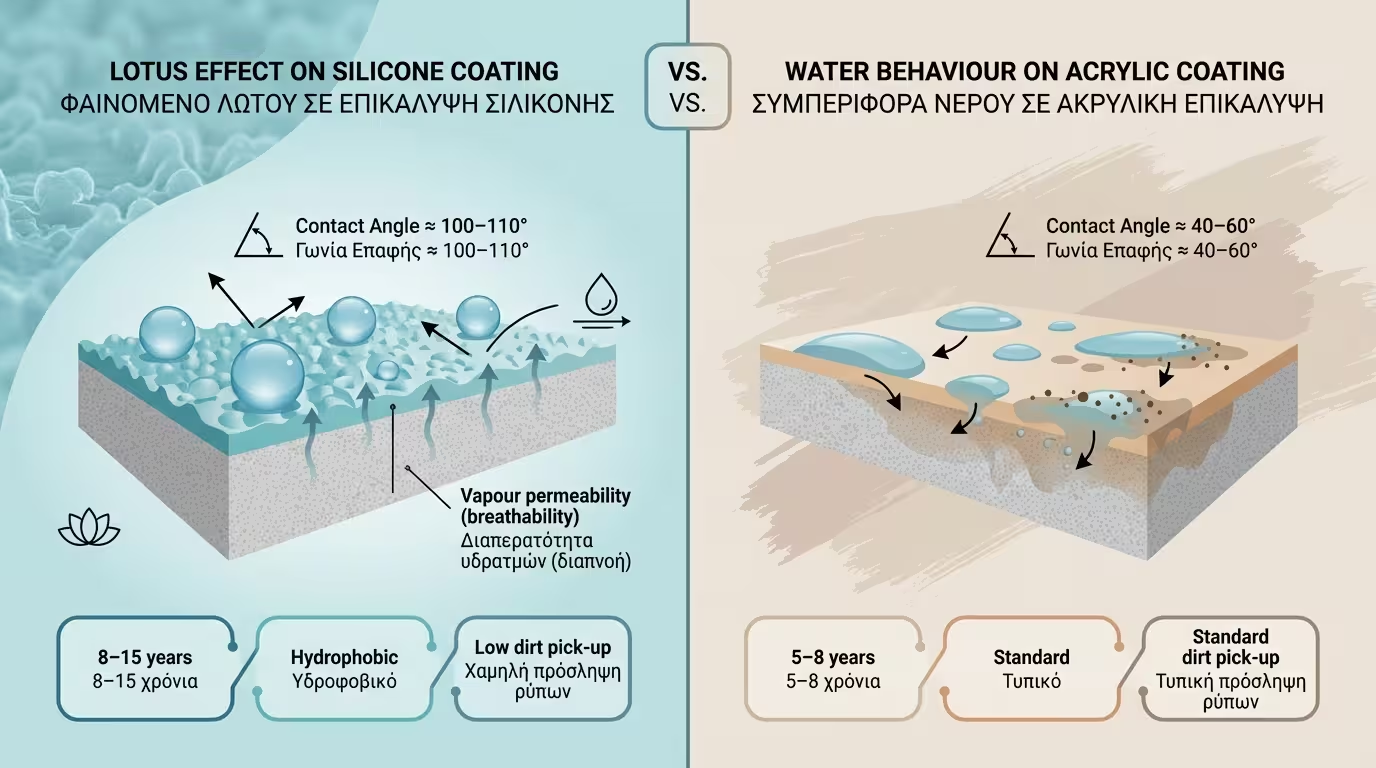
Both systems are breathable. The critical difference is that silicone repels incoming water while allowing vapour to escape - especially important in demanding environments.
The silicone system prevents wetting while allowing internal moisture to evaporate - reducing the risk of blistering and peeling.
On buildings exposed to frequent rain, hydrophobicity means the surface dries rapidly without absorbing water.
Salt air and high humidity stress conventional systems. Silicone protection performs significantly better under these conditions.
Reduced dirt pick-up on silicone surfaces means the facade stays cleaner for longer.
| Scenario | Why acrylic |
|---|---|
| Stable substrate | No special hydrophobicity required |
| No moisture issues | Acrylic breathability is sufficient |
| Limited budget | Lower upfront material cost |
| Moderate exposure | Reliable 5–8 year solution |
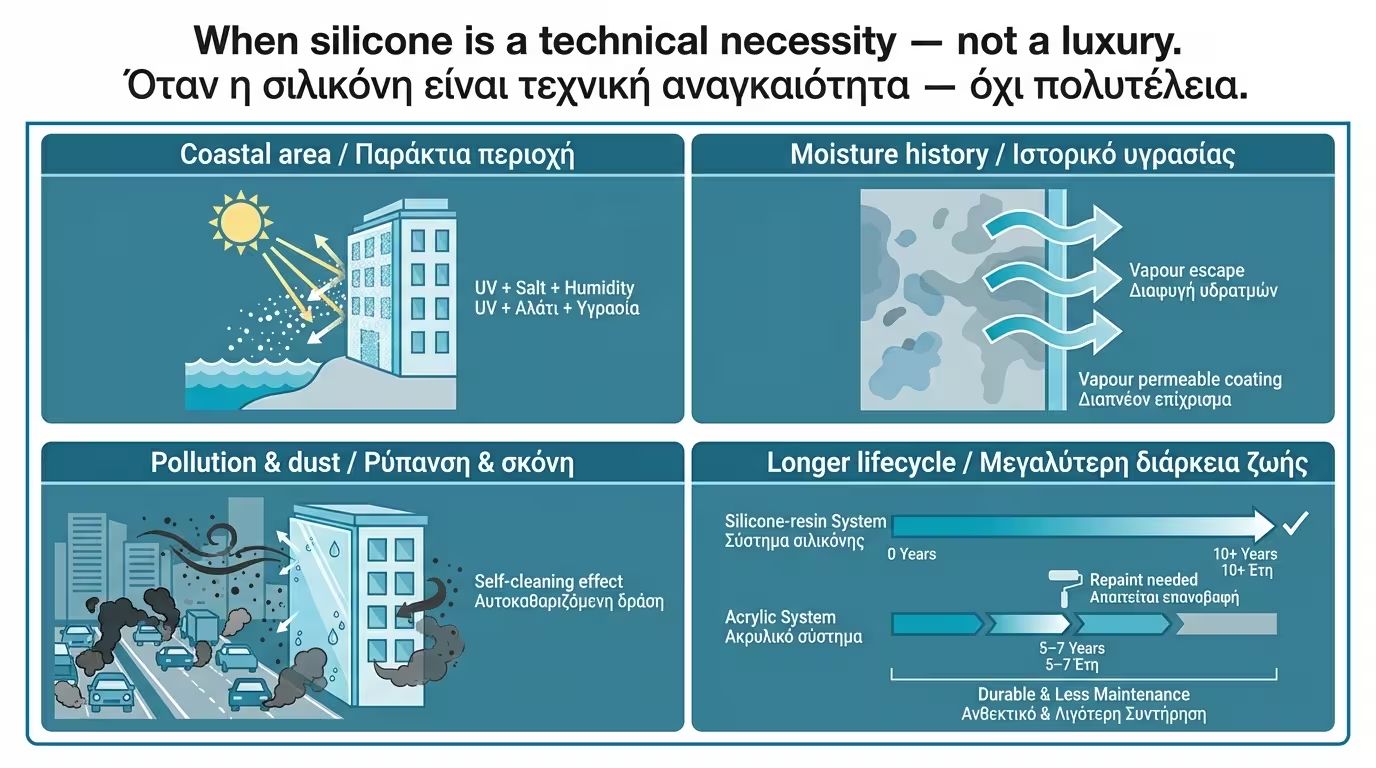
Silicone isn't a "luxury option". It's a technical solution for demanding environments - the choice should be based on assessment, not just the price difference.
Salt, high humidity, and UV create combined stress. Silicone protection withstands this combination.
Buildings with past moisture problems need a system that blocks water ingress but lets vapour escape.
On busy roads or industrial zones, the silicone surface doesn't attract dirt - staying cleaner much longer.
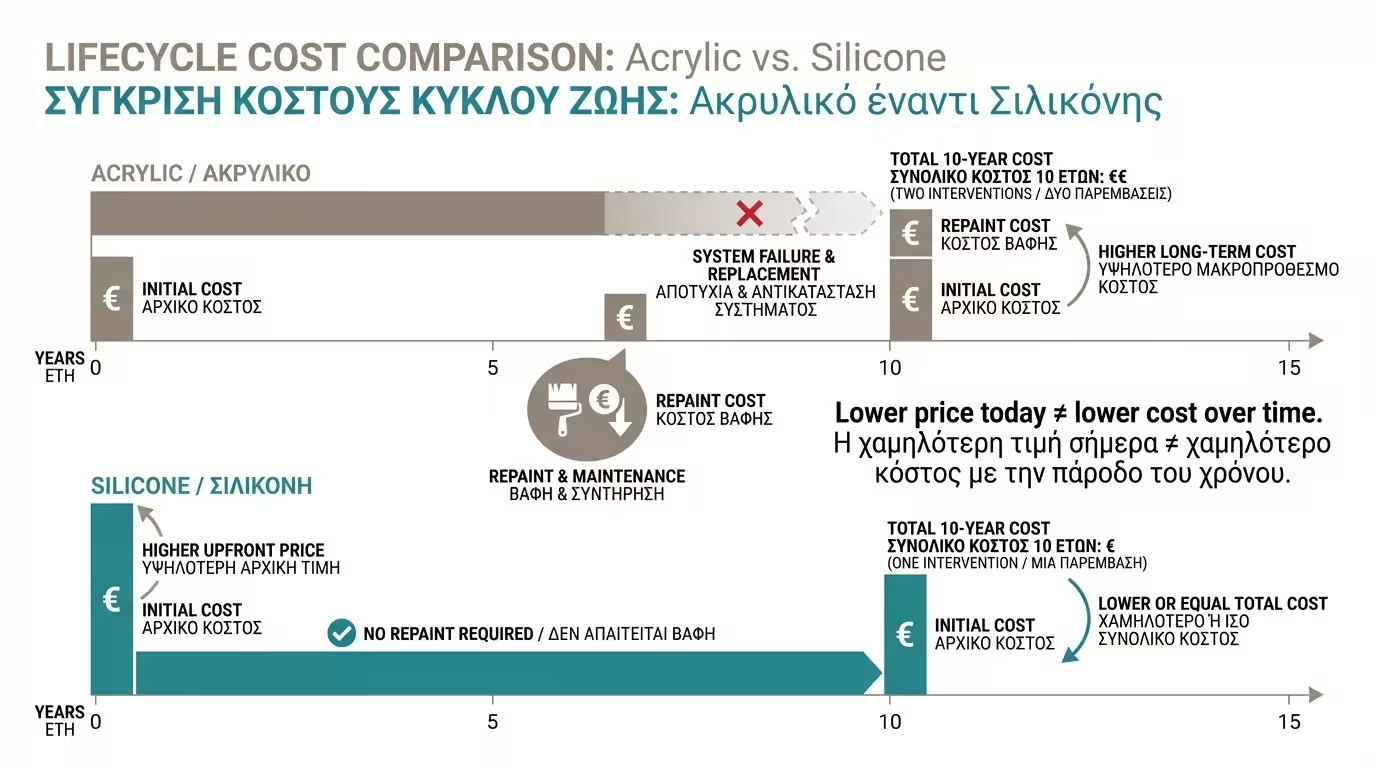
Over a 10-year horizon, a silicone system often proves more cost-effective than two acrylic cycles.
Silicone has a higher upfront cost. However, it reduces the likelihood of repainting, limits water absorption, and maintains a cleaner appearance.
Over a 10-year horizon, the cost comparison changes significantly - the "economical" choice may prove more expensive if it requires early re-intervention.
There is no universally "better" system - there is the right system for each building, based on moisture, exposure, and budget.
Return to category.
Go to categoryReturn to the central guide.
Go to guide