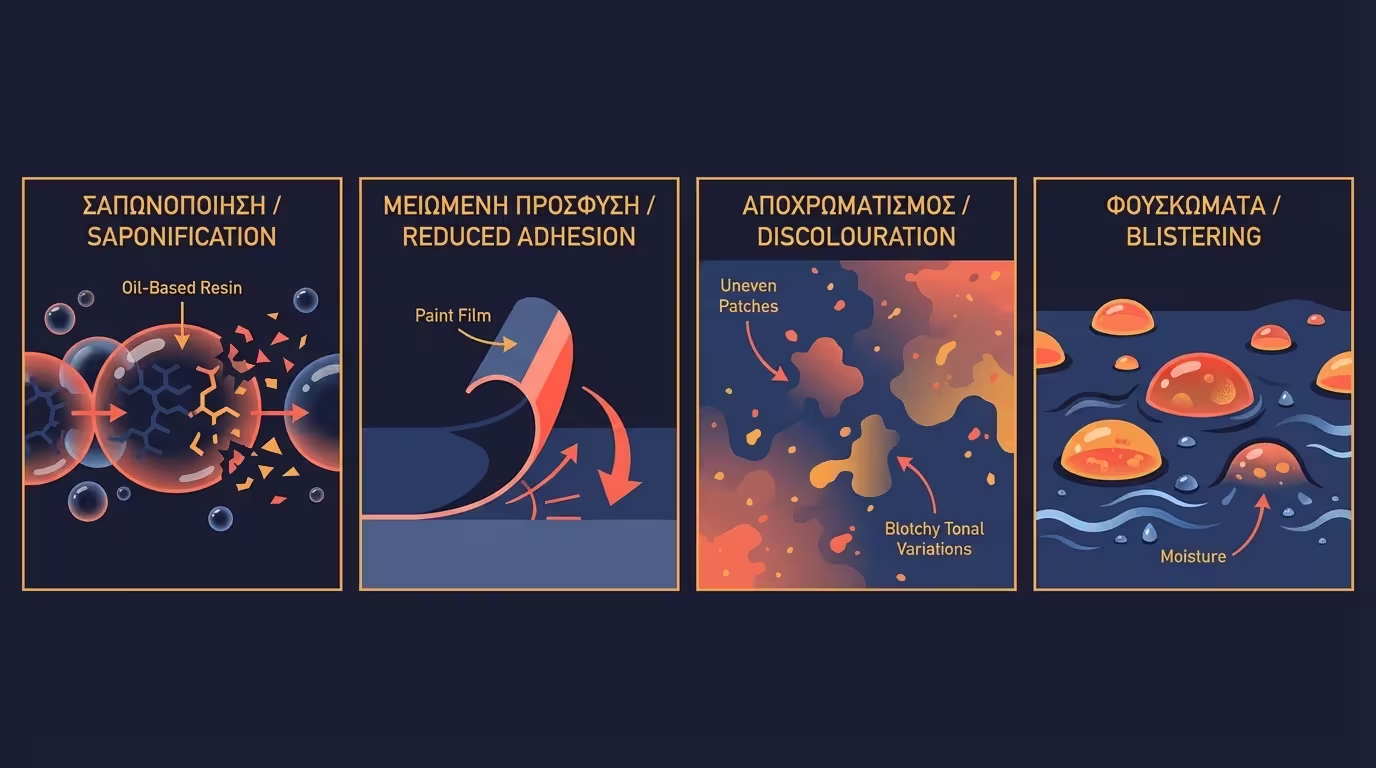
Saponification
In alkyd or solvent-based systems, oils react with alkalis and break down into a soapy mass. The film loses its structural integrity from within.
Why fresh plaster can destroy a paint system
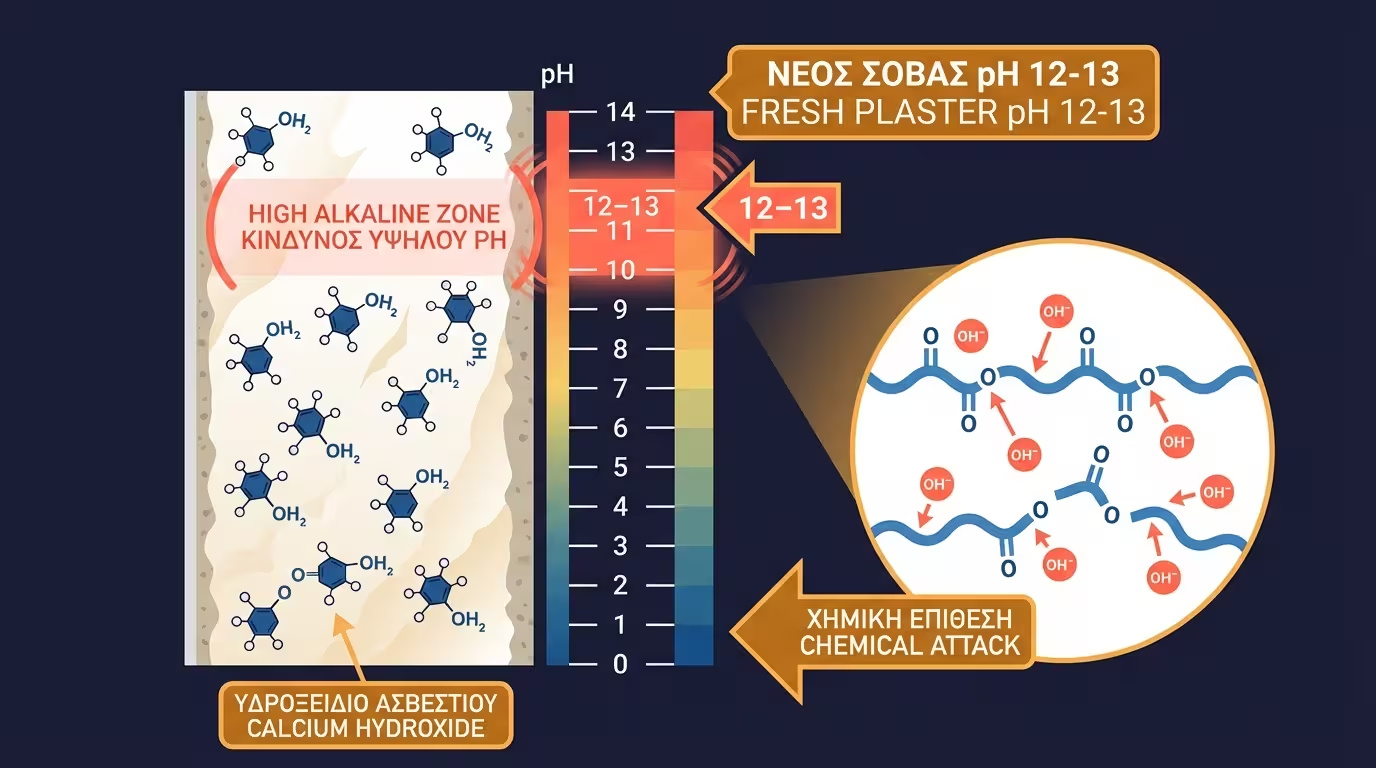
Fresh plaster and concrete contain calcium hydroxide. During curing, the pH can reach 12–13 - an extremely alkaline environment.
At such high pH, certain resins are chemically affected. Painting over uncured plaster can weaken the film before it even has a chance to perform.
Alkalis don't just ruin appearance - they cause chemical breakdown of the paint system. Four distinct damage mechanisms stand out.
In alkyd or solvent-based systems, oils react with alkalis and break down into a soapy mass. The film loses its structural integrity from within.
The film doesn't bond properly with the alkaline substrate. Delamination appears within weeks instead of years.
The surface shows uneven tone, localised dullness, or colour shift - especially where curing happened at different rates.
Especially combined with moisture, alkaline salts migrate to the surface and build pressure beneath the film.
Alkalinity isn't always a problem - it becomes one when painting happens too early, before the substrate has cured sufficiently.
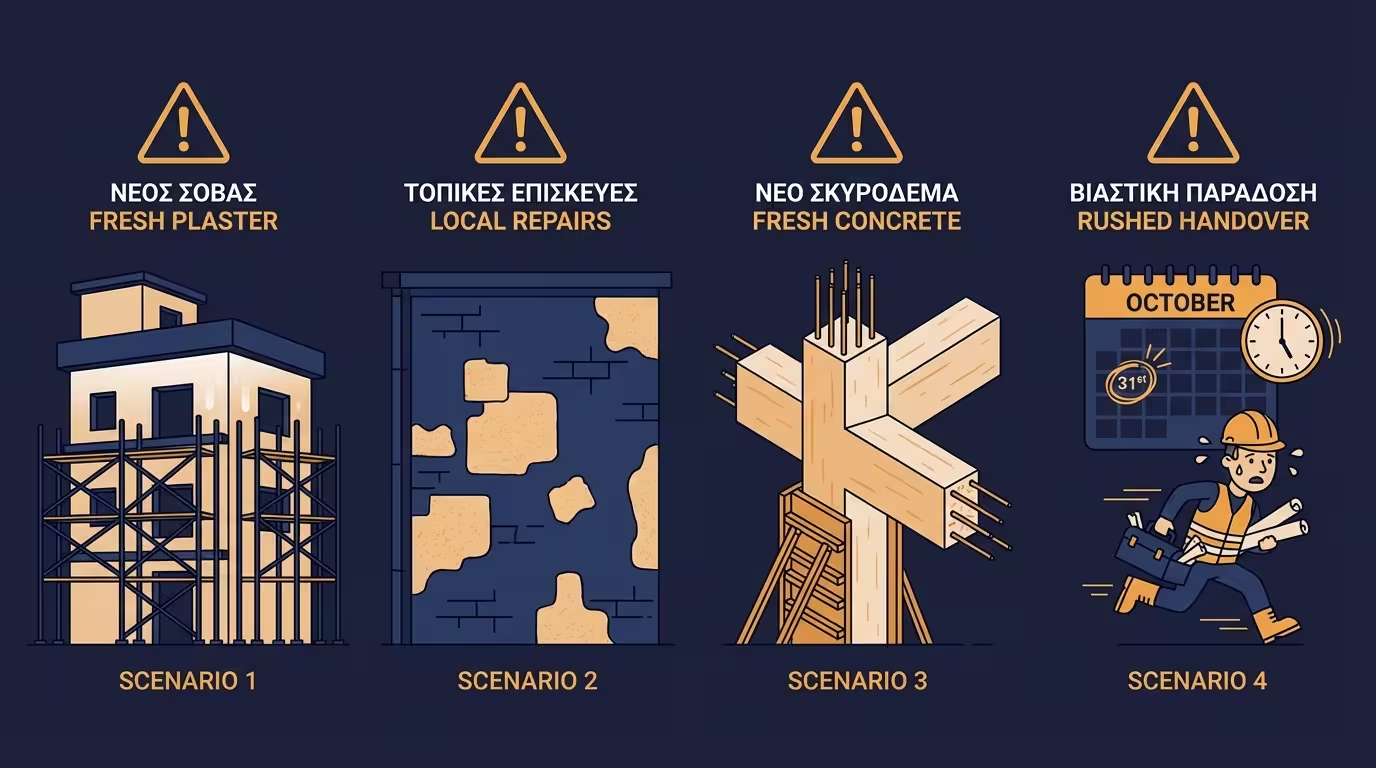
Not sufficiently cured. The rush for "handover" means painting over substrates at pH 12+.
Plaster patches on an old facade. The new plaster is alkaline while the rest of the wall has cured - creating an inconsistent base.
Recently poured beams, columns, or walls. High alkalinity combined with low porosity makes adhesion even harder.
Painting under time pressure. Curing time is "sacrificed" - and failure appears within months.
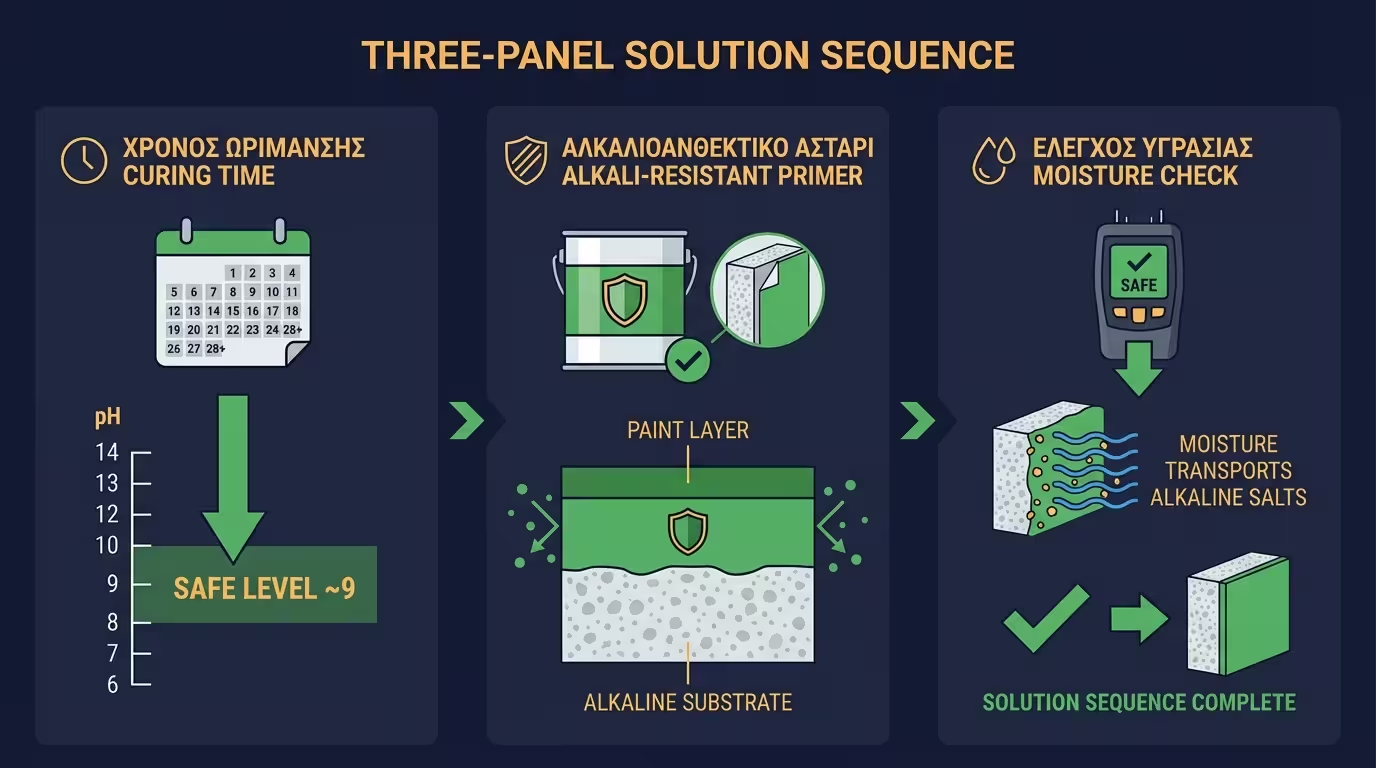
| Measure | What it does | When to apply |
|---|---|---|
| Curing time | Lets the pH drop to safe levels (~9) | 28+ days after plastering |
| Alkali-resistant primer | Creates a barrier between alkaline substrate and paint | Always on fresh plaster/concrete |
| Moisture check | Prevents alkaline salt migration to the surface | Before every application |
Premature painting on fresh plaster is one of the most common causes of early failure - and the easiest to prevent.
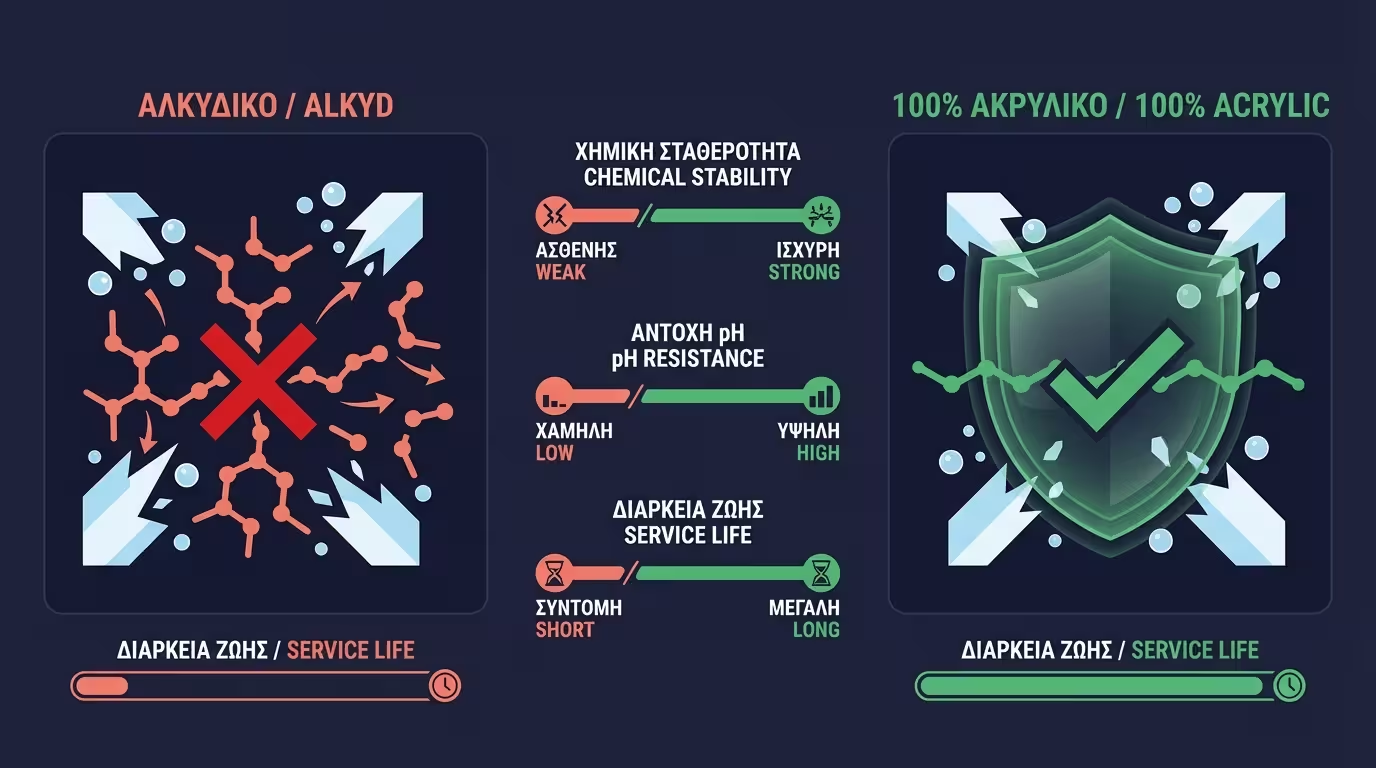
100% acrylic systems show significantly greater resistance to alkaline environments. Their chemical stability means they don't saponify and maintain adhesion even at high pH.
This is a key reason why alkyds are no longer used on exterior facades - on fresh plaster, saponification is virtually guaranteed.
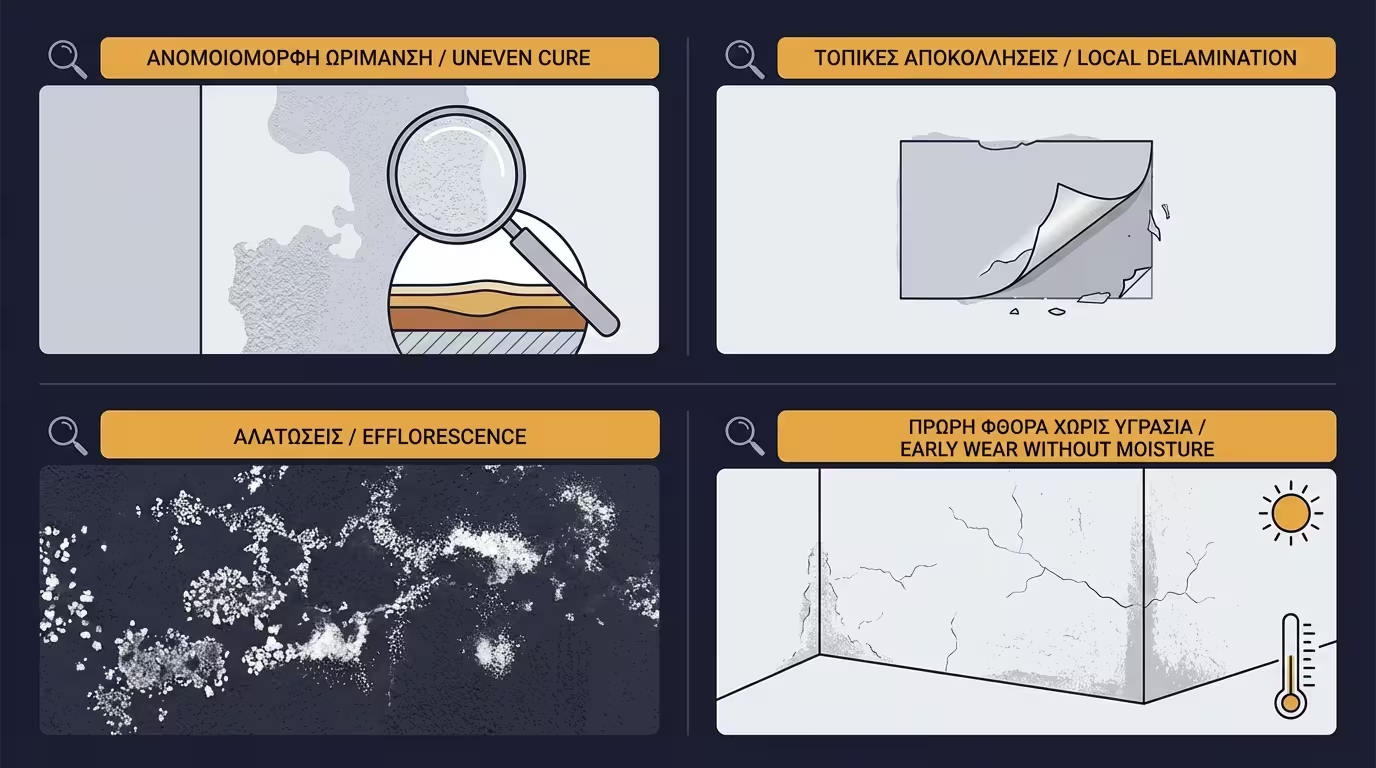
Alkalinity is invisible - but its symptoms appear early. If any of the following are spotted, a technical assessment is needed.
Some areas look "cured" while others remain dull or tacky - a sign of chemical reaction with the substrate.
Paint peels at repaired spots or on fresh plaster, while it remains stable on the older wall.
White crystalline deposits on the surface - alkaline salts transported by moisture and deposited on top of the film.
Paint deteriorates within months with no visible moisture problem - the cause is chemical, not mechanical.
Return to category.
Go to categoryReturn to the central guide.
Go to guide