🪞 Non-Porous Nature
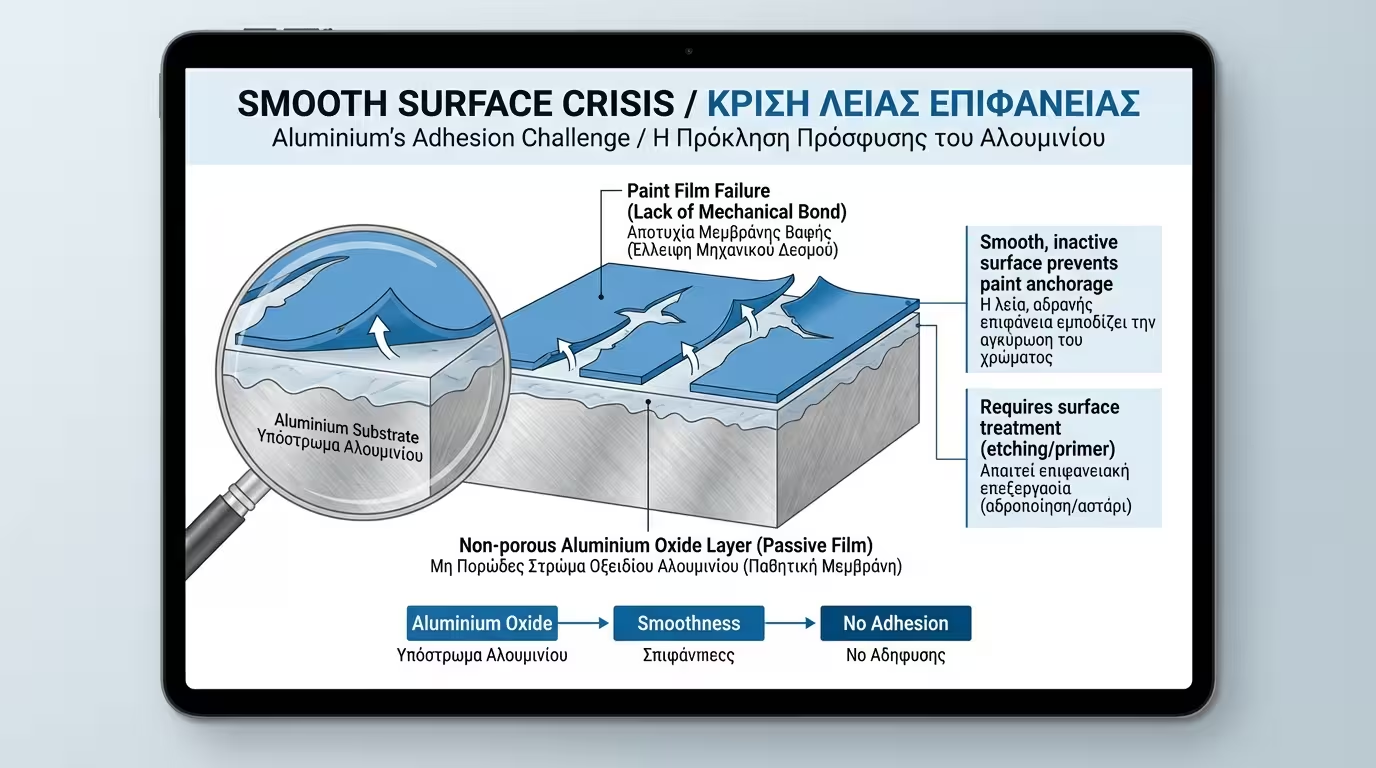
Unlike plaster or wood, aluminium requires chemical "biting" (etching) to create adhesion.
Why aluminium peels easily and how to ensure absolute adhesion.
Aluminium is smooth as glass and lacks pores for paint to "hook" onto. Furthermore, it instantly develops a transparent oxide layer which, while protecting it from corrosion, acts as a non-stick surface for common paints.
Unlike plaster or wood, aluminium requires chemical "biting" (etching) to create adhesion.
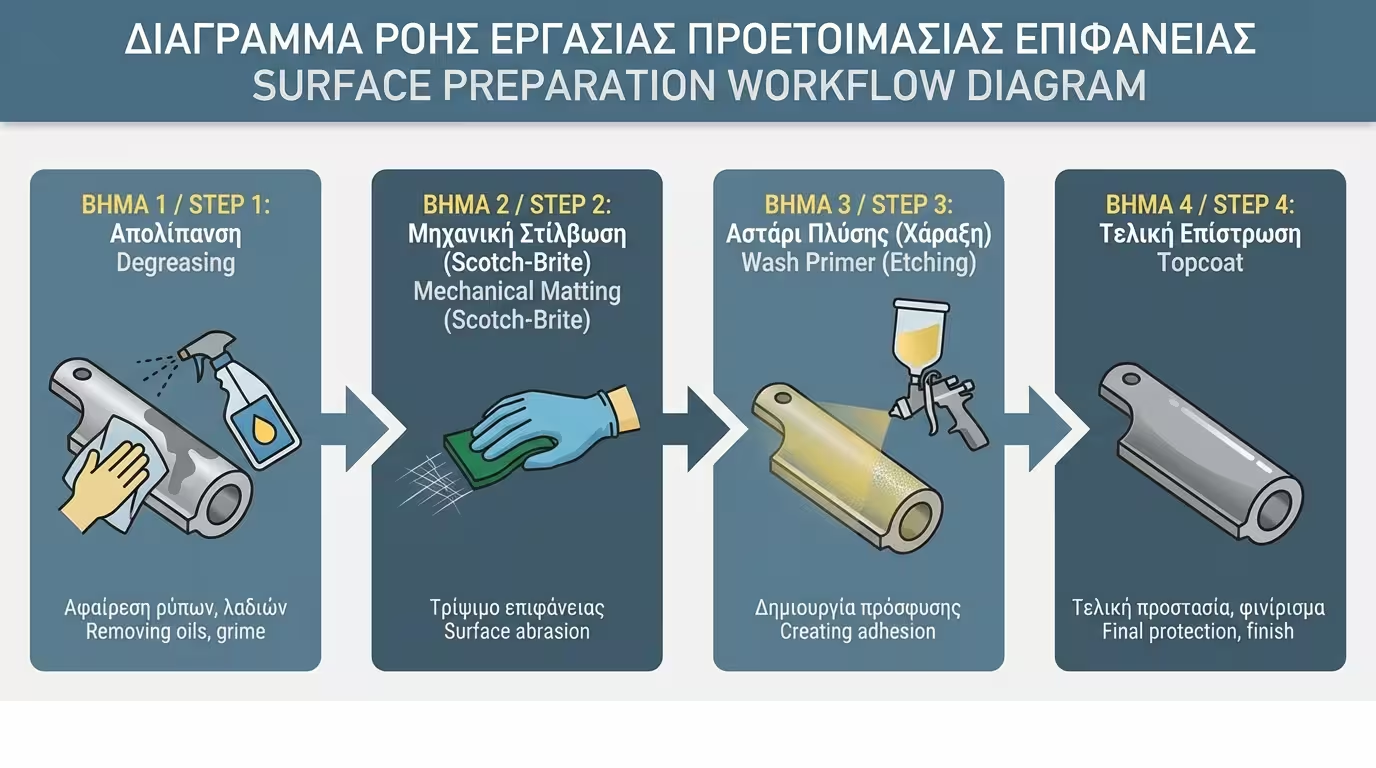
Aluminium profiles leave the factory with industrial oils. If thorough degreasing with nitro thinner is not performed, failure is guaranteed.
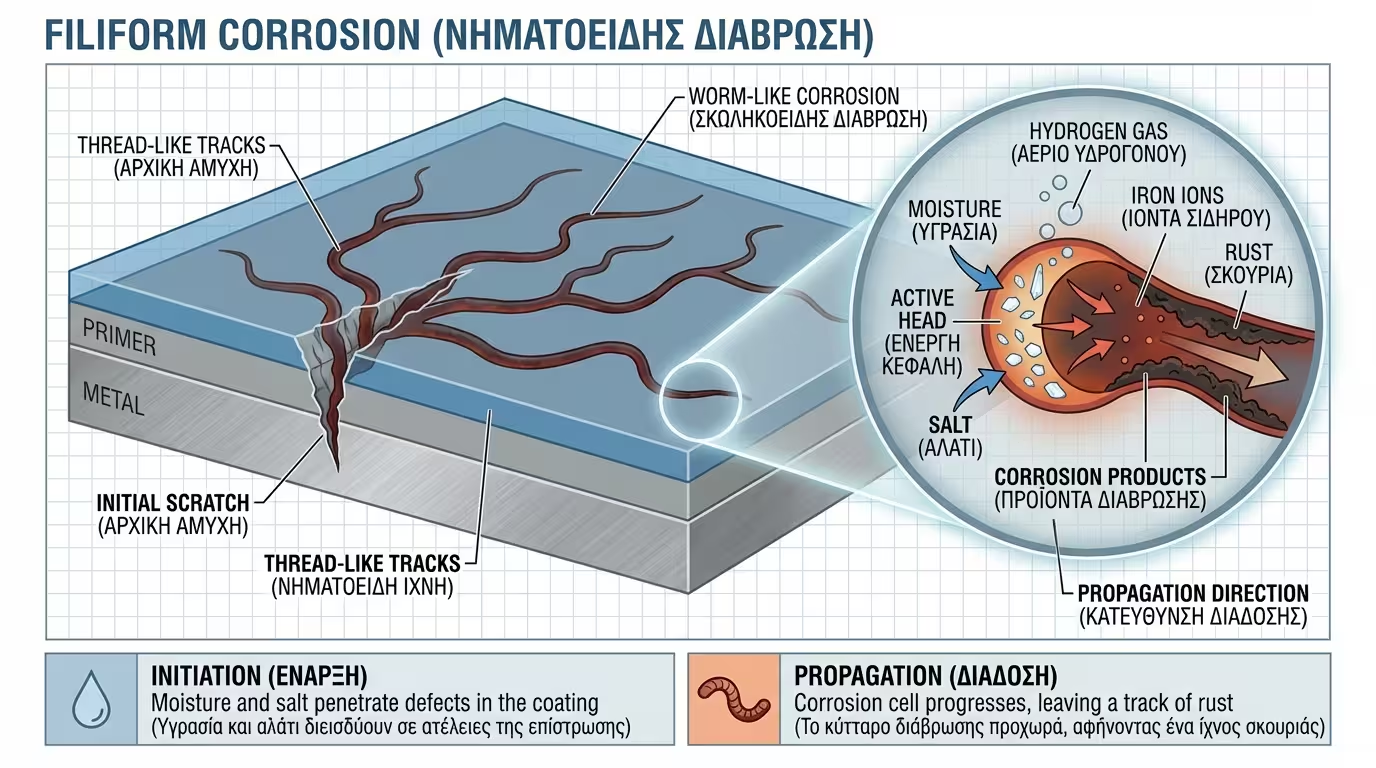
The hidden enemy of aluminium! It appears as raised "worms" or "veins" under the paint, pushing and blistering the film.
It typically starts from scratches or sharp edges where moisture and salt penetrate under the paint. It is extremely common in coastal areas with humidity above 75%.
Forget common rust inhibitors. Aluminium requires Wash Primer - a specialized primer that chemically "bites" the metal.
Clean thoroughly with nitro thinner. Do not sand before cleaning, as you will push oils into the metal.
Use fine sandpaper (P220) or Scotch-Brite to remove the gloss and create a "tooth."
The most critical stage. Wash Primer creates an unbreakable chemical bond with the aluminium.
After 1 hour, apply water-based enamel or 2-component polyurethane for maximum durability.
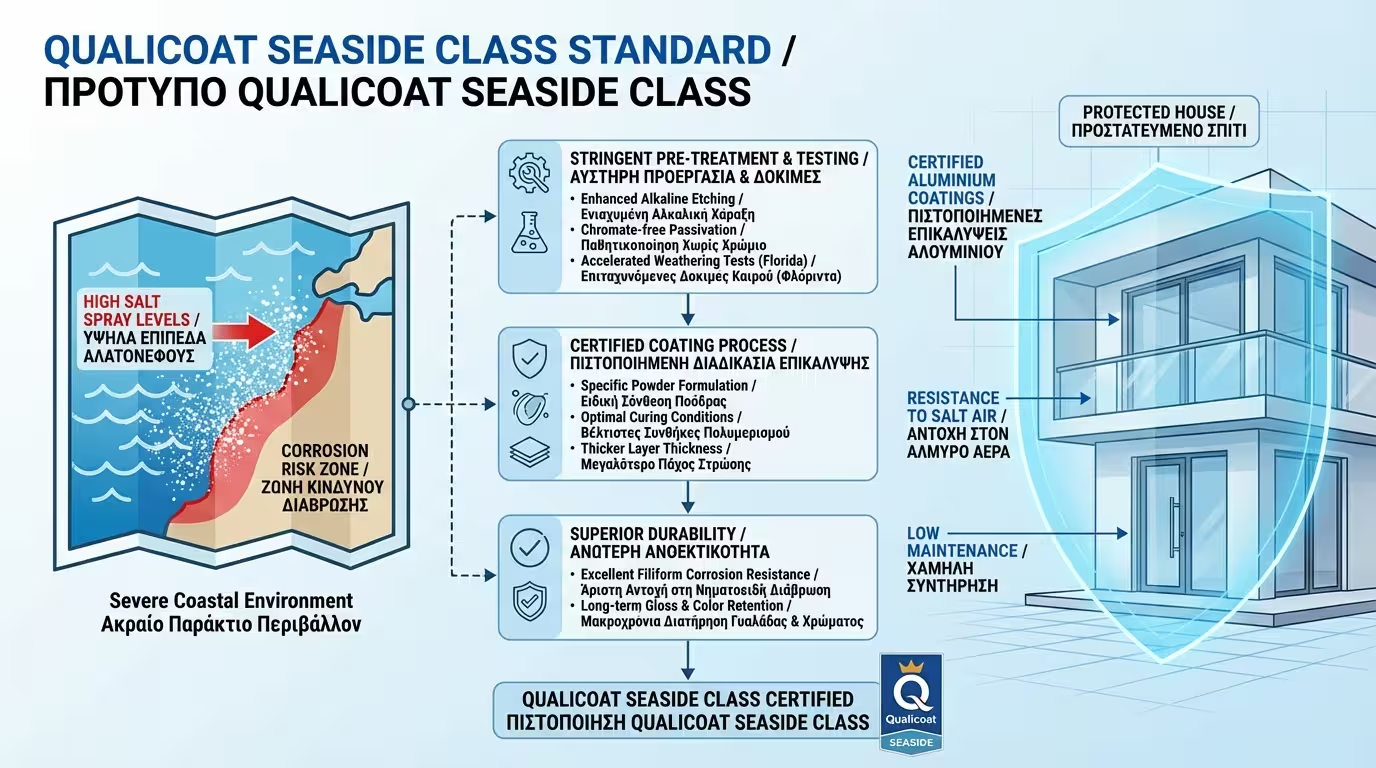
For architectural projects near the sea, simple electrostatic powder coating is not enough. The Qualicoat Seaside Class specification mandates deeper chemical preparation (etching).
This process removes more of the aluminium surface layer, ensuring the powder "locks" onto clean metal, preventing filiform corrosion.
Return to category.
Go to categoryReturn to the central guide.
Go to guideReturn to the main metal painting guide.
View morePlanning to change the color of your old aluminium frames?
Contact us