❓ When to Paint Inox?
1. For aesthetic reasons (matching the building). 2. For additional protection in extremely corrosive environments (C5-M).
Why even "rust-proof" metal sometimes needs a protective shell.
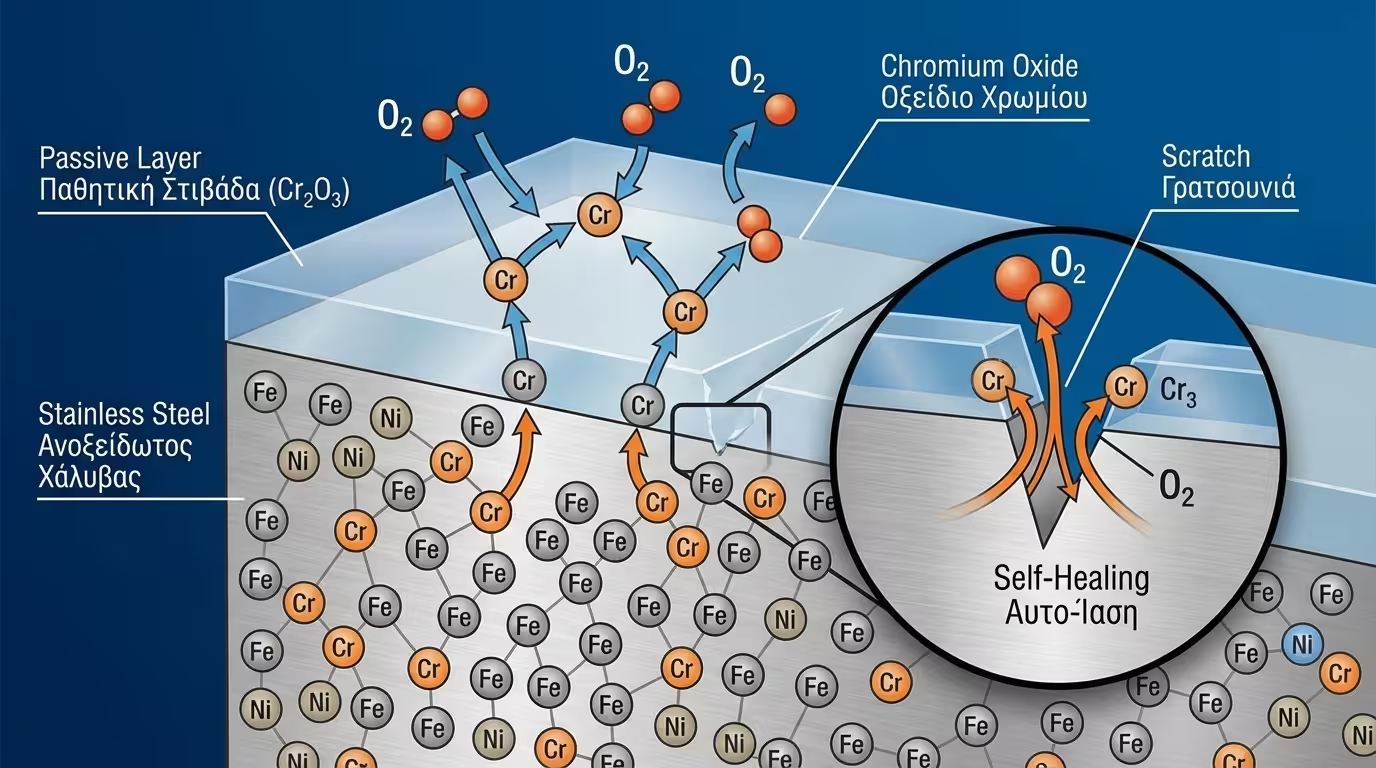
Stainless steel (Inox) is protected by an invisible layer of chromium oxide (Passive Layer). This layer self-heals in the presence of oxygen. However, in environments with chlorine (pools) or salt (the sea), Inox can develop pitting corrosion.
1. For aesthetic reasons (matching the building). 2. For additional protection in extremely corrosive environments (C5-M).
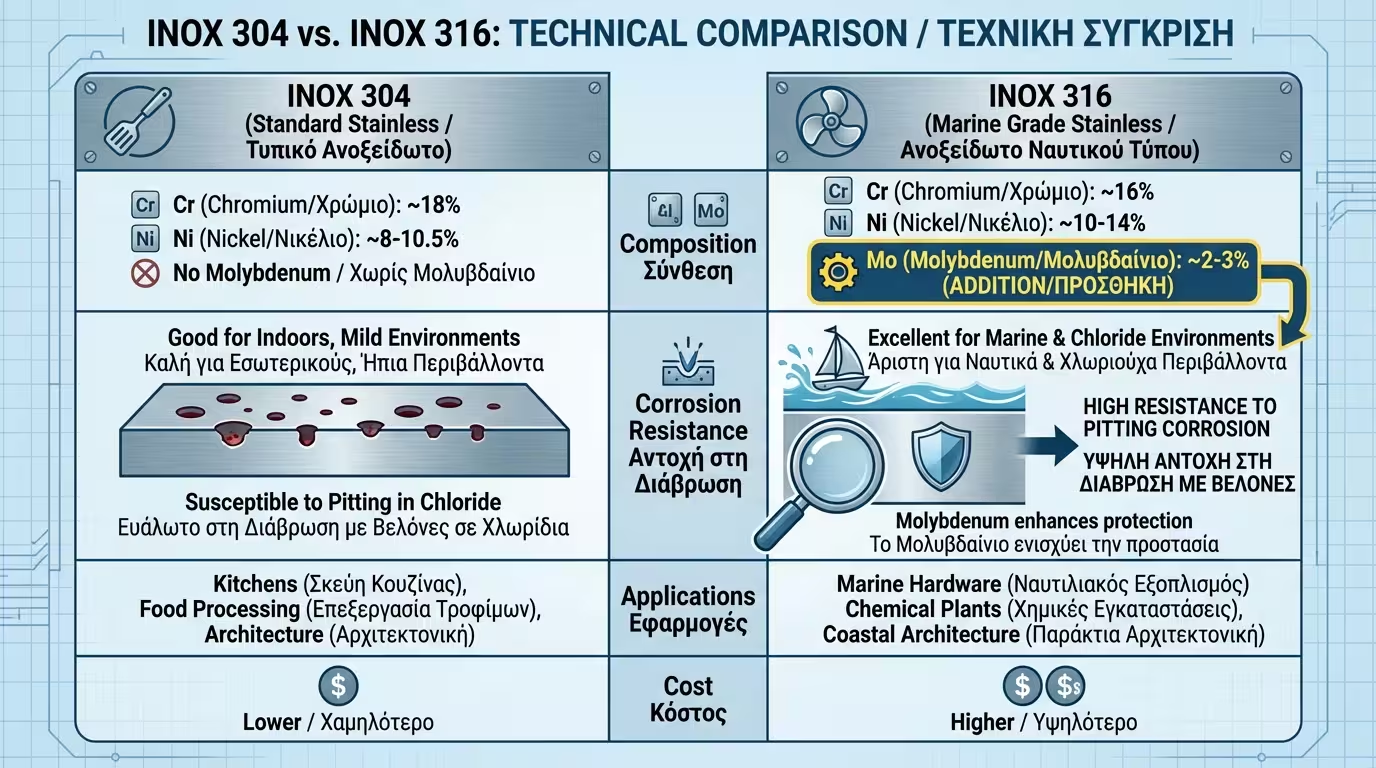
304 is for indoor use. 316 contains molybdenum and is the "Marine Grade" Inox. Even 316 may need painting if exposed to harsh acids.
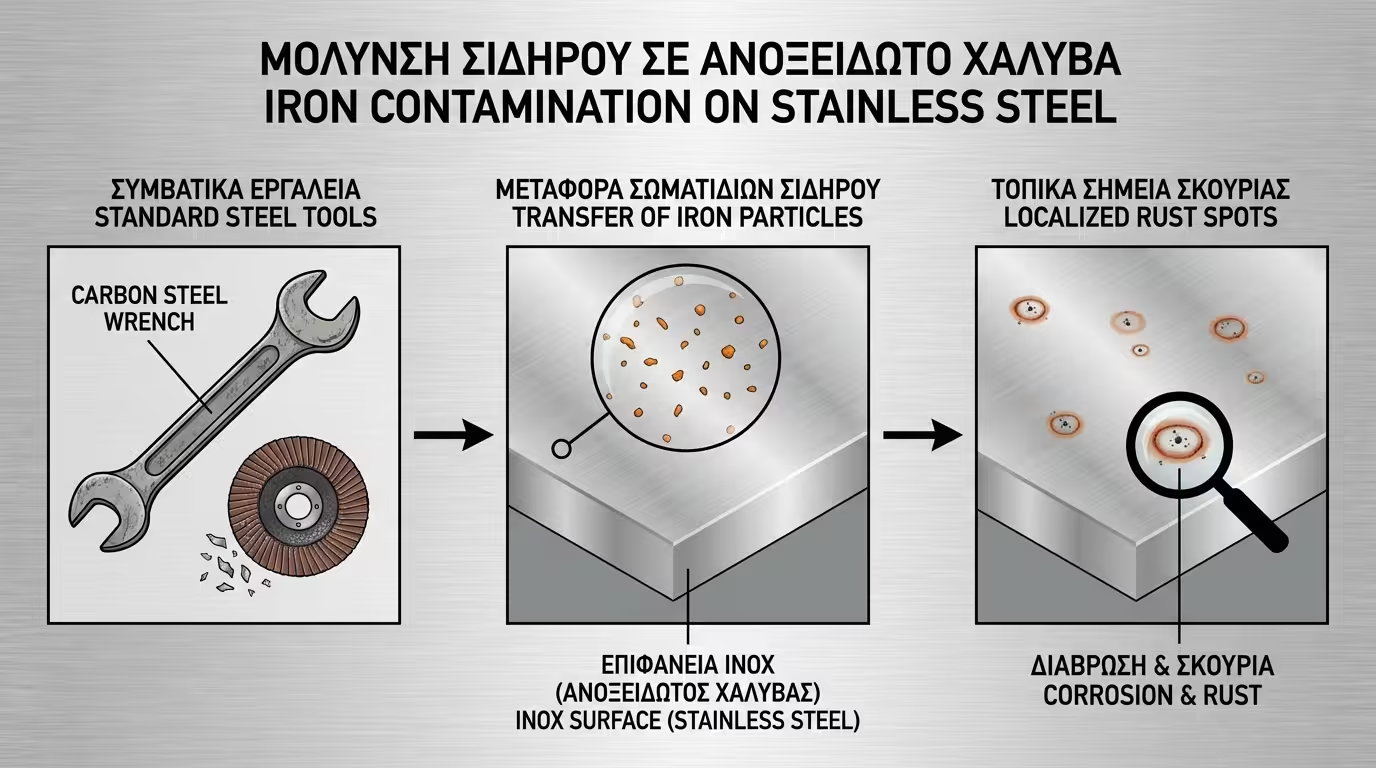
The most common mistake in Inox maintenance! If you use a wire brush or cutting disc previously used on standard steel, you transfer iron particles onto the Inox surface.
These particles will rust immediately, creating the illusion that the Inox has "rotted." Before painting, the surface must be cleaned with specialized Inox cleaners and polishers.
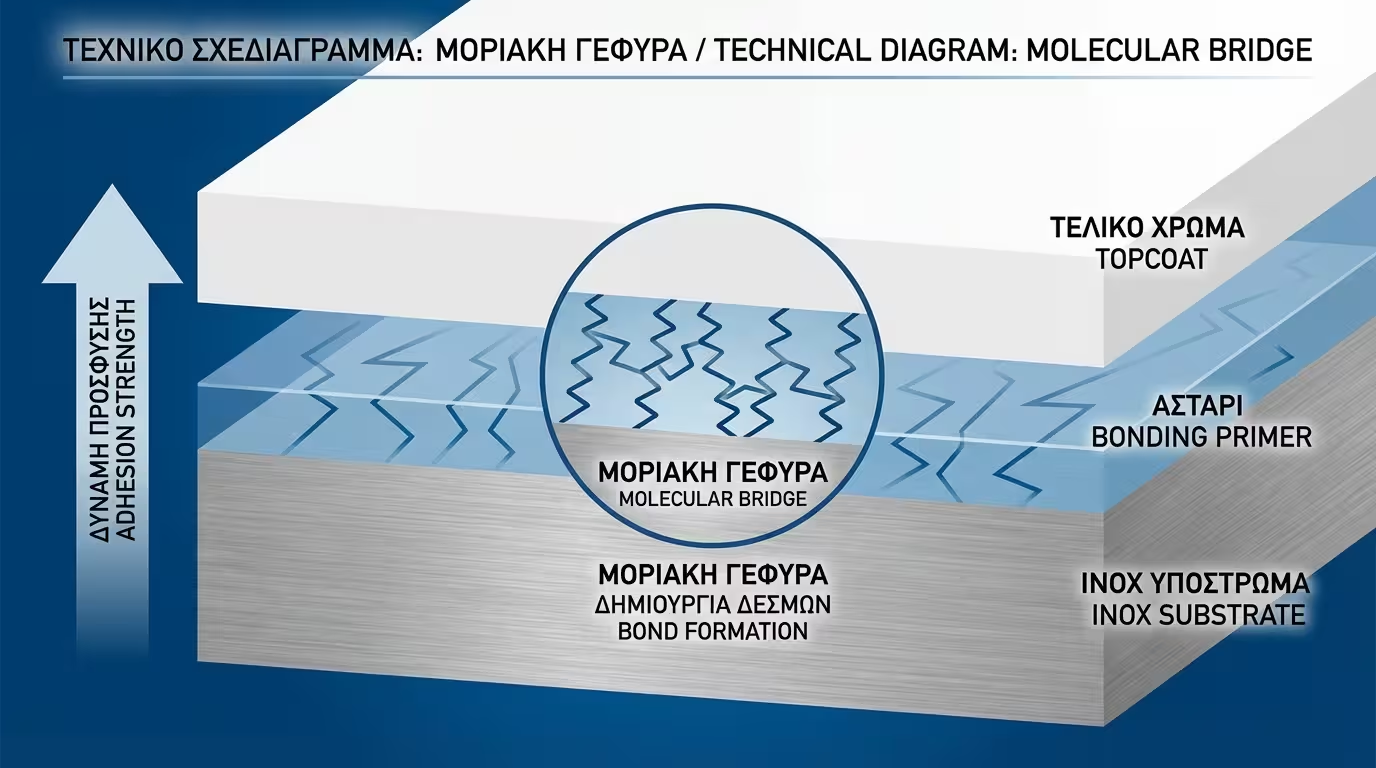
Due to its extremely smooth surface, Inox is one of the most difficult surfaces to paint. A specialized Bonding Primer (e.g., Wash Primer or Epoxy with adhesion promoters) is required.
Light abrasion with Scotch-Brite or extremely fine sandpaper is necessary. Caution: Do not destroy the surface uniformity if painting only partially.
In industrial applications, a two-component epoxy primer acts as the "glue" between the metal and the polyurethane topcoat.
📐 Technical Rule: Painting stainless steel requires 100% removal of fingerprints and oils. Even the fat from hands can cause paint rejection (fish-eyes).
Before deciding to paint Inox, try cleaning it first. Many "rust" issues are simply surface deposits that can be removed with specialized passivation gels.
However, if the metal has suffered severe corrosion or aesthetics mandate it, follow a full C5-M system to ensure the intervention lasts for decades.
Return to category.
Go to categoryReturn to the central guide.
Go to guideReturn to the main metal painting guide.
View moreDo you have stainless steel railings that have developed rust spots?
Contact us