
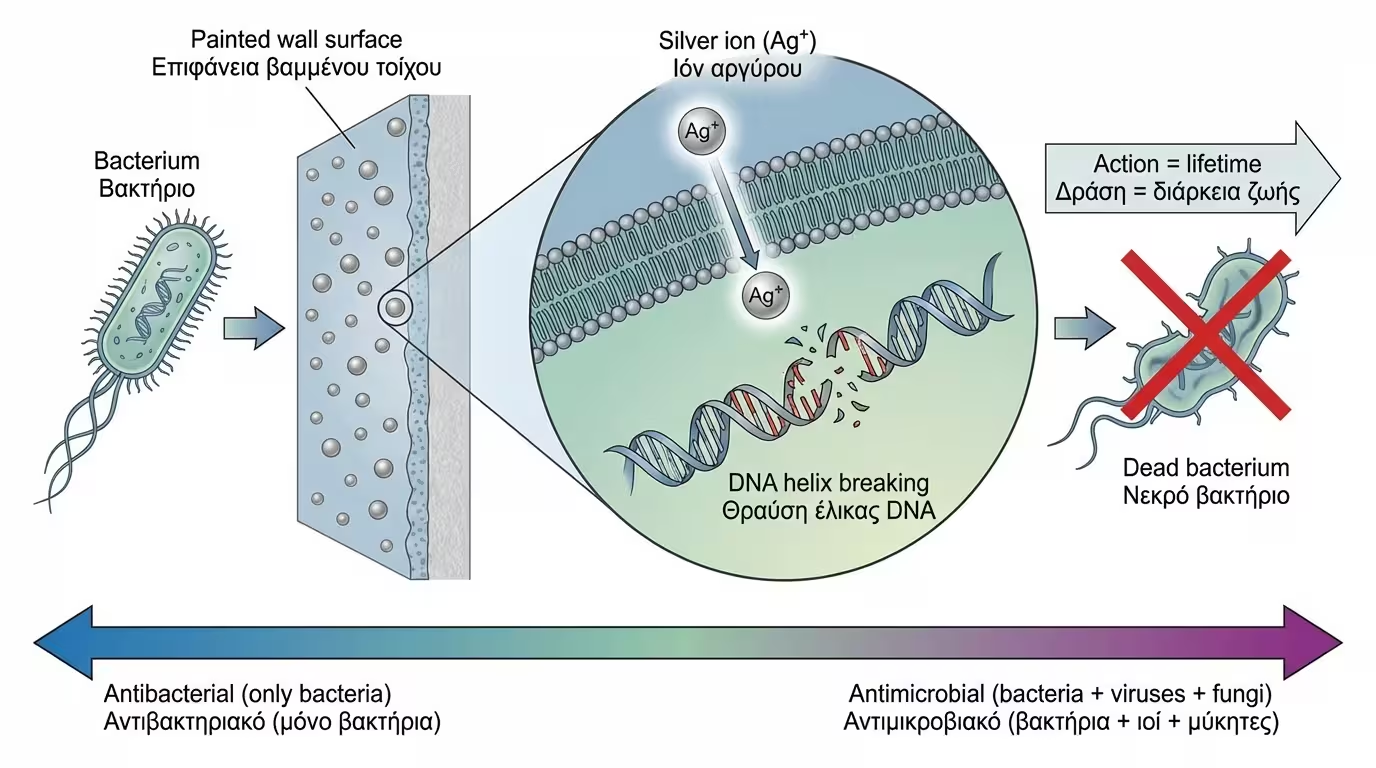
Antibacterial
Target bacteria only (e.g. E. coli, Staphylococcus).
How often do you disinfect your walls? Bacteria and viruses survive on surfaces for days or weeks. Antibacterial paints were designed for operating theatres - but they're now on shop shelves. How do they work and are they worth it for your home?
Two categories often confused:
Target bacteria only (e.g. E. coli, Staphylococcus).
Broader spectrum - bacteria, viruses (flu) and fungi (mould).
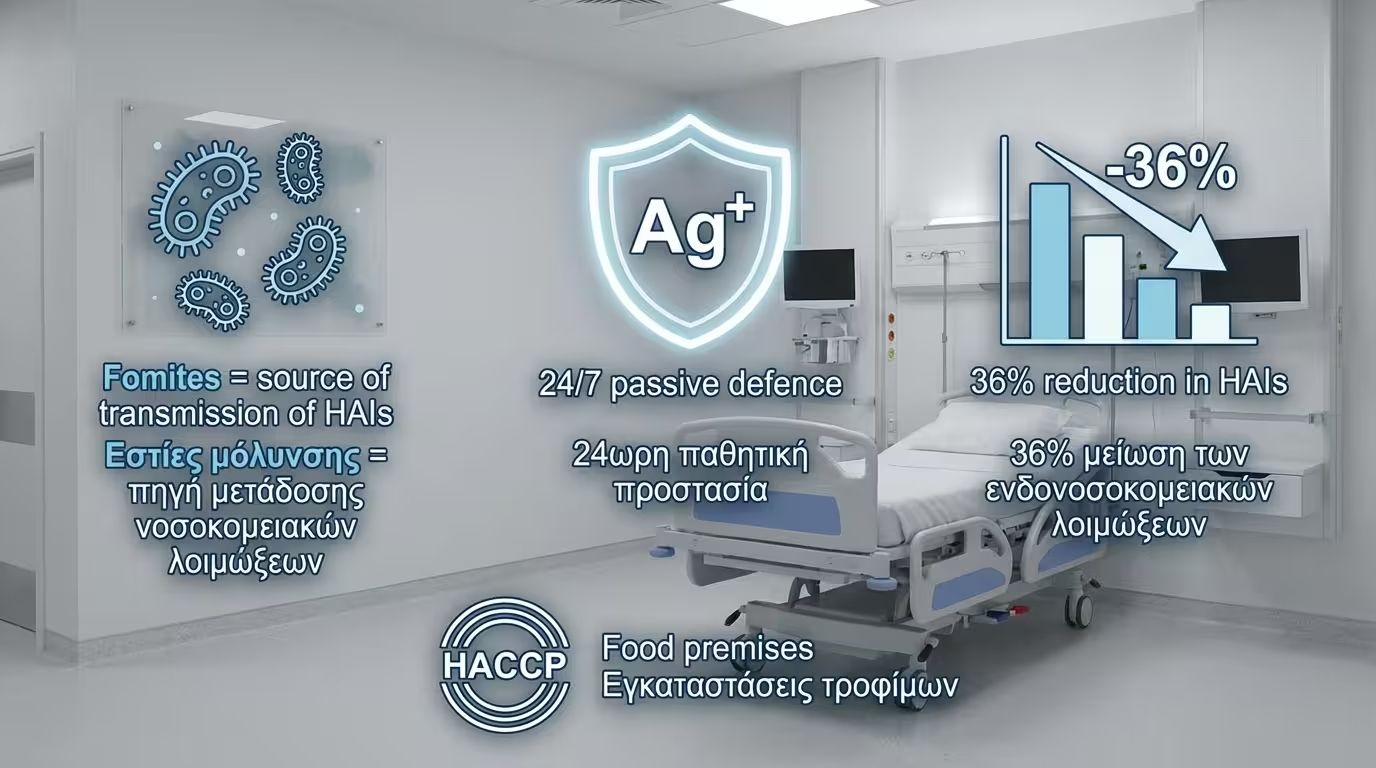
Silver = natural antimicrobial. Ions penetrate cell membrane → destroy DNA → active for the paint's entire lifespan.
In hospitals, contaminated surfaces = main source of Hospital-Acquired Infections (HAIs). Clinical studies: 36% reduction in HAIs.
At home the answer depends on the room:
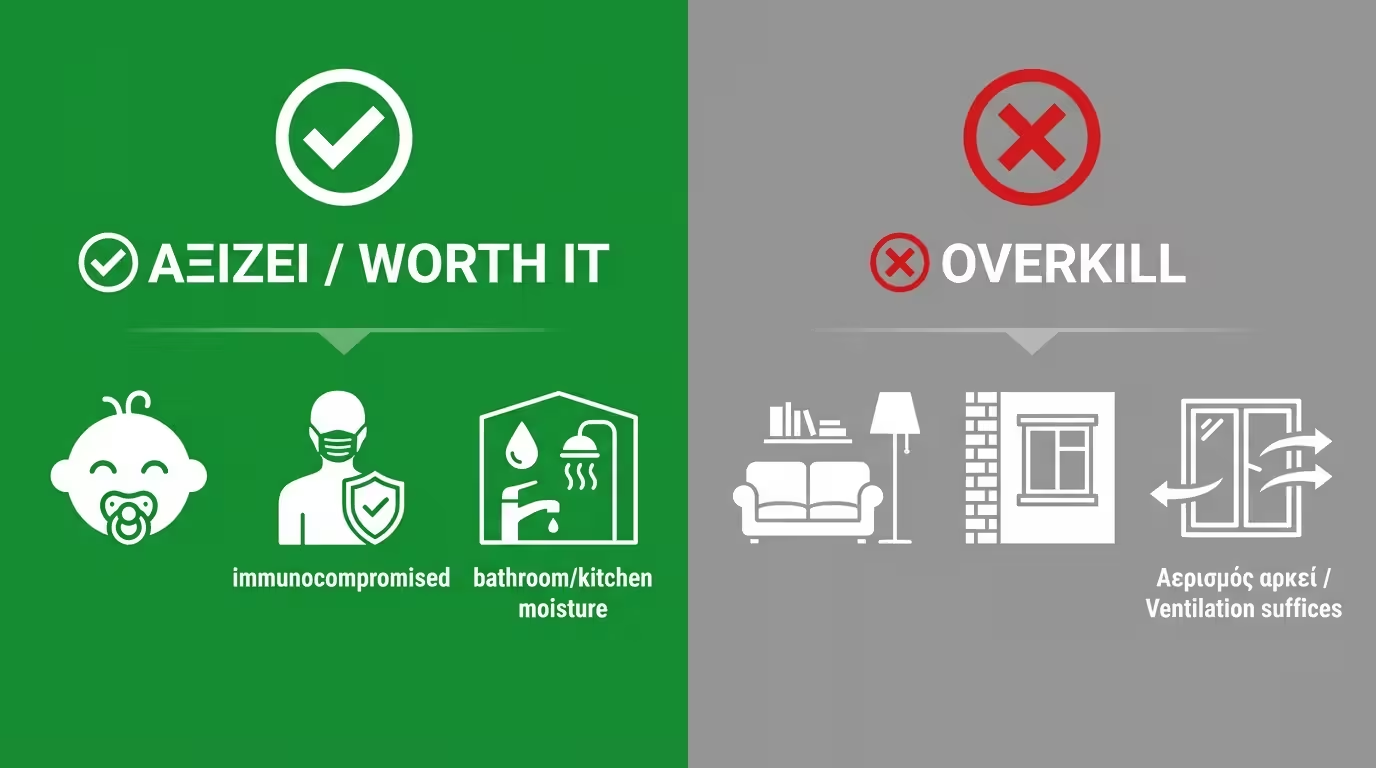
| Space | Worth It? | Why? |
|---|---|---|
| Nursery / Day-care | ✅ YES | Children touch walls → hands in mouth |
| Immunocompromised | ✅ YES | Critical reduction of microbial load |
| Bathrooms / Kitchens | ✅ YES | Moisture = breeding ground - dual protection (mould + bacteria) |
| Food Premises (HACCP) | ✅ YES | Prevents cross-contamination |
| Living room / Adult bedroom | ❌ Overkill | Ventilation + cleaning suffice - Ecolabel is enough |
| Exterior walls | ❌ Overkill | Unnecessary expense - sun/air naturally sanitise |
Global reference standard. Measures bacterial reduction (E. coli, S. aureus) at >90% RH after 24 hours.
New standard - tests in realistic dry conditions. More accurate data for real interiors.
Efficacy R>2 after repeated cleaning with bleach or UV-C exposure.
Mandatory for medical spaces. If the film degrades, the Ag+ ion matrix is destroyed = zero protection.
Antibacterial paints = a revolutionary weapon against infections in professional spaces. For homeowners, an excellent optional shield (children, bathrooms, kitchens) - but they never replace ventilation and basic hygiene.
Return to category.
Go to categoryReturn to the central guide.
Go to guide