🧲 Adhesion Loss
Paint sits on the oil layer - not in the metal's pores. At the first stress or temperature change, it peels off like skin.
Paint peeling off? In most cases, the culprit isn't the paint - it's a critical step that was skipped: proper degreasing.
Paint and oil are natural enemies. Applying primer onto a greasy surface causes:
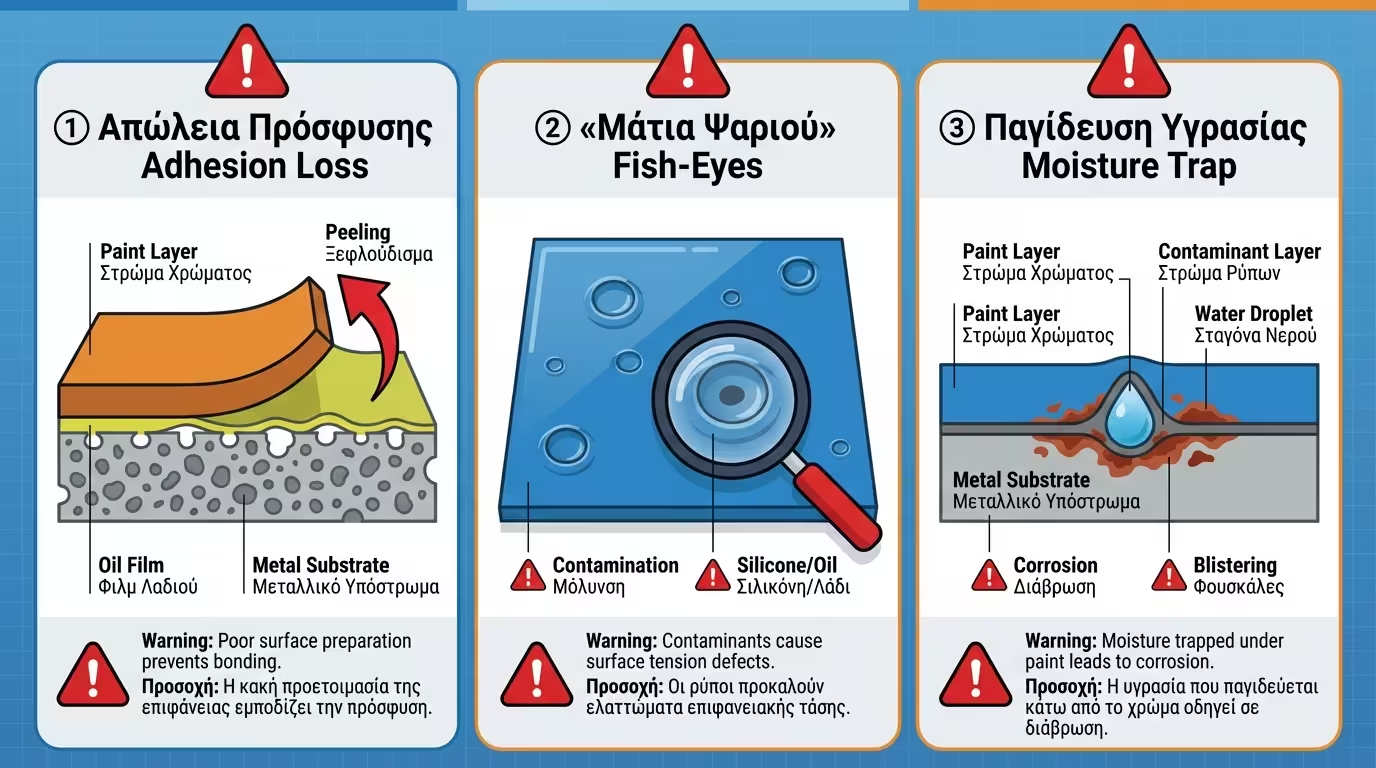
Paint sits on the oil layer - not in the metal's pores. At the first stress or temperature change, it peels off like skin.
Grease or silicone residues force wet paint to pull away locally - creating small crater-like holes.
Contaminants trap moisture under the coating - invisible rust forms beneath the freshly painted surface.
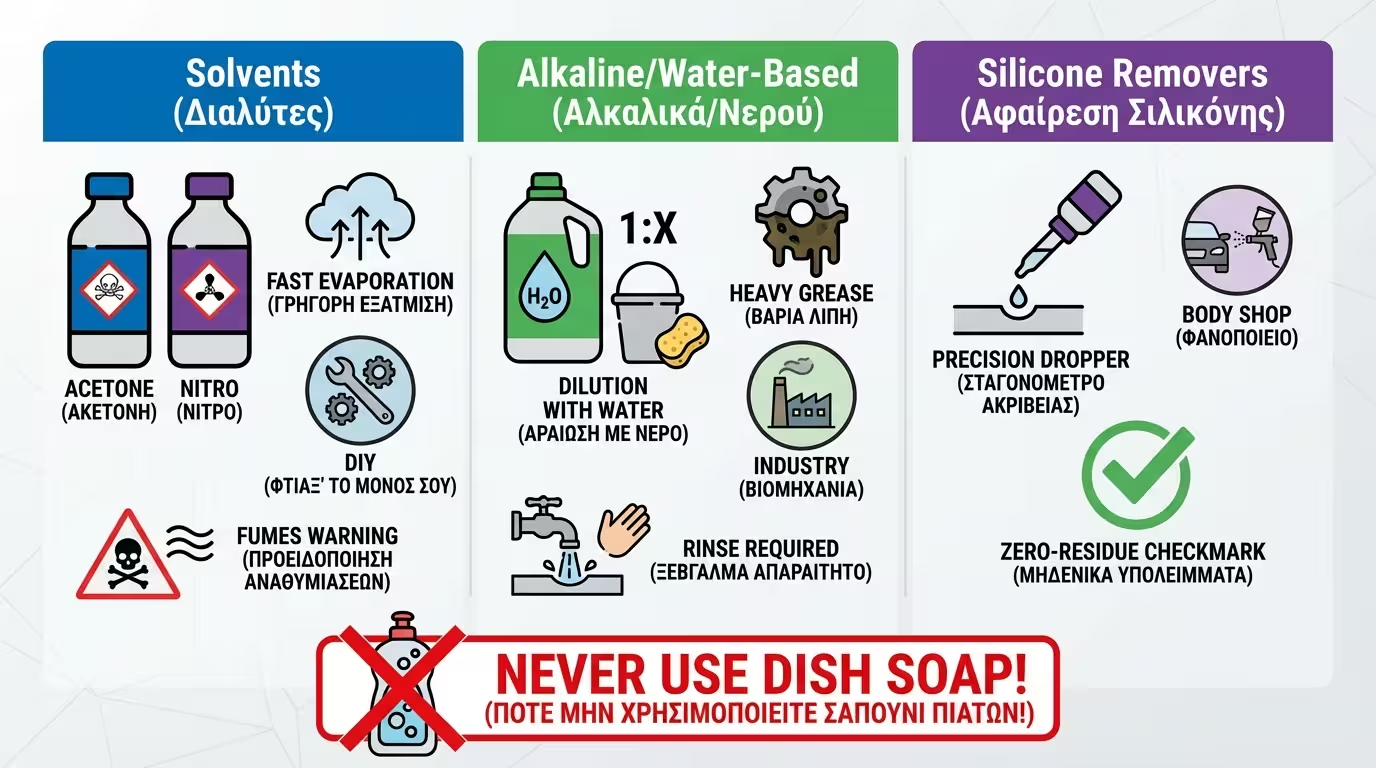
The choice depends on the surface size, type of contaminant, and whether you're working indoors or out.
Evaporate quickly, remove light oils & waxes. Ideal for DIYers on small areas. Beware of fumes!
Dilute with water. Excellent for heavy grease in industrial settings. Require thorough rinsing.
Specialist products that remove every trace of silicone & wax without residue. Ideal for auto body shops.
⚠️ DIY Trap: Don't use household dish soap! It contains additives (lanolin, fragrances) that leave an invisible film on the metal.
The Two-Cloth Method is the professional's secret:
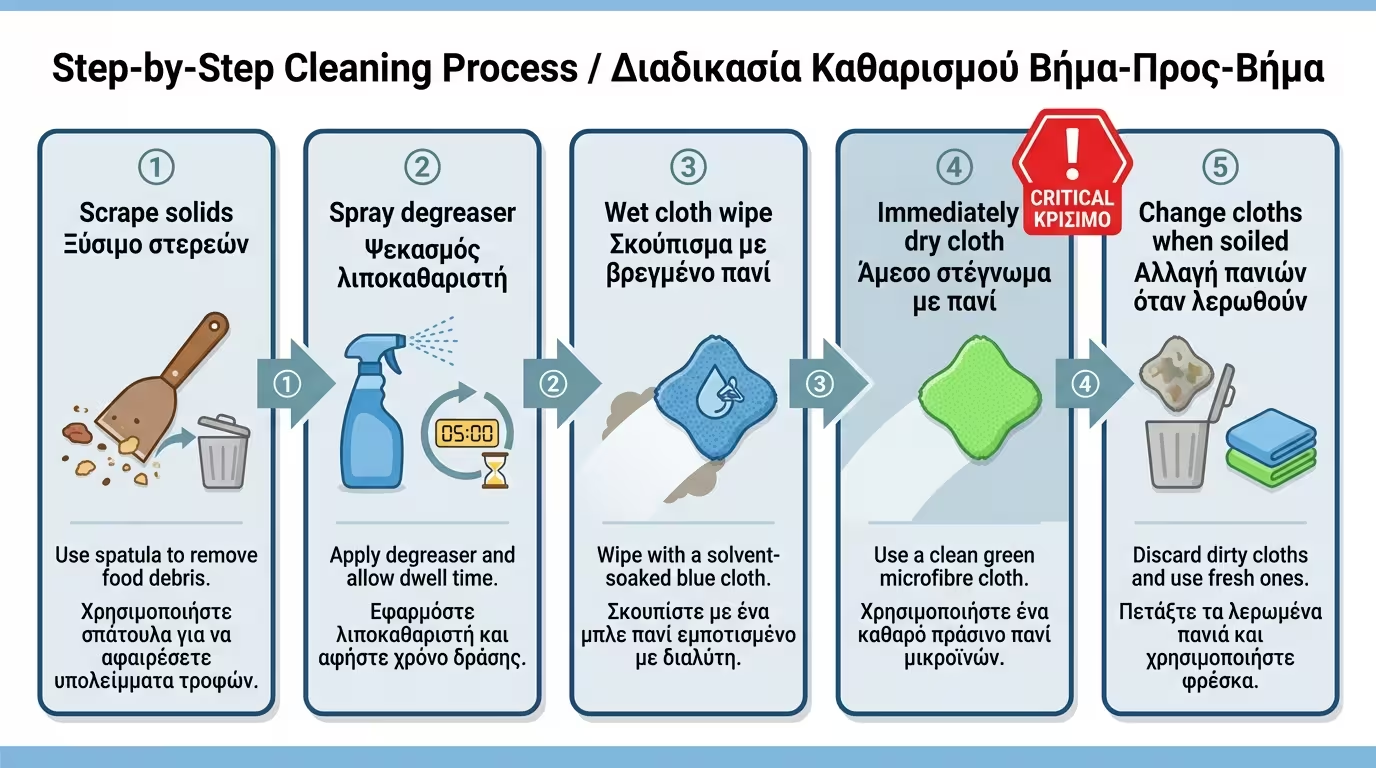
Scraper or dry cloth - remove dirt, mud, heavy grease.
Spray or brush on. Let it dwell without drying out.
Wipe with a solvent-soaked cloth → immediately follow with a second dry, clean microfibre cloth. If you skip the second cloth, you're just spreading the oil!
Once soiled, flip to a clean side or discard. Don't recycle the dirt.
If alkaline cleaner was used, rinse thoroughly. Dry immediately (compressed air) to prevent flash rust.
The absolute rule of metal painting:
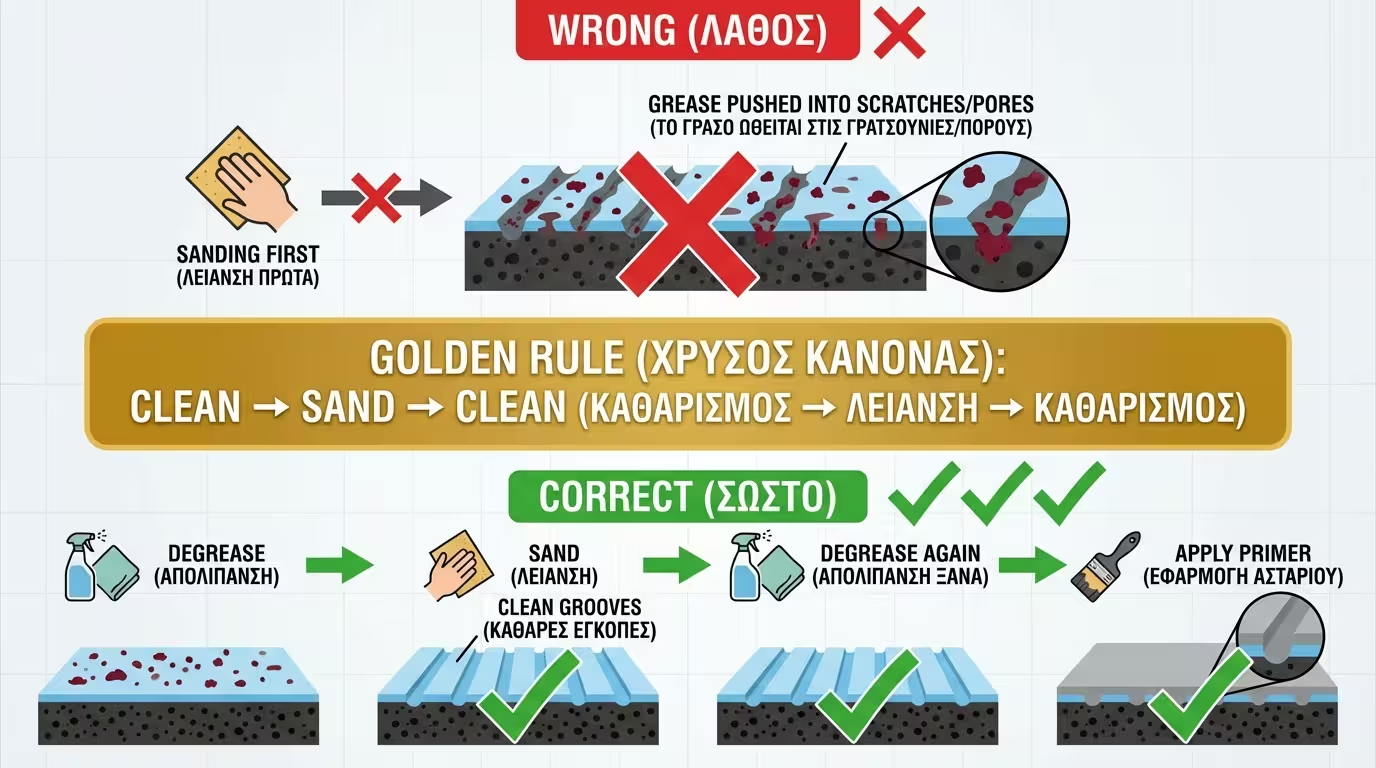
📐 Clean first, sand second. If you start sanding a metal surface that has oil on it, you're pushing the grease deeper into the pores and sanding grooves. Degreasing must be the first and the last step before you open the primer can.
Return to category.
Go to categoryReturn to the central guide.
Go to guide