🪵 Bare / Unfinished Wood
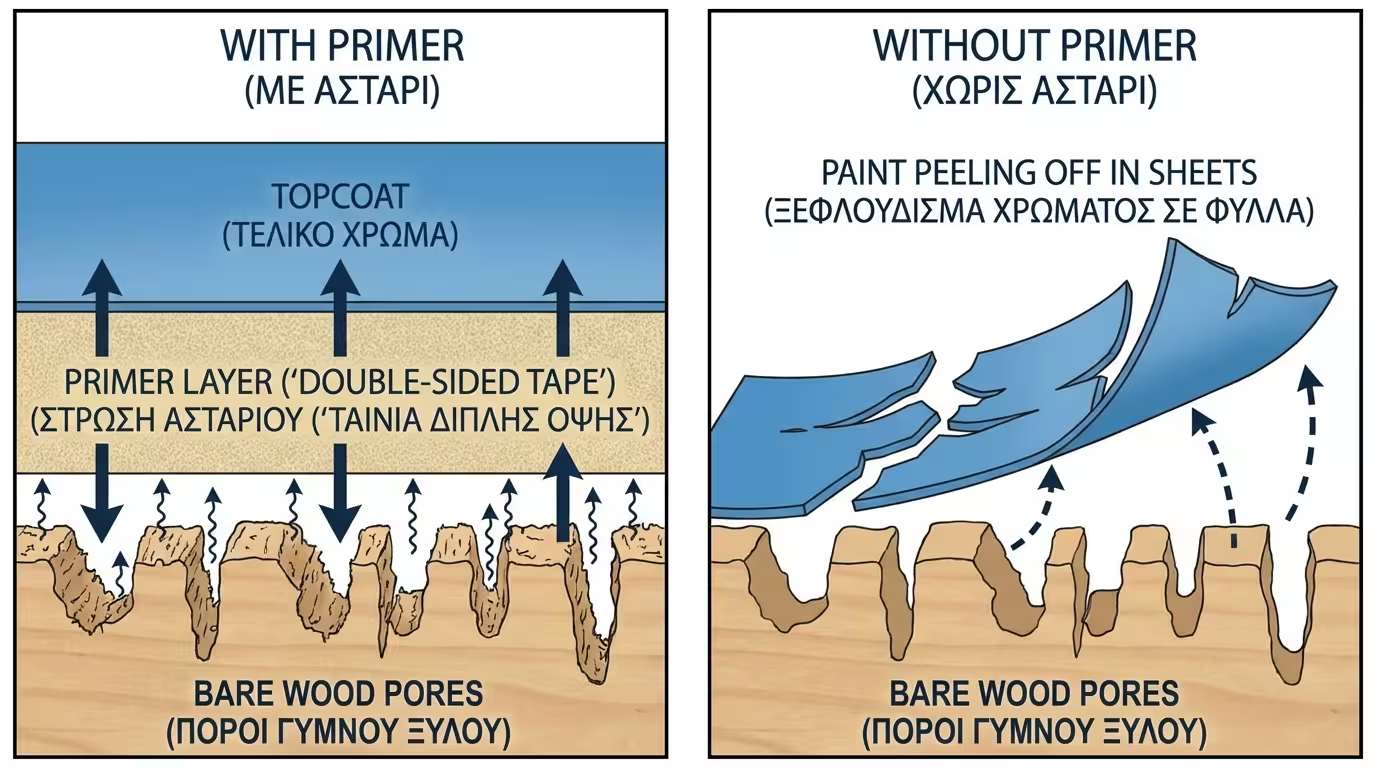
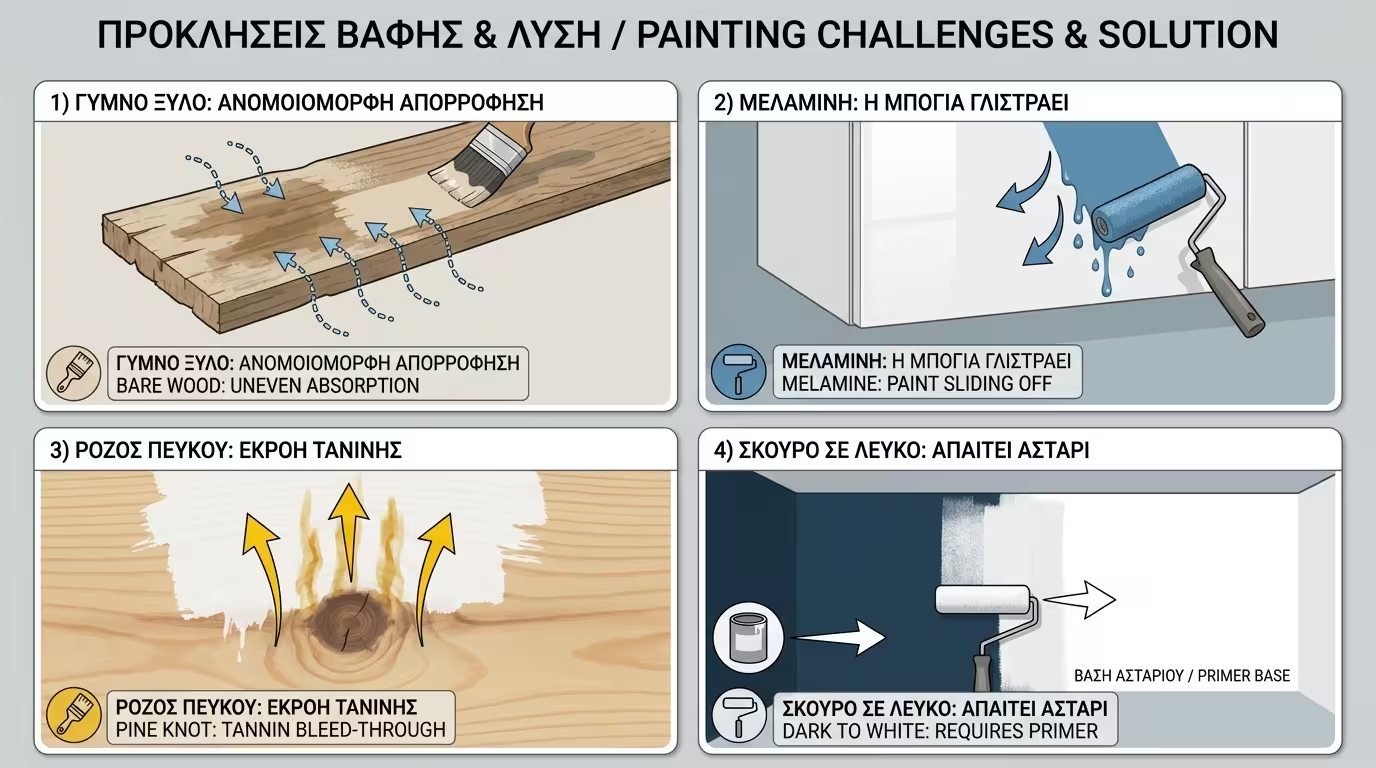
Natural wood is porous - without primer, paint absorbs unevenly, leaving a rough surface. Primer seals pores and creates a smooth base.
The secret doesn't lie in the topcoat, but in the correct priming - the "glue" and barrier that ensures adhesion, durability, and stain prevention.
Primer acts as double-sided "glue" and an insulating barrier:
Natural wood is porous - without primer, paint absorbs unevenly, leaving a rough surface. Primer seals pores and creates a smooth base.
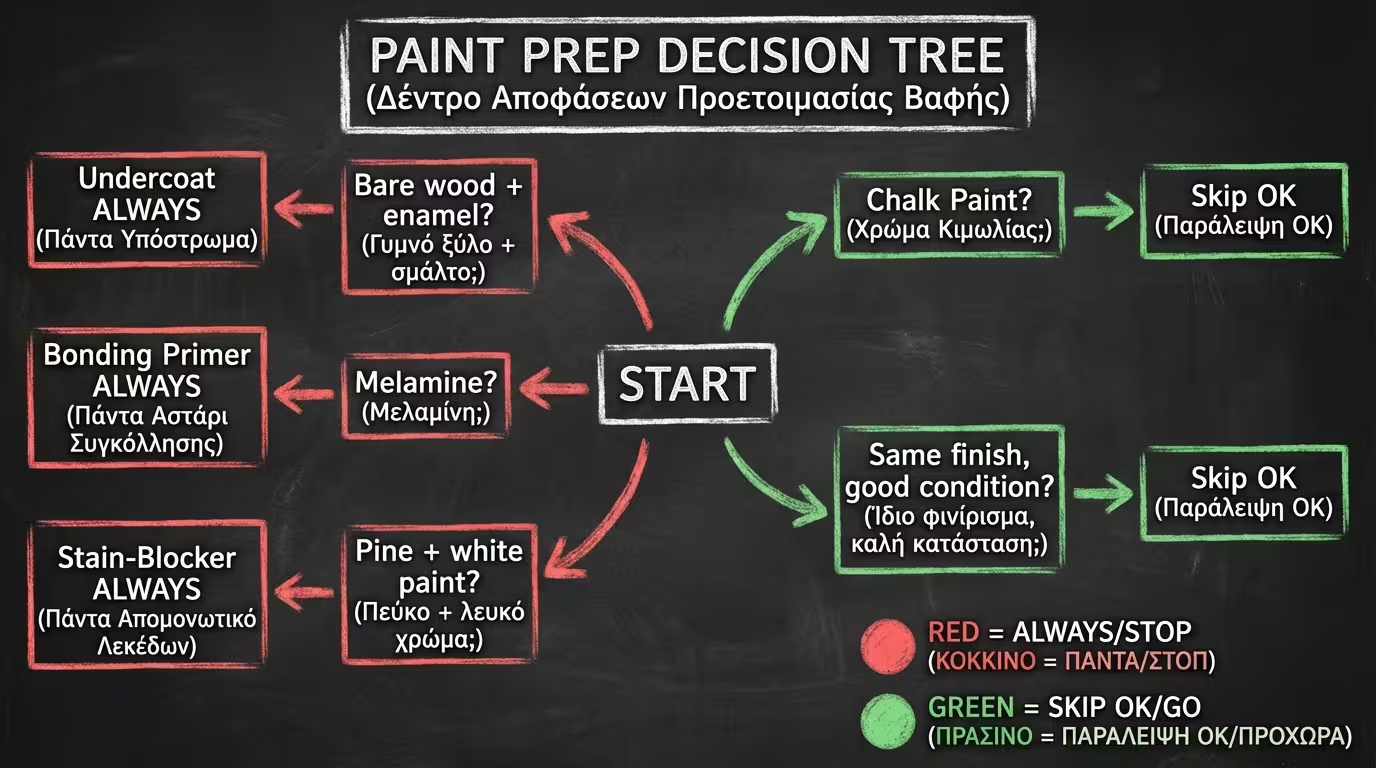
Smooth, non-porous surfaces. Without a Bonding Primer the acrylic paint has nothing to grip = peeling guaranteed.
Natural oils "bleed through" white paint → yellow/brown stains. A specialised Stain-Blocker is required for permanent isolation.
The primer penetrates wood pores and "hooks" into the grain. If a surface is too smooth (burnished), the primer cannot anchor, which is why light sanding is always essential for mechanical bonding.
Bonding Primers contain specific resins that create a chemical bond with difficult surfaces (glass, melamine). They don't rely solely on roughness, but on molecular polarity.
There are exceptions to the rule:
Adheres to almost anything without primer or sanding - just degrease. But: must seal afterwards (wax or varnish)!
Matte/satin acrylic in excellent condition (no peeling) + similar shade = just clean and paint directly.
Not all primers work for every job:
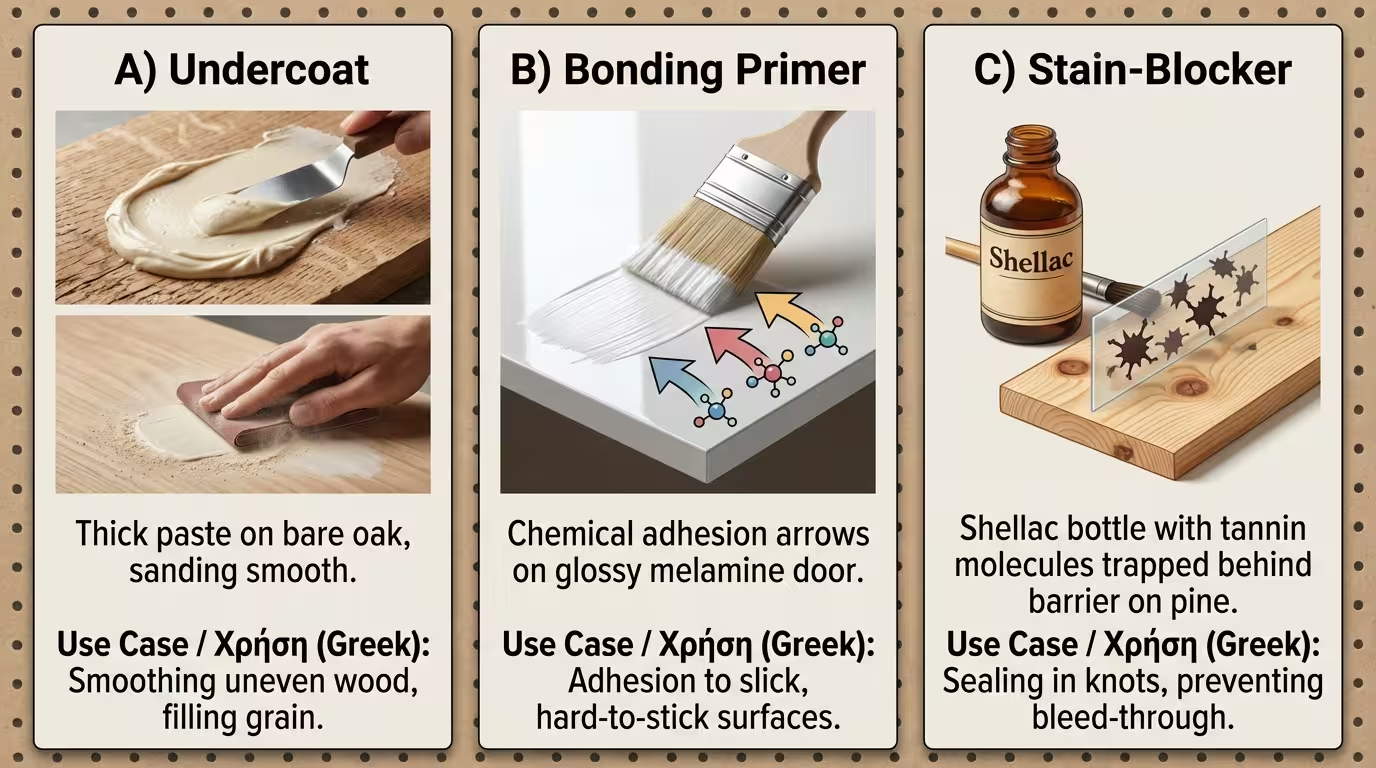
Thick base coat for bare wood/MDF. Fills pores/grain perfectly, sands easily, creates the ideal smooth base before enamel.
For melamine, laminate, glossy lacquer. Bonds like "glue" to smooth surfaces. Available in excellent eco-friendly water-based formulas.
For tannins, nicotine, and odours. Shellac-based (Zinsser B-I-N) is the ultimate barrier. Since tannins are water-soluble, they cannot dissolve through alcohol-based shellac, whereas they easily penetrate ordinary acrylic primers.
Follow this simple guide:
Undercoat ALWAYS. Seals pores, blocks tannins, strong adhesion.
Bonding Primer ALWAYS. The only way to prevent peeling.
Stain-Blocker ALWAYS. Without it, tannins will bleed through and stain.
You can skip (if the surface is clean/degreased).
💡 Dark → white colour change? A white primer reduces the number of topcoats and saves time!
Critical standards for professional renovations:
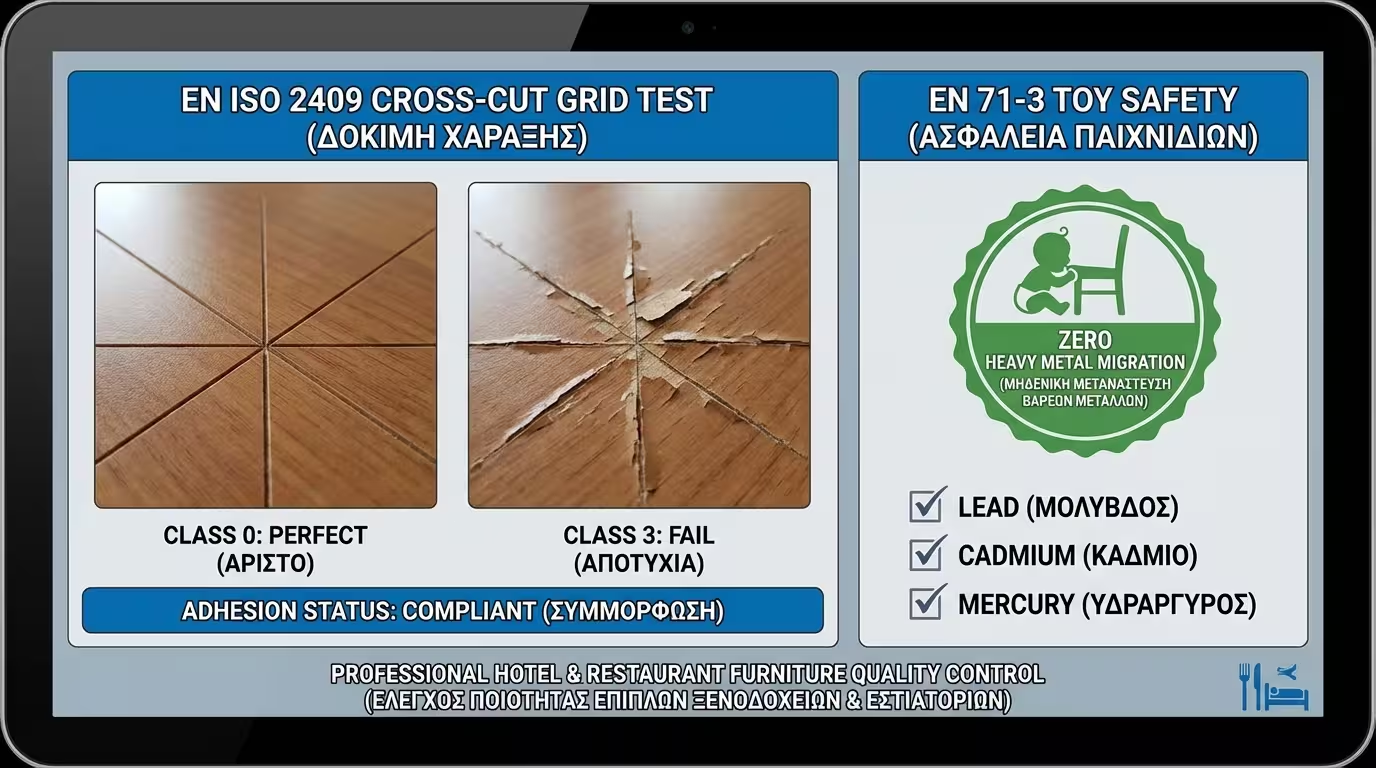
Adhesion test: grid scoring + tape pull → Class 0-1 = pass. Mandatory in professional contracts.
Toy safety standard: zero migration of heavy metals (lead, cadmium, mercury) even if a child bites/licks the piece.
💡 Rushing is the worst enemy. Invest time in the right primer - it will lock stains, ensure the paint never peels, and give your furniture the second life it deserves.
Return to category.
Go to categoryReturn to the central guide.
Go to guide