Deep penetrating
Penetrates deep into friable plaster and stabilises internally. Ideal for old surfaces with deterioration or chalking.
Why primer is not optional
Primer is not "diluted paint". It is a specialised product that performs three critical functions within a paint system.
It stabilises the substrate by penetrating into the plaster pores. It regulates absorbency so that paint spreads evenly. It ensures adhesion between substrate and final film.
Without proper primer, a paint system's service life can drop by 40–50%.
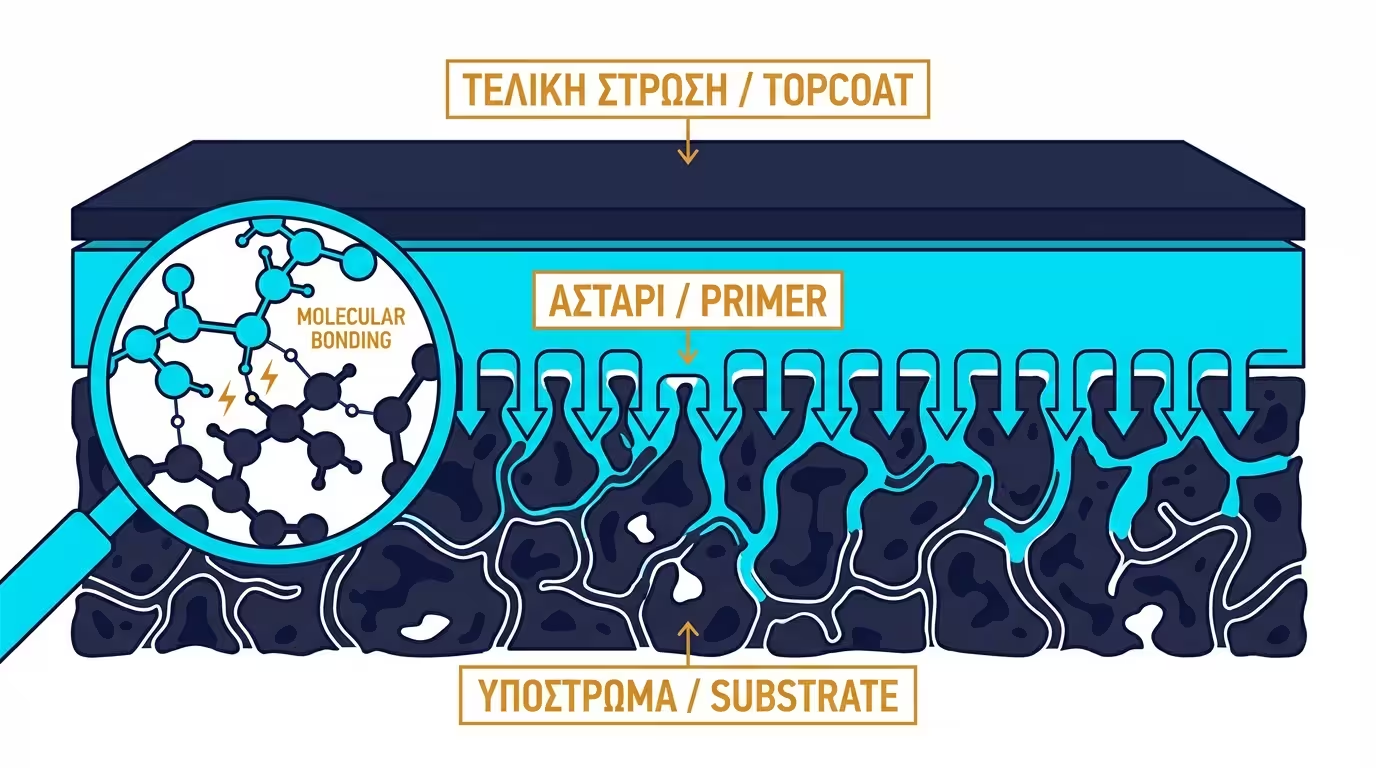
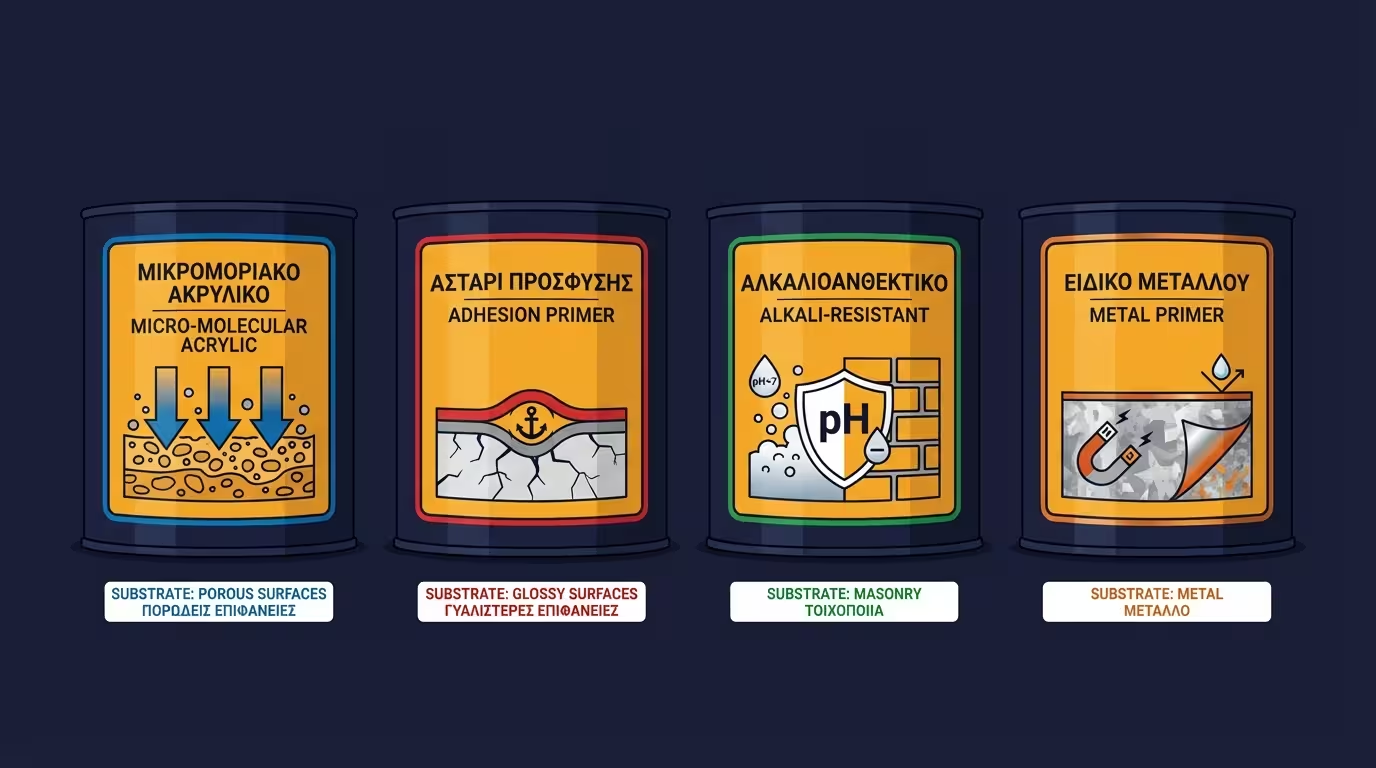
Each substrate and each problem requires a different primer type. The right choice depends on the condition of the surface.
Penetrates deep into friable plaster and stabilises internally. Ideal for old surfaces with deterioration or chalking.
Creates a rough surface on smooth or non-absorbent substrates - polished concrete, old oil-based paint, tiles.
Barrier against alkalis on fresh plaster or concrete. Prevents saponification and premature paint system failure.
For special cases: damp substrates, metal surfaces, wood. High durability but also higher cost.
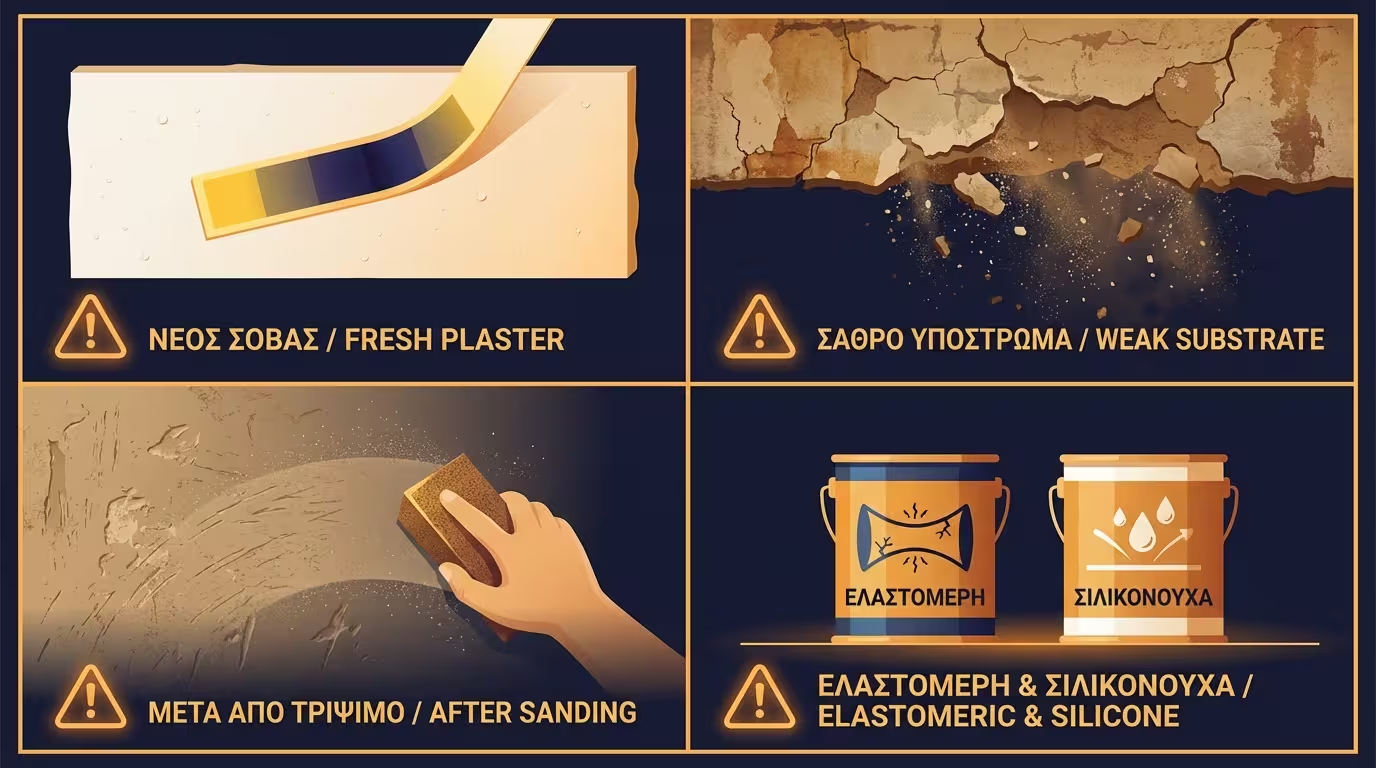
There are scenarios where skipping primer isn't just a mistake - it's a guaranteed failure. The table below shows when it's technically mandatory.
| Scenario | Primer type | Why |
|---|---|---|
| Fresh plaster (<28 days) | Alkali-resistant | Prevents saponification |
| Friable surface | Deep penetrating | Stabilisation before painting |
| Smooth concrete / tiles | Bonding | Creates a rough base |
| System change | Bonding | Bridge between incompatible systems |
| Stains / efflorescence | Specialised blocking | Prevents stain bleed-through |
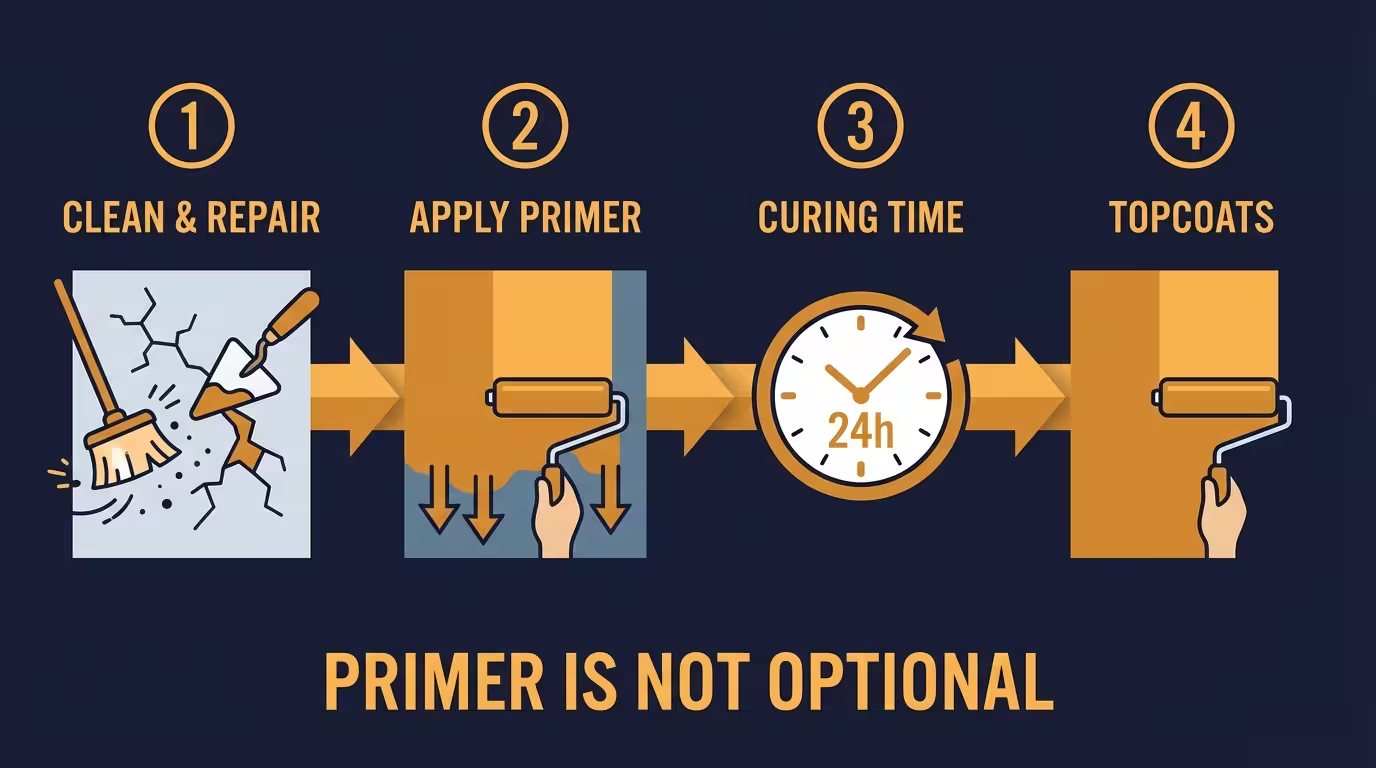
Applying primer is not "just slap on a coat". It requires a clean surface, correct dilution ratio, and sufficient drying time.
Remove dust, chalk, loose layers, and contaminants. Primer must contact a stable substrate - not dust.
Stir well before use. Dilute only according to manufacturer instructions - never "by feel".
Apply evenly with roller or brush. Avoid primer pooling in cavities - it should penetrate, not form puddles.
Respect the drying time before applying paint. Premature painting over wet primer drastically reduces adhesion.
"Diluted paint replaces primer" - Wrong. Diluted paint lacks the micro-molecules that penetrate the substrate. It stabilises only the surface.
"New plaster doesn't need it" - Wrong. Fresh plaster needs primer more than old plaster - alkalinity, unstabilised pores, high absorbency.
"One coat is enough" - It depends. On highly absorbent substrates, a second coat may be needed for full saturation.
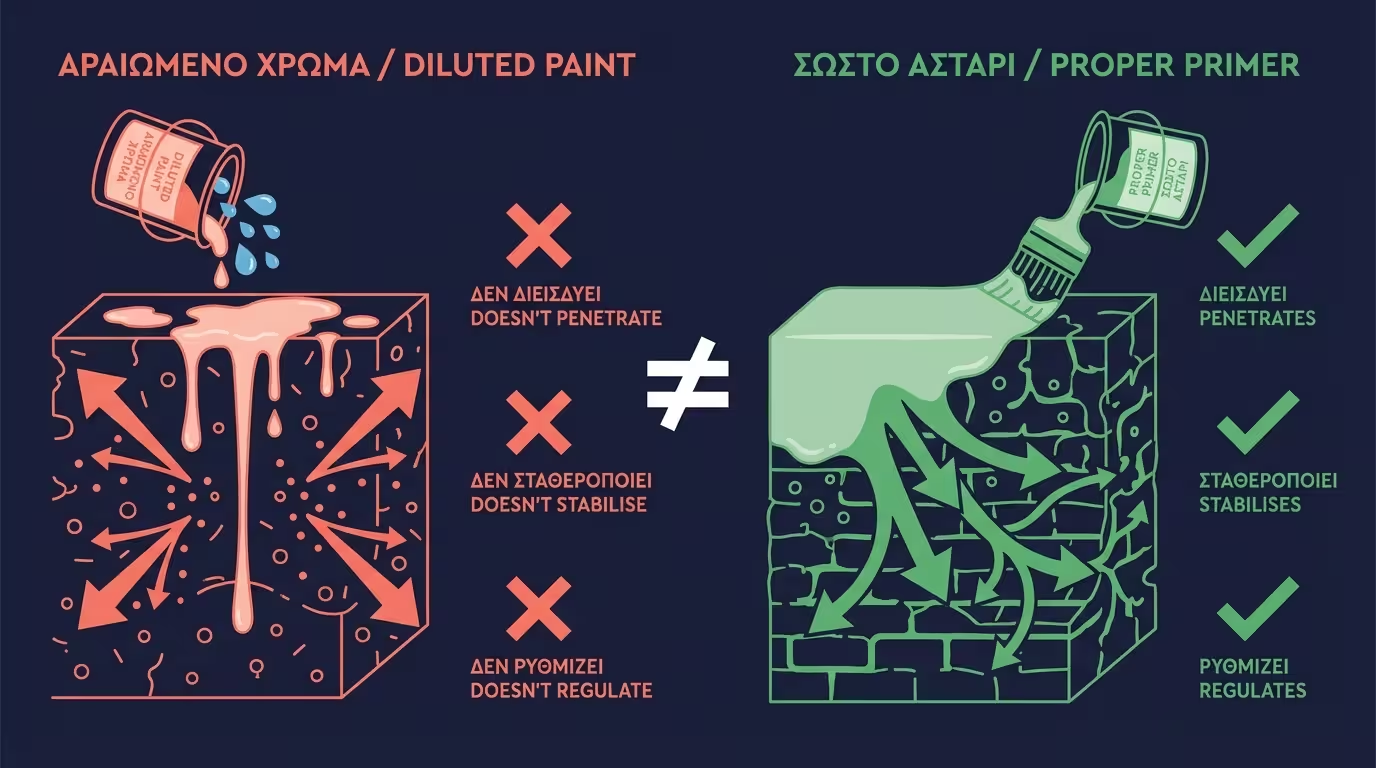
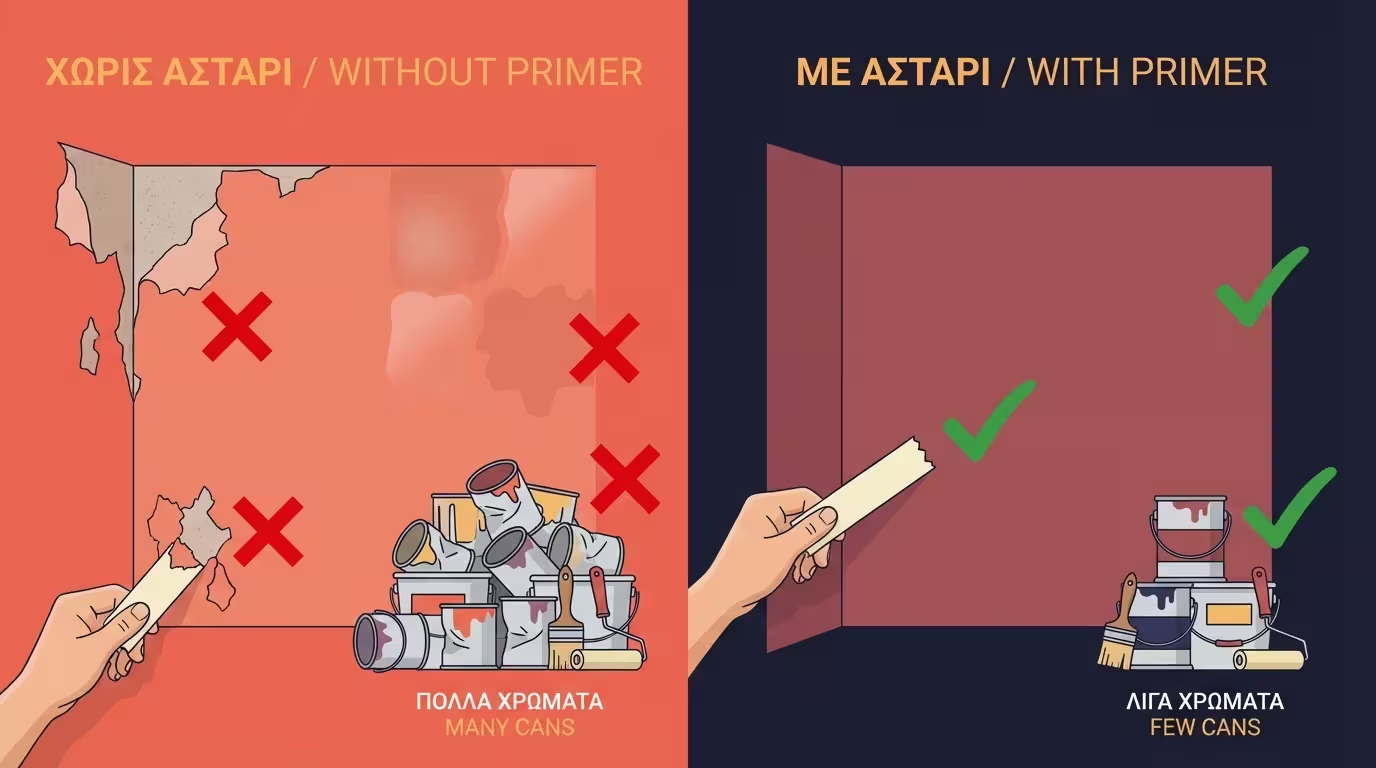
Skipping primer isn't a saving - it's an invitation for premature failure. The consequences appear within months.
Paint doesn't bond properly with the substrate. It delaminates in sheets, especially in areas with moisture or thermal stress.
High-absorption spots "drink" the paint. The result is inconsistent tone or sheen across the surface.
Without stabilisation, substrate moisture gets trapped beneath the film and creates bubbles.
Adhesion, uniformity, and film protection are significantly compromised. A 10-year system may last only 4–5 years.
Return to category.
Go to categoryReturn to the central guide.
Go to guide