✅ Natural Beauty
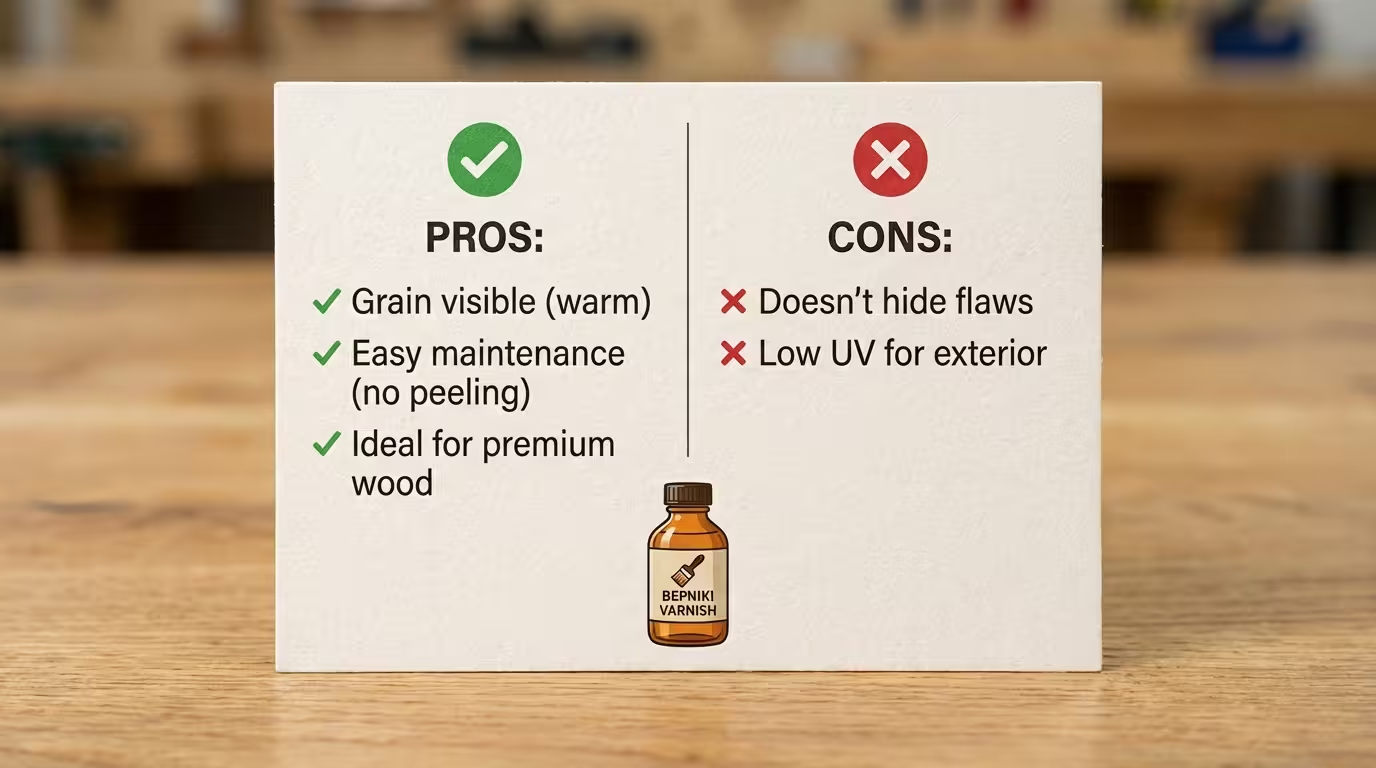
The wood grain remains visible, adding warmth and timeless value to the construction.
This choice isn't just about aesthetics. It fundamentally affects preparation, application difficulty, and the wood's resistance to weather and time.
This category includes clear varnishes (film-forming or polyurethane), penetrating oils, and semi-transparent stains that add a subtle tone while keeping the grain visible.
The wood grain remains visible, adding warmth and timeless value to the construction.
Oils/impregnations never peel. Maintenance: clean + re-coat, without exhaustive sanding.
Solid oak, walnut, Teak, Iroko - using opaque paint here is considered sacrilege. The transparent system honours your investment.
Scratches from poor sanding, stains, discolouration are fully exposed under the finish.
Without pigments, UV radiation penetrates the film and breaks down the lignin (the "glue" of wood cells). This leads to greying of the wood and eventual detachment of the varnish film from the substrate.
In opaque systems, the pigments completely hide the wood. The result: a solid, coloured surface (e.g. white cabinets, grey doors).
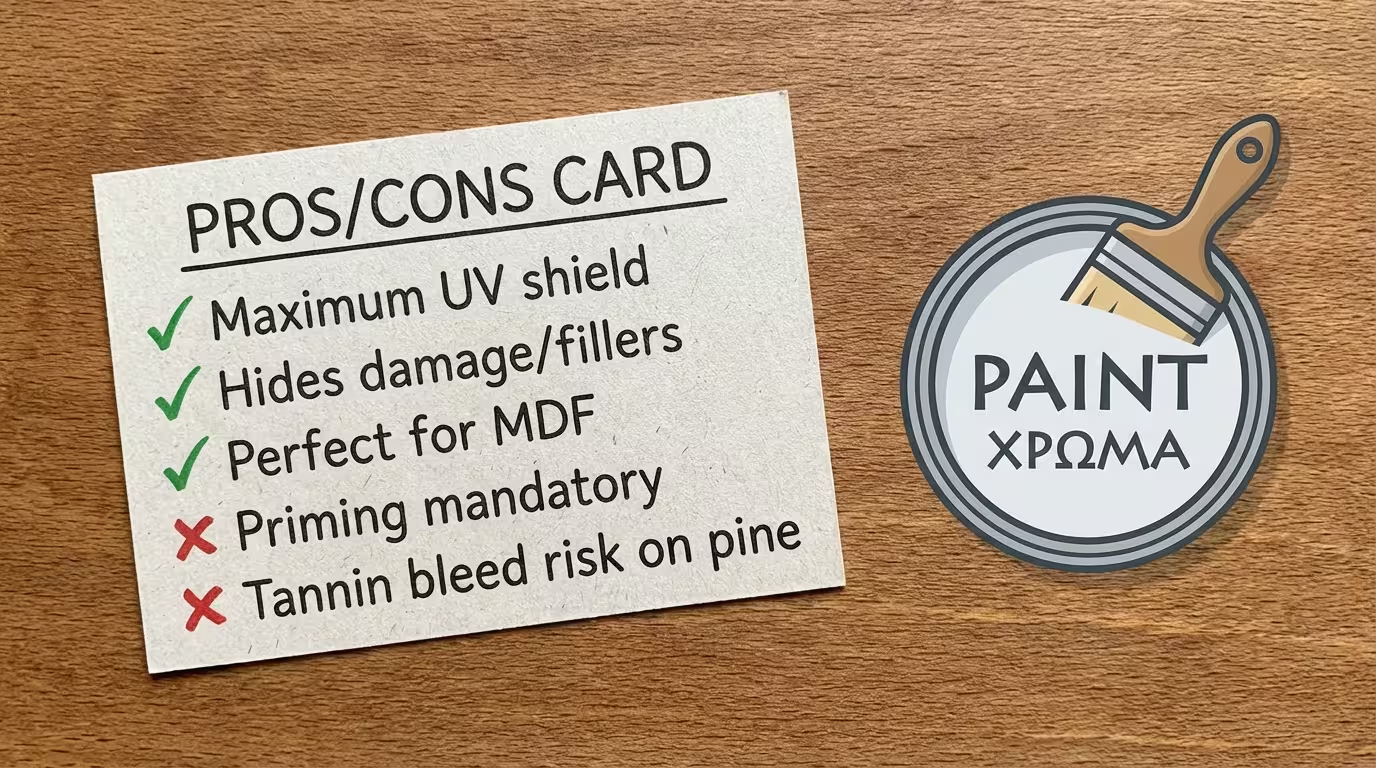
Dense pigments = absolute shield. According to the Beer-Lambert Law, as pigment concentration and film thickness increase, UV transmittance decreases, protecting the lignin from photodegradation far better than clear coats.
Holes, fillers, damage all disappear. Uniform, flawless "canvas".
No natural grain → made exactly for opaque systems. Modernises old, dark constructions.
Undercoat + intermediate sanding mandatory. Stain-blocker if the wood bleeds tannins (pine/cedar + white = yellow stains).
Consider the surface condition and your end goal:
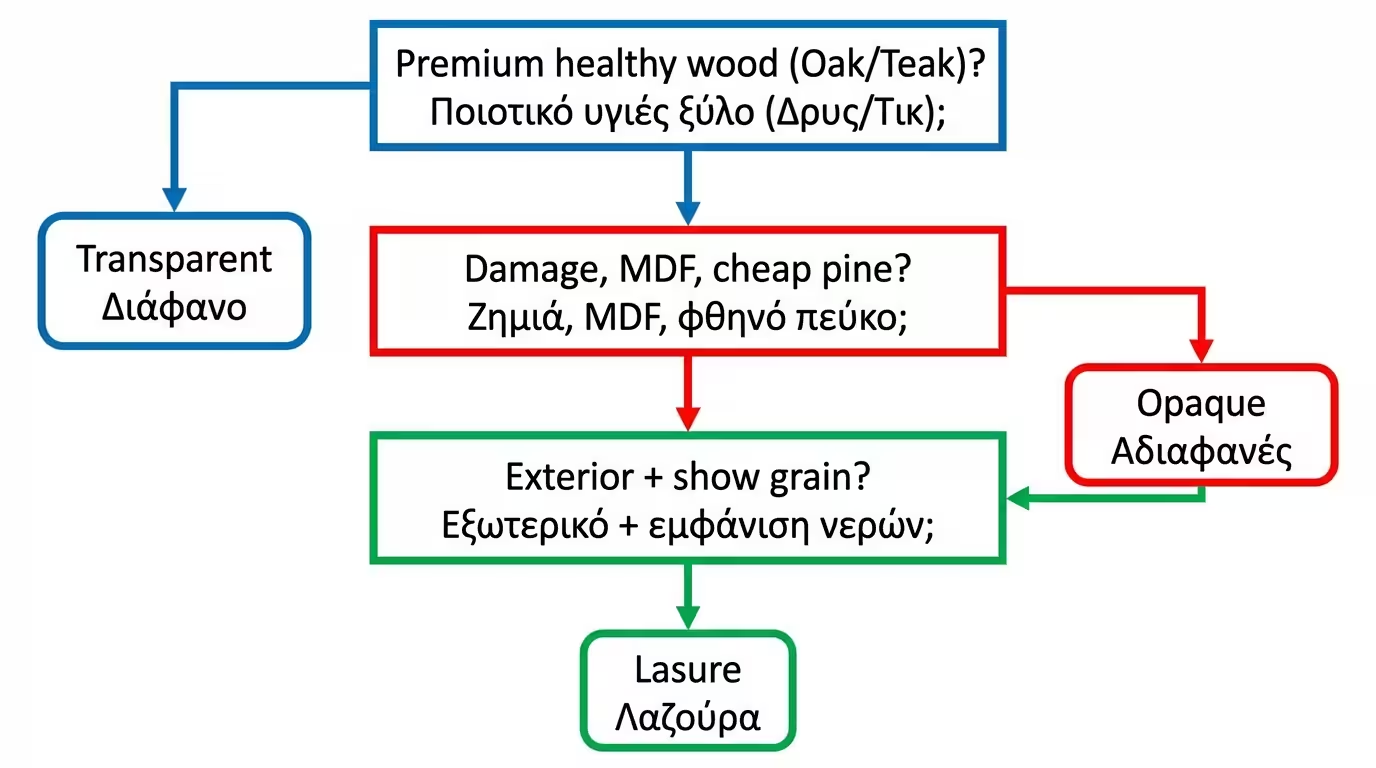
Oak, Teak, Walnut, new and without fillers → Transparent system (varnish/oil). Honour its character.
Refinishing old furniture, MDF constructions, budget timber → Opaque (enamel/lacquer). Modern factory look.
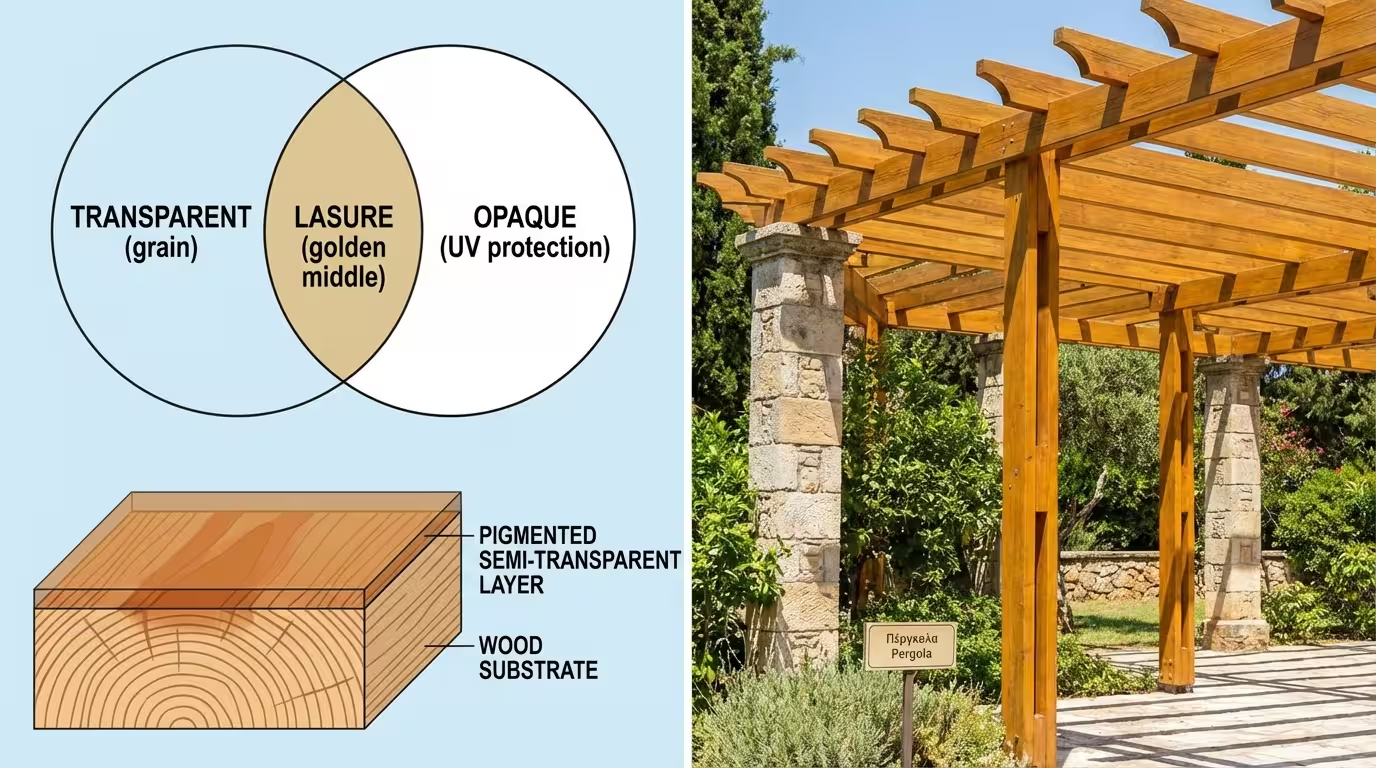
Pergola, deck, external joinery → Lasure (the golden middle). UV + grain + no peeling.
For professionals seeking balance in exterior work, semi-transparent wood stains (Lasures) are the golden middle. They utilize micro-pigments that absorb UV radiation without masking the grain. Their failure mechanism is gradual erosion rather than cracking or peeling, making maintenance significantly simpler.
💡 Lasures are the number one choice for exterior timber - UV protection, won't peel, grain visible. Ask us which one suits your wood.
Return to category.
Go to categoryReturn to the central guide.
Go to guide