

Paints & Varnishes for Wood
Return to category.
Go to categoryWhen the time comes to protect or renew a wooden surface - whether it's an old piece of furniture, the living room floor, or wooden window frames - the first question at the paint store is: "Should I get clear (colourless) or tinted varnish?"
This choice is not just a matter of taste and decoration. It hides important technical differences concerning the longevity of the wood, its protection from the sun, and the level of application difficulty.
Wood can take on an entirely different appearance depending on whether the varnish contains pigments or not. This seemingly simple choice drastically affects UV protection, application difficulty, and the final aesthetic result - especially for those doing DIY.
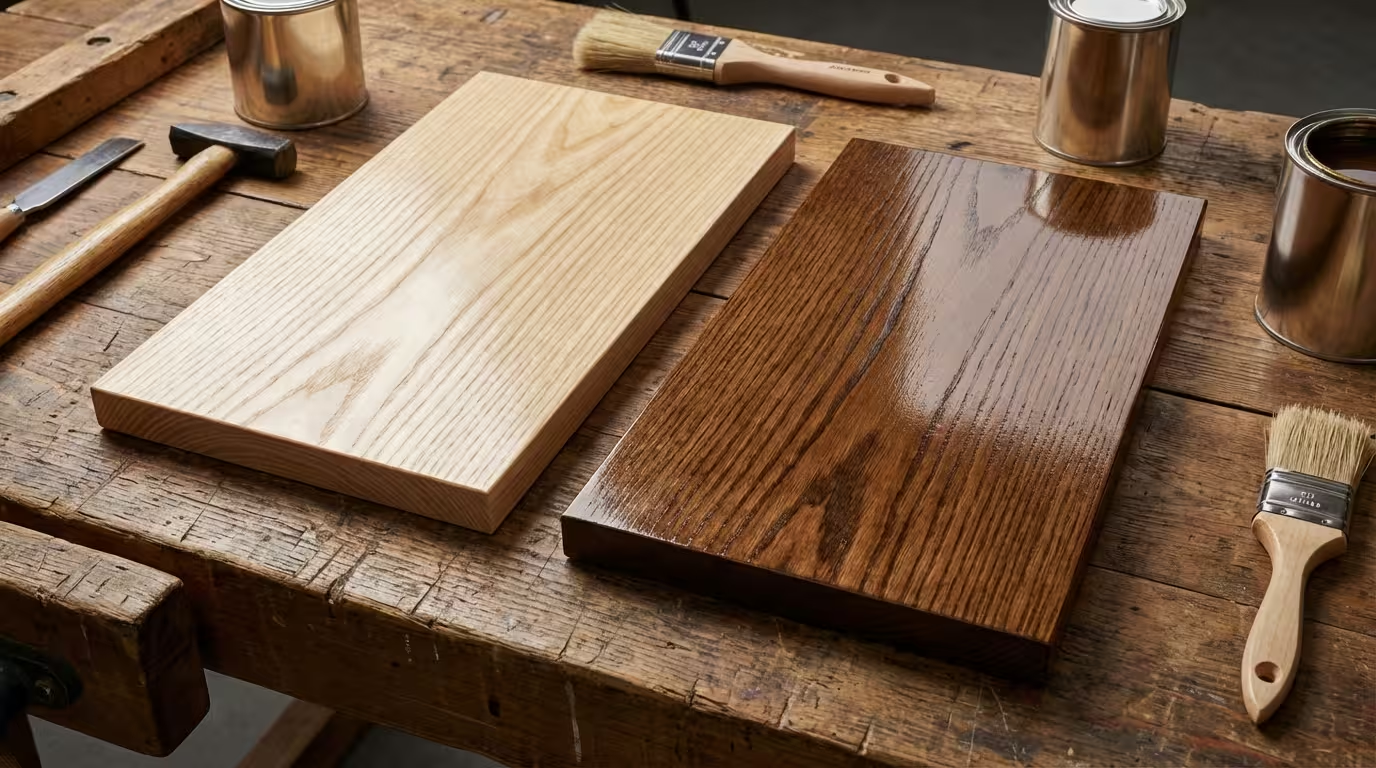
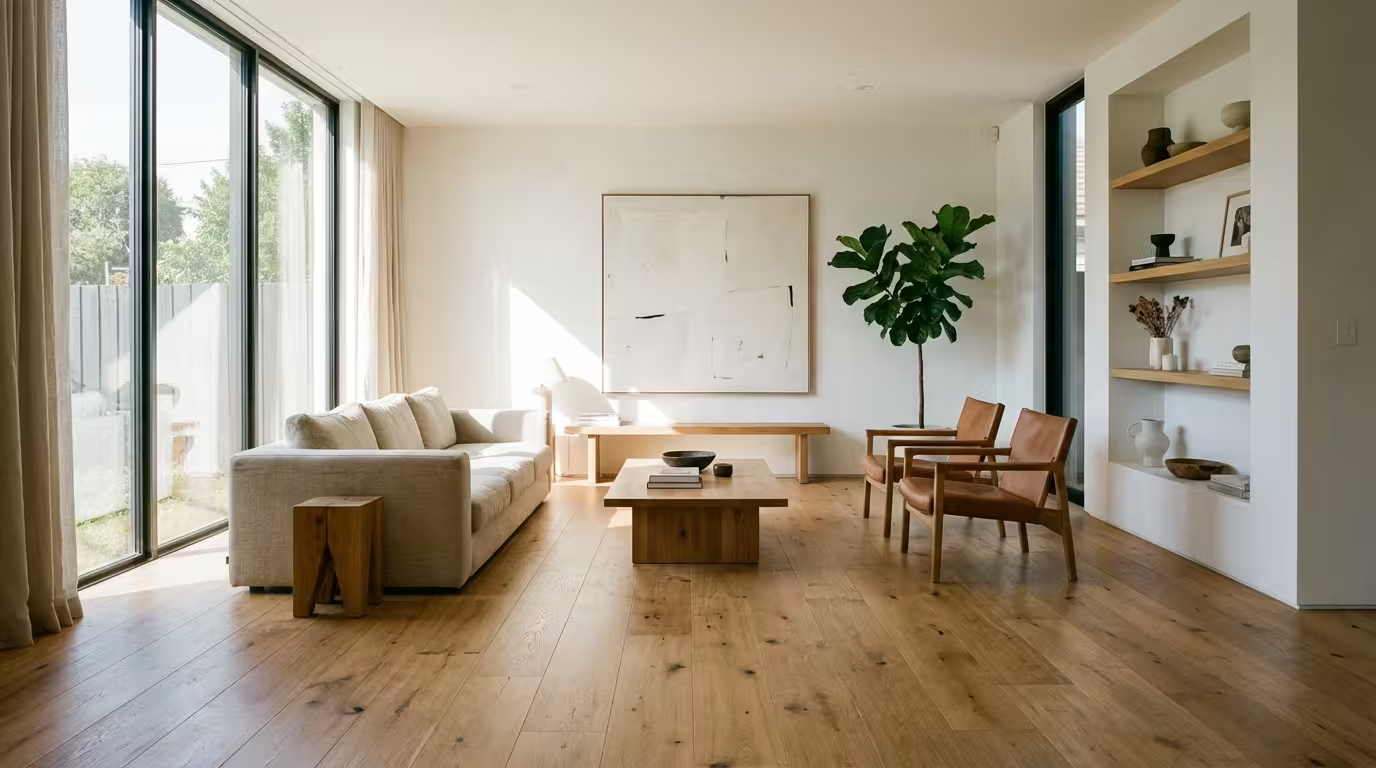
Clear varnish does not contain pigments. Its purpose is to "seal" the wood by creating a protective film while allowing its natural appearance to take center stage. It highlights the grain without altering it - perfectly fitting modern minimalist trends (e.g., on light-coloured oak or pine).
It is much more "forgiving" of mistakes: if you pass over a spot twice (overlap) during application with a brush, no difference will be visible. Ideal for beginner DIYers.
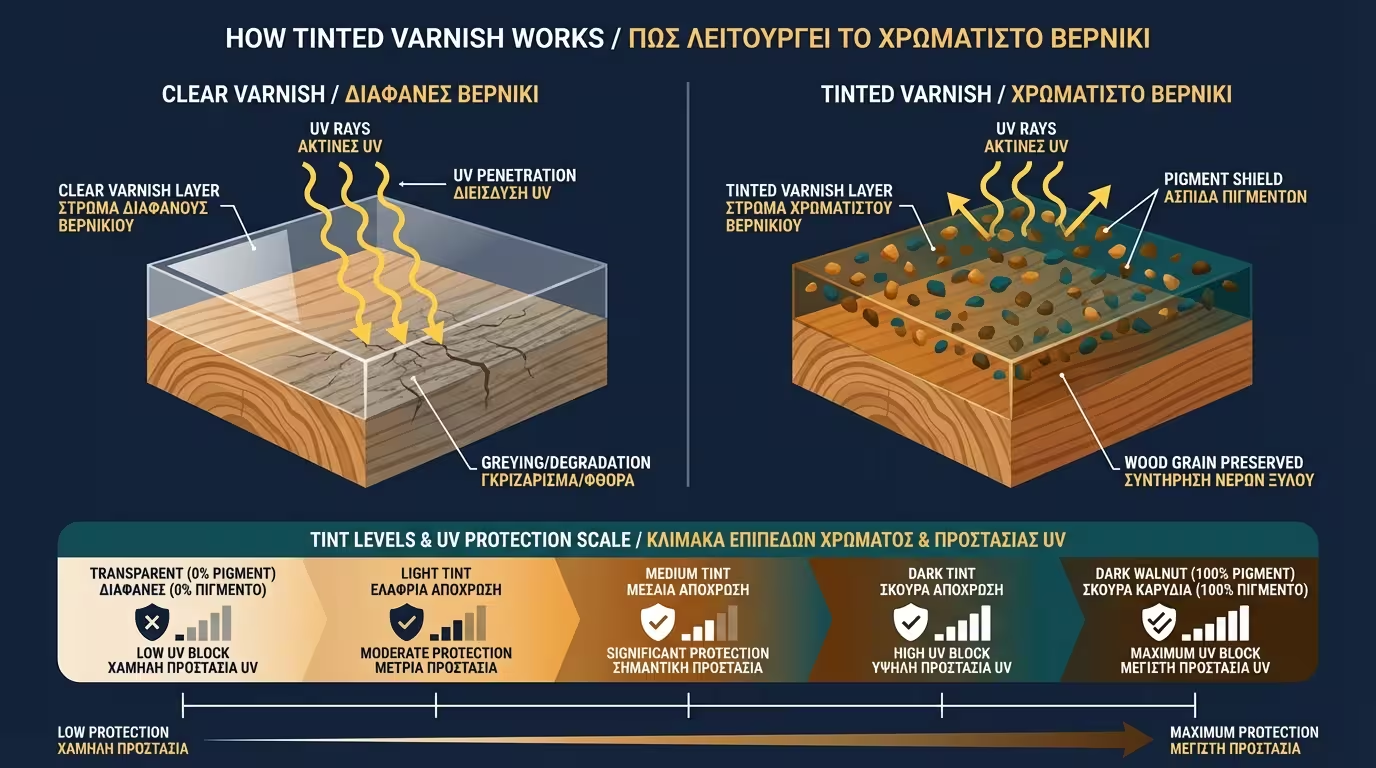
Disadvantages: Although modern clear varnishes are reinforced with chemical UV filters, they generally lag in sun resistance compared to tinted ones, as the physical shield of pigments is absent. Also, if the wood has stains, discolouration, or is made of different pieces, clear varnish will make them all visible.
Tinted (or smoked/semi-transparent) varnish contains a percentage of pigments. It does not completely cover the wood like an enamel paint (ripolin), but it changes its hue while letting the grain show through slightly. The pigments work exactly like sunscreen on our skin: they absorb and block destructive UV radiation, preventing it from "burning" the wood (greying).
You can take a very cheap white wood (like pine) and make it look like expensive walnut, mahogany, or teak, giving it nobility and depth. It also covers discolourations and offers a uniform result.
DIY Difficulty: This requires technique. If the brush passes over a spot you have already painted (overlap), the colour in that spot will become twice as dark, creating unsightly "shadows" and streaks. With each additional "coat" you apply, the wood darkens more and its natural grain is lost.
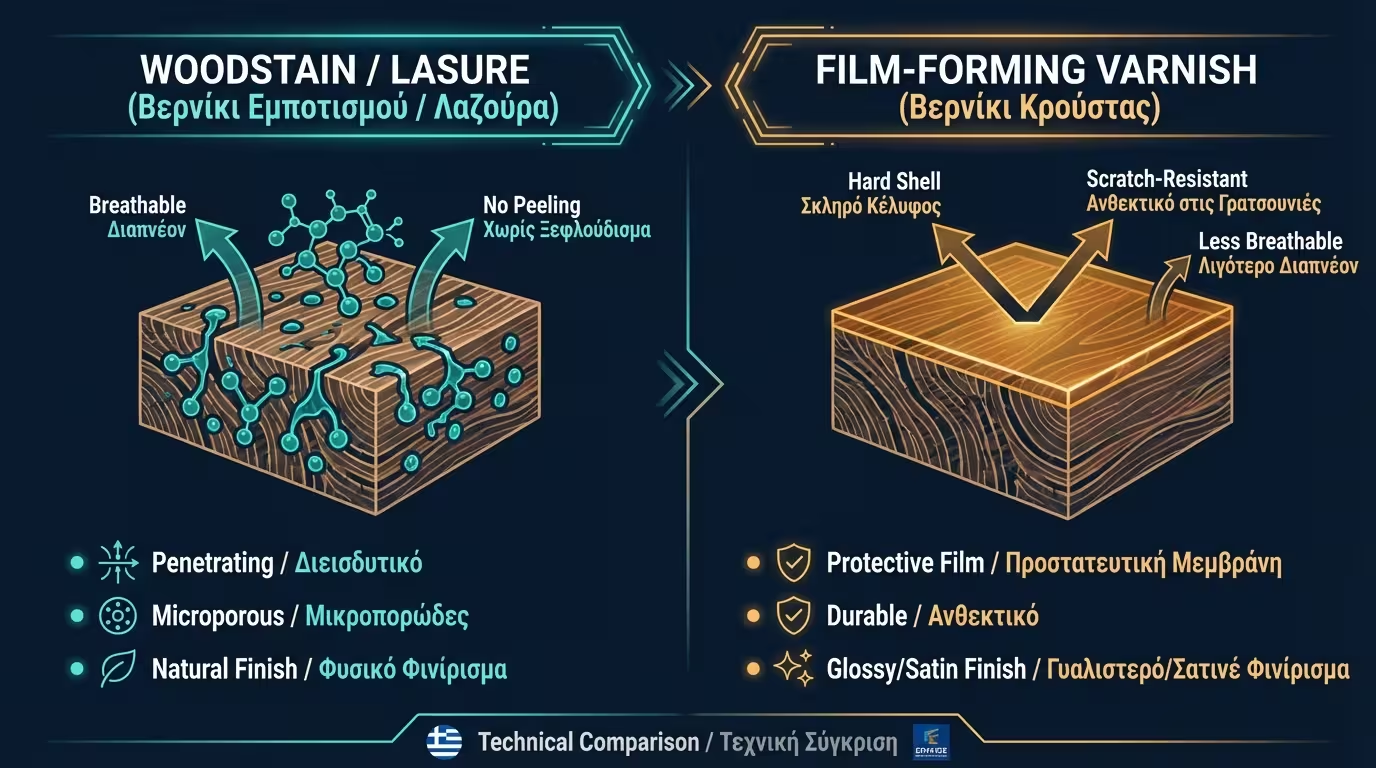
Woodstains (Lasure): Penetrate the pores, let wood breathe, never peel. Contain biocides against rot & mould. Ideal for exterior maintenance.
Film-forming Varnish: Hard, thick layer like glass. Excellent scratch resistance but less breathable. Ideal for floors & tables.
DIY Tip: For colour AND visible grain, apply a water-based stain first for colour depth, then seal with 2 coats of clear varnish.
Step 1 - Where is the wood located? Is it outdoors and hit by the sun? (Pergolas, Shutters) → Strictly choose Tinted Woodstain (Lasure). Clear varnishes have less durability in outdoor sunlight. Is it inside the house? → Proceed to Step 2.
Step 2 - Do you like the natural colour? Yes, it is beautiful (e.g., natural oak) → Choose Clear Varnish (ideally water-based/acrylic, so it doesn't yellow). No, it looks cheap or old → Choose Tinted Varnish in the shade you desire.
Step 3 - How much experience do you have? Beginner DIYer on a large flat surface (e.g., dining table) → Prefer Clear Varnish (forgives brush mistakes). Experienced or professional → You can work fearlessly with Tinted Varnishes or a combination of stain + clear varnish for a premium finish.
Return to category.
Go to categoryReturn to the central guide.
Go to guide