✅ Filament Physics
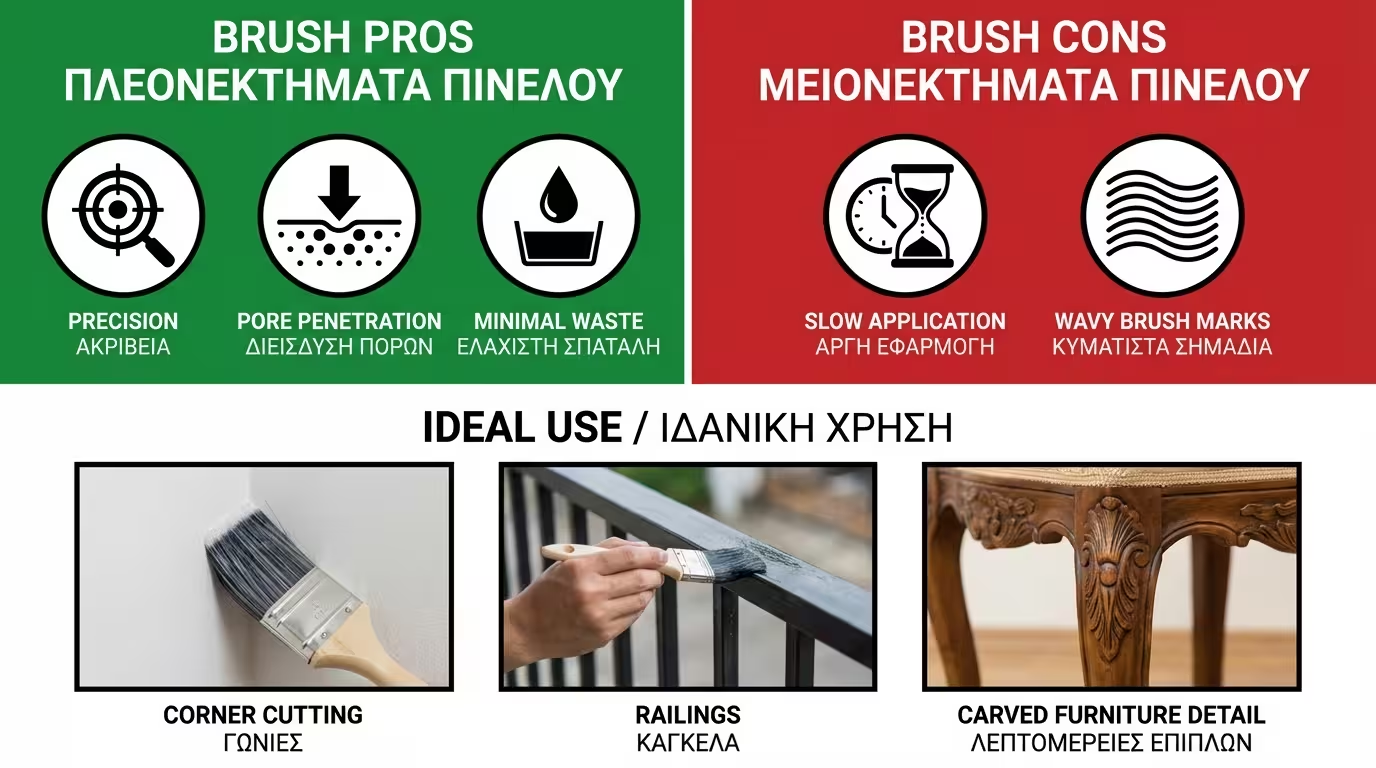
Natural bristle brushes feature microscopic scales that hold paint via capillary action, while synthetic filaments (polyester/nylon) are tapered for smooth release, making them ideal for tension-sensitive water-based coatings.
Choosing the right tool is half the secret - an expensive paint can look terrible if applied with the wrong method.
The oldest and most basic tool - largely replaced for large surfaces, but still irreplaceable:
Natural bristle brushes feature microscopic scales that hold paint via capillary action, while synthetic filaments (polyester/nylon) are tapered for smooth release, making them ideal for tension-sensitive water-based coatings.
Brush marks and uneven thickness come easily in amateur hands, especially with fast-drying paints.
"Cutting in" edges (wall-ceiling), skirting boards, railings, carved furniture, small tricky details.
The roller changed how we paint our homes. With the right nap length, it adapts to any surface:
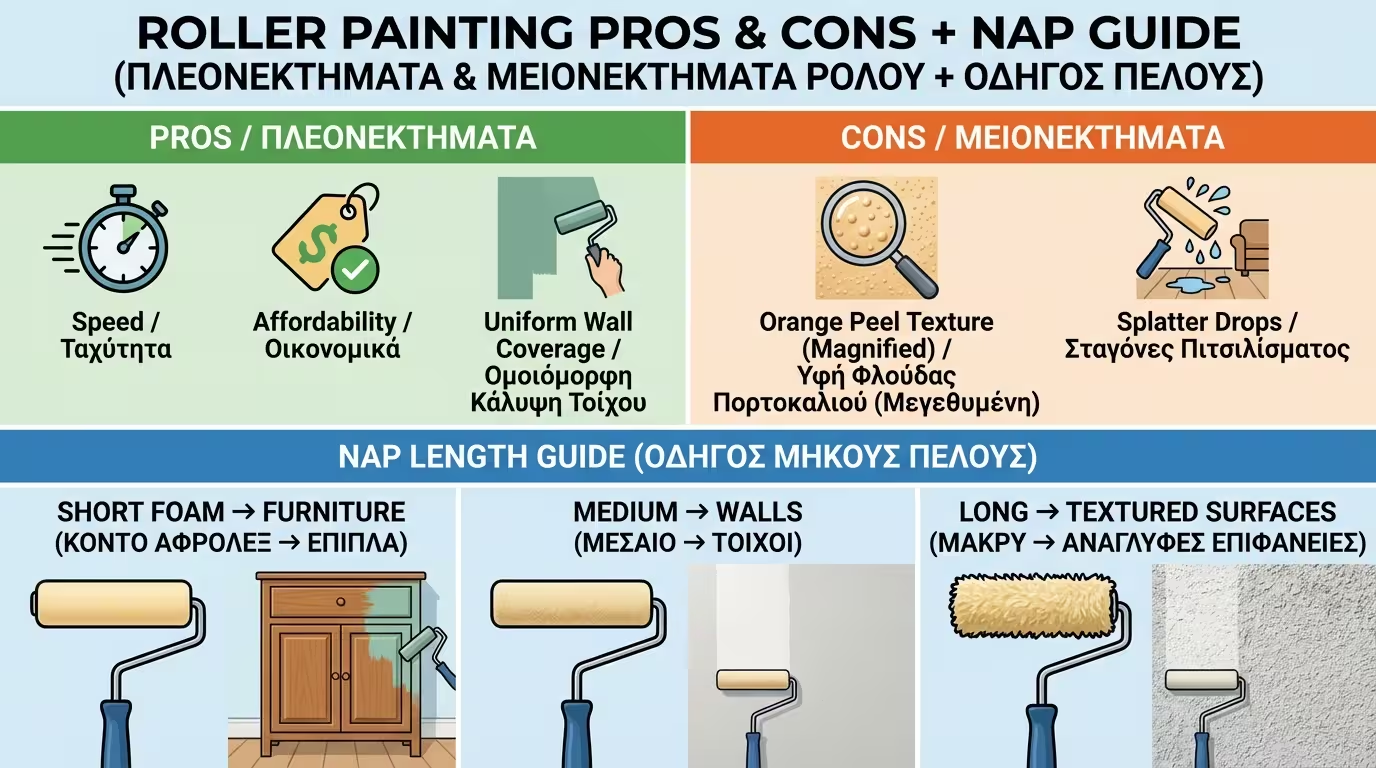
Covers large flat surfaces uniformly, transferring adequate amounts of paint.
Slight stippled texture - unwanted on smooth furniture. Splatter if not properly drained in the tray.
Interior walls, ceilings, large flat wood surfaces (short-nap foam or microfibre roller for cabinet doors).
The only way to achieve a perfectly smooth, "factory" finish. Two entirely different technologies:
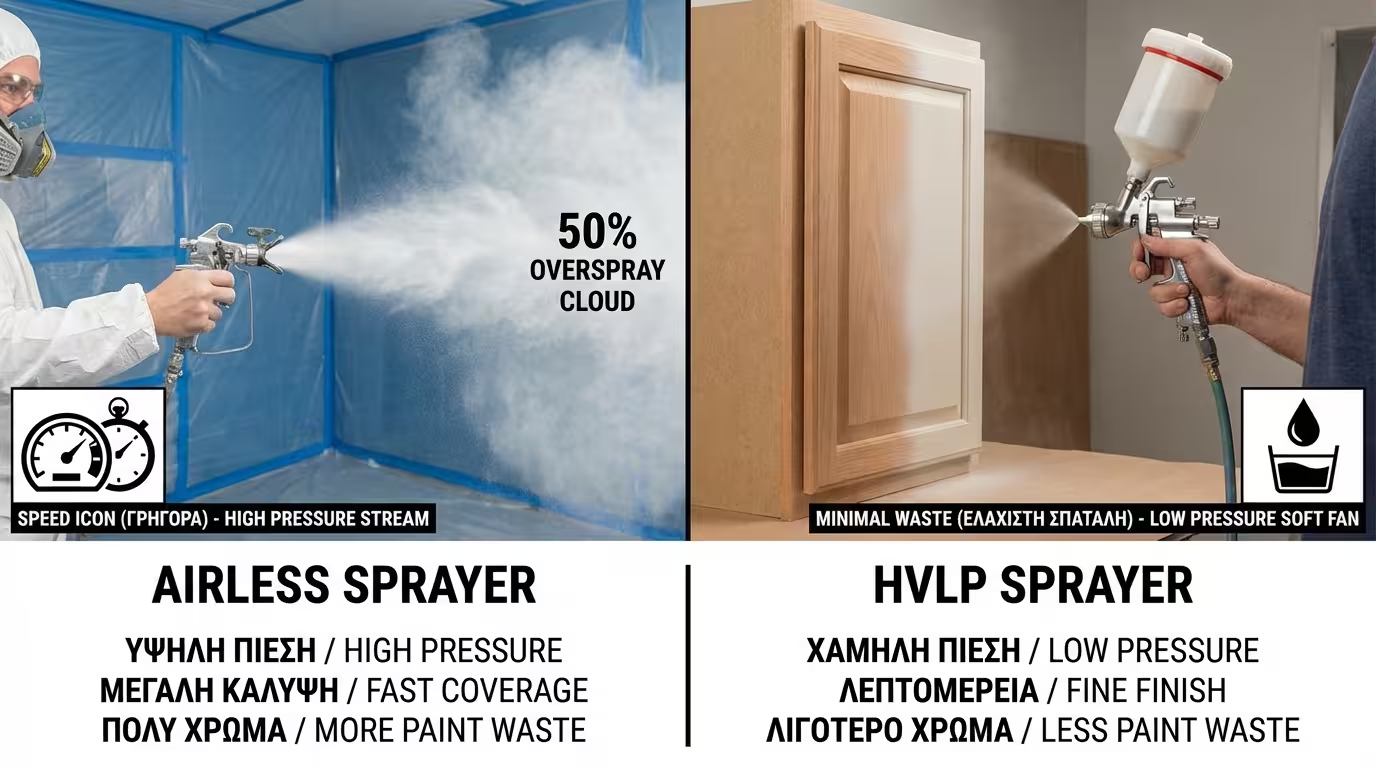
Massive speed. Paint reaches every crevice - perfect for textured plaster/brick. But: 50% overspray → must mask the entire room. In inhabited homes, masking time exceeds painting time!
Uses a high volume of air at low pressure to achieve fine atomization of droplets. This creates a "soft" spray cloud with high transfer efficiency (>65%) and superior leveling, essential for professional furniture lacquering.
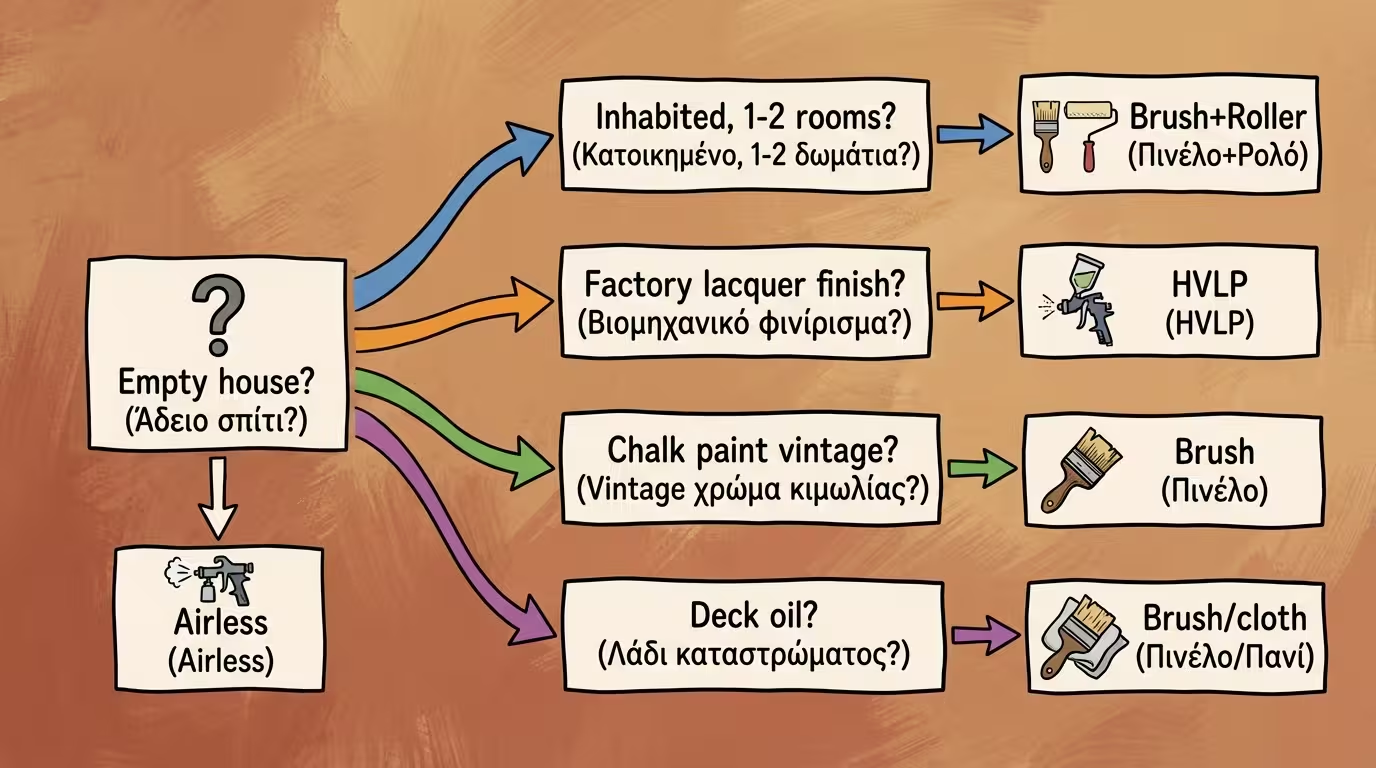
Answer these questions to find the ideal tool for your project:
→ Airless. No furniture worries. Hundreds of m² in a fraction of the time.
→ Brush (edges) + Roller (walls). The "king" of home renovations.
→ HVLP. The only way to avoid brush marks and orange peel. Controlled spray.
→ Brush. The bristle marks = authenticity and shabby chic texture!
→ Brush or cloth. Oils must be worked mechanically for deep penetration - spraying alone won't cut it.
💡 There's no "best tool overall" - only the best tool for the specific job. Ask us and we'll guide you.
Return to category.
Go to categoryReturn to the central guide.
Go to guide