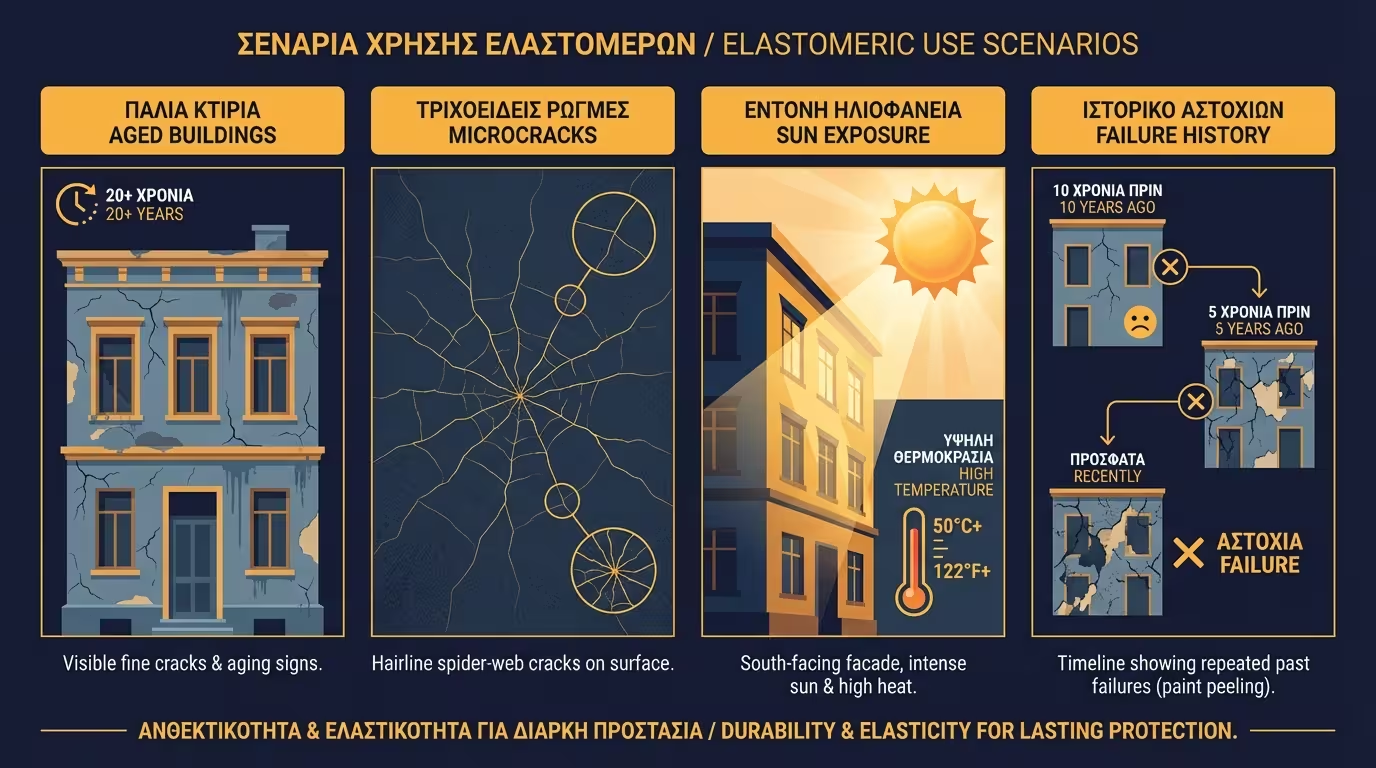
Aged buildings (15–25+ years)
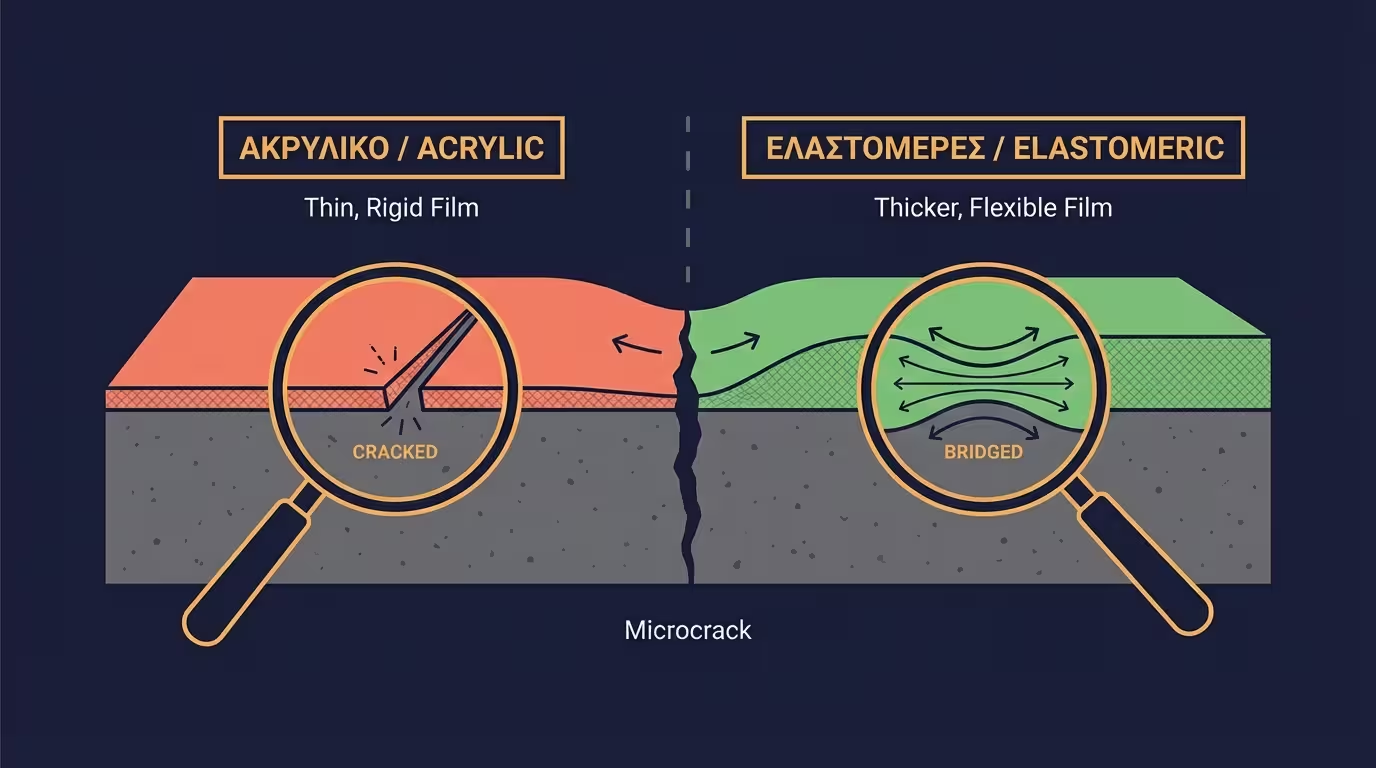
Natural ageing of the plaster creates microcracks. A standard acrylic can't follow them - cracking prematurely as a result.
Not a "luxury upgrade" - a technical choice where it's truly needed
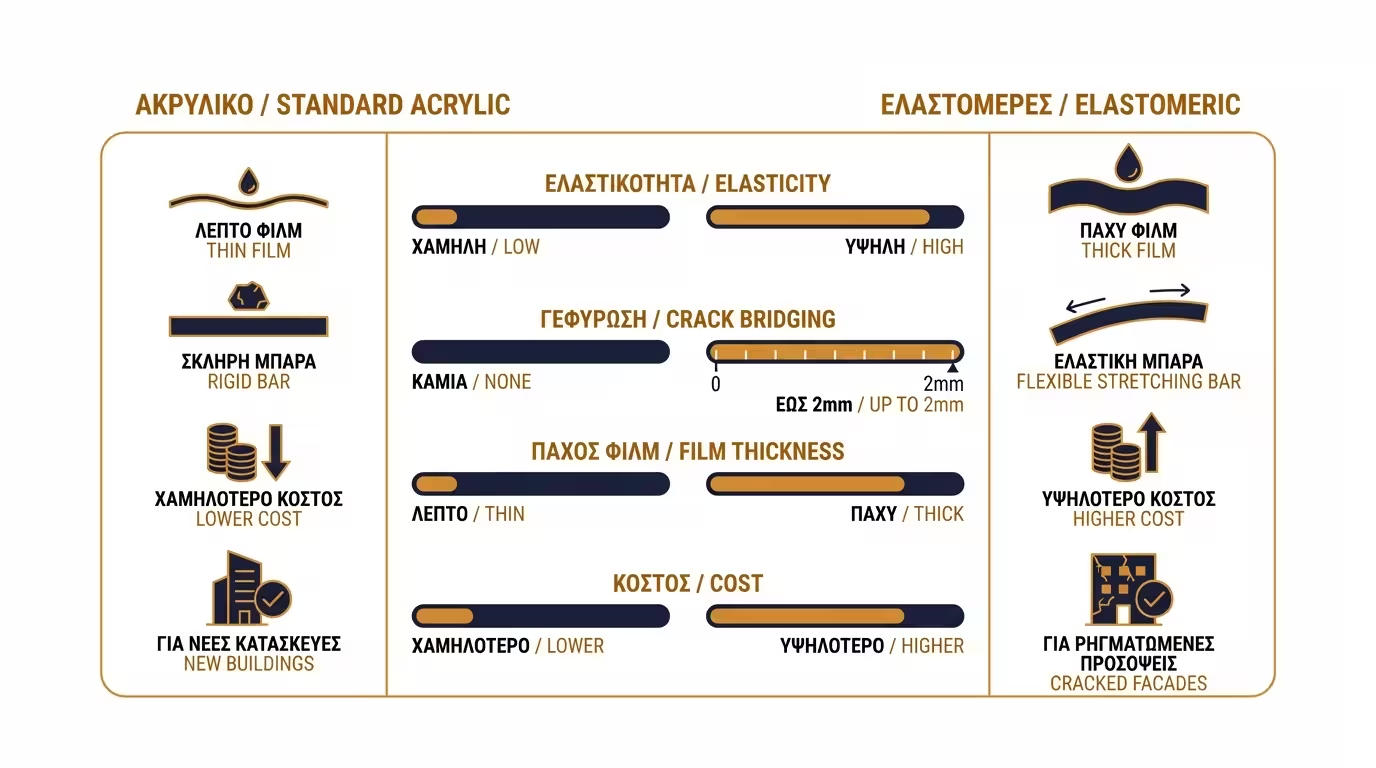
Elastomeric paints have high resin content, increased film thickness, and enhanced elasticity. Unlike a standard acrylic, they can follow minor substrate movements.
Their key property: crack-bridging ability. They can bridge microcracks up to 2 mm without the film splitting - precisely where a standard acrylic would crack.
Not every building needs an elastomeric system. But in four specific scenarios, a standard acrylic simply isn't enough.
Natural ageing of the plaster creates microcracks. A standard acrylic can't follow them - cracking prematurely as a result.
If the cracks are superficial (spider-web pattern), an elastomeric can bridge them without any structural intervention.
Day–night temperature swings on south- and west-facing facades create expansion–contraction cycles beyond what acrylics can handle.
If the building has been repainted with acrylic and cracks reappeared, repeating the same approach won't yield a different result.
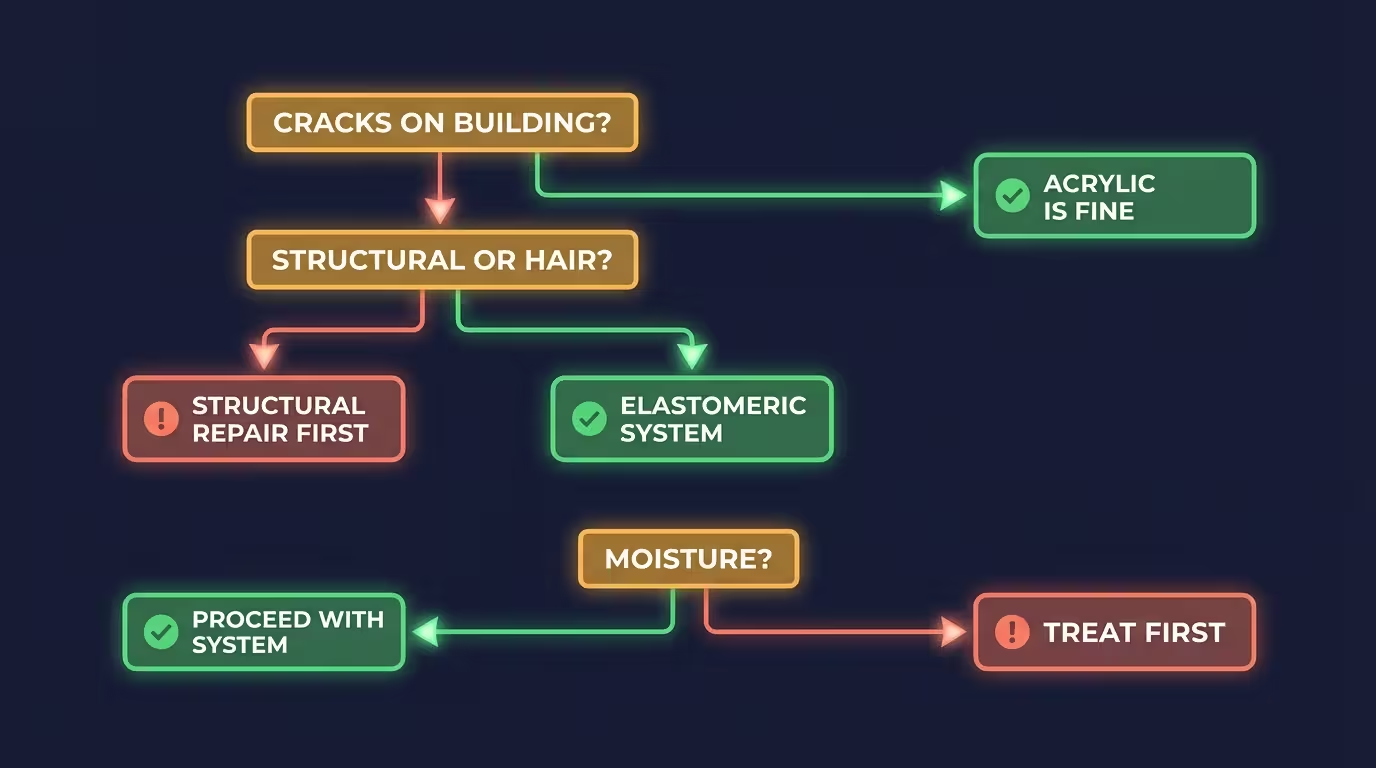
Elastomeric coatings bridge - they don't repair. In three specific cases, the root cause must be addressed first.
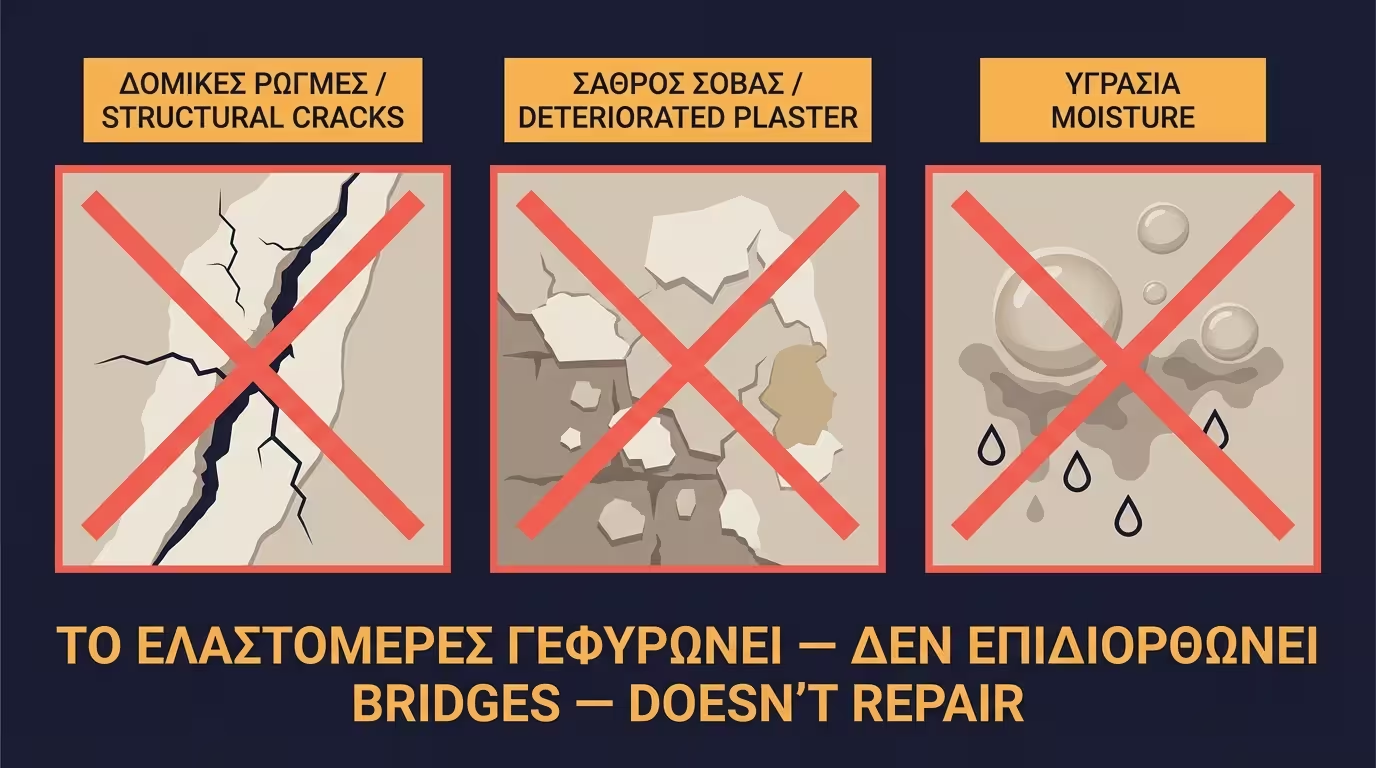
Diagonal, deep, at window corners. These can't be bridged - they need structural repair before anything is painted.
Crumbling, delaminated, or powdery plaster. No paint - elastomeric or otherwise - will hold on an unstable substrate.
If moisture is present, an elastomeric coating may trap vapour - making things worse instead of better.
| Property | Acrylic | Elastomeric |
|---|---|---|
| Elasticity | Limited | High (300%+) |
| Crack bridging | None | Up to 2 mm |
| Film thickness | 80–120 μm | 200–400 μm |
| Initial cost | Lower | Higher (20–40%) |
| Ideal for | New buildings, good plaster | Aged buildings, microcracks |
Elastomeric costs more upfront - but on buildings with cracks, the savings from avoiding re-painting justify the difference.
With proper preparation, an elastomeric system lasts 8–12 years in an urban environment, and even longer in milder climates.
Real-world lifespan depends on three factors: substrate quality, proper priming, and correct film thickness. If any of these is missing, the service life drops dramatically.
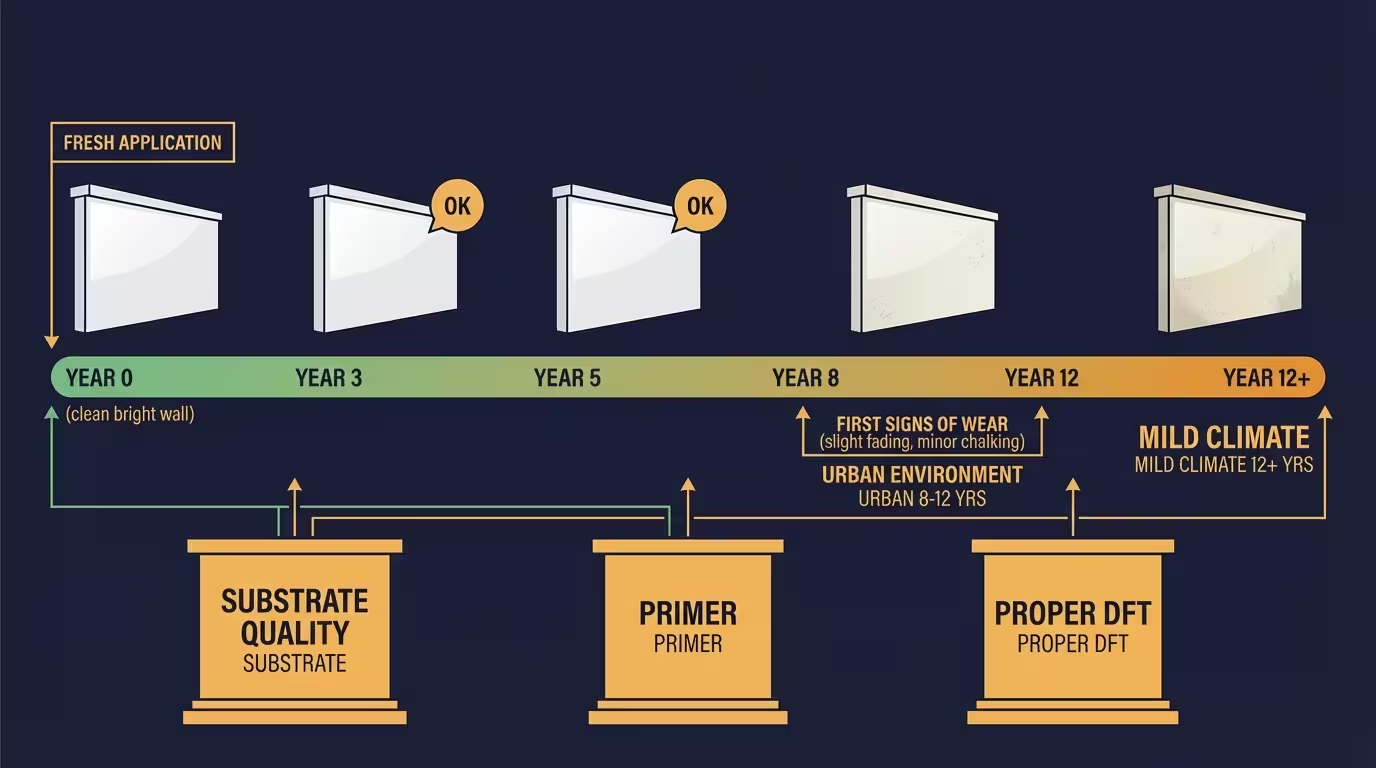
The elastomeric decision shouldn't be driven by marketing or "what the neighbours did". It's a technical choice made after on-site assessment.
Three key questions: Are there cracks? If yes, structural or hairline? Is moisture present? The answers determine whether the solution is elastomeric, structural repair, or moisture treatment first.
It's not a "luxury upgrade". It's a technical solution applied only where it's truly needed.
Return to category.
Go to categoryReturn to the central guide.
Go to guide