
Vinyl or acrylic?
Vinyl (PVA) paints are economical but less durable. Acrylics offer better adhesion, scrub resistance and longevity - ideal for high-traffic rooms.
Read more
Interior painting is not just about colour. It is a technical system choice that determines durability, cleanability, air quality and maintenance frequency - depending on the use of each room.
In this section we analyse technical characteristics, room-specific needs, problem surfaces and health criteria - so every choice is made with evidence.
Choosing interior paint is not about brand - it is about technical specs. Breathability, scrub resistance, coverage and elasticity determine how long it lasts and how easy it is to maintain.
Vinyl (PVA) paints are economical but less durable. Acrylics offer better adhesion, scrub resistance and longevity - ideal for high-traffic rooms.
Read moreMatte hides imperfections but is more sensitive to stains. Satin cleans more easily but reveals every bump on the wall. The right choice depends on the room.
Read more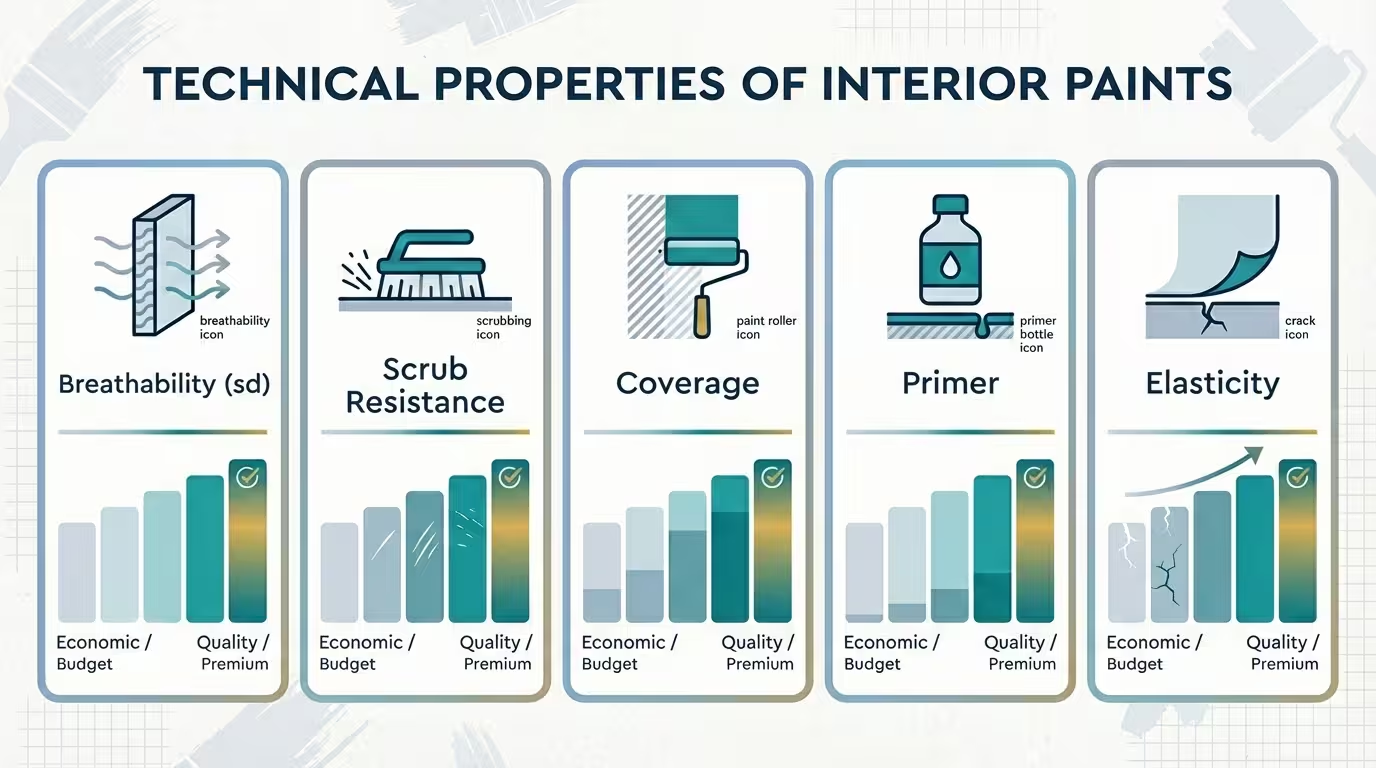
The sd coefficient shows how well the wall can "breathe" through the paint. In damp rooms, the wrong choice can trap moisture and cause mould.
Read moreThe EN 13300 standard categorises paints by scrub resistance. Class 1 withstands repeated washing; Class 5 fades at the first sponge.
Read moreThe m²/lt on the packaging is theoretical. Actual consumption depends on substrate absorption, base colour and application method. Learn what the numbers really mean.
Read moreOn new plaster, plasterboard or over old oil paint, primer ensures adhesion and uniform absorption. Without it, the finish coat may fail prematurely.
Read moreElastic paints bridge micro-cracks in older buildings. Elasticity is not an "upgrade" - it is a technical solution where needed.
Read moreEvery room has its own demands: moisture in the bathroom, scuffing in the stairwell, stains in the kids' room. The right paint choice depends on the use - not the catalogue.
High moisture, grease and frequent cleaning. Requires paint with scrub resistance, anti-mould properties and low water absorption.
Read moreHeavy traffic, bumps, dirty hands. Common areas need durable washable paint that holds up over time without frequent maintenance.
Read more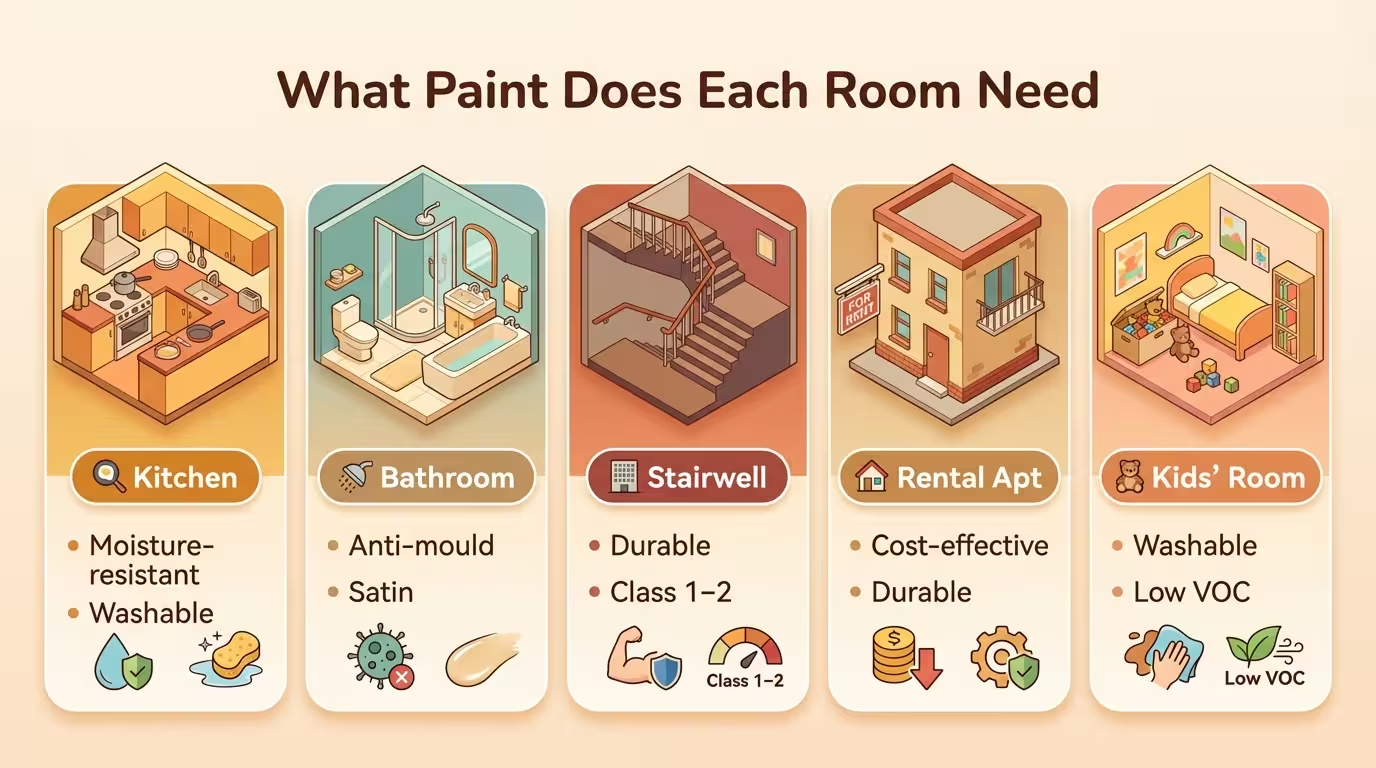
Landlords need balance: durable enough to avoid repainting every tenant change, but without excessive cost.
Read moreLong-term durability, easy cleaning and visual dignity. Technical criteria differ from residential - traffic, lighting and ventilation change the equation.
Read moreWashable paint that withstands markers, fingerprints and frequent cleaning - without sacrificing safety and low VOC.
Read moreNot everyone starts with a clean wall. New plaster, old oil paint, dampness or nicotine stains require special preparation before they can accept paint properly.
Mould is not solved with paint alone. It requires a proper sequence: identify the moisture source, apply fungicide, anti-mould primer and then the finish coat.
Read moreNew plaster needs curing time. Plasterboard absorbs unevenly. Without proper priming, the result will be defective.
Read more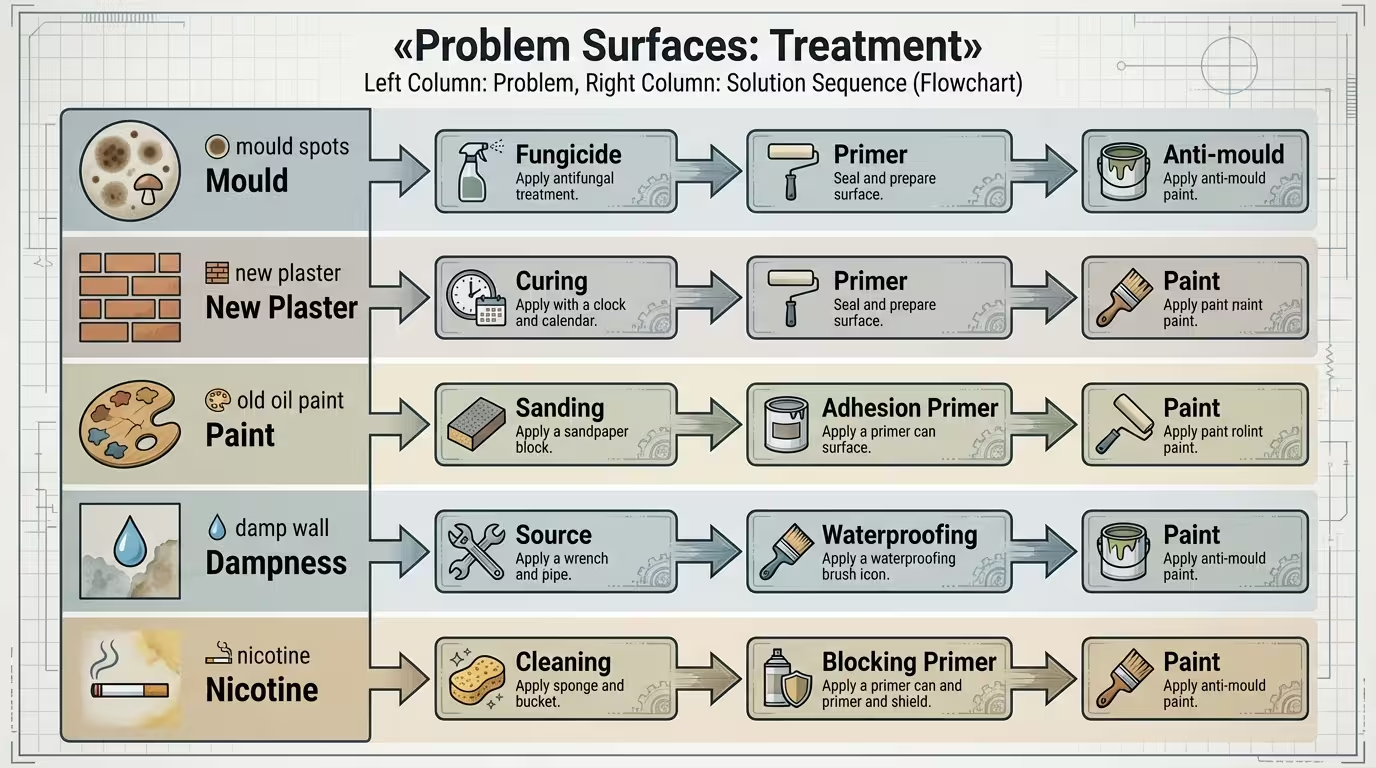
Oil paint does not easily accept emulsion. It requires sanding, a specialist adhesion primer and the correct sequence - otherwise the paint peels within months.
Read moreDampness may come from capillary rise, poor insulation or condensation. If the source is not addressed, no paint will last - regardless of the label.
Read moreNicotine penetrates regular paint and reappears. Correct treatment requires a blocking primer before the finish coat.
Read moreIndoor air can be 2–5 times more polluted than outdoor air. Volatile organic compounds (VOC) from paint are a major factor - especially in spaces with children or allergy sufferers.
Low VOC reduces indoor air pollutants. The label alone is not enough - you need to understand the limits, certifications and actual values.
Read moreEU Ecolabel, Blue Angel, Cradle to Cradle - each certification examines different criteria. Learn what they mean in practice and how they affect your choice.
Read more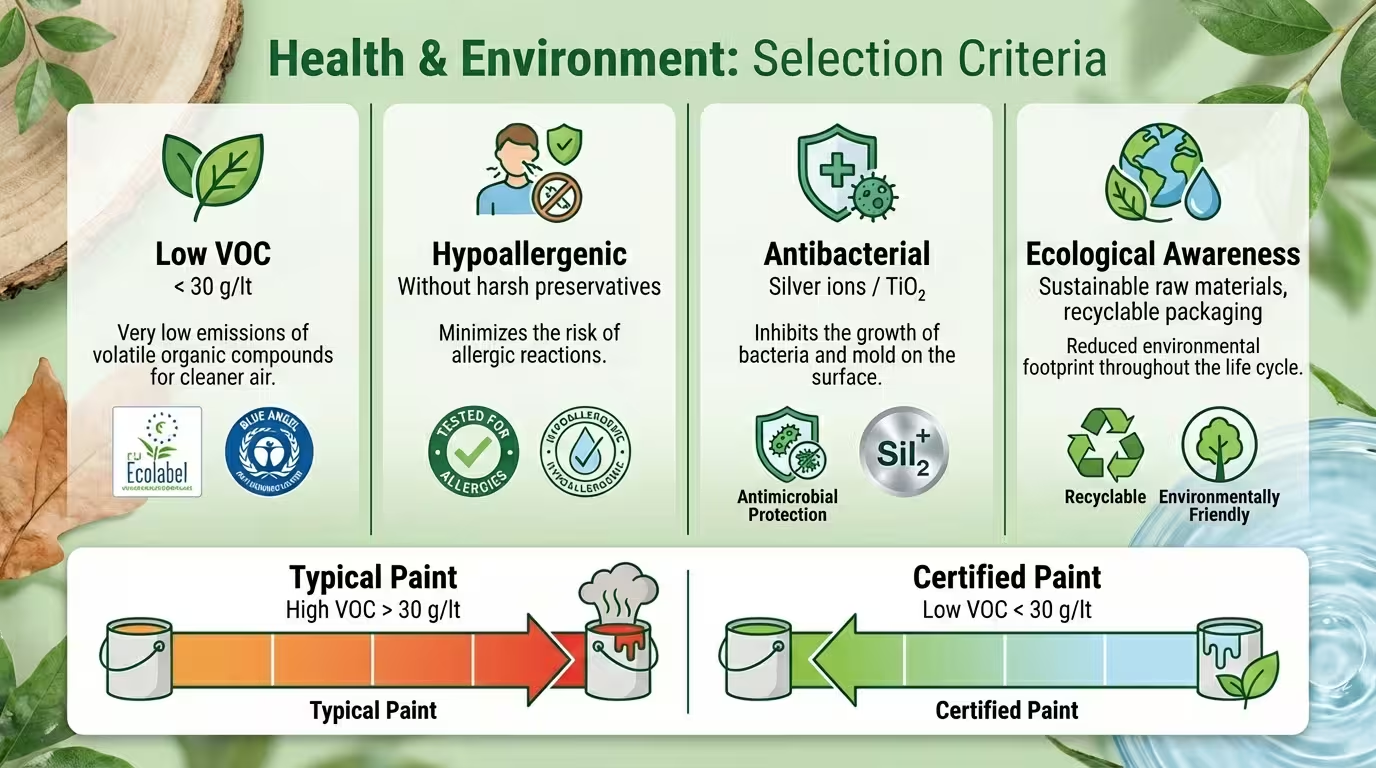
In homes with allergy or asthma sufferers, paint choice becomes critical. Minimal VOC, no harsh preservatives, certified for interior use.
Read moreIn hospitals and hygiene areas, antibacterial paints make sense. In homes, a good washable paint is usually sufficient - don't pay for what you don't need.
Read moreReturn to the complete paint guide for apartment buildings and renovations. Exterior facades, wood, metal and technical data are covered separately.
Go to guideIf you are planning interior painting and want professional advice on system, preparation and cost - get in touch.
Contact us