
Acrylic or silicone-based?
100% acrylics resist UV and cost less. Silicone-based coatings offer hydrophobicity, high breathability and longer service life. The right choice depends on moisture levels, building location and budget.
Read more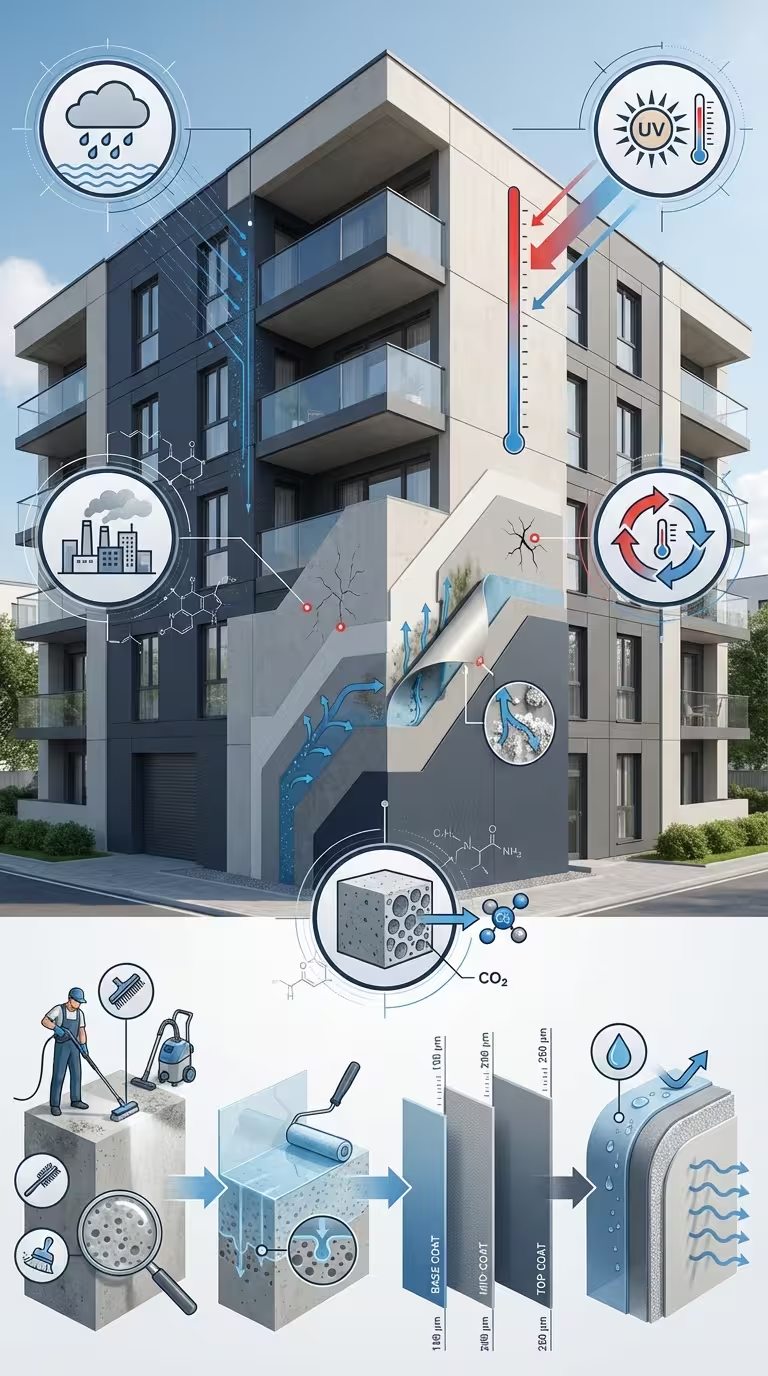
Painting a building facade is not just a cosmetic refresh. It is a technical protection system that determines how long the plaster will last, whether moisture will penetrate, whether carbonation will advance into the concrete, and how often repainting will be needed.
In this section we cover the technical criteria, coating systems, common failures, the proper process, and real costs , so every decision is based on knowledge, not guesswork.
Choosing a paint is not about brands , it is about system type. Each system has different resin chemistry, elasticity, breathability, and UV resistance. The right choice depends on the building, not the price list.
100% acrylics resist UV and cost less. Silicone-based coatings offer hydrophobicity, high breathability and longer service life. The right choice depends on moisture levels, building location and budget.
Read moreOn buildings 15+ years old with micro-cracks, elastomeric coatings bridge cracks up to 0.5 mm and absorb thermal expansion. They are not a "luxury upgrade" , they are a technical necessity where needed.
Read more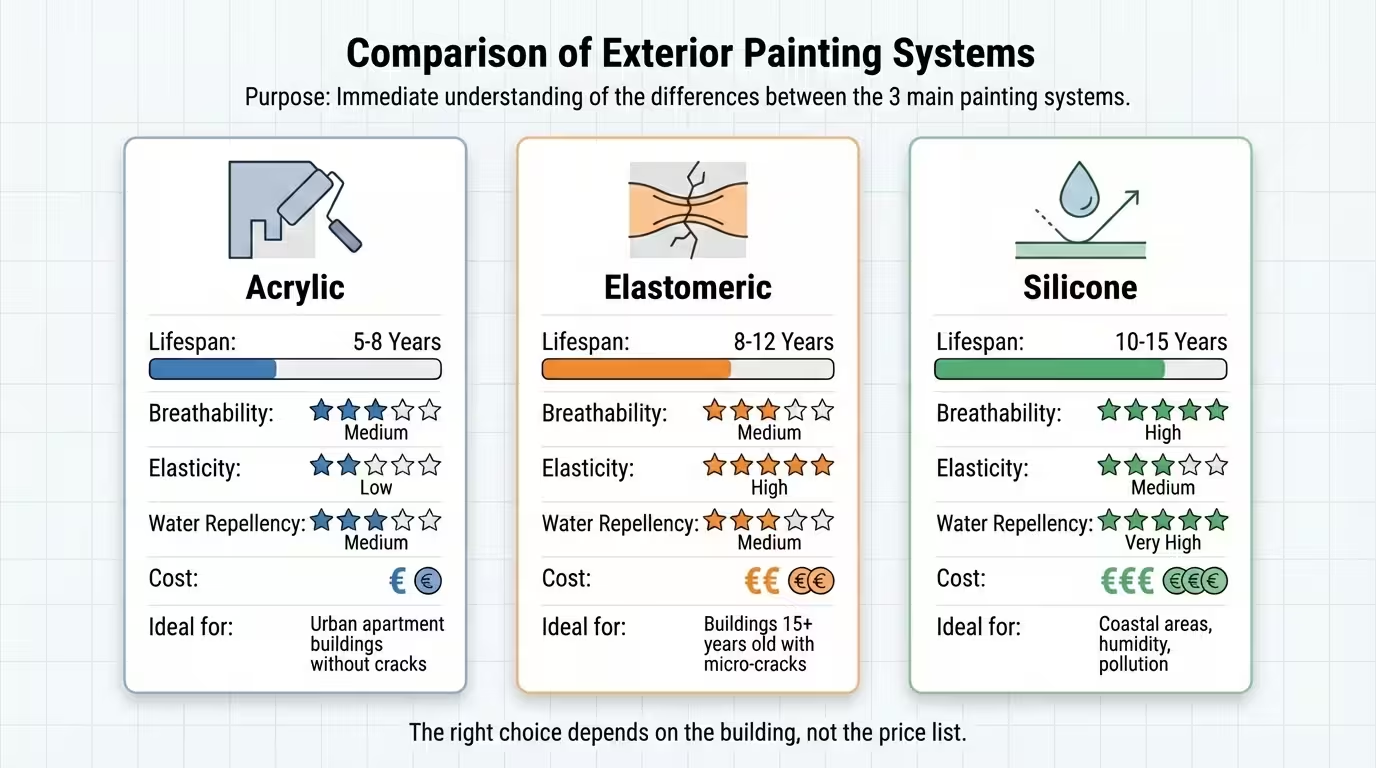
Primer is not optional. It stabilises the substrate, regulates absorbency and ensures adhesion. Without proper primer, service life can drop by 40–50%.
Read moreNew plaster with pH 12–13 can destroy a coating system before it even cures. Saponification, poor adhesion and delamination result from premature application without the right primer.
Read more"Two coats of paint" is not a technical specification. UV resistance, crack-bridging ability and waterproofing all depend on dry film thickness. Less thickness = half the service life.
Read moreThere is the appropriate system for a specific substrate, stress profile and expected lifespan. The right choice is made after a building assessment , not from a catalogue.
Most failures are not caused by "bad paint". They result from insufficient preparation, trapped moisture, wrong system selection or inadequate film thickness. Correct diagnosis matters more than simply repainting.
Loss of adhesion between layers or with the substrate. Causes: friable but visually clean substrate, no primer, incompatible new-over-old system, or application on damp substrate.
Read moreBubbles under the film indicate trapped moisture or air. They appear on sun-facing facades or with low-breathability coatings applied over damp substrate.
Read more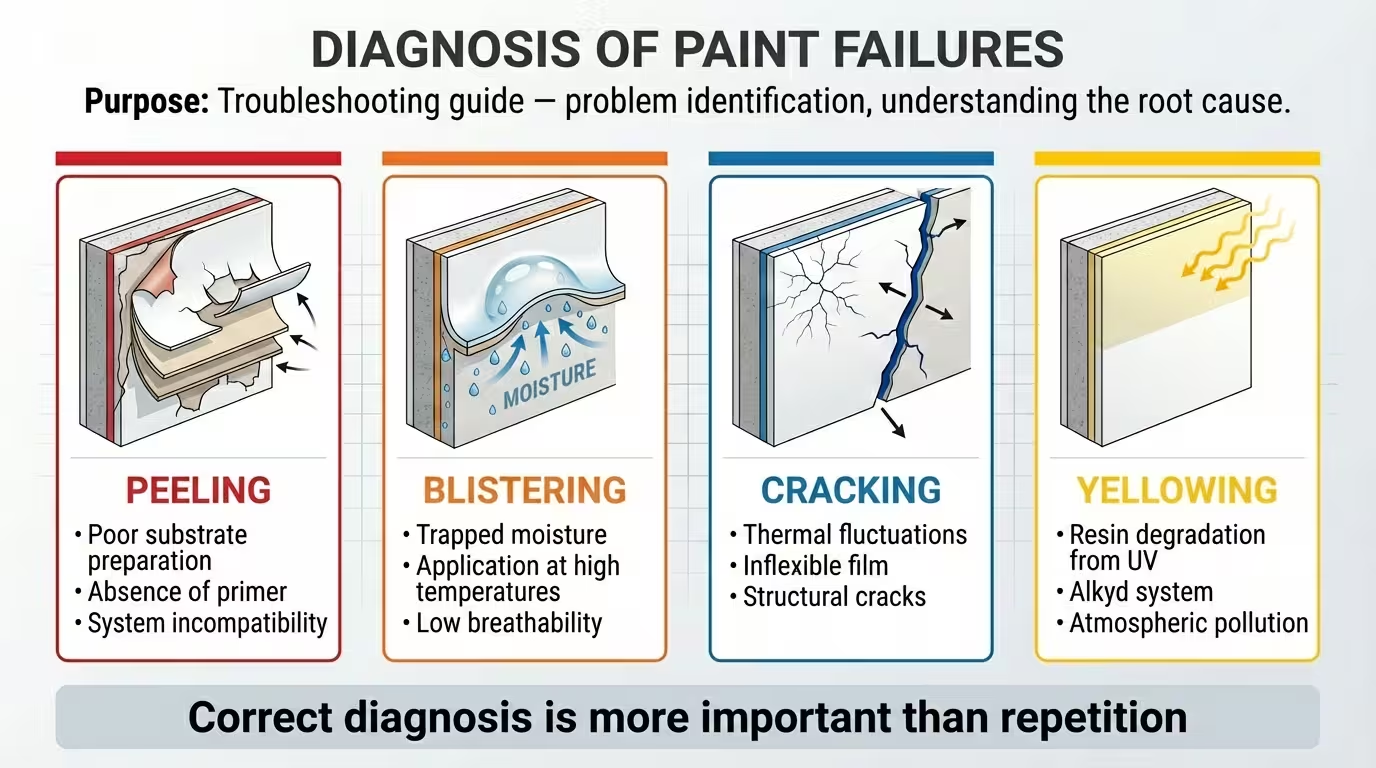
Paint usually does not create cracks , it reveals them. Surface micro-cracks, plaster cracks or crazing from excessive thickness. Each type requires a different approach.
Read moreCapillary rise, cracks, poor roof waterproofing, fresh plaster - moisture is the most underestimated factor. If the source is not addressed, no paint will last.
Read moreUV radiation degrades the resin, alkyds oxidise and pollutants deposit. Choosing 100% acrylic or silicone-based systems significantly reduces discolouration risk.
Read moreFailures typically appear within 2–3 years. The right approach does not start with paint , it starts with diagnosis, preparation, system selection and documented application.
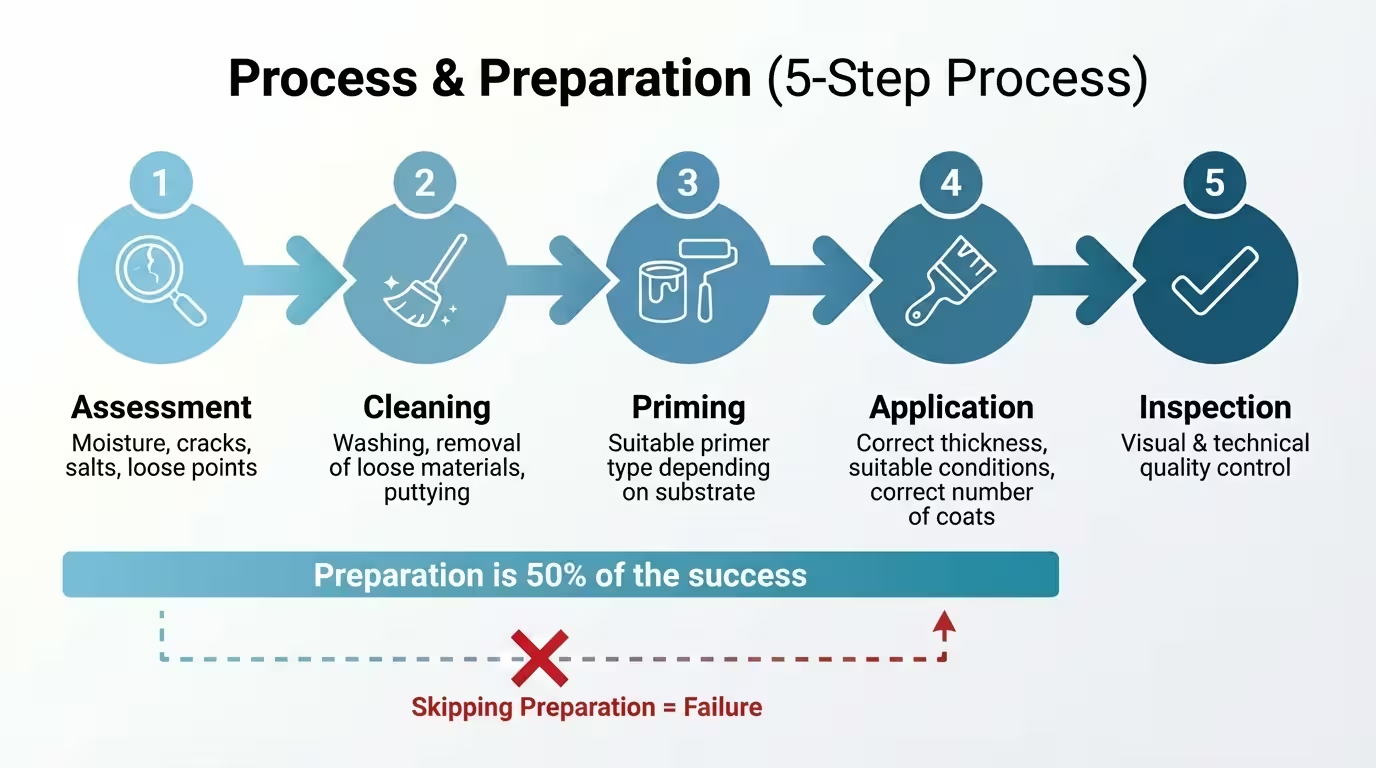
Read morePreparation accounts for 50% of a paint job's success. Durability depends less on the brand and more on substrate condition, cleaning, correct primer and moisture control.
Before any work begins: check masonry moisture, cracks, delaminations, efflorescence, friable areas. Painting without technical diagnosis is cosmetic , not a solution.
Facade washing, removal of loose layers, crack filling, local plaster repairs. Goal: a stable and uniform substrate that will accept the system properly.
Moisture can come from capillary rise, poor roof waterproofing or vapour condensation. If the source is not addressed, the paint will fail again , regardless of system.
Primer stabilises, regulates absorbency and ensures adhesion. Diluted paint does not replace proper primer. Different types exist: micro-molecular, adhesion, alkali-resistant.
Correct temperature, controlled humidity, avoiding painting in direct sunlight. Painting on a hot surface causes premature drying and reduced film cohesion.
Inspection → preparation → priming → final coats → quality control. Painting is not "apply and done" , it is a controlled technical process.
Painting an apartment building is a significant investment. The price per square metre means nothing without considering the system, preparation, film thickness and expected service life.
Cost depends on area, height, substrate condition, coating system and labour. A realistic comparison requires a common basis: what is included in each quote.
Read morePrice comparison alone is not enough. Check: what system is proposed, what preparation is included, how many coats at what thickness, what guarantees are given. The cheapest quote may be the most expensive in 5 years.
Read more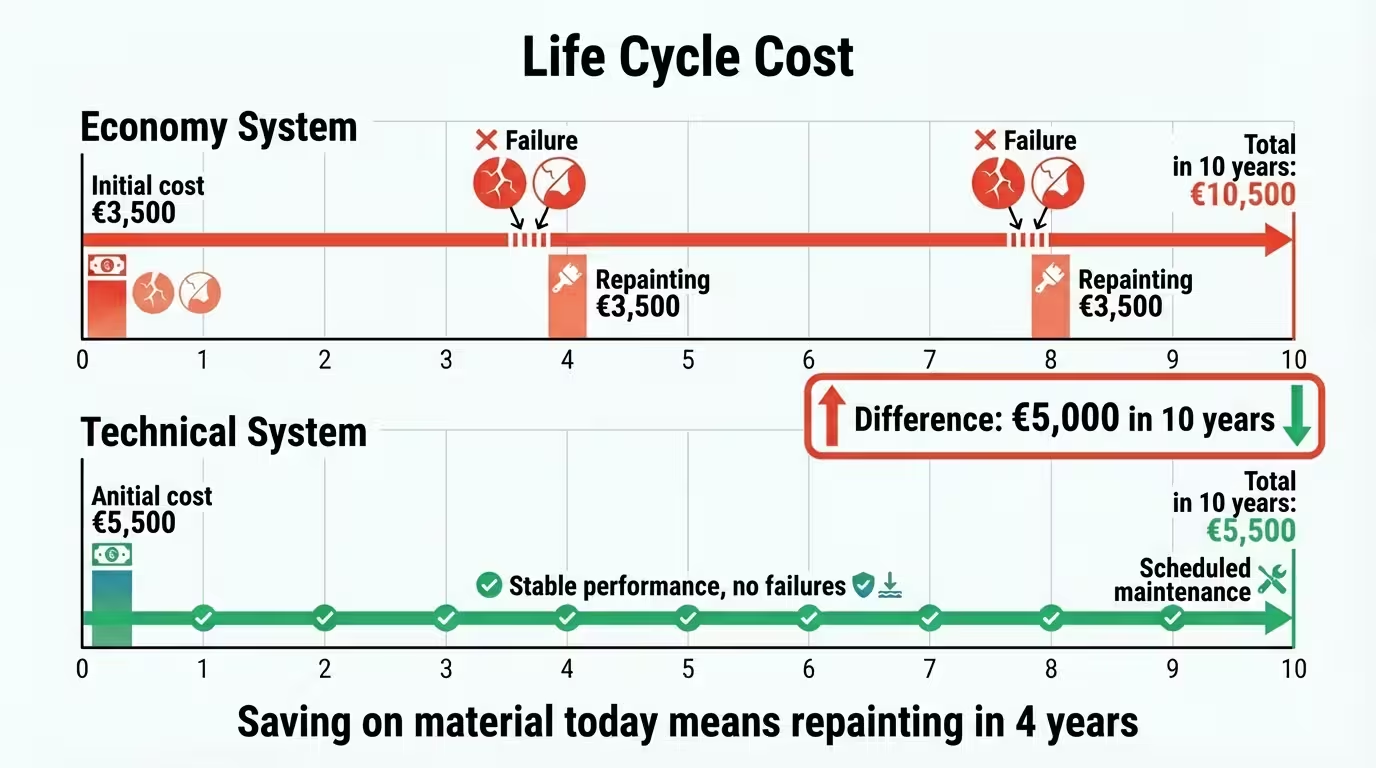
Chalking, partial delamination, visible cracks or colour loss are signs the system is exhausted. Early intervention costs less than full restoration.
Read moreA "budget" system may last 3–5 years. A technical system with proper application lasts 8–12 years. The initial cost difference can vanish within the first lifecycle.
Read moreIf a system is applied 20–30% below the recommended thickness, service life can be halved. Saving on materials today means repainting in 4 years.
You are not paying for "paint". You are paying for: technical assessment, substrate preparation, correct system, controlled application and guaranteed durability. Quality is measured in years.
For those who want to understand the technical data behind the decisions , Sd values, water absorption, carbonation, failure mechanisms.
Return to the complete paint guide for apartment buildings and renovations. Interiors, wood, metal and technical data are covered separately.
Go to the guideIf you are planning to paint a building facade and want expert advice on system selection, preparation and cost , get in touch.
Contact us