Temporary use
If the building is scheduled for demolition or change of use soon, a basic system is sufficient.
What you're really paying for over time
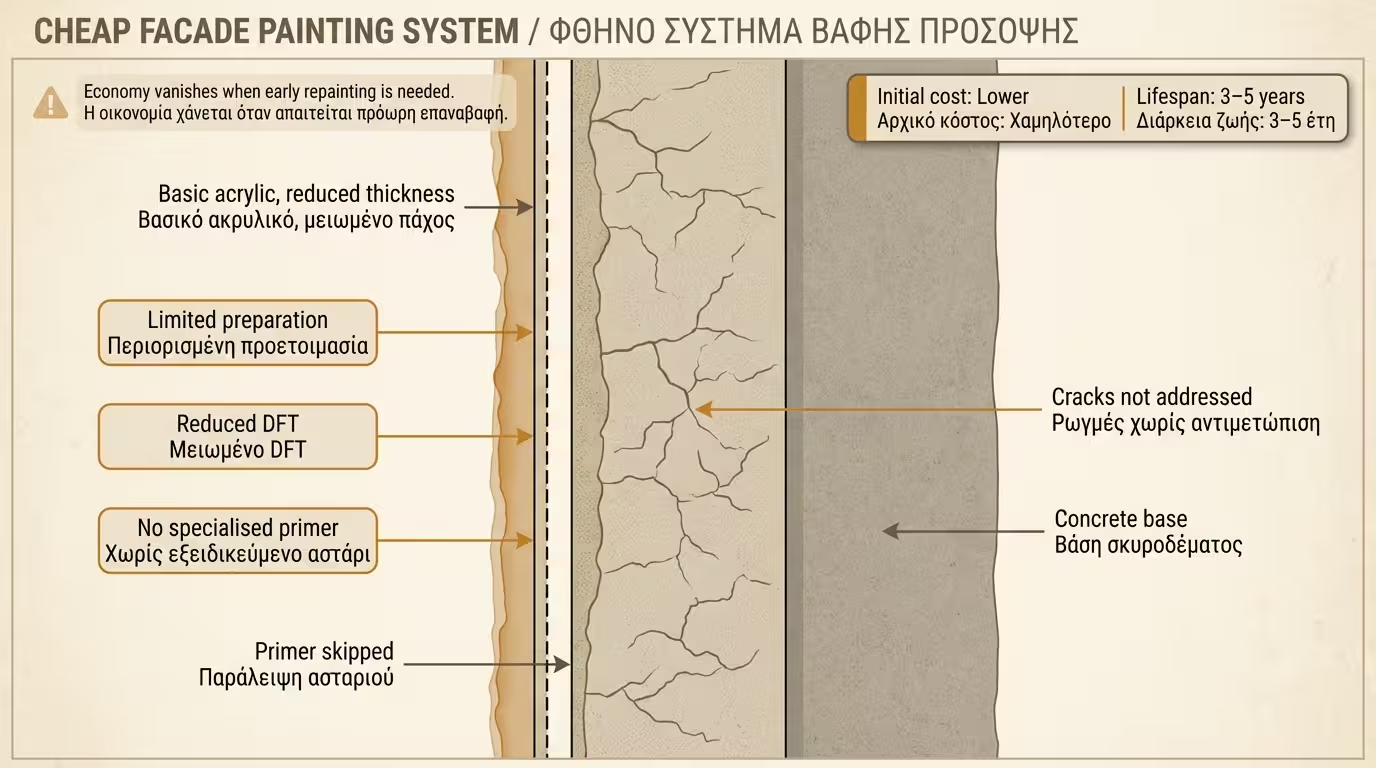
A "cheap" system typically includes basic acrylic material, limited preparation, minimal crack repair, reduced application thickness, and no specialised primer.
Upfront cost: lower. Lifespan: 3–5 years. The "savings" vanish the moment early repainting is needed.
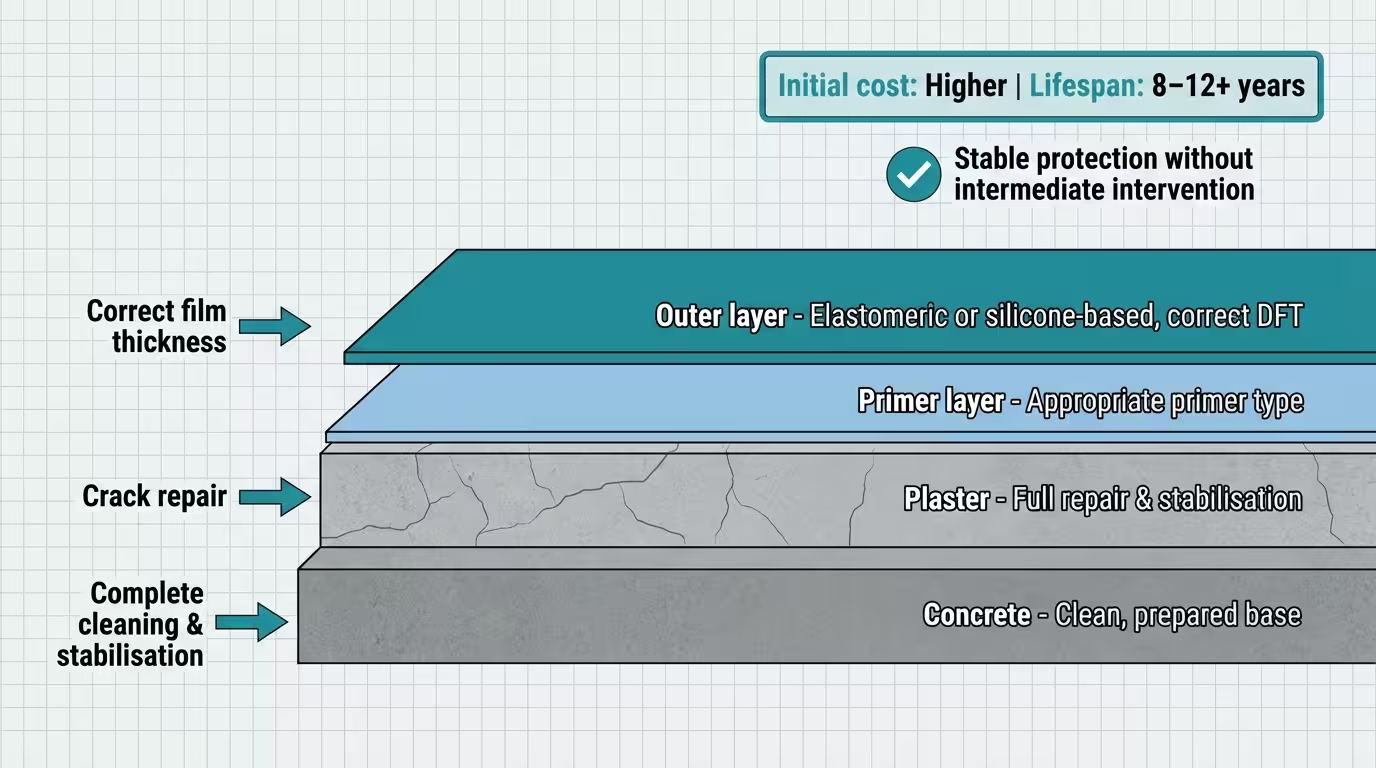
A technical system includes thorough cleaning & stabilisation, crack repair, suitable primer, elastomeric or silicone topcoat, and correct film thickness.
Upfront cost: higher. Lifespan: 8–12+ years. Correct application ensures stable protection with no intermediate intervention.
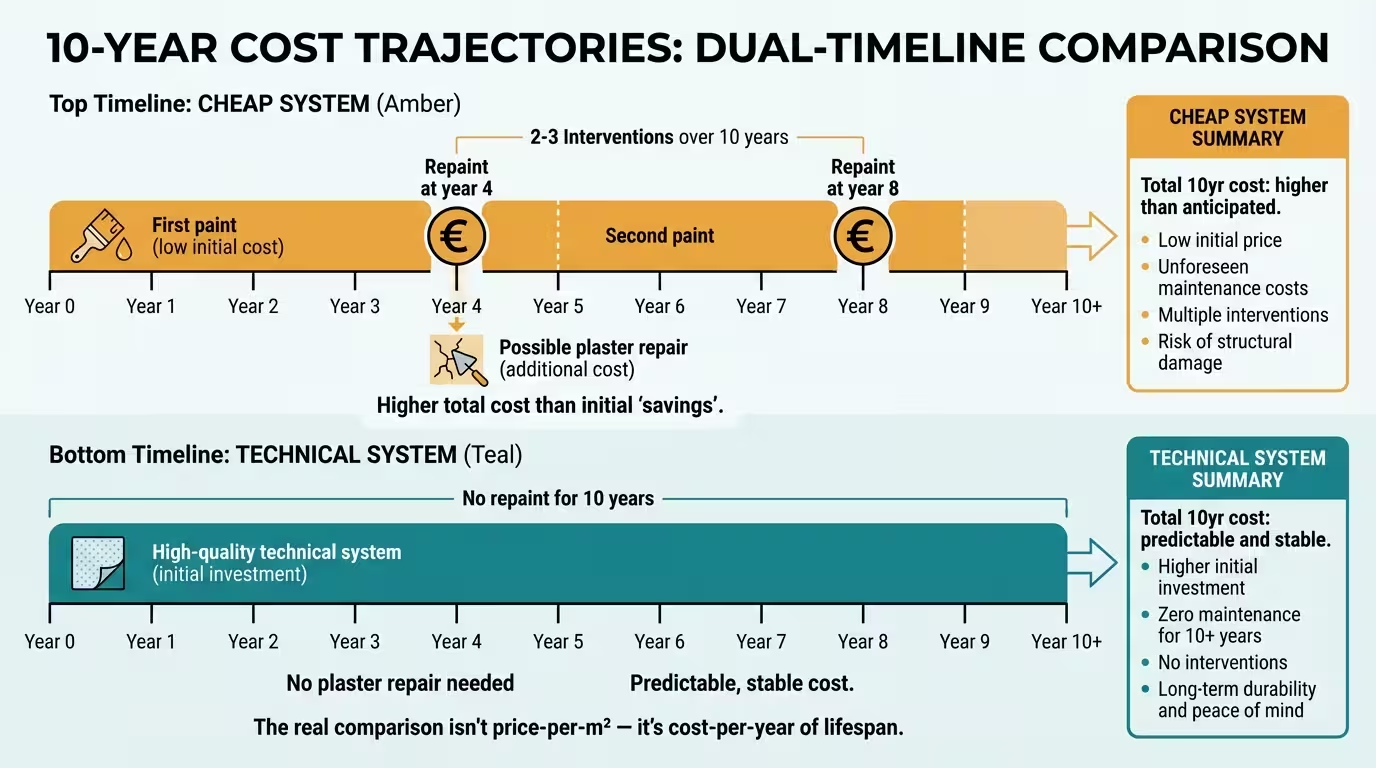
The real comparison isn't price per square metre - it's cost per year of lifespan. The difference becomes clear after year 6–7.
| Criterion | Budget system | Technical system |
|---|---|---|
| Repaint | At year 4 | None for 10 years |
| Plaster repair | Likely | Not needed |
| Total 10-year cost | Higher than initial "savings" | Predictable, stable |
| Substrate protection | Insufficient | Complete & stable |
If a cheap system fails, moisture penetration increases, plaster deterioration accelerates, and far more repairs are needed.
The issue isn't just the paint - it's substrate protection. A failed coating exposes the plaster to damage that costs multiples more.
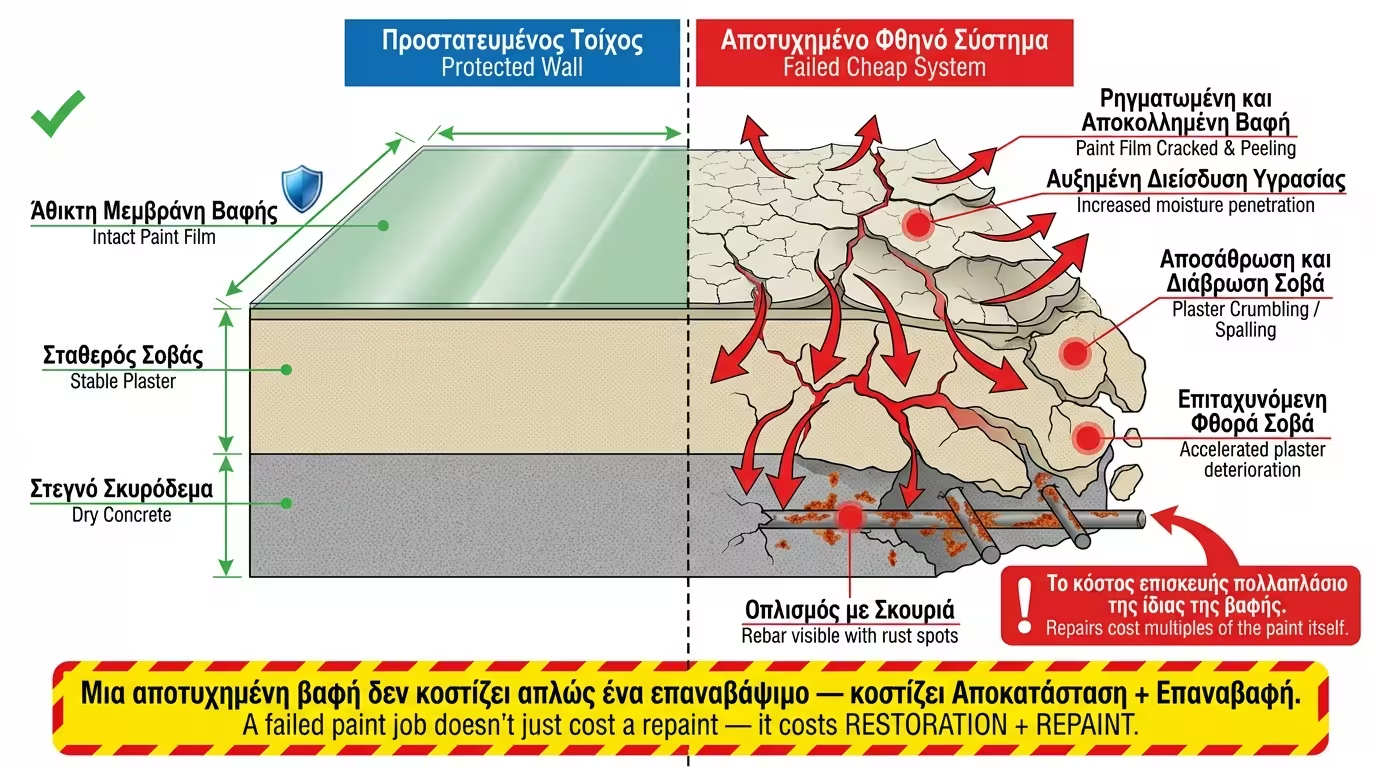
A failed budget system doesn't just cost a repaint - it costs restoration plus repaint.
In certain cases, a budget solution can be justified. For long-term use, however, the technical solution is always more cost-effective.
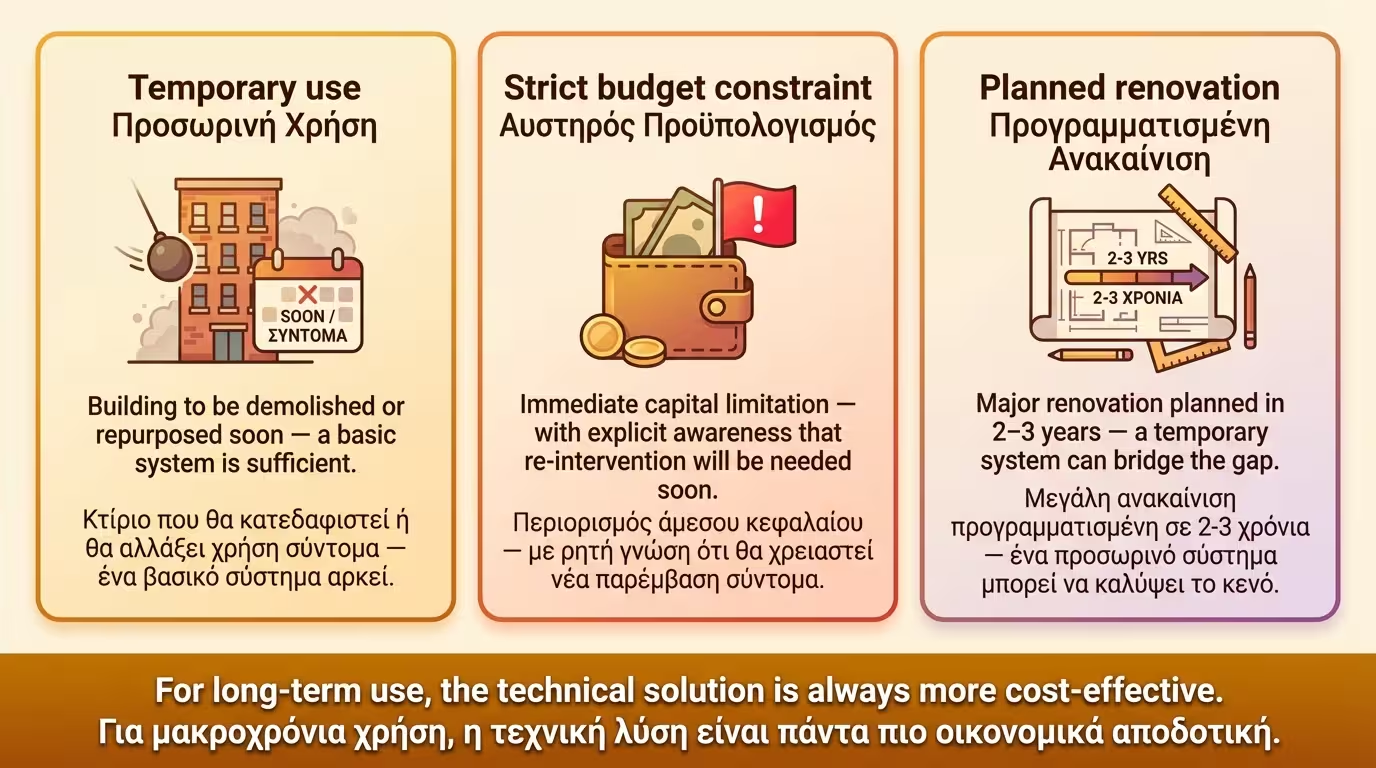
If the building is scheduled for demolition or change of use soon, a basic system is sufficient.
If there's an immediate capital constraint - with explicit knowledge that a new intervention will be needed soon.
If a full renovation is planned within 2–3 years, a temporary system can bridge the gap.
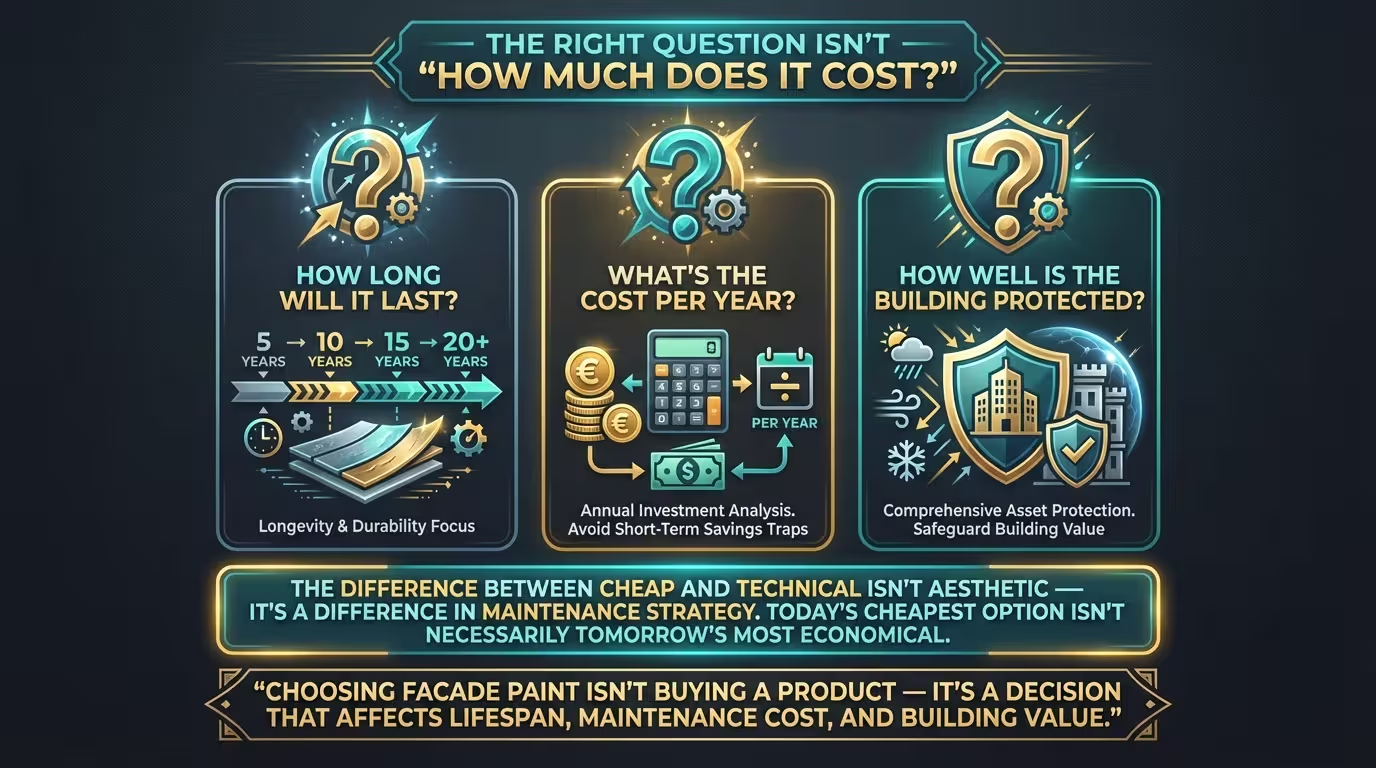
The right questions are: How long will it last? What's the cost per year? How protected is the building?
The difference between a budget and a technical system isn't aesthetic - it's a difference in maintenance strategy. The cheapest today isn't necessarily the most economical tomorrow.
Choosing paint for a building isn't buying a product - it's a decision that affects lifespan, maintenance cost, and property value.
Return to category.
Go to categoryReturn to the central guide.
Go to guide