🔩 Common Iron / Steel
The classic, heavy construction that oxidises (rusts) readily. Here, the primary goal of the coating system is anti-corrosive protection.
Balcony railings are arguably the most exposed architectural element of a home - subjected daily to UV radiation, rain, exhaust fumes, and sea salt. Learn how to protect them properly.
Choosing the right coating system starts with the base metal, because the adhesion chemistry differs dramatically. If you misidentify the material, you risk applying entirely the wrong system.
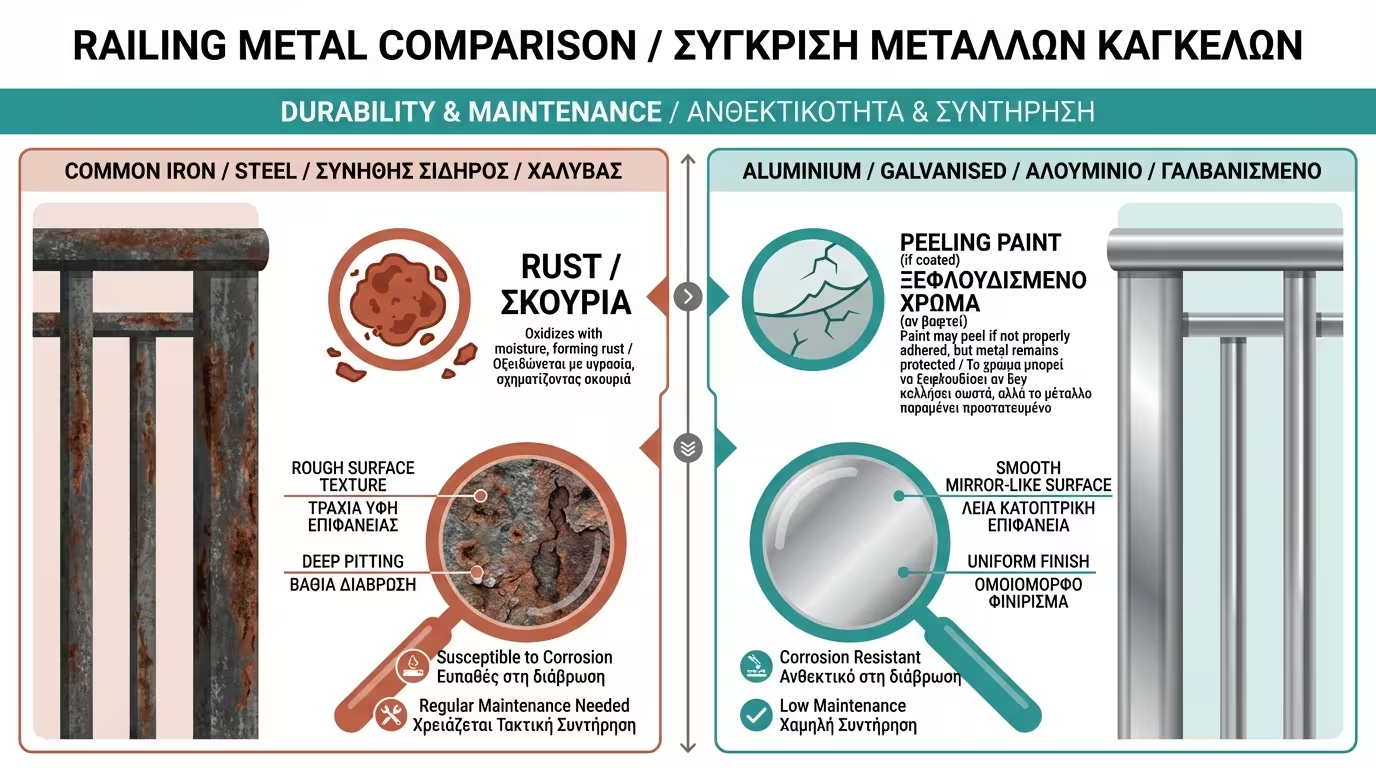
The classic, heavy construction that oxidises (rusts) readily. Here, the primary goal of the coating system is anti-corrosive protection.
They don't show red rust, but their surface is extremely smooth - standard paints slide off and peel. Here the goal is ensuring adhesion through specialist substrates (Wash Primer).
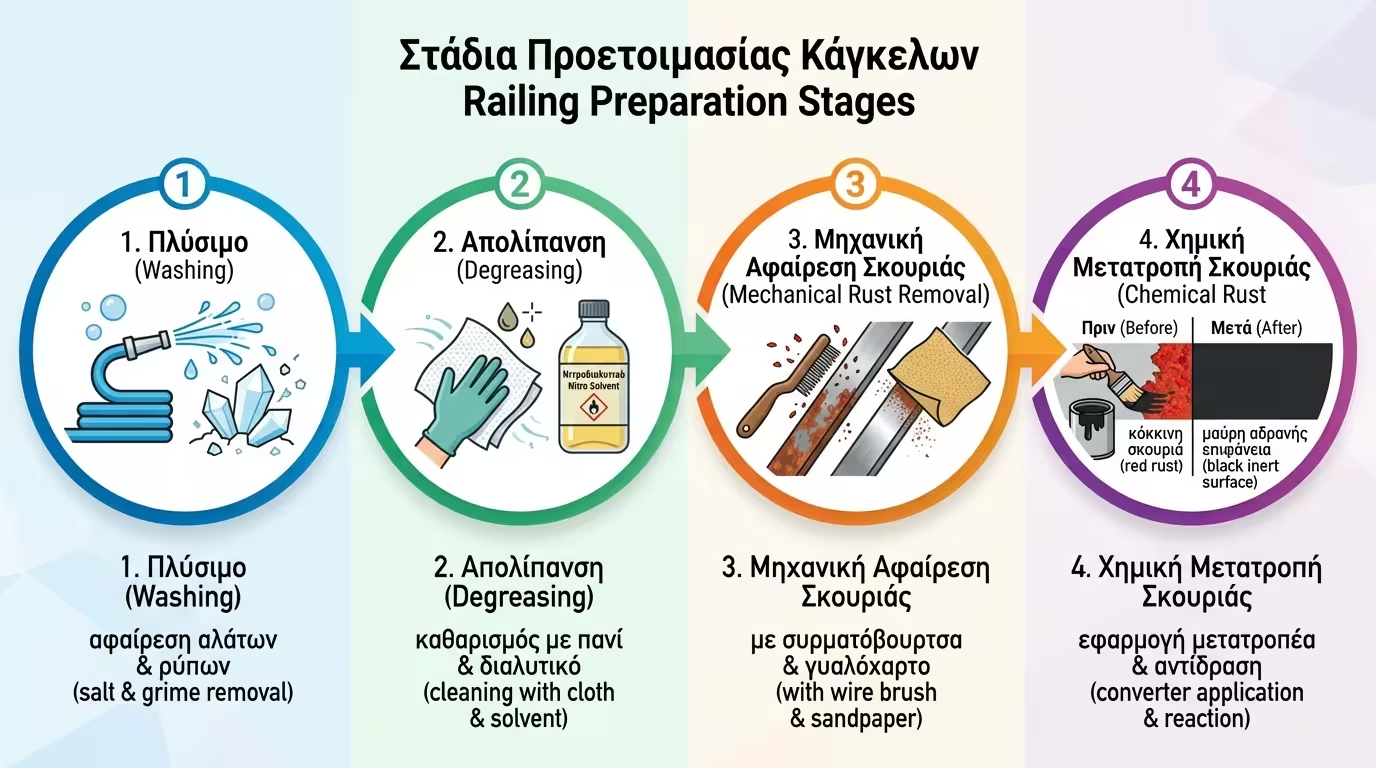
The best paint in the world will fail if applied to a dirty surface. Thorough preparation determines whether the coating lasts 2 or 20 years.
Especially in coastal areas, railings are covered with invisible salt crystals. Wash thoroughly with plenty of fresh water. If you sand directly, the salt will be trapped in the metal's pores causing subcutaneous corrosion.
Wipe the surface with a clean cloth and nitro solvent to remove exhaust fumes and grease. Without this step, paint simply won't bond.
Scrub away flaking rust and old peeling paint with a wire brush or sandpaper.
For ornate railings where you can't reach, apply a Rust Converter. It penetrates and chemically converts rust into a black, hard, inert layer ready for painting.
⚠️ Warning: If you skip degreasing, the paint will delaminate in less than 12 months - regardless of the paint's quality.
Depending on your time, budget, and durability requirements, there are three main approaches. Each has its strengths.
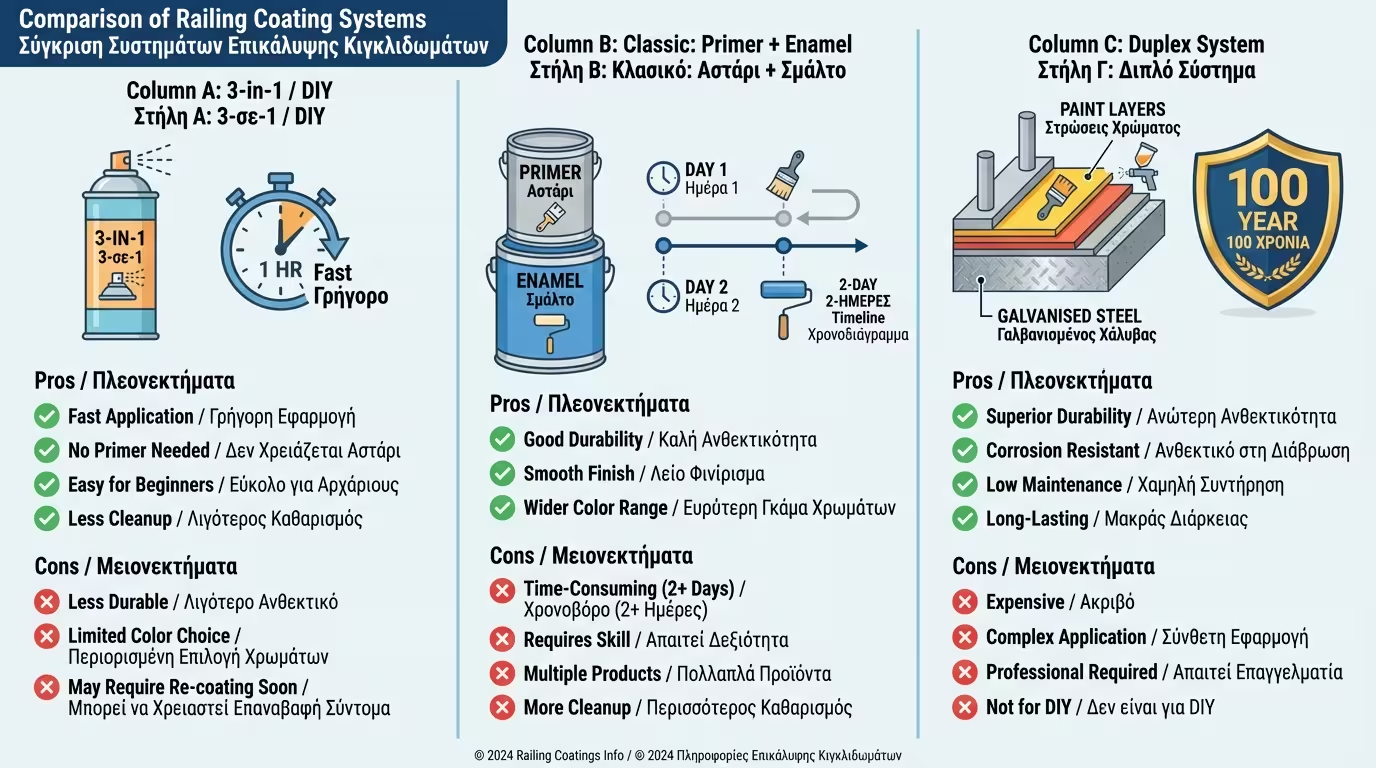
Modern 3-in-1 Direct-to-Metal paints act simultaneously as rust converter, anti-corrosive primer, and topcoat. They can be applied directly over stable (non-flaky) rust, saving precious time.
The tried-and-true approach: 1-2 coats of Anti-Rust Primer (lead-free red oxide or zinc phosphate primer) + 2 coats of Metal Enamel. For aluminium and galvanised, a 2-component Wash Primer is mandatory. You can choose solvent-based or modern water-based acrylic polyurethane enamel to avoid odours and yellowing.
For new railings, the top choice is painting over hot-dip galvanised steel. The zinc and paint work synergistically - the lifespan is 1.5 to 2.3 times greater than the sum of each method's durability alone, often reaching a full century.
💡 Tip: Using a cold galvanising zinc primer as a first coat provides cathodic protection, doubling the paint's lifespan.
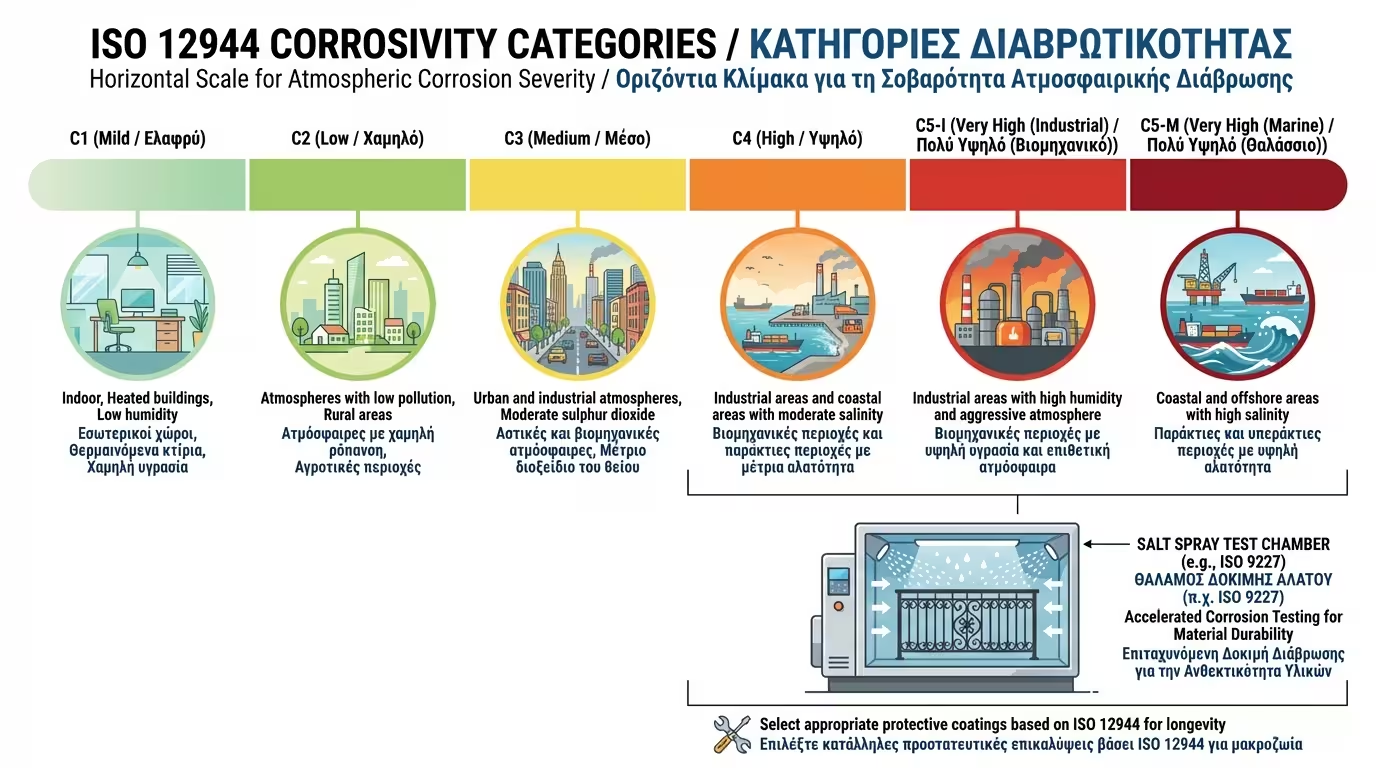
For specifying public works or hotel projects, the coating system is determined by the international anti-corrosion standard ISO 12944.
A balcony in an urban environment falls under category C3 (Medium) and can be covered with conventional alkyd systems. However, a balcony of a beachfront hotel falls under C4 (High) or C5-M (Marine/Very High).
Single-component (1K) paints are rejected. High Build systems are specified: Zinc-rich Epoxy Primers for cathodic protection, an intermediate epoxy mastic, and a topcoat of Aliphatic Polyurethane 2K for maximum UV and salt spray resistance.
📐 Engineer's Rule: For C4/C5-M environments, the system must include a 2K aliphatic polyurethane topcoat - standard alkyd enamels do not meet the standard's requirements.
Return to category.
Go to categoryReturn to the central guide.
Go to guide