Covering Paint on Interior Wood: When to Paint Instead of Varnish?
Wood is one of the most beloved materials in interior design. When it
comes time for maintenance or restoration, the eternal dilemma is this: Should we highlight the wood grain with a transparent varnish, or
paint it with a covering colour (enamel/lacquer), completely changing
its appearance?
This decision is not only aesthetic. It is determined by the condition
of the wood, the type of furniture, and the technique required. Let's
look in detail at when the scales tip in favour of covering paint and
how the process is done correctly.
1. When to Choose Paint Over Varnish?
Transparent varnish highlights natural beauty but is "unforgiving": it
shows every imperfection. Conversely, painting with an opaque colour
(enamel/lacquer) is the ideal solution in the following cases:
🛠️ Significant damage & repairs
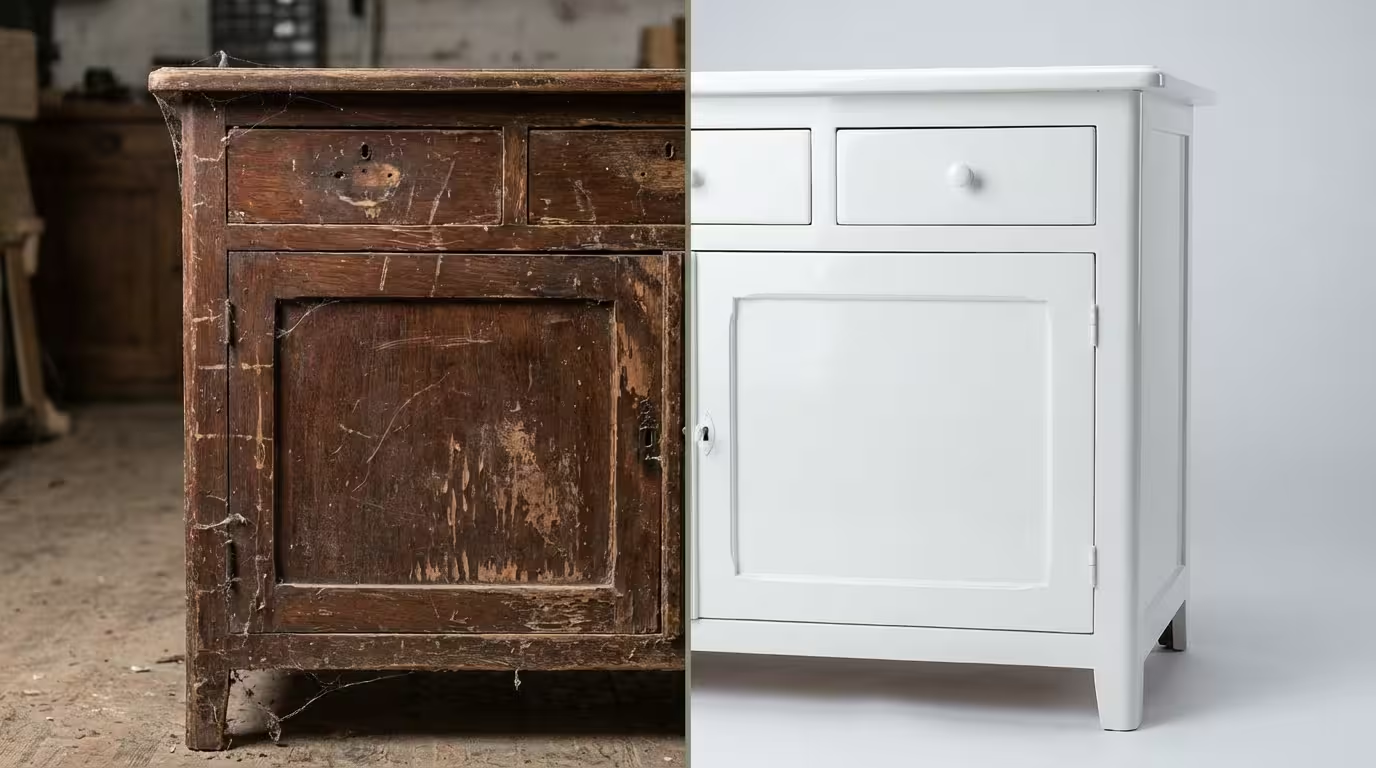
If an old piece of furniture or a door has deep scratches or holes
that have been filled with wood putty, clear varnish will make the
putty look like a "patch." Covering paint completely hides these
repairs, creating a uniform, smooth surface.
🪵 "Cheap" timber
Materials such as MDF, chipboard, or wood with many unsightly knots
(e.g., cheap pine) do not have beautiful natural grain to showcase.
Here, paint (e.g., a white or grey enamel) adds luxury to an
inexpensive substrate.
♻️ Radical change (Upcycling)
If you have an old, dark kitchen made of brown mahogany that makes
the space feel small, varnishing will not change its character. By
painting the doors with a light-coloured covering paint, the space
is immediately transformed and brightened.
🎨 Already painted surfaces
If the furniture is already painted with lacquer or old oil paint,
stripping all the paint down to the bare wood is extremely
laborious. It is much easier to lightly sand it and repaint it with
a new colour.
2. Types of Opaque Wood Paints
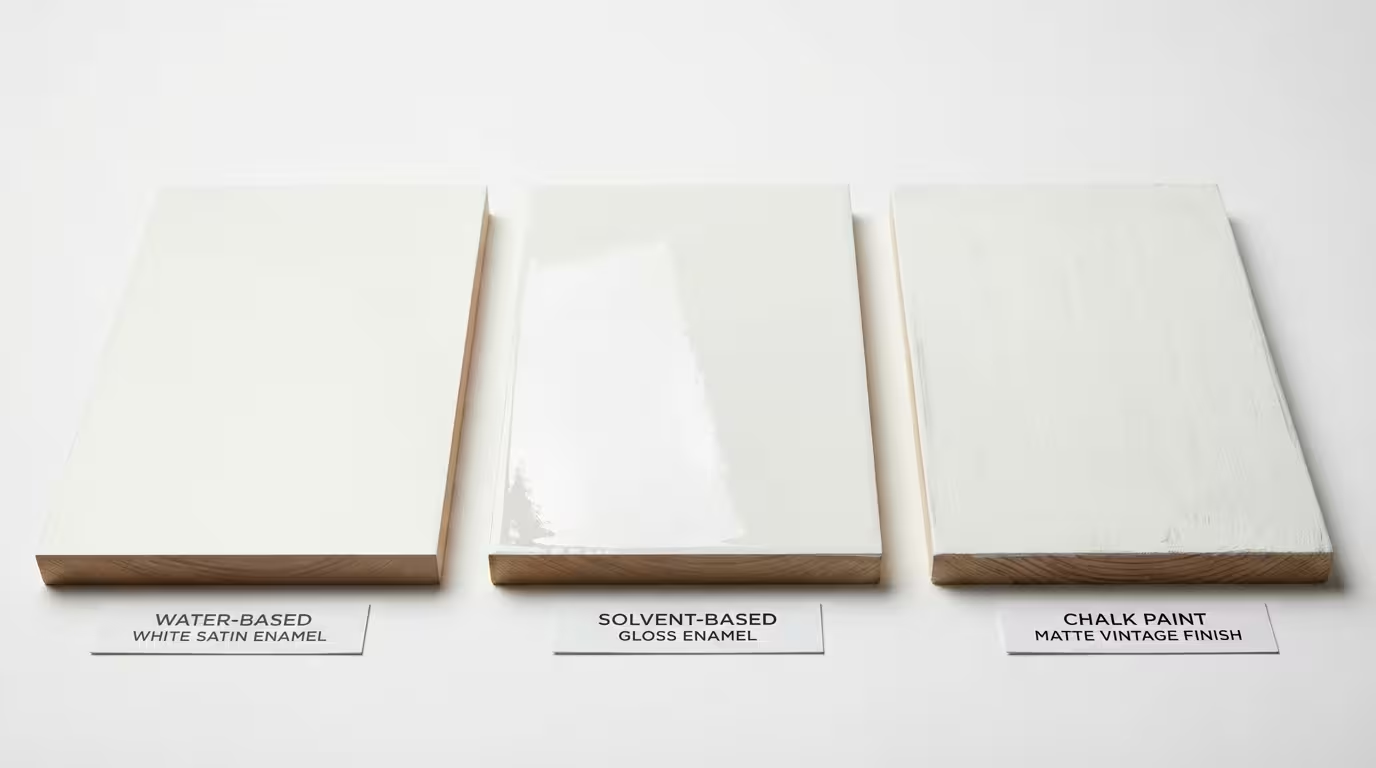
Water-Based Enamels (Acrylic / Polyurethane): These are
the modern, ecological trend. They are practically odourless, dry in 1-2
hours, do not yellow over time, and are easy to clean. They are the top
choice for interior doors, skirting boards, and wardrobes.
Solvent-Based Enamels (Oil Paints): The traditional solution.
They level exceptionally well, creating a mirror-like surface (especially
in gloss versions), and have extreme impact resistance. Disadvantage: Strong
smell, slow drying, and a tendency to yellow in dark areas.
Chalk Paints: The favourite choice of DIYers. They can
be applied to almost any surface with minimal sanding or priming. They give
a wonderful, completely matte (vintage) result. However, chalk paint is
porous. To prevent staining, it must mandatory be sealed
with special wax or clear water-based varnish at the end.
3. DIY Guide: The Correct Process
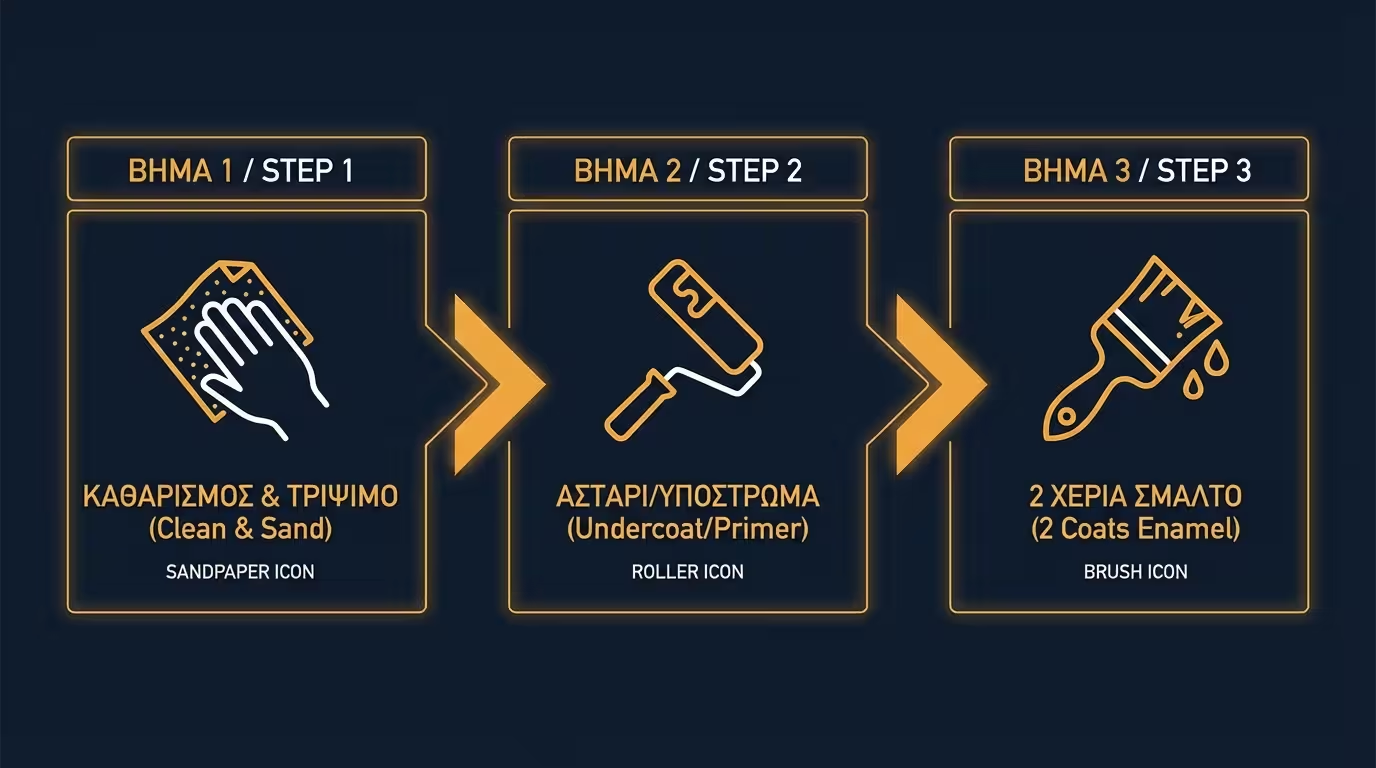
1. Cleaning and Light Sanding: Wash the wood (especially
kitchen cabinets) to remove grease. Pass over the surface with fine sandpaper
(e.g., No. 180 or 220) just enough to dull and roughen it (to create "tooth").
2. The Undercoat (Primer): Never apply the final colour
directly to bare wood. You need an undercoat (velatura). The undercoat is a matte, thick primer that fills pores, hides
imperfections, and creates the perfect base for the enamel to "hook"
onto.
3. Final Colour (Topcoat): Once the undercoat is dry, sand
it lightly, dust off, and apply 2 coats of enamel (with brush, roller, or
spray gun), allowing the required drying time in between.
4. Technical Corner: What Engineers Watch For
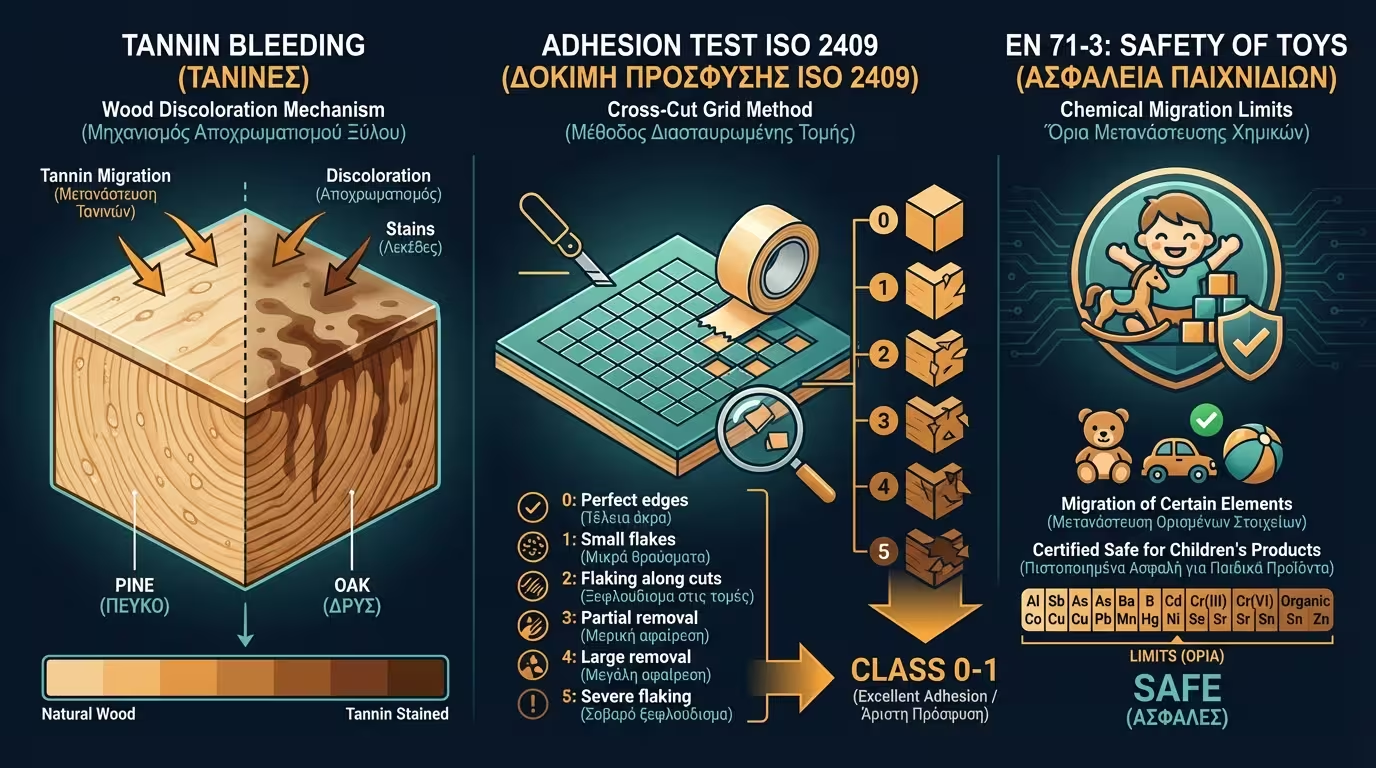
Tannin Bleeding (Catechin Migration): Many bare woods (like
pine at the knots, cedar, or oak) exude tannins and oils. If painted directly
with white water-based acrylic enamel, the tannins will bleed through the
paint, creating brown/yellow stains. It is necessary to use a special acrylic stain-blocking primer or a shellac-based primer before the final colour.
Adhesion (ISO 2409): When painting over old, hard lacquers
(e.g., melamine), adhesion is critical. The cross-cut test method is used
to ensure the substrate has anchored sufficiently. EN 71-3: If the furniture is intended for a child's room (e.g., a crib), both the
enamel and the undercoat must have EN 71-3 certification for toy safety.
5. Conclusion
Varnish is for "honouring" natural wood. Covering paint (enamel) is the
tool for renewal, modernization, and concealing wear. Choose the right
primer, sand with patience, and your old piece of furniture or door will
last for decades.