Alkyd systems
Alkyd and solvent-based systems oxidise over time. Yellowing is particularly visible in shaded spots where UV doesn't "clean" the surface.
Causes of discolouration and how to prevent it
White is the most common choice for apartment buildings - bright, clean, Mediterranean. However, in some cases yellowing or dulling is observed within a few years.
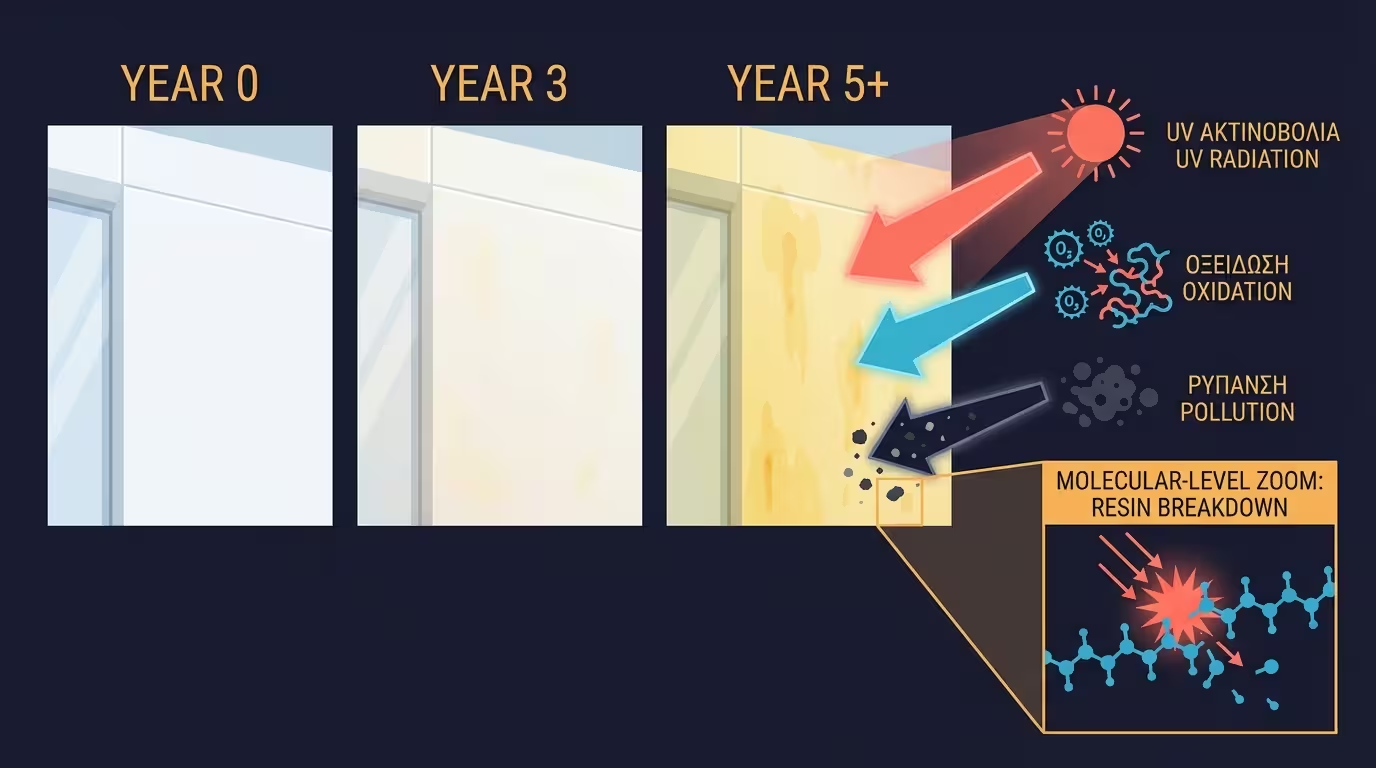
Three mechanisms trigger discolouration: UV radiation degrades the resin, film components oxidise, and pollutants accumulate on the surface.
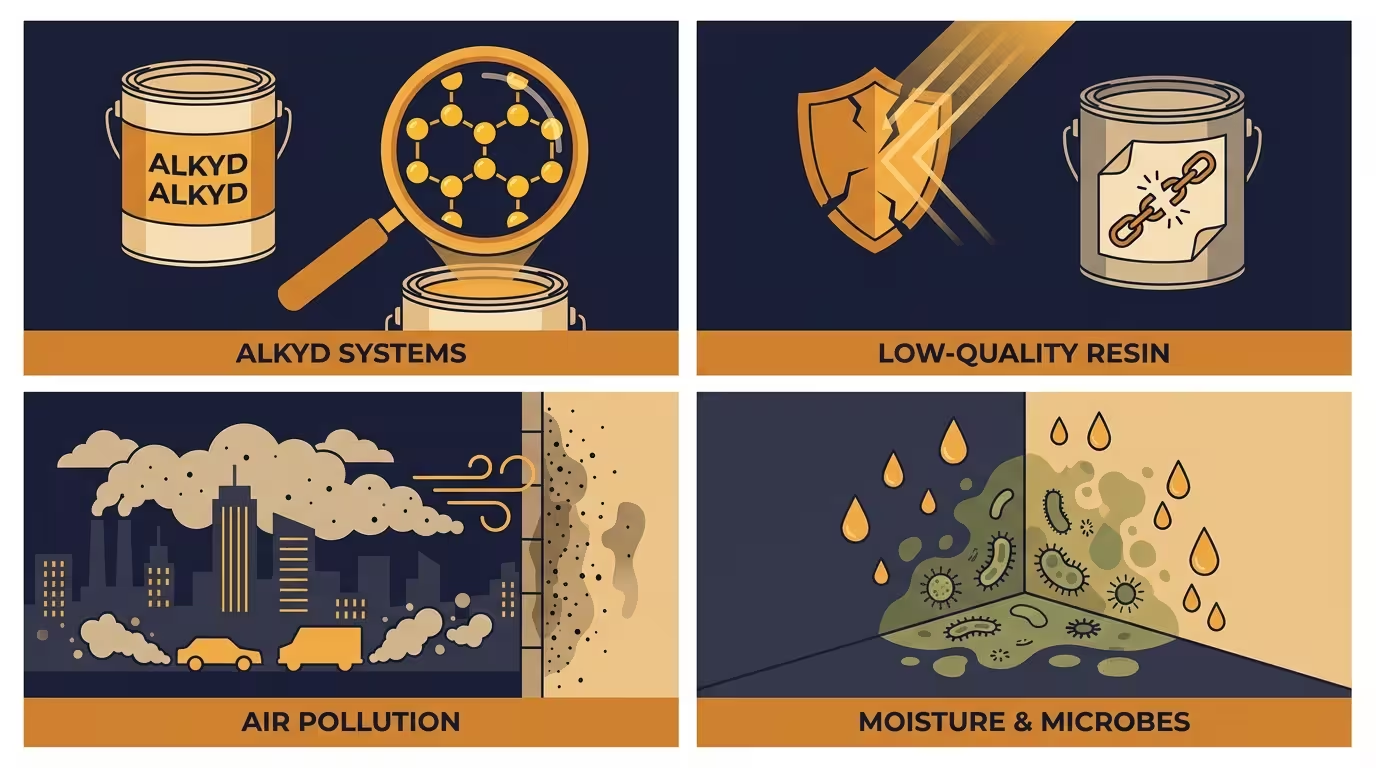
Yellowing is not random. Four factors are responsible in most cases.
Alkyd and solvent-based systems oxidise over time. Yellowing is particularly visible in shaded spots where UV doesn't "clean" the surface.
Budget products with poor UV resistance. The resin degrades faster and shifts the white tone.
Exhaust fumes, particles and airborne substances settle on the surface, creating a gradual tonal shift.
In high-humidity areas, microbiological deposits can develop that alter both colour and film integrity.
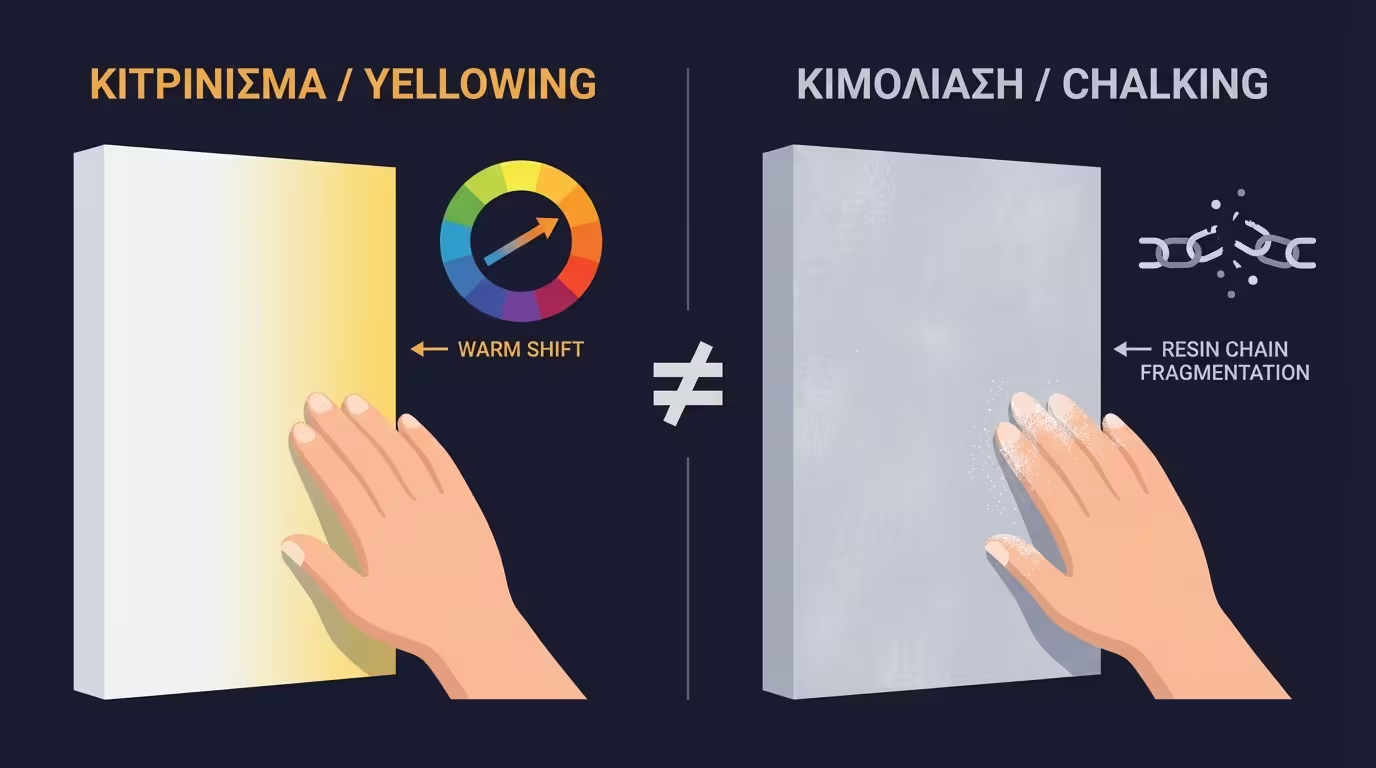
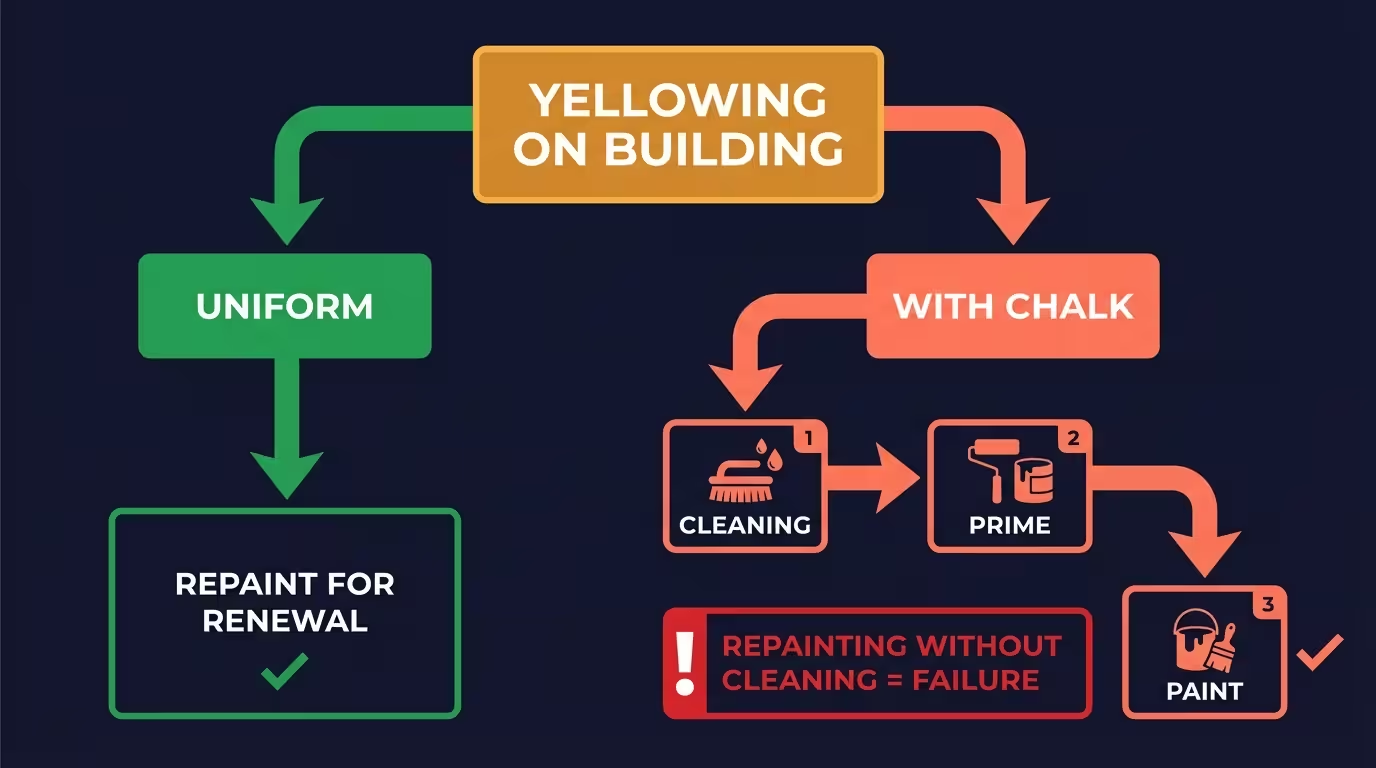
The distinction is critical for proper remediation. Yellowing is a colour tone change - you touch the surface and your hand stays clean.
Chalking is resin breakdown - your hand picks up white powder. Chalking means the resin has decomposed and requires cleaning and priming before repainting.
If the surface leaves powder on your hand, it isn't yellowing - it's chalking and needs a different treatment.
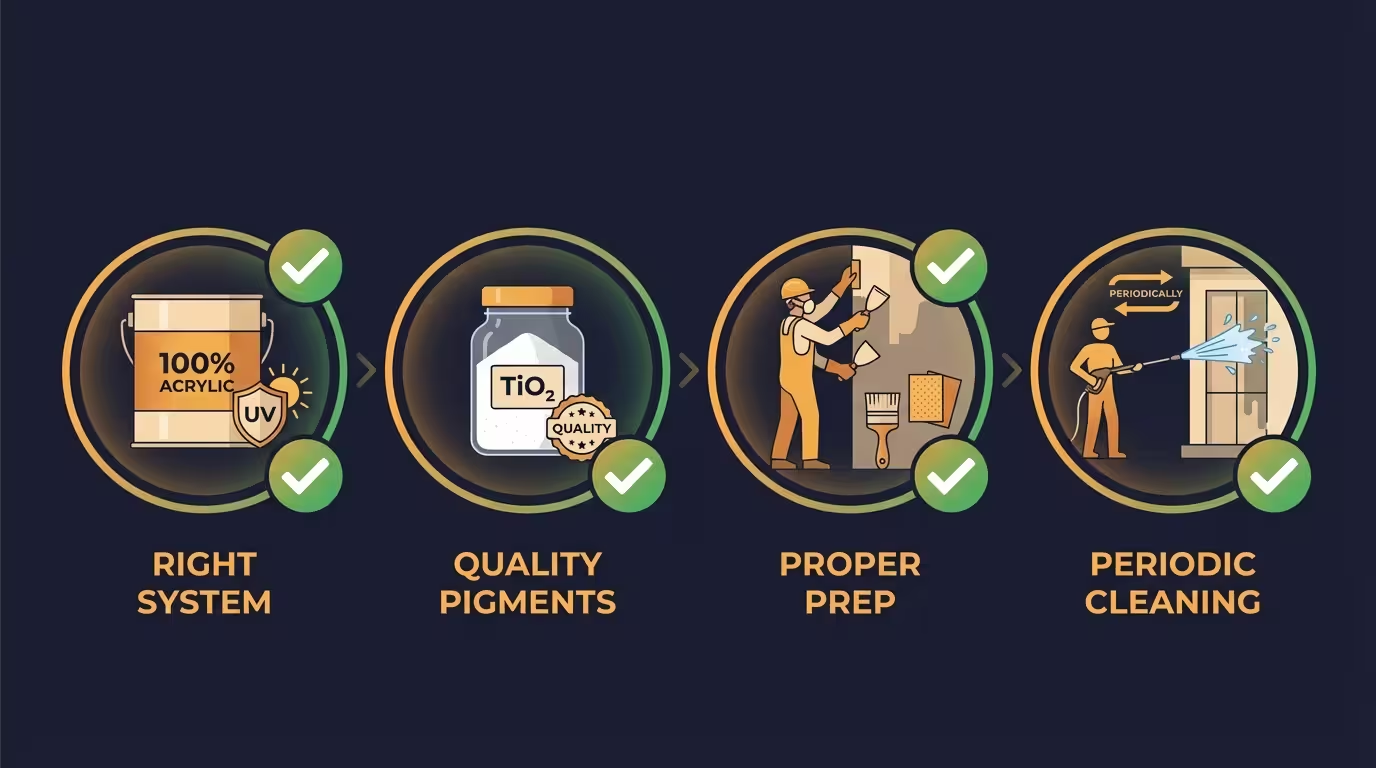
Four practical measures dramatically reduce discolouration risk.
Choose 100% acrylic or silicone-based systems. Modern acrylics offer significantly better UV resistance compared to older formulations.
Use high-quality white pigments (TiO₂). Cheap pigments degrade faster and promote discolouration.
Clean the substrate, remove loose old layers, apply primer. Painting over a dirty substrate accelerates deterioration.
Washing the facade every 3–5 years removes pollutants before they "set". Prevention costs far less than premature repainting.
If yellowing is uniform and purely aesthetic, a simple repaint is enough for renewal. No special preparation beyond basic cleaning is needed.
If it's accompanied by chalking, the process changes radically: pressure cleaning, stabilising primer, then the new application. Without cleaning, a new coat fails even faster.
Repainting a chalked surface without cleaning = accelerating the next failure.
Return to category.
Go to categoryReturn to the central guide.
Go to guide