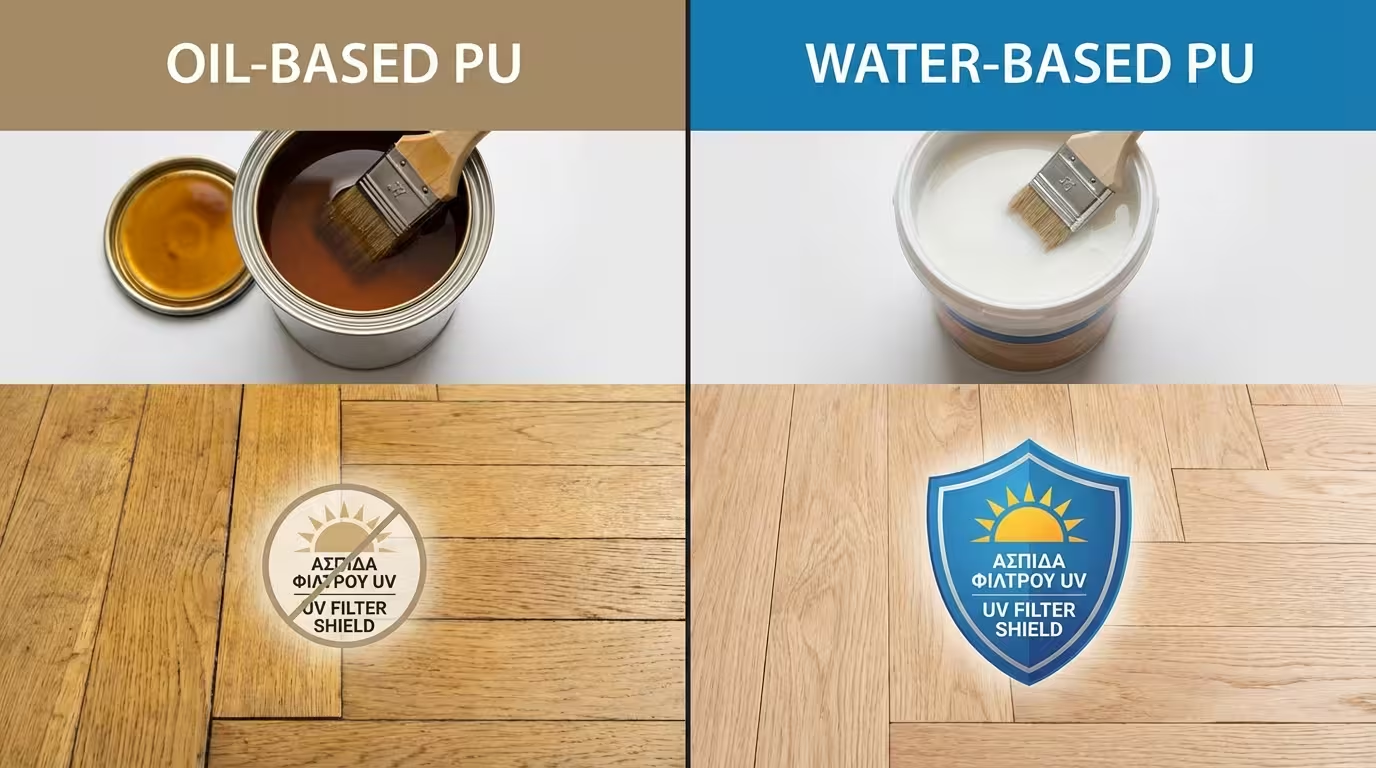
🧪 The Culprit: Oil-Based Varnishes
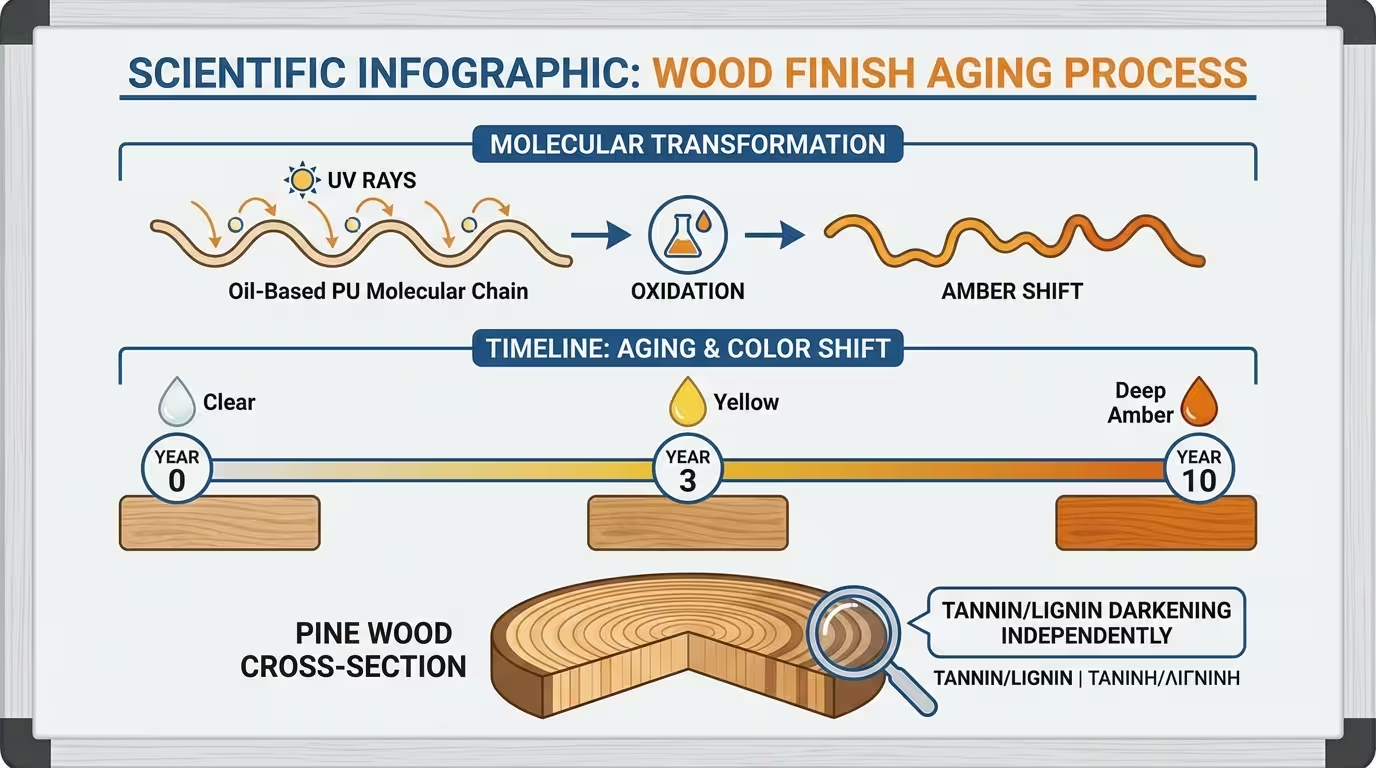
Oil-based PU and alkyd varnishes contain resins that oxidise → "ambering". They yellow even in the dark (dark yellowing).
It's not dirt or a stain - it's a chemical reaction. Learn the science, bust the myths, and discover the real solutions.
Yellowing is a natural chemical reaction caused by the varnish composition and light exposure:
Oil-based PU and alkyd varnishes contain resins that oxidise → "ambering". They yellow even in the dark (dark yellowing).
Pine, beech, oak: tannins and lignin photo-degrade → honey colour, regardless of the finish. Lignin photo-oxidation is a permanent structural change.
White chalk paint + solvent varnish = instant yellowing. Without stain-blocker = tannins bleed through the white coat.
UV radiation excites specific chromophore groups within the resin (especially aromatics). These absorb UV energy and shift the molecular structure to reflect light in the yellow/brown spectrum.
Photons break chemical bonds in the polymer, creating free radicals. These initiate a chain reaction that degrades the resin, leading to yellowing and eventual embrittlement or cracking.
Stop searching for baking-soda cleaning "hacks". Yellowing is not on the surface - it's a structural change inside the cured resin film.
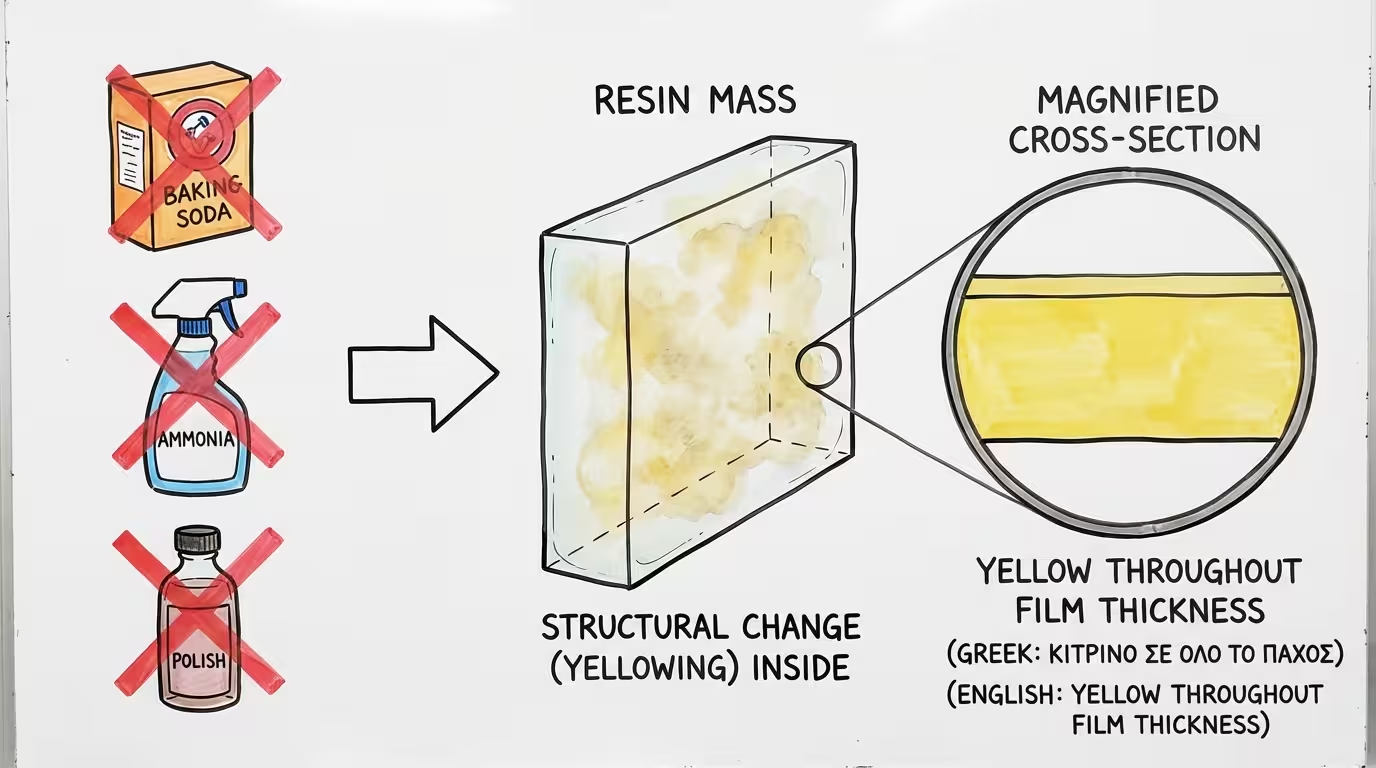
⚠️ No detergent, polish, or chemical soap can reverse resin oxidation and make it transparent again.
Since the varnish has "baked" and yellowed, your options are:
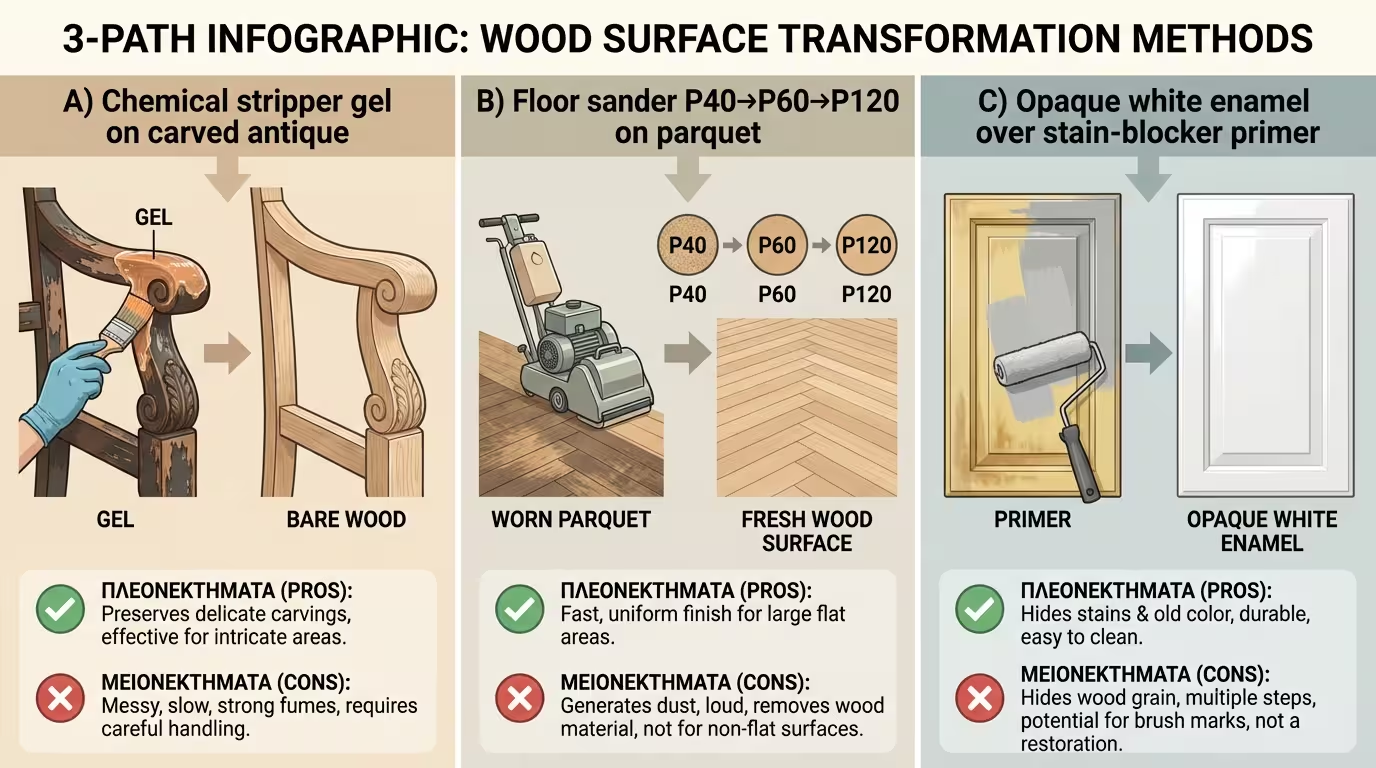
No sanding needed - ideal for carved pieces. Gel → 15-30 min → plastic spatula → bare wood. Clean with solvent.
For floors and dining tables. P40-60 strip → P120 smooth → new finish.
If you don't mind hiding the grain. Mat old varnish + Stain-Blocker (mandatory!) + enamel.
How to ensure it won't yellow again:
Looks like milk in the can, dries crystal clear. Creates a perfectly transparent film that never yellows, no matter how many years pass.
Modern finishes use HALS (Hindered Amine Light Stabilizers), which scavenge free radicals before they can damage the resin, and UVA absorbers that shield the underlying timber from "sunburn".
💡 Rule: White furniture + varnish = ONLY water-based! Never oil-based!
Why do some 2K PU varnishes yellow while others don't? The answer lies in isocyanate chemistry:
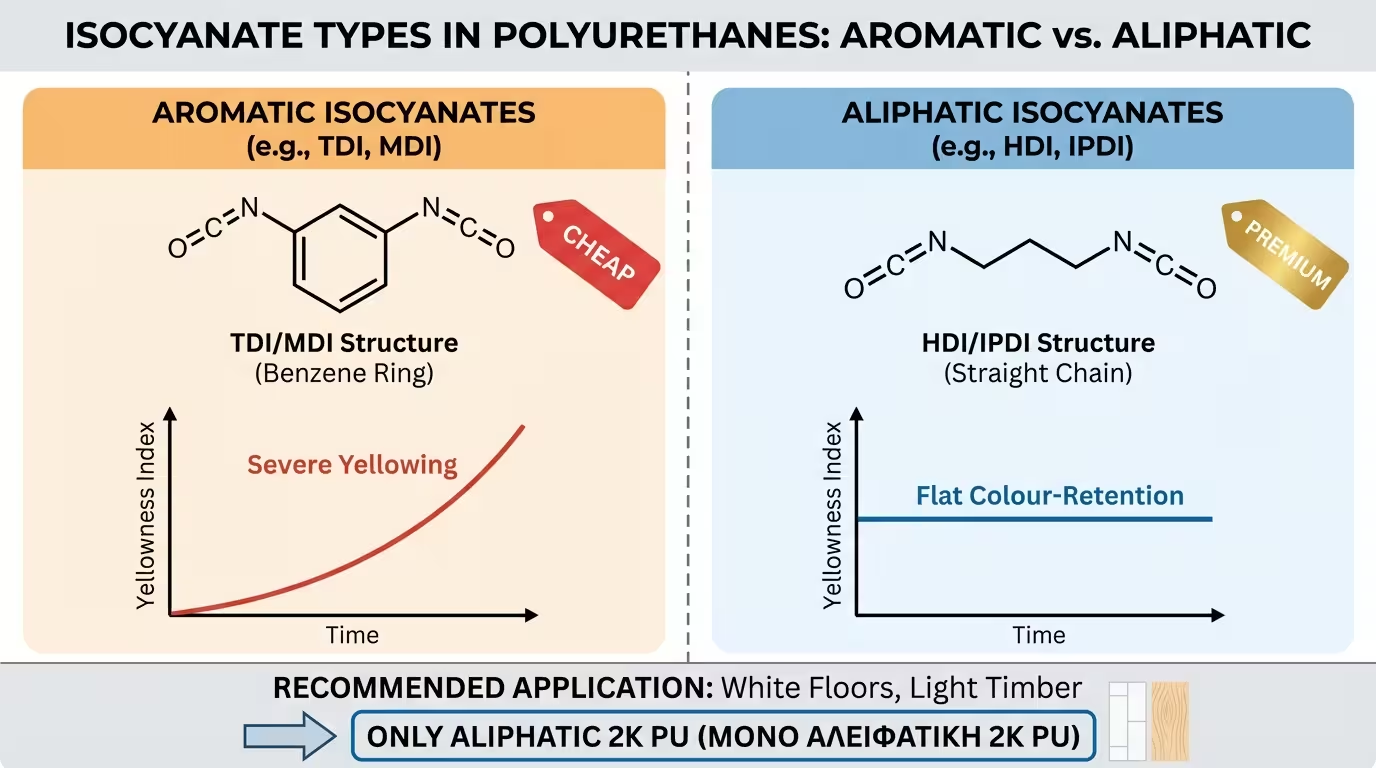
Cheaper, ultra-durable - but severe photo-degradation and intense yellowing under UV exposure.
Excellent colour retention. Unaffected by sunlight - ideal for exposed timber.
📐 Engineer's Rule: For white PU floors or light-coloured exposed timber → strictly aliphatic 2K PU (HDI/IPDI).
Return to category.
Go to categoryReturn to the central guide.
Go to guide