Class 1 - Ultimate Durability
The most resilient paints on the market. They withstand repeated, vigorous washing - even with a brush and mild detergents - without fading or losing their surface texture.
Have you ever tried wiping a stain off the wall - only to find the paint coming off along with it? That frustrating experience comes down to one thing: scrub resistance. The European standard EN 13300 classifies every interior paint into five clear classes - from ultimate durability to purely decorative. Let's see what each class means in practice, where it pays to spend more, and where you can safely save.
When reading a paint label or technical data sheet, you'll see a reference to the scrub resistance Class. This number tells you how well the coating withstands everyday washing and scrubbing. Here's what each class means in practice:
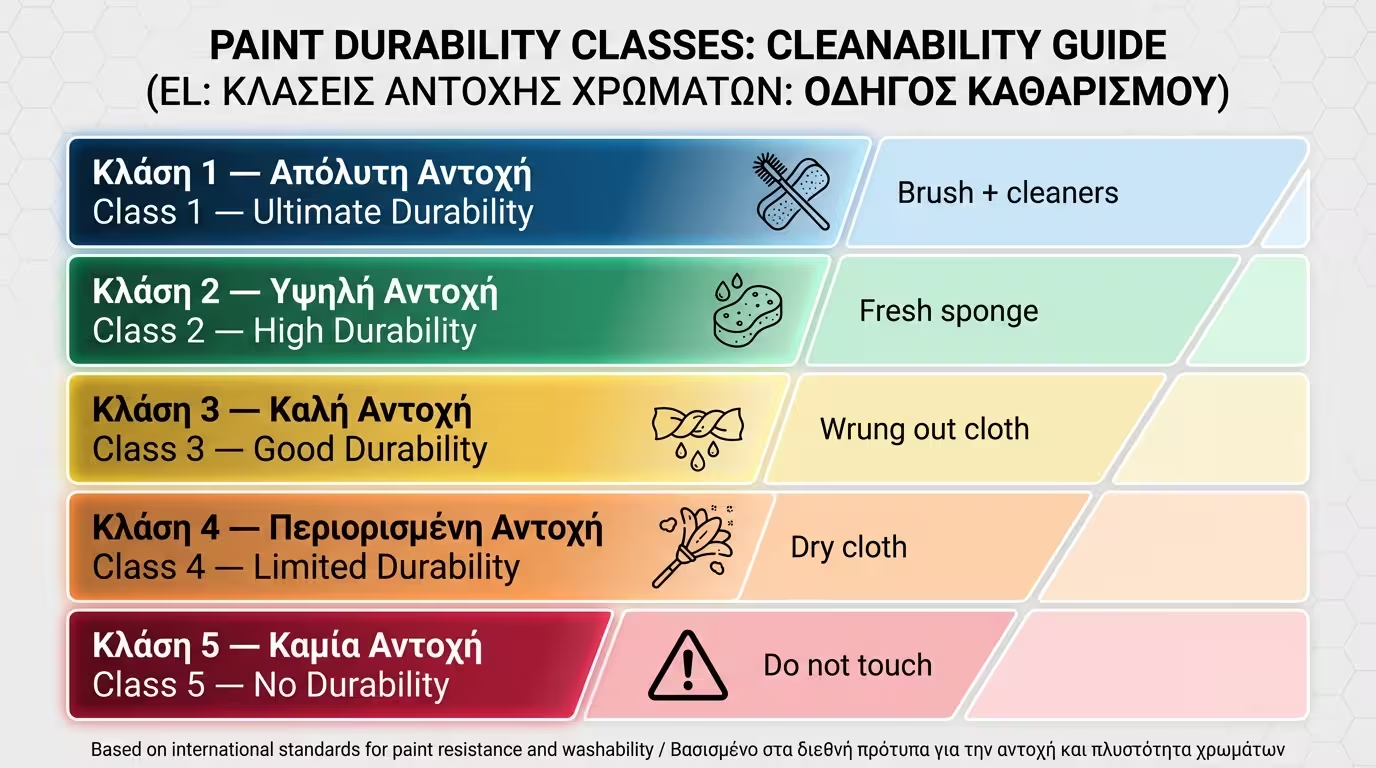
The most resilient paints on the market. They withstand repeated, vigorous washing - even with a brush and mild detergents - without fading or losing their surface texture.
Excellent washable paints, ideal for 90 % of residential needs. Stains can be cleaned with a damp cloth or soft sponge and a little soap, with zero risk to the surface.
These handle gentle wiping with a well-wrung cloth. Scrubbing or chemical cleaners will start removing paint and texture.
Dry cleaning only - a gentle pass with a duster. Using a wet sponge will leave a visible mark on the coating.
The most affordable, purely decorative paints. If you run a sponge across them, the paint literally transfers onto the sponge on the first pass.
On older technical data sheets or German products, you may encounter the legacy standard DIN 53778. Under that system, today's Class 2 is labelled "abrasion-resistant" and Class 3 is labelled "wash-resistant."
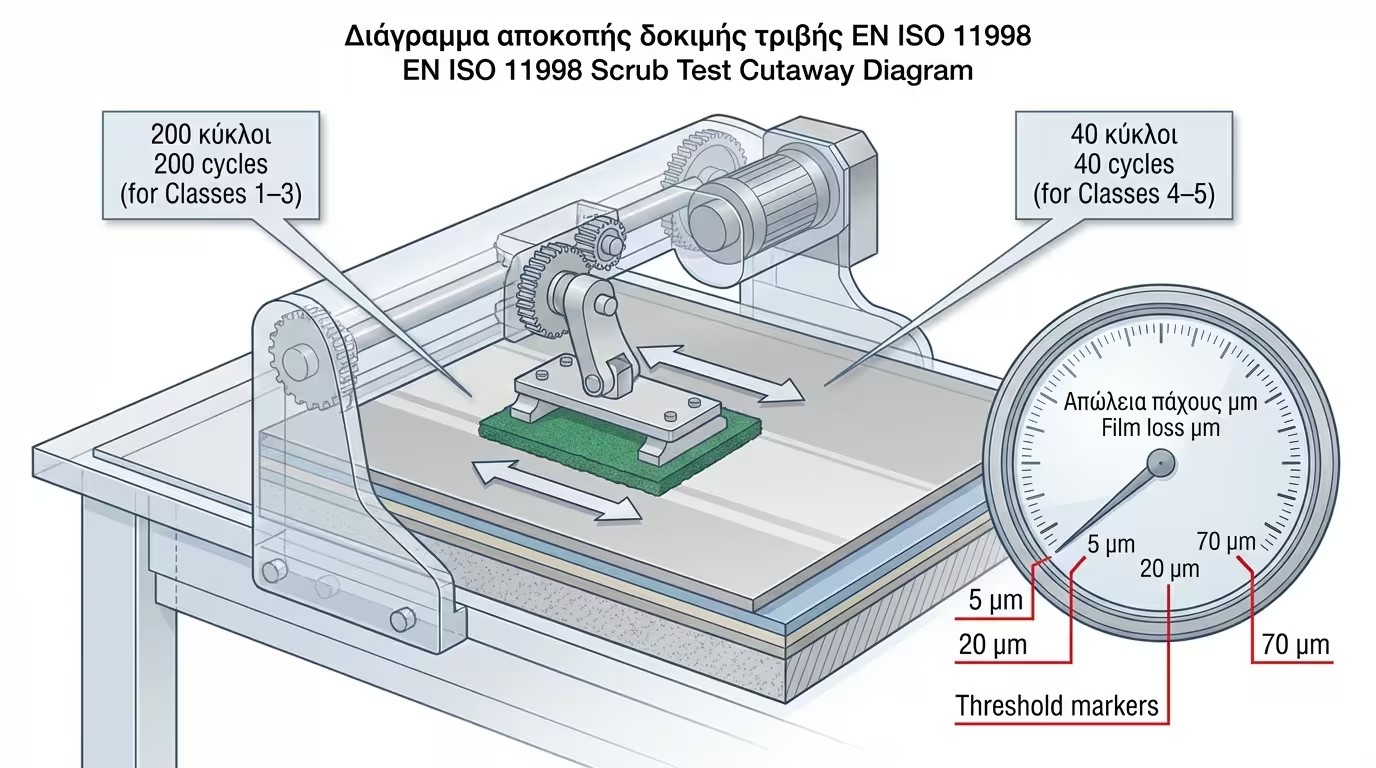
Behind the numbers lies a rigorous laboratory test. Under the standard EN ISO 11998, a machine scrubs a coated test panel using a standard abrasive pad (Scotch-Brite). The classification depends on how much film thickness (in micrometres - µm) the coating loses after a specific number of scrub cycles.
| Class | Scrub cycles | Max. film loss |
|---|---|---|
| Class 1 | 200 | < 5 µm |
| Class 2 | 200 | ≥ 5 µm and < 20 µm |
| Class 3 | 200 | ≥ 20 µm and < 70 µm |
| Class 4 | 40 | < 70 µm |
| Class 5 | 40 | ≥ 70 µm |
Notice that Classes 4 and 5 are tested at just 40 cycles - five times fewer than Classes 1–3. That's why a Class 1 coating remains untouched where a Class 5 would leave the plaster exposed.
Class 1 and 2 paints cost more because they contain a much higher proportion of quality acrylic resins - the binders that lock pigments in place and create a hard, washable film. This investment pays for itself in the spaces that genuinely take a beating:
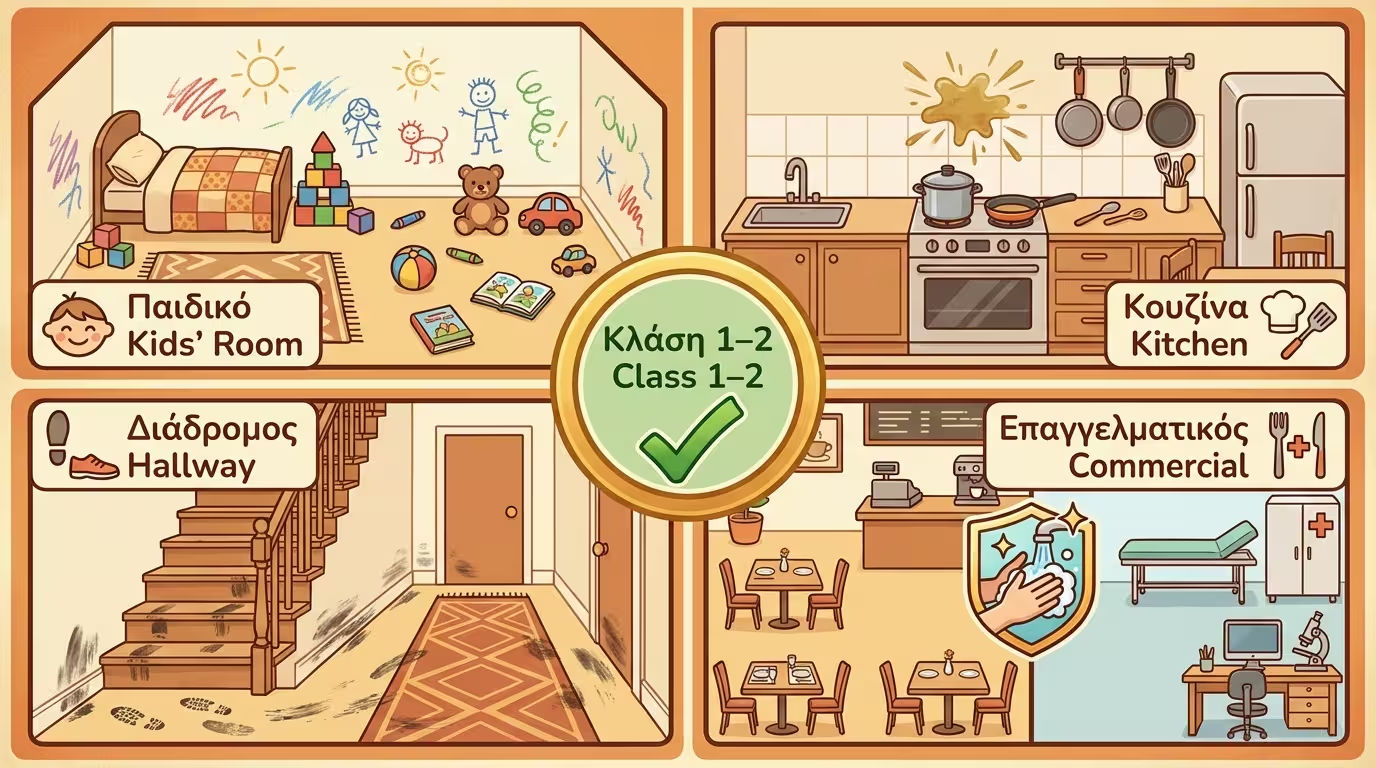
Markers, sticky fingers, juice spills - the daily life of a kid's room demands Class 1. Otherwise, you'll be repainting every year.
Grease, food stains, water splashes - spaces that require frequent, intensive cleaning. Class 1 or 2 is the only safe choice.
High-traffic areas attract bags, shoes, and dirty hands. Scuff marks appear fast - a washable paint removes them without a trace.
Restaurants, clinics, offices: hygiene is paramount and wear is constant. Only Class 1 guarantees long-term durability.
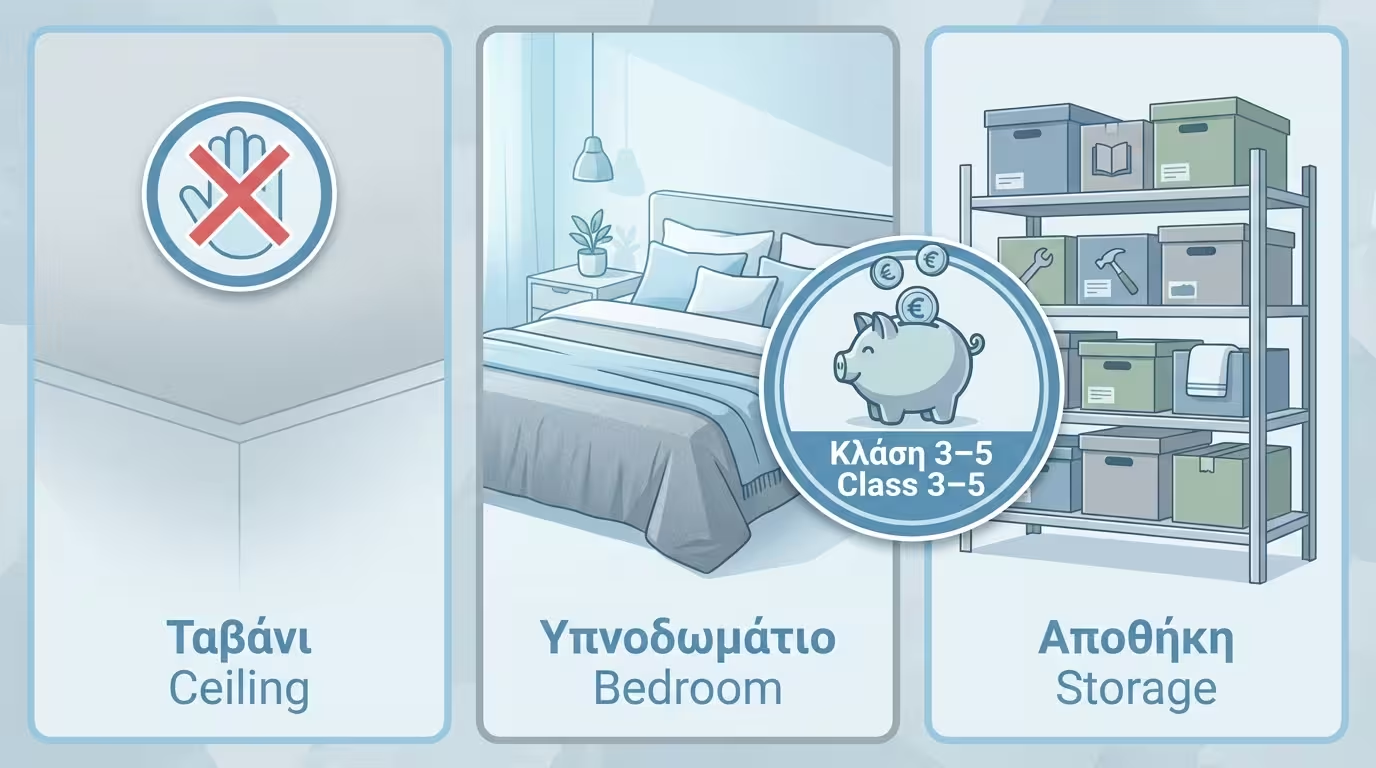
Not every wall in your home needs to be armour-plated. Many surfaces are never touched - and for those, an expensive Class 1 paint is simply money wasted:
Nobody touches a living-room or bedroom ceiling. A decent Class 3 - or even a simple Class 4/5 emulsion - does the job equally well.
Walls see minimal wear. Class 3 means savings with zero compromise on appearance.
In rooms you just want to freshen up cosmetically, there's no reason to pay for high scrub resistance.
Always ask: "How often will this wall need cleaning?" If the answer is "almost never," save on the class and invest where it truly matters.
Next time you're at the paint store, don't just look at the colour and the price. Check the tin or technical data sheet for the EN 13300 certification and the class number. Invest wisely in Class 1 or 2 for the rooms you live in hard - kids' rooms, kitchen, hallway - and save money by using classes 3–5 on ceilings, adult bedrooms and storage.
The right combination of classes across each space minimises maintenance, extends paint life, and keeps your walls looking fresh far longer.
Return to category.
Go to categoryReturn to the central guide.
Go to guide