🛠️ PVA Glue Method (DIY)
Make a mixture of white wood glue (PVA) and water (approximately 80% glue - 20% water, or 50-50). Brush the edges. The glue penetrates, hardens the fibres and creates a smooth, sealed base that sands easily.
Painting success depends entirely on understanding each material's nature and, above all, on proper preparation before the first drop of paint falls.
MDF is an industrial product made from fibres (sawdust) of hard and softwood, mixed with resins and wax under high pressure and temperature. Due to the absence of natural wood grain and knots, MDF provides an extremely smooth and uniform surface, ideal for painting with enamels or lacquers.
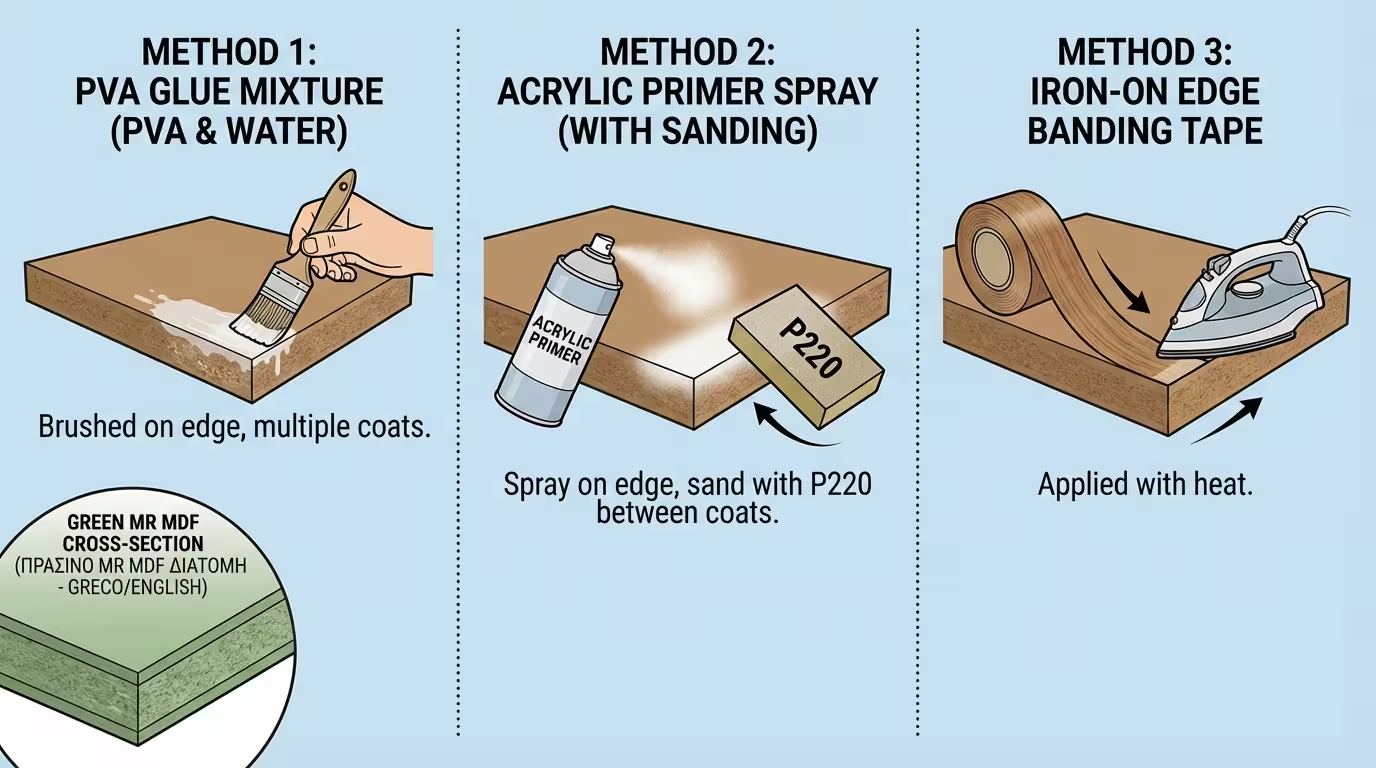
While the MDF surface is smooth, its cut edges are extremely porous. If you paint directly there, the material will absorb the paint via capillary action. The water in water-based paints causes fiber swelling, leaving the edge rough, "fuzzy," and with highly uneven absorption.
Make a mixture of white wood glue (PVA) and water (approximately 80% glue - 20% water, or 50-50). Brush the edges. The glue penetrates, hardens the fibres and creates a smooth, sealed base that sands easily.
Many professionals prefer 2-3 coats of acrylic primer on the edges, lightly sanding between coats. For the ultimate "glass" result, applying a thin layer of wood filler followed by fine sanding guarantees a perfect finish.
The quickest but most expensive solution: iron on a melamine or veneer tape to the edges, which is then painted along with the rest of the piece.
Standard (White/Brown) MDF: Absorbs moisture easily and swells - unsuitable for outdoors or bathrooms.
Moisture-Resistant MDF (MR): Identified by its characteristic green core. Contains special moisture-resistant resins allowing it to withstand humidity, making it the ideal choice for bathroom cabinets, skirting boards and kitchens. Painting preparation is the same, but it ensures the furniture won't be destroyed if it gets wet.
Plywood is made from thin sheets of real wood (veneers) glued crosswise, offering unmatched mechanical strength, lighter weight compared to MDF and a natural wood appearance. If you like the wood grain, a clear varnish or oil is all you need.
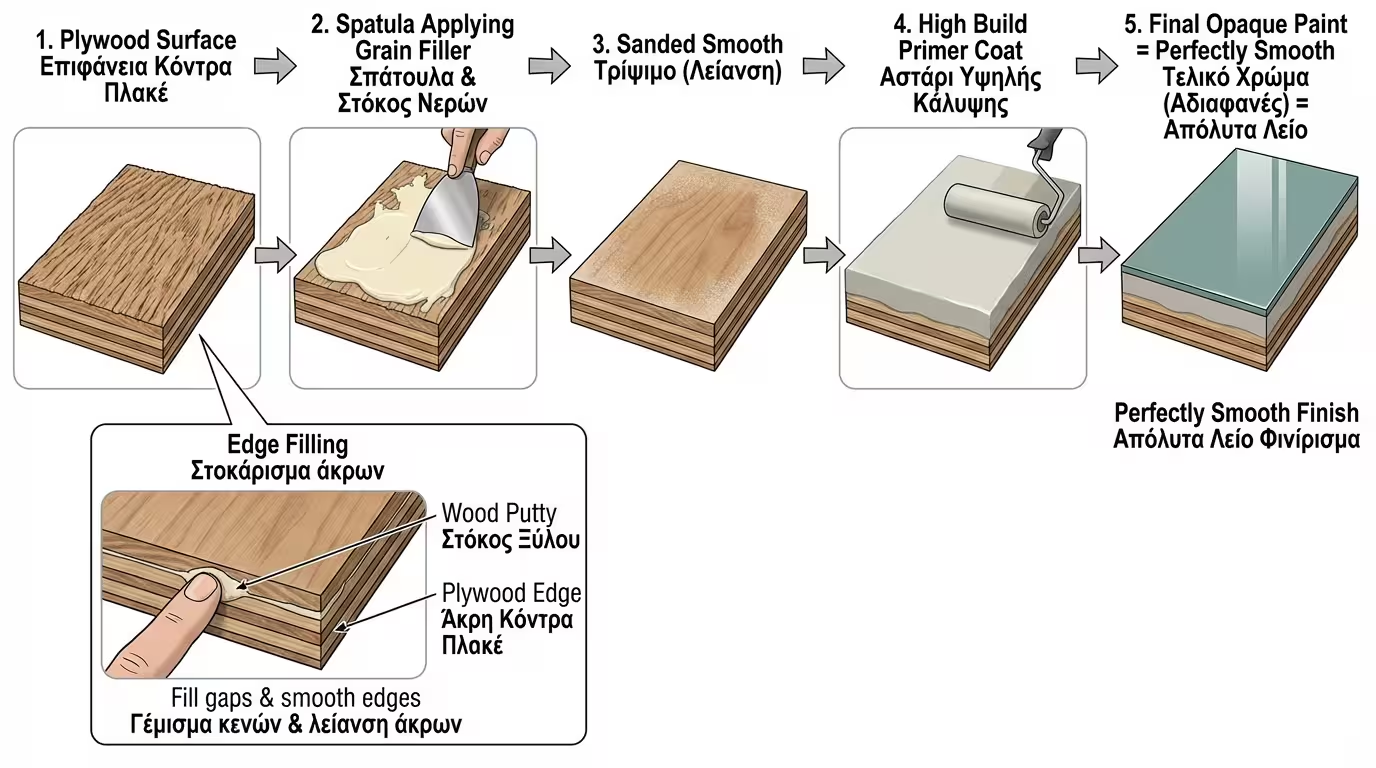
If you want to paint plywood with a solid-colour enamel (e.g. matte black or white) and DON'T want the natural grain showing through, the process requires:
Spread a water-based or oil-based grain filler across the entire surface with a putty knife to fill the pores and grooves.
Once dry, sand with fine sandpaper (e.g. 220 grit) so the filler remains only inside the pores.
Alternatively or additionally, apply a high solids primer (high build). These materials provide significant dry film thickness (DFT), filling micro-imperfections and grain texture to create a perfectly flat substrate.
💡 Edge tip: Plywood edges (where the laminate layers are visible) also need to be well filled with wood filler and sanded if you want them to look like solid wood before painting.
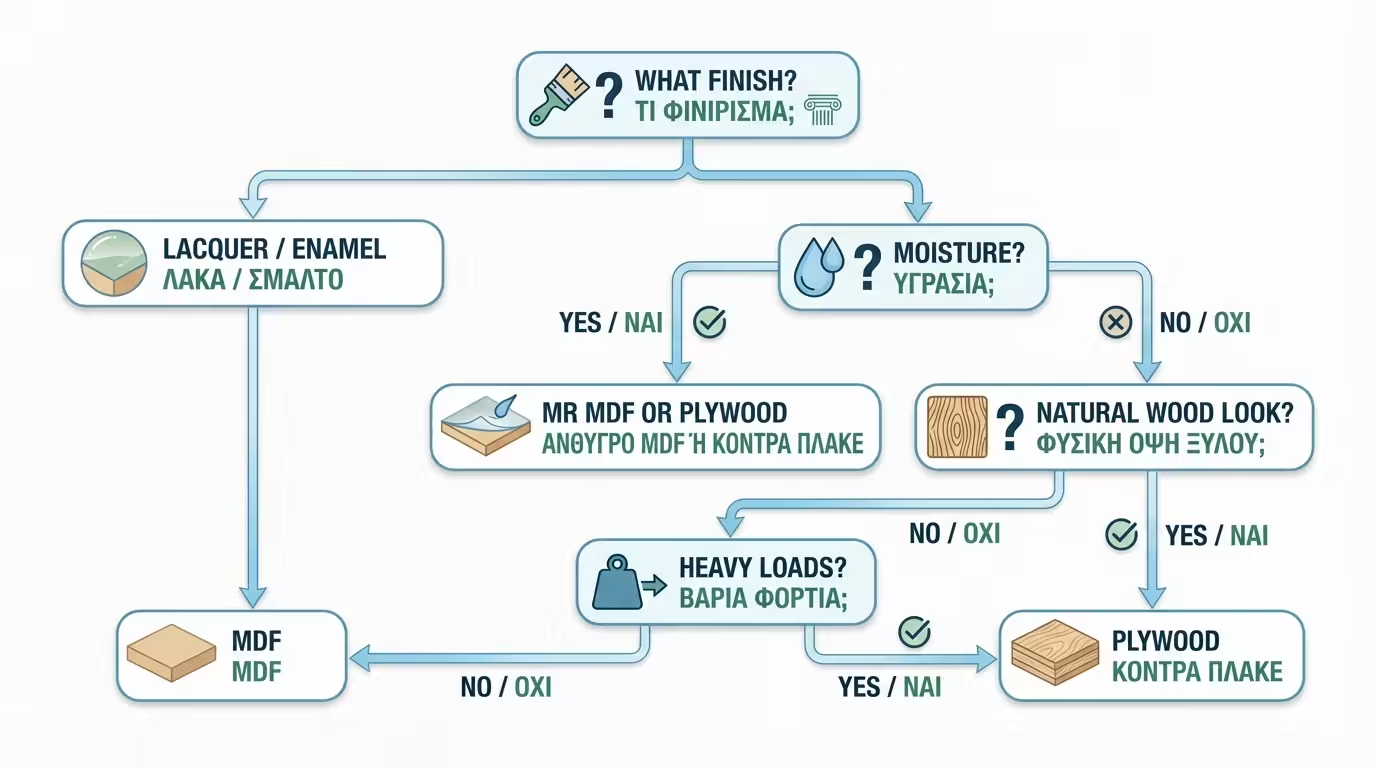
To decide which material to buy for your next project, follow this simple guide:
Choose MDF. Its smooth surface is ideal for a perfect paint job, as long as you seal the edges with primer or glue.
Choose Moisture-Resistant MDF (Green) or Plywood. Standard MDF will swell immediately.
Choose Plywood. Its real veneer accepts varnishes and penetrating stains perfectly.
Choose Plywood. Its crosswise veneer arrangement provides tremendous mechanical strength, while MDF tends to "sag" (bow) under sustained weight over long spans.
Return to category.
Go to categoryReturn to the central guide.
Go to guide