The Bathroom - King of Steam
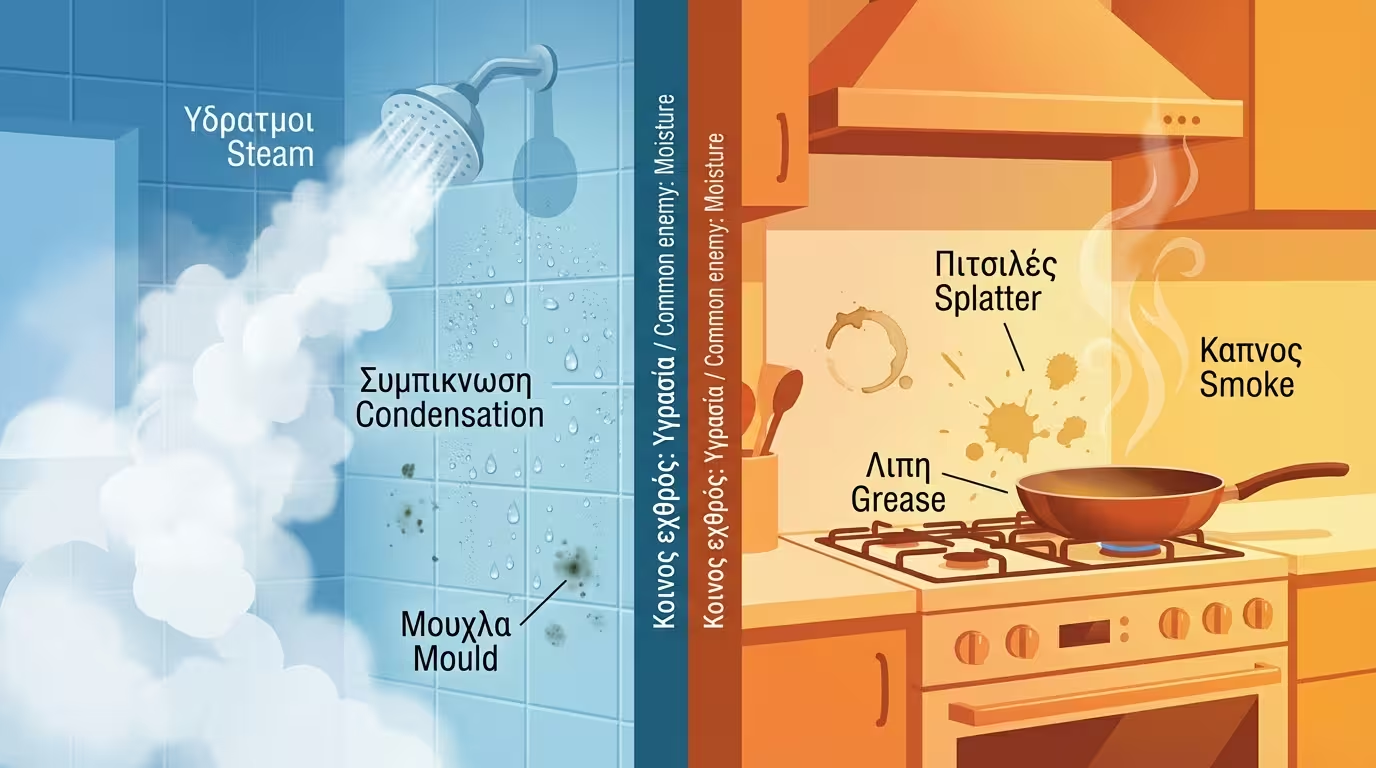
During a hot shower, huge amounts of steam fill the room. When that steam hits cold walls (condensation), it creates the perfect breeding ground for mould.
The kitchen and bathroom are the most demanding rooms in any home. If you paint them with a standard living-room emulsion, your effort will be wasted - stains, cracking and black spots will appear very quickly. Let's see which paint truly holds up, when it solves the problem, and when it merely covers it up.
Bathrooms and kitchens share the moisture challenge, but their demands differ noticeably:
During a hot shower, huge amounts of steam fill the room. When that steam hits cold walls (condensation), it creates the perfect breeding ground for mould.
Here the main enemy is grease, food splatter and smoke. The paint must resist stains (stain-resistant) and clean easily.
For paint to survive tough conditions, look for four critical properties:
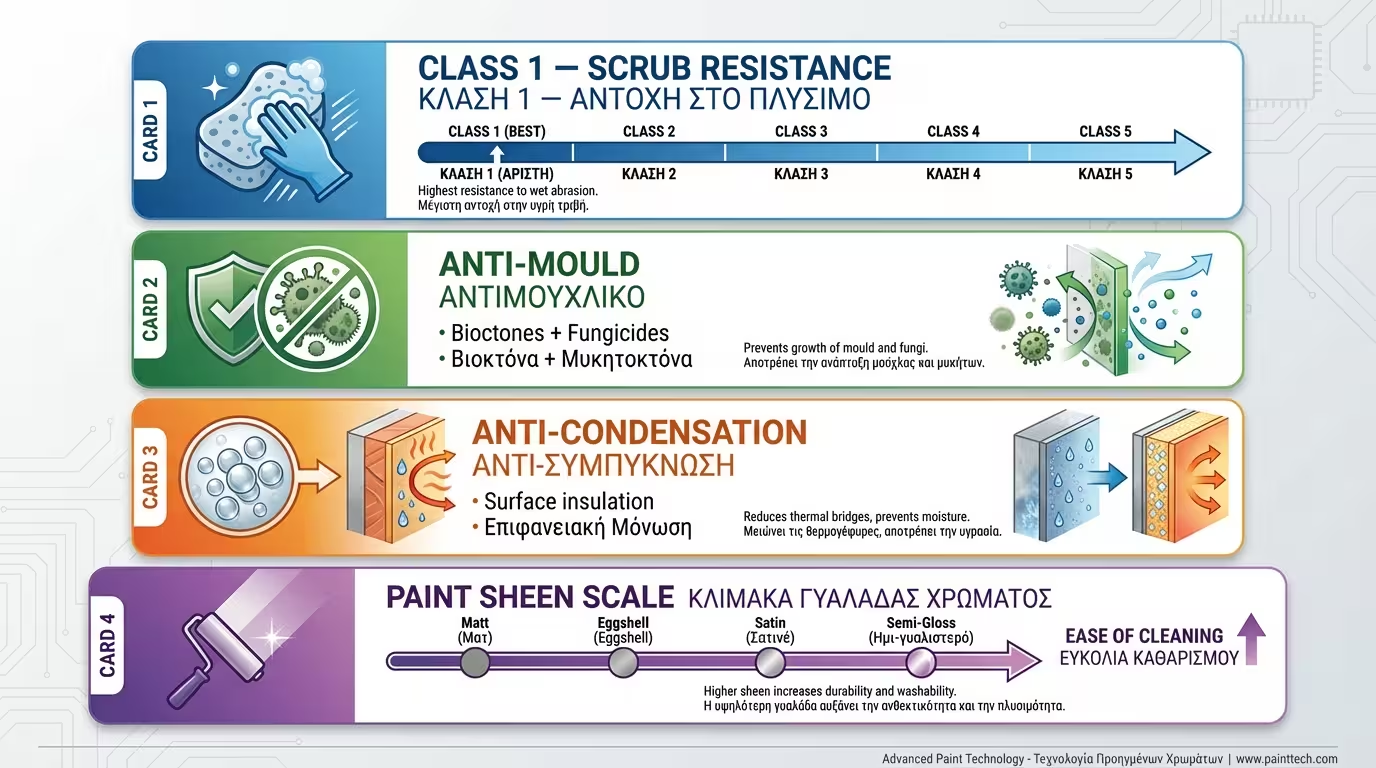
The most important spec. Lets you scrub grease, stains and soap residue with a sponge without damaging the paint film.
Paints containing biocides and fungicidal additives actively prevent mould spores from growing on the surface.
A different approach: contain glass microspheres that insulate thermally - keeping the wall warmer and preventing condensation (tackling the cause of mould).
Satin or eggshell finishes clean more easily. However, modern ultra-washable matte paints with hydrophobic technology (beading effect) now rival them.
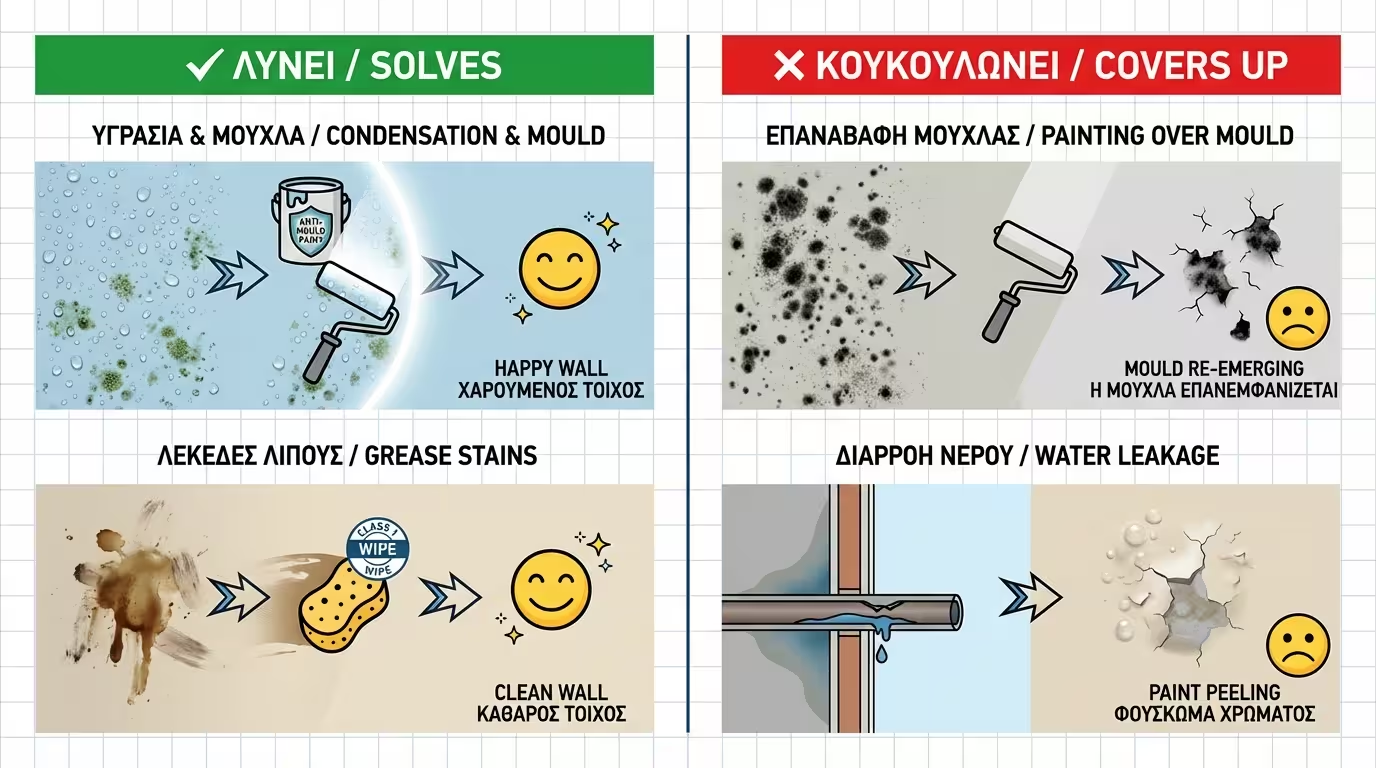
An expensive "specialist" paint is no magic wand. The difference comes down to the source of the problem:
Mould caused purely by steam due to poor ventilation? An anti-mould/anti-condensation paint deals with this effectively.
A Class 1 paint with stain-repellent technology stops grease and coffee from penetrating the pores of the wall.
If you paint without first killing the mould (bleach or biocide), it will keep feeding under the paint film.
Broken pipe, poor roof waterproofing or rising damp? No paint can replace structural waterproofing.
Follow these logical steps for each room separately:
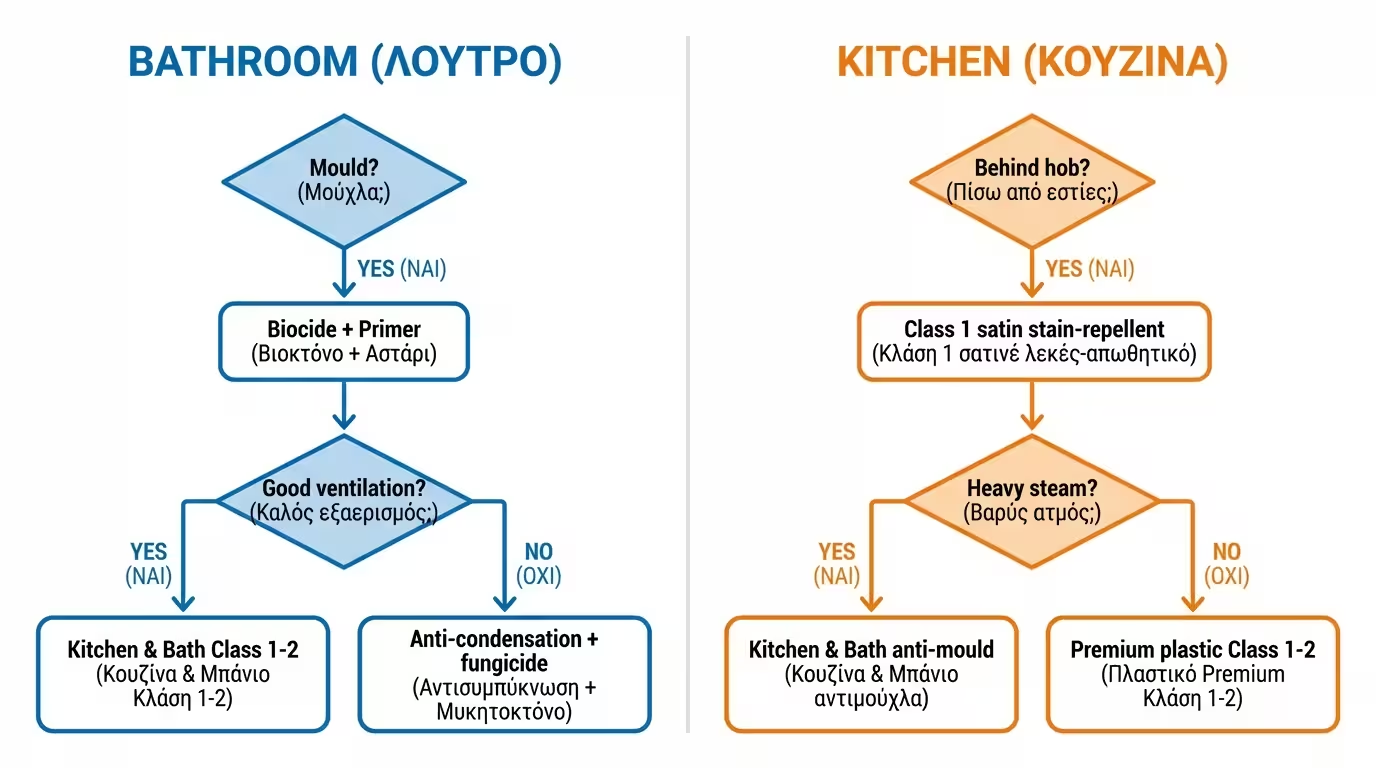
| Room | Question | Answer & Solution |
|---|---|---|
| Bathroom | Is mould already present? | YES → Clean with biocide + stain-blocker primer first |
| Good ventilation + insulation? | YES → Anti-mould Kitchen & Bath paint (Class 1-2) | |
| Cold ceiling, poor extraction? | YES → Anti-condensation paint + fungicidal action | |
| Kitchen | Wall behind hob/sink? | YES → Class 1 scrubbable, satin/semi-gloss, stain-repellent |
| Heavy steam without extractor? | YES → Anti-mould Kitchen & Bath (especially ceiling) | |
| Dining area ceiling/walls? | Premium emulsion Class 1-2 is sufficient |
In the kitchen and bathroom, paint selection must be strategic. Always look for Class 1 scrub resistance, check whether anti-mould or anti-condensation technology is needed, and - above all - never paint over live mould or structural damp. The right diagnosis before painting saves money, time and frustration.
Return to category.
Go to categoryReturn to the central guide.
Go to guide