🛡️ Pore Sealing
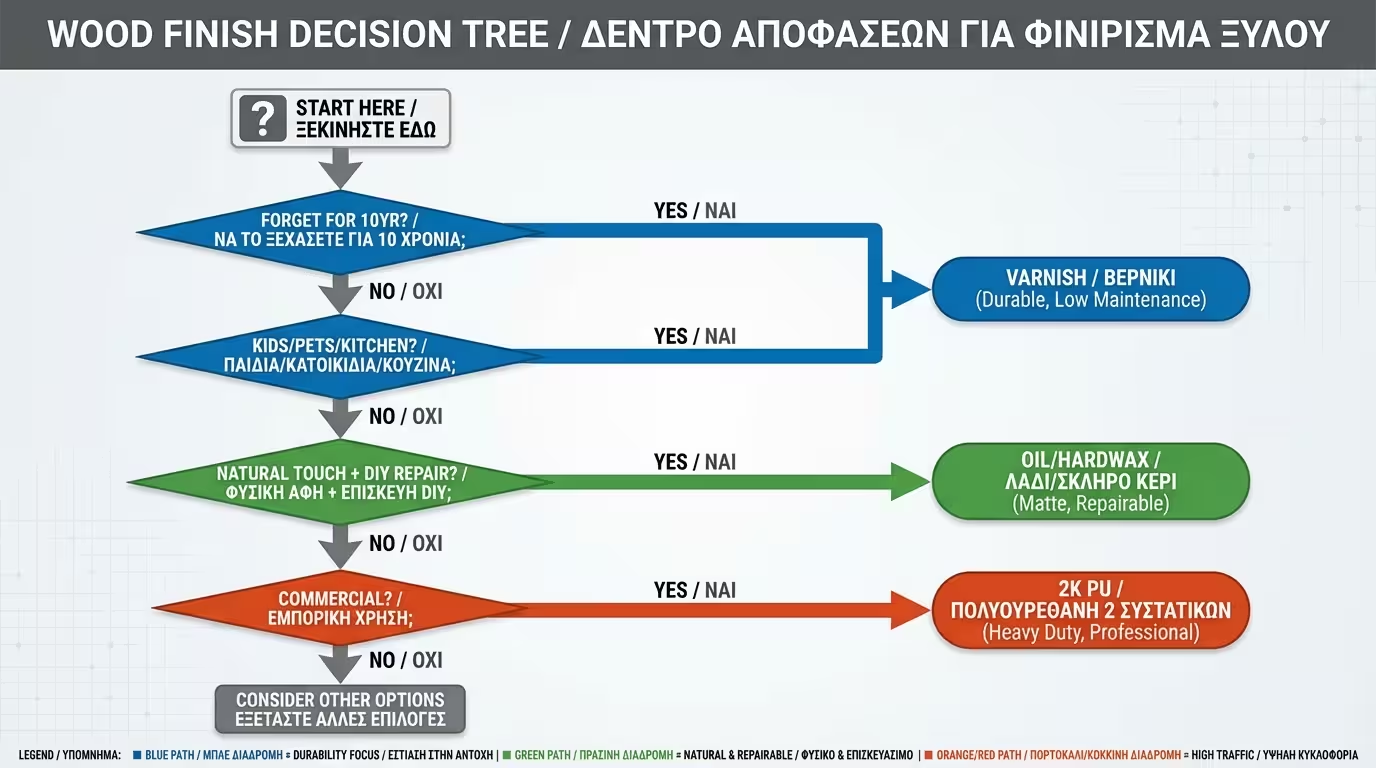
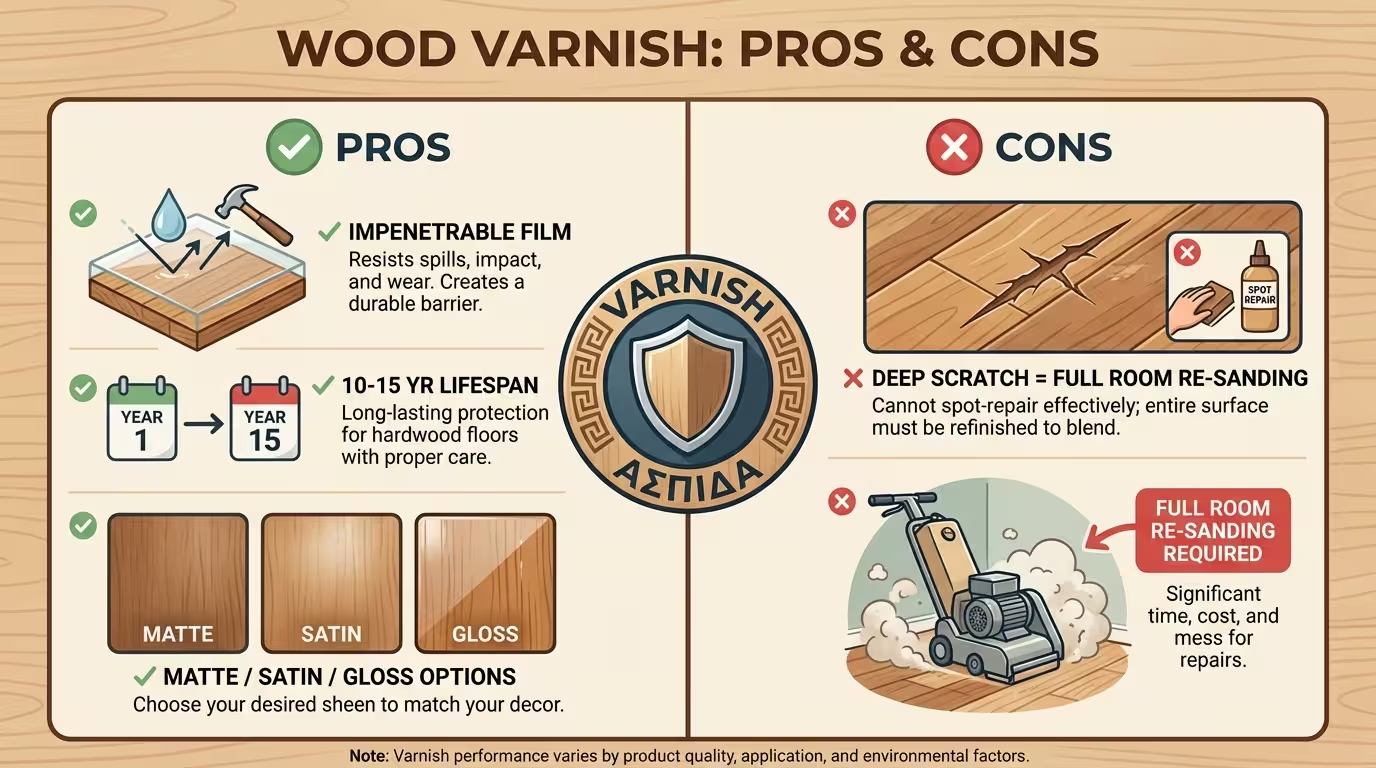
Varnish creates a waterproof membrane. Liquids (water, wine, coffee) stay on the surface and do not penetrate the wood. It is the "setup and forget" protection system.
Choosing between oil and varnish is not just a technical decision, but a choice of lifestyle and aesthetic perception of space.
From the impenetrable "shield" of modern 2K water-based varnishes to the living, organic feel of Hardwax Oils, we analyze the differences in maintenance, spot repair, and long-term durability to help you find the system that fits your needs.
Varnish creates a hard, protective film on top of the wood:
Varnish creates a waterproof membrane. Liquids (water, wine, coffee) stay on the surface and do not penetrate the wood. It is the "setup and forget" protection system.
A high-quality 2K varnish can last 10-20 years in residential use with no care other than standard cleaning. Ideal for busy households.
When varnish is deeply scratched or worn in one spot (e.g., under a table), it cannot be repaired locally. Full sanding and re-varnishing of the entire room is required.
Oil penetrates deep into the pores, nourishing the wood from within:
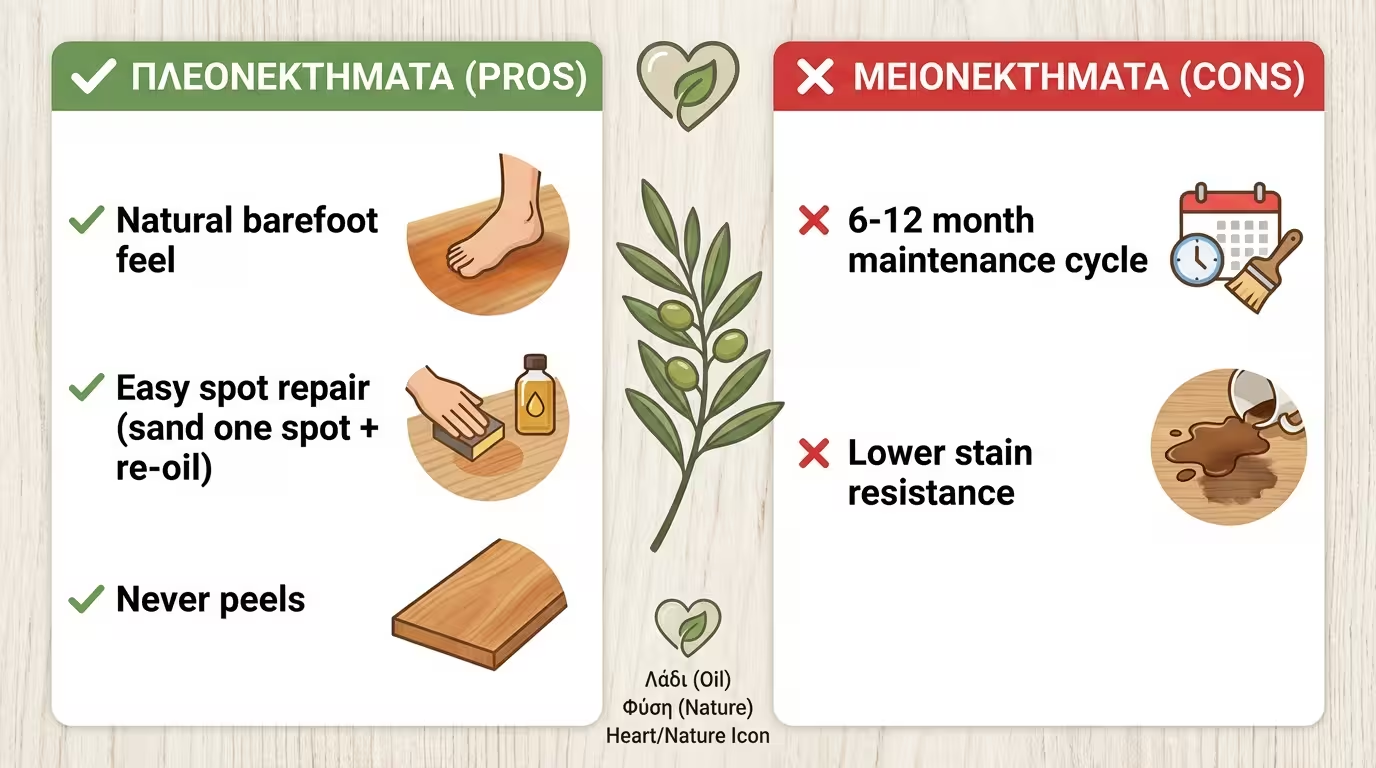
Oil leaves the wood texture textured and warm. Barefoot, you feel the wood fibers rather than a cold layer of plastic. It is the choice for "natural luxury."
A scratch or stain can be sanded locally with fine sandpaper and "refreshed" with new oil. The spot will blend perfectly with the rest of the floor in a few hours.
Because there is no surface film, oil never peels or flakes. The wood "breathes" freely, which helps with floor stability in environments with fluctuating humidity.
Oil requires refreshing (maintenance oil) every 1-2 years. If neglected, the wood will "dry out," turn grey, and absorb stains very easily.
The choice is dictated by the project's specifications:
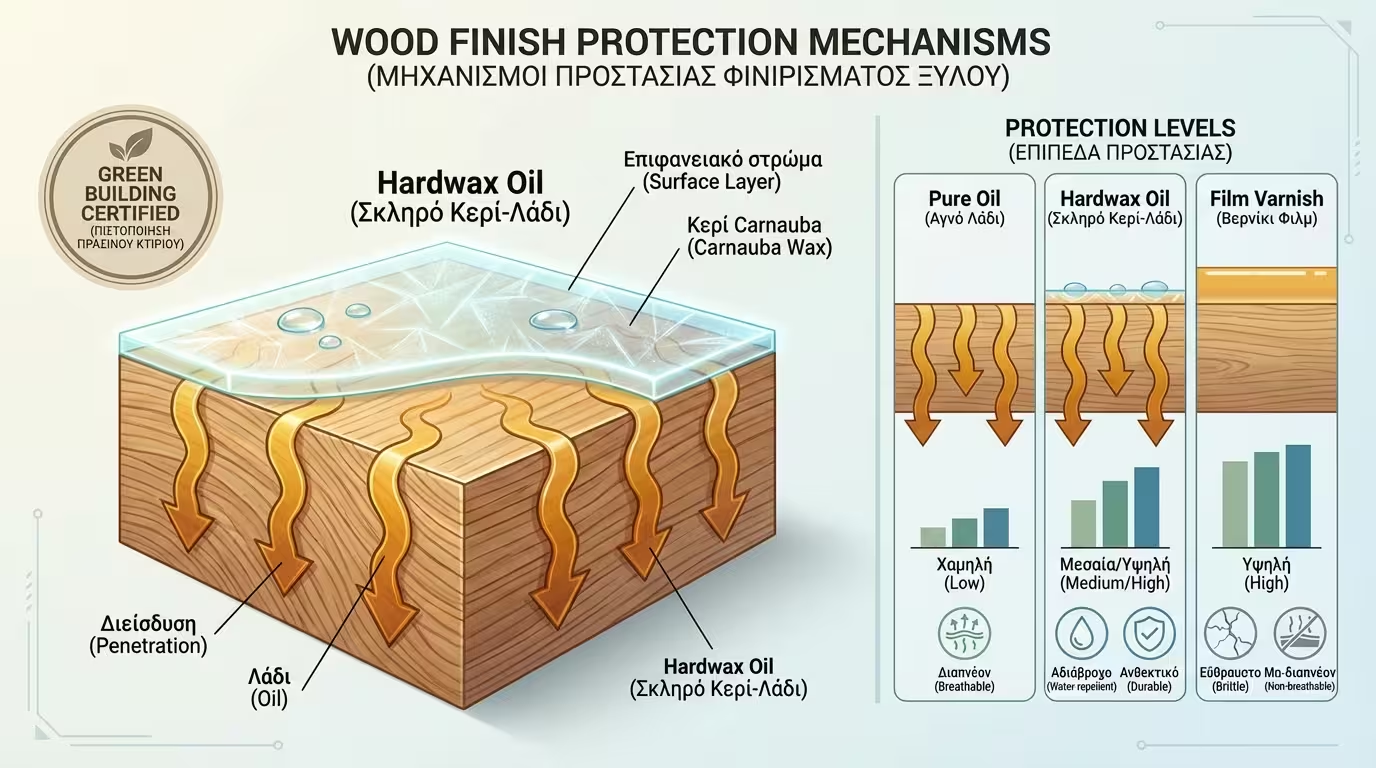
A combination of vegetable oils and natural waxes (like Carnauba). The oil penetrates and the wax stays on the surface, creating a light protective layer without hiding the texture.
In commercial spaces with oil, we use 2K Hardwax Oils (with hardener). They offer faster drying and significantly increased resistance to chemical cleaners.
Which scenario suits you?
Varnish. Ideal if you have kids, pets, risk of spills.
Oil (Hardwax Oil). If you love the matte, raw look.
2K PU Water-Based. Oil is prohibitive due to maintenance cost.
💡 Golden Rule: If your priority is zero maintenance → 2K Water-Based Varnish. If your priority is natural feel and the ability for DIY repairs → Hardwax Oil.
Return to category.
Go to categoryReturn to the central guide.
Go to guide