✅ Zero Flaking/Peeling
Because there is no "hard shell" on top, there is nothing to crack. Even if the protection wears out, it just fades gracefully without the ugly peeling associated with cheap varnishes.
When it comes to horizontal surfaces like decks, docks, and garden furniture, traditional varnishes often fail within months. The sun's heat and trapped moisture cause film-forming products to flake, but for many, Wood Oils (Saturators) are the professional solution.
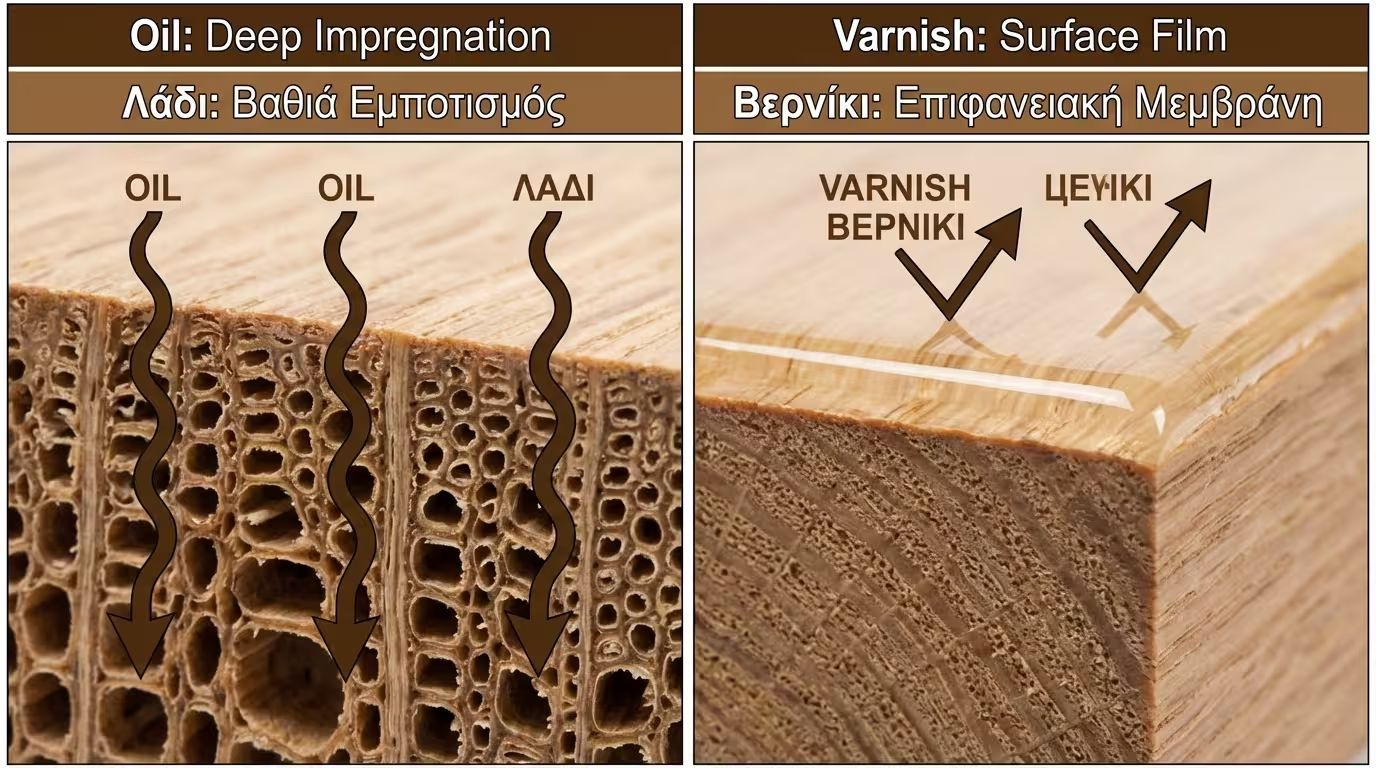
Unlike varnishes, oils work from the inside out. They nourish the fibers, preserve the natural "feel" of the timber, and offer a maintenance path that requires zero sanding. Let's compare Teak and Deck oils, analyze their chemistry, and learn how to keep your wood healthy and beautiful for a lifetime.
Wood oils are non-film-forming materials (often based on Linseed or Tung oil + synthetic resins). Their primary function is to penetrate into the wood pores, replacing the natural oils lost to the sun and preventing water from "occupying" that space.
In engineering terms, they are "Saturators." By filling the wood to its maximum capacity with oil and wax, we make it hydrophobic-the wood no longer wants to absorb rain or humidity.
Why choose oil over varnish:
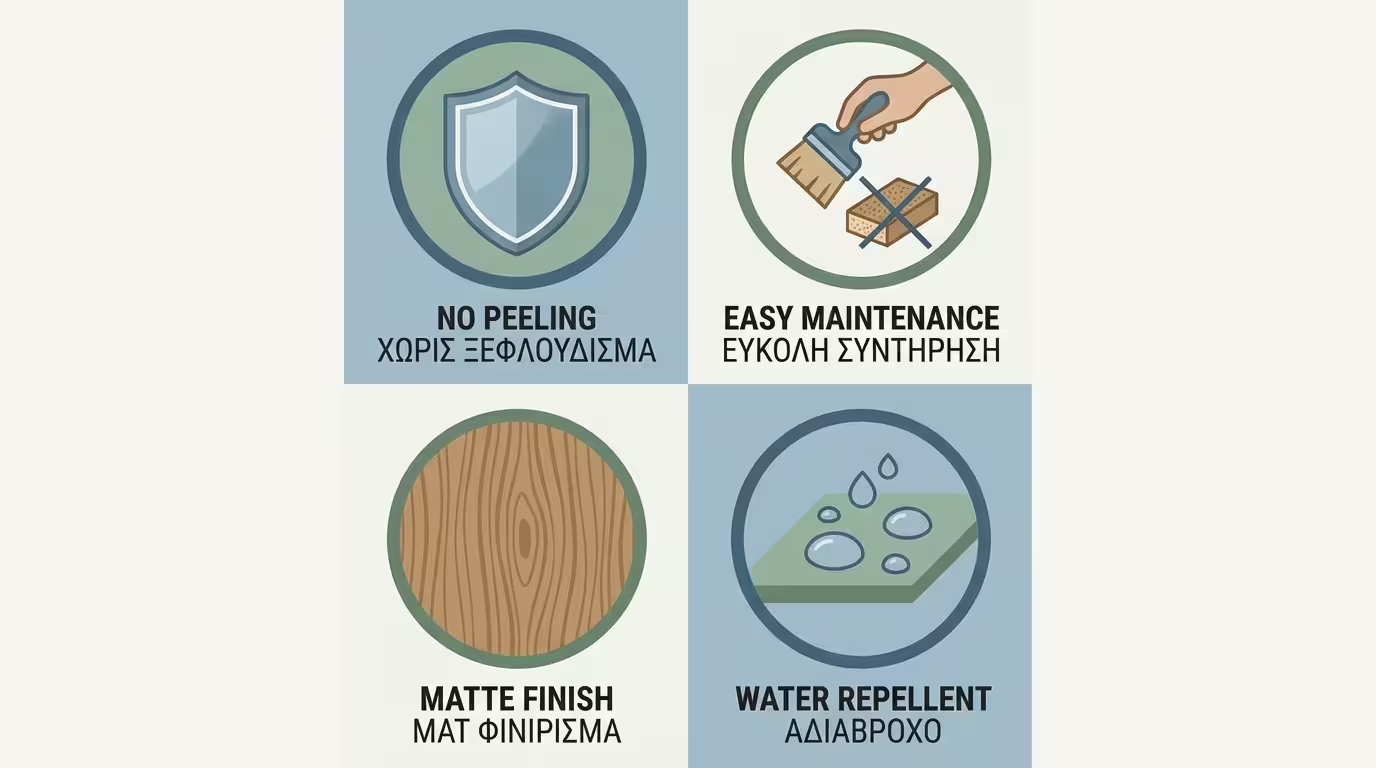
Because there is no "hard shell" on top, there is nothing to crack. Even if the protection wears out, it just fades gracefully without the ugly peeling associated with cheap varnishes.
This is the "killer feature" for decks. When the wood starts looking thirsty, you simply clean it and apply another coat. No heavy orbital sanding is ever required.
Oiled wood feels like wood, not plastic. On pool decks, this is critical because it stays slip-resistant and doesn't get as hot as varnished surfaces under the sun.
By keeping the fibers "moisturized" with resins, we prevent the wood from warping or checking (small cracks) that occur when timber dries out too fast.
Oils aren't for every situation:

Usually requires service every 6-12 months. If the wood is in direct sun, you might need a "refresher" coat every spring and autumn to maintain the look.
Oils do not protect against "scuffs" from furniture or pets. However, since you can spot-repair any area without it being visible, this is often a trade-off worth making.
Clear oils provide almost zero UV protection. If you want to keep the original wood colour, you must choose pigmented oils (Teak colour, Walnut, etc.) to block the sun's rays.
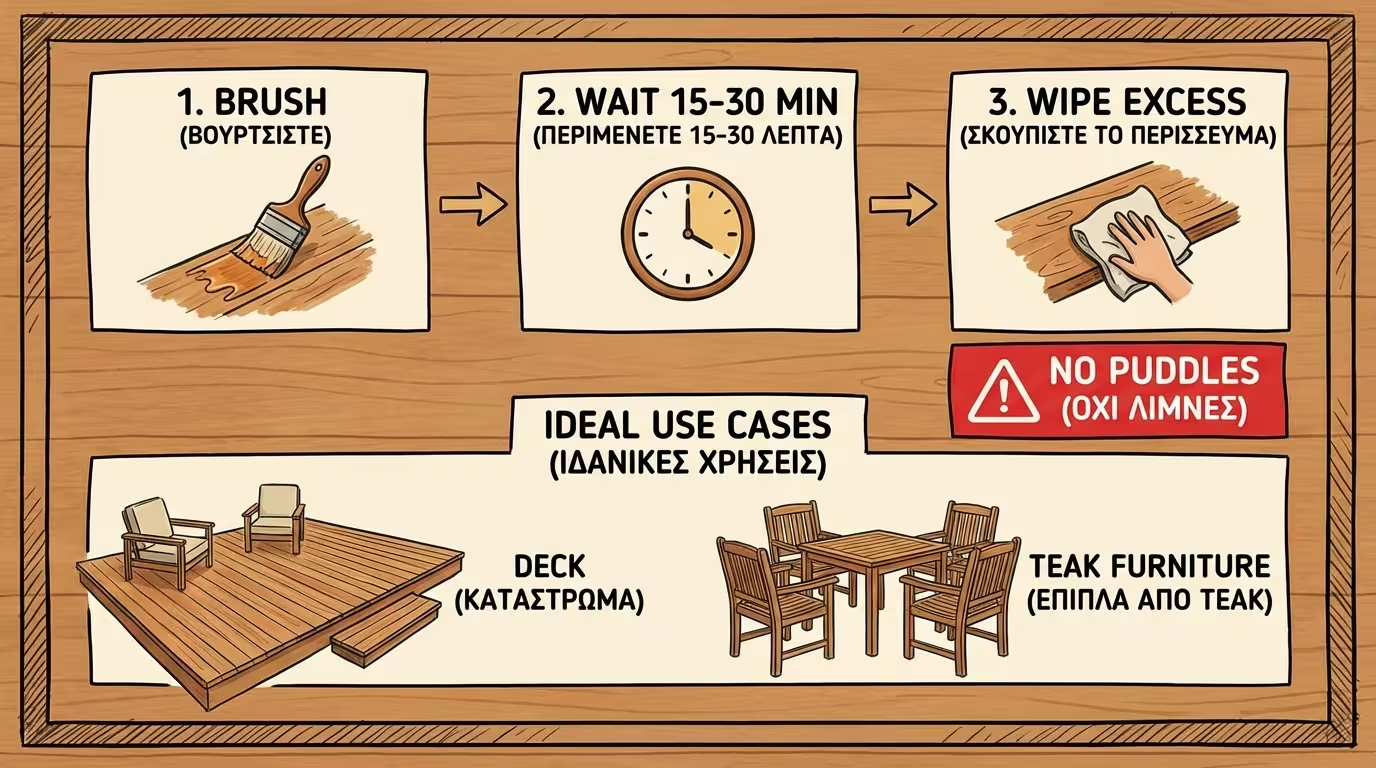
Ideal surfaces for oils:
Wood oils are the only engineering-correct choice for decks. Since water tends to pool on horizontal surfaces, any film-former (varnish) would trap that water underneath and flake off within weeks.
Exotic, oily timbers are naturally resistant to rot but turn grey quickly. Teak Oil restores the rich, oily feel and keeps the wood supple, preventing "splintering."
💡 Pro DIY Secret: The biggest mistake is over-applying. The wood only absorbs what it needs. Apply the oil, wait 20 minutes, then wiping off the excess is mandatory. Anything left on top will turn into a sticky, dust-collecting mess that never dries.
Technical selection rules:
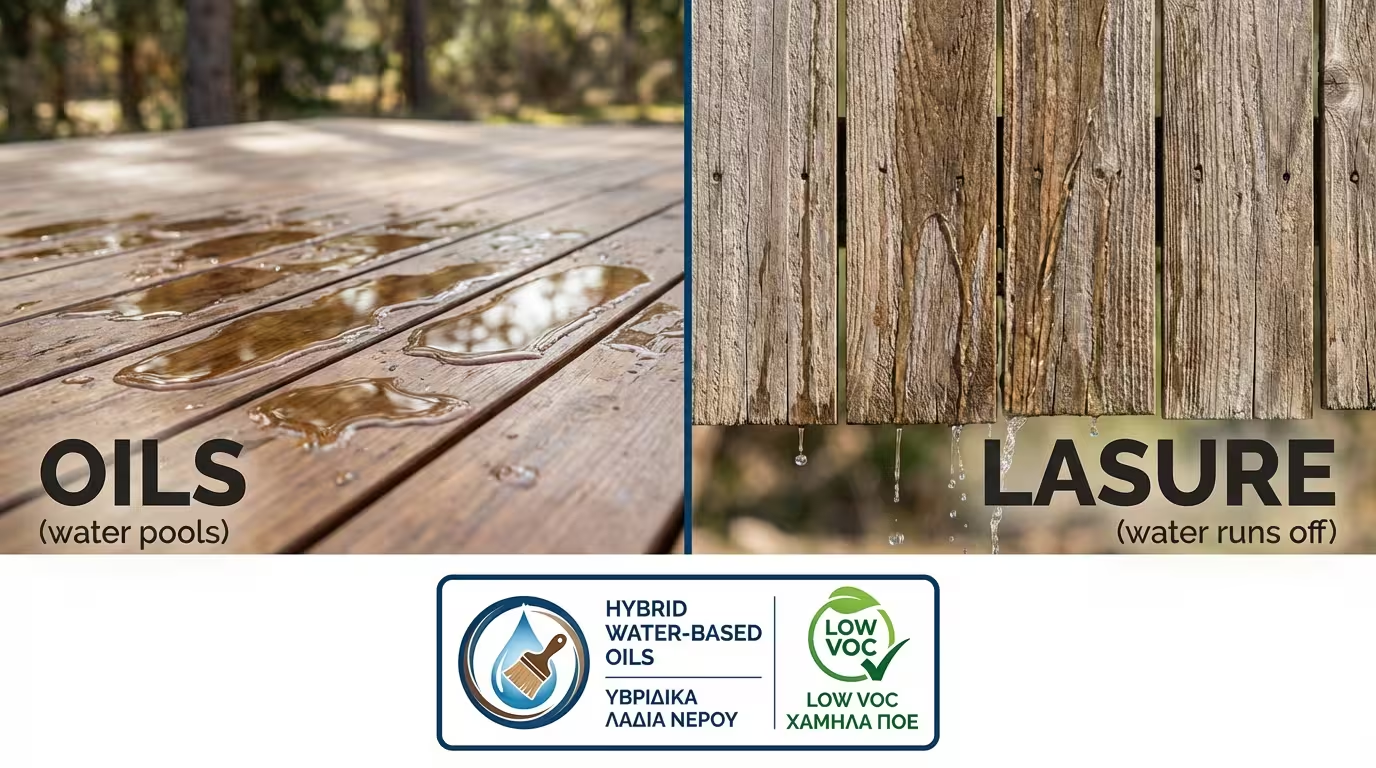
Rule of thumb: Vertical wood (windows, doors) = Lasure/Varnish. Horizontal wood (decks, stairs, pool surrounds) = Oils/Saturators. This maximizes the maintenance window for both.
Acrylic-PU water-based oils offer faster drying and lower VOCs while still providing deep penetration. They are ideal for eco-conscious projects without sacrificing the oil-look.
Return to category.
Go to categoryReturn to the central guide.
Go to guide