🦠 Painting Over Loose Rust
Rust is like a living organism - if you just cover it, it continues spreading under the paint and eventually pushes the coating off.
Peeling, wrinkling, blistering - the classic signs of failure. We decode the chemistry behind every defect and show you the right path.
Preparation is everything. Many underestimate the invisible enemies of adhesion:
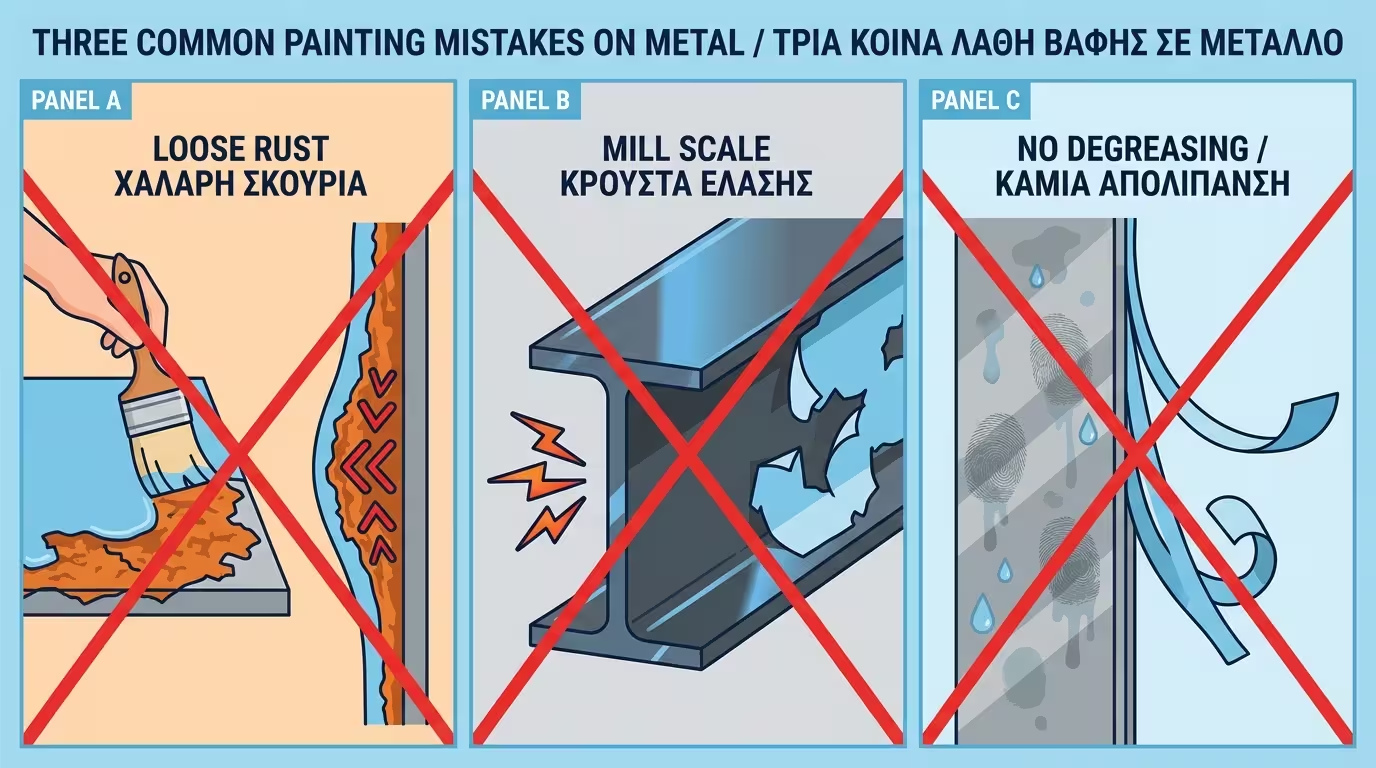
Rust is like a living organism - if you just cover it, it continues spreading under the paint and eventually pushes the coating off.
New steel often has a dark, glossy layer from the mill. It looks stable but cracks with thermal expansion - taking the fresh paint with it.
Even the sweat from your bare hands leaves grease. Paint over oil = peeling.
Skipping primer or using the wrong type is the most expensive "savings" you can make:
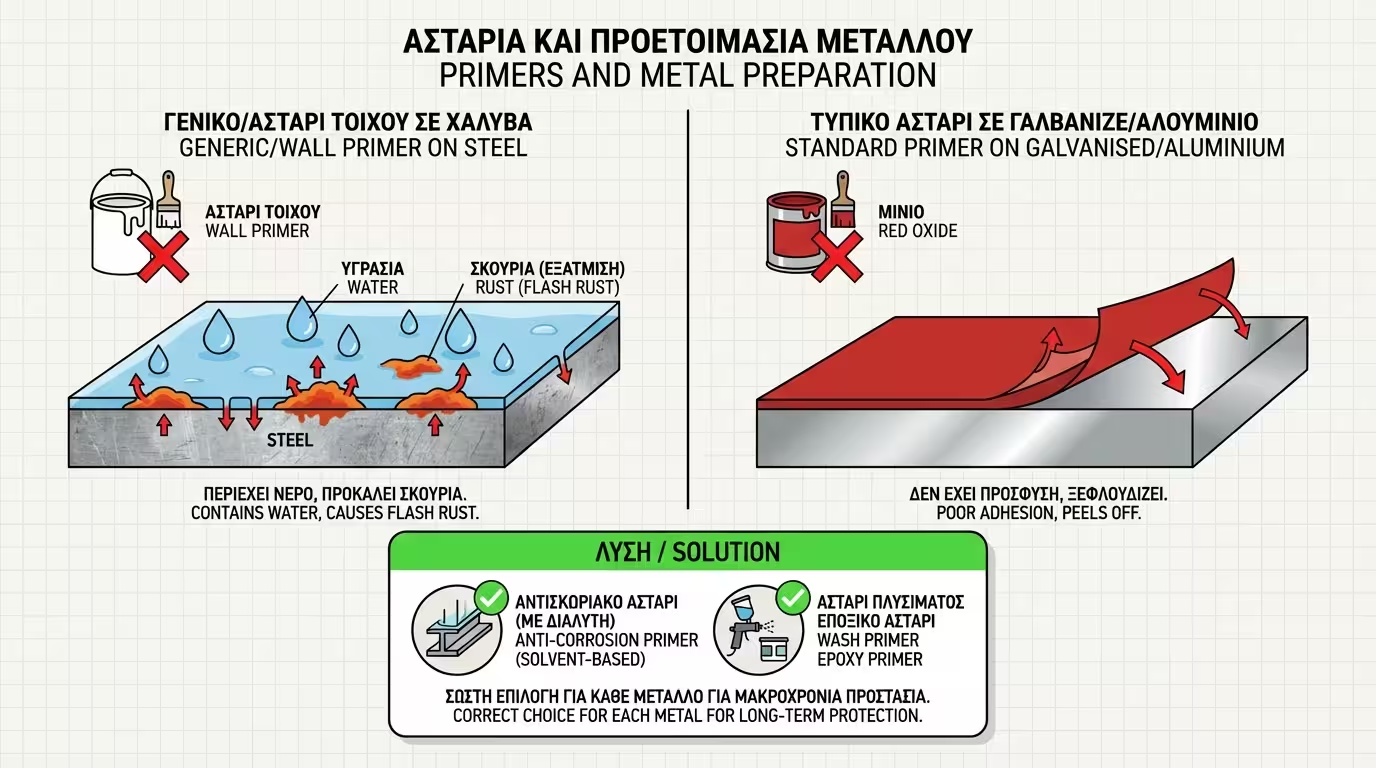
Metals need anti-corrosion primers (e.g. zinc phosphate). A wall primer can actually accelerate rust (flash rust) due to its moisture content.
Non-ferrous metals are extremely smooth with unique chemistry. Standard red oxide peels off like a membrane. You need wash primers or epoxy adhesion primers.
Two mistakes that cause the biggest headaches:
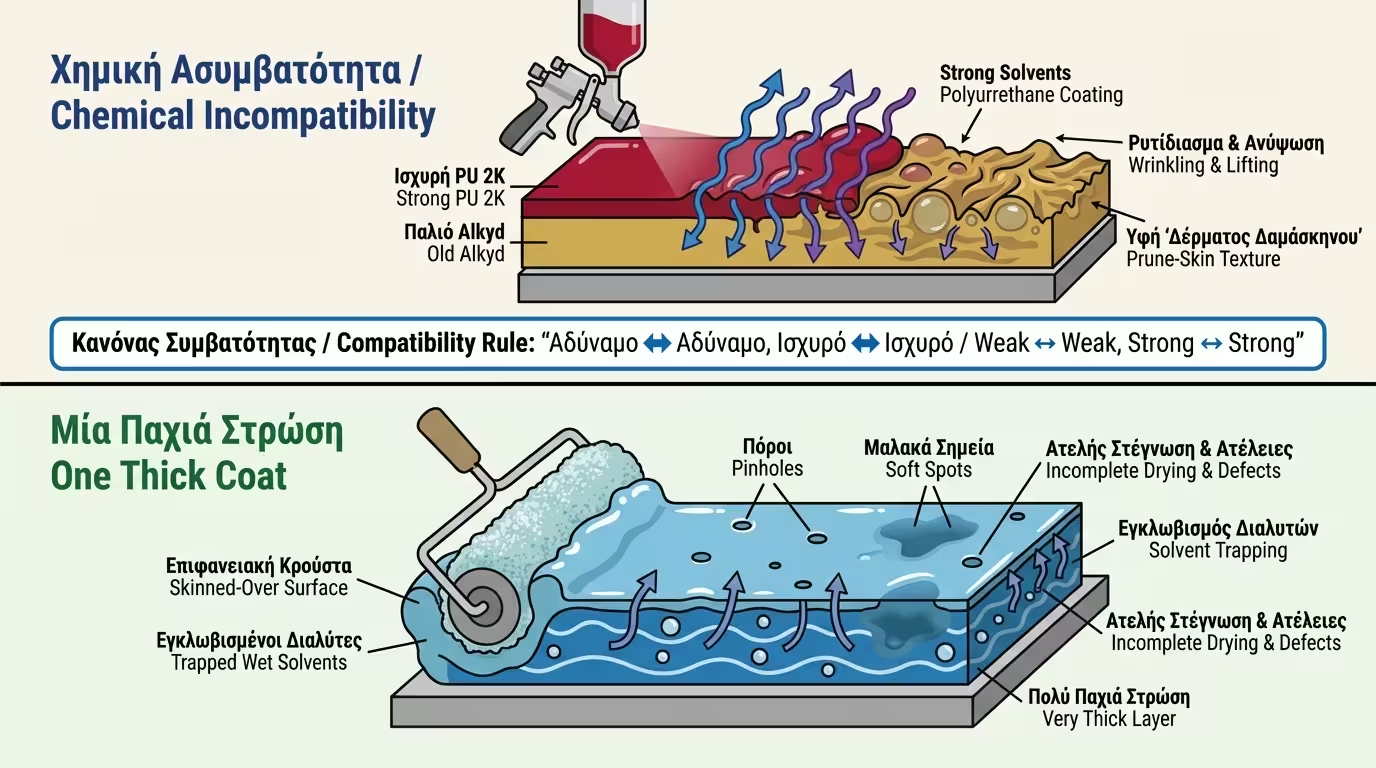
"Strong" paint (PU 2K) over "weak" (old oil-based) = the solvents dissolve the old paint. Rule: Weak over weak, strong over strong - never the reverse!
The outer surface skins over → solvent entrapment underneath → soft, pinholes, blistering. Solution: 2-3 thin coats, respecting recoat times.
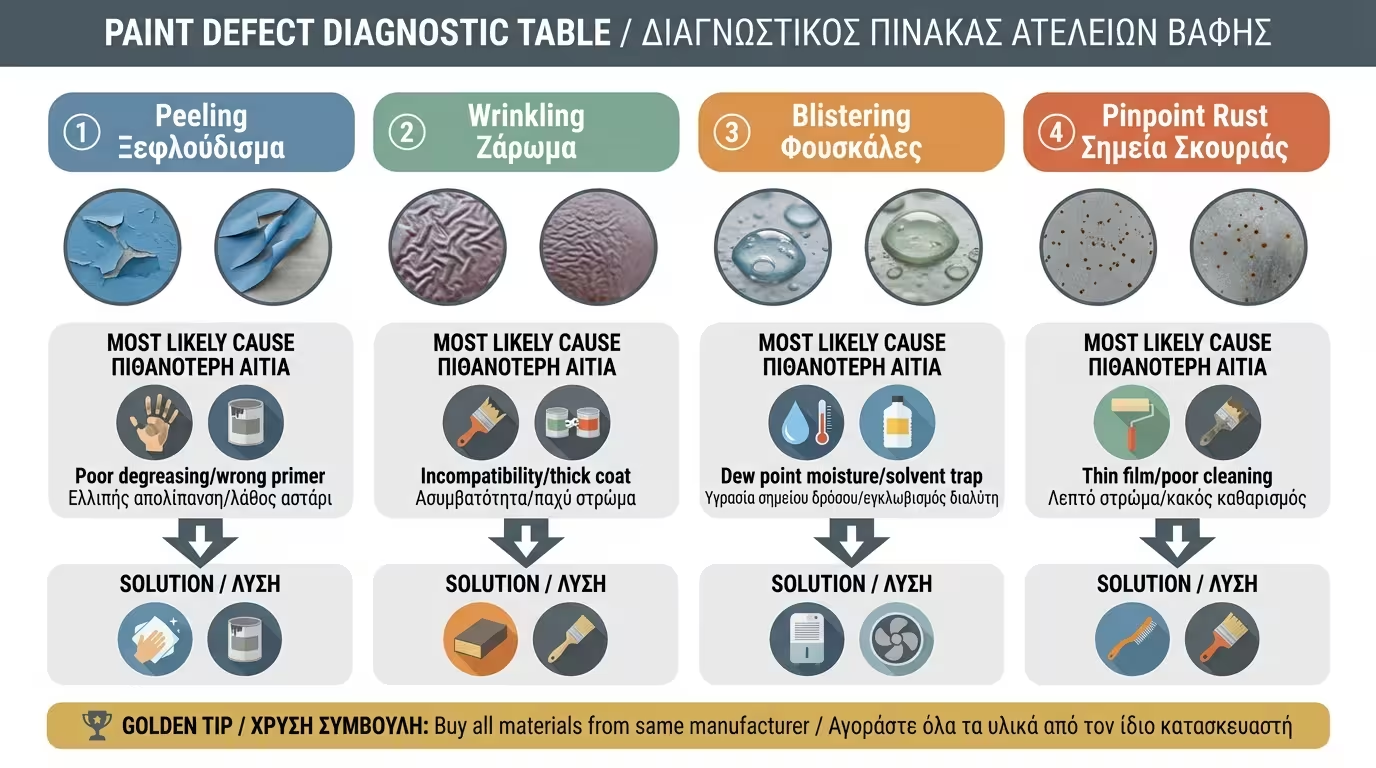
Quick reference table for diagnosing paint failures:
Large strips/sheets. Cause: Poor degreasing, wrong primer, moisture during application.
Surface like prune skin. Cause: Chemical incompatibility or excessively thick coat.
Bubbles filled with air/water. Cause: Trapped moisture (dew point) or trapped solvents.
Scattered rust spots. Cause: Insufficient film thickness or poor initial cleaning.
💡 Best Practice: Buy all materials from the same manufacturer and product line, following their instructions precisely - this eliminates chemical incompatibility risk.
Return to category.
Go to categoryReturn to the central guide.
Go to guide