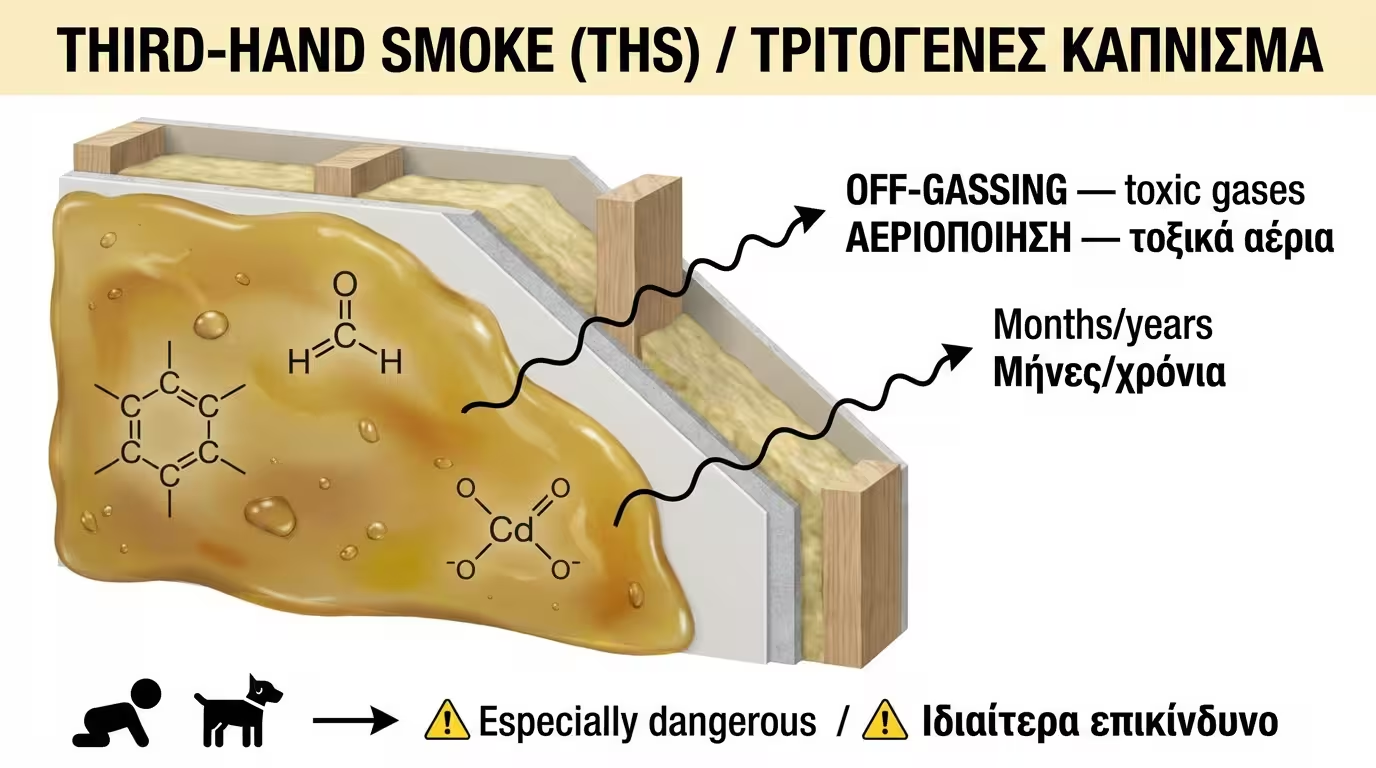
Third-hand Smoke (THS)
Walls release toxic gases (off-gassing) for months/years. Especially dangerous for crawling babies (touching surfaces) and pets.
Renovating a room with years of smoking, a fireplace or wood stove is a major challenge. Yellowish walls, repulsive odour - and the most wrong solution is a thick coat of white emulsion. Let's see why it fails and how to fix it permanently.
Cigarette smoke contains 100+ toxic chemicals and carcinogens that settle on surfaces - Third-hand Smoke (THS):
Walls release toxic gases (off-gassing) for months/years. Especially dangerous for crawling babies (touching surfaces) and pets.
Not on its own. It must be chemically removed (cleaning) or encapsulated under specialist coatings.
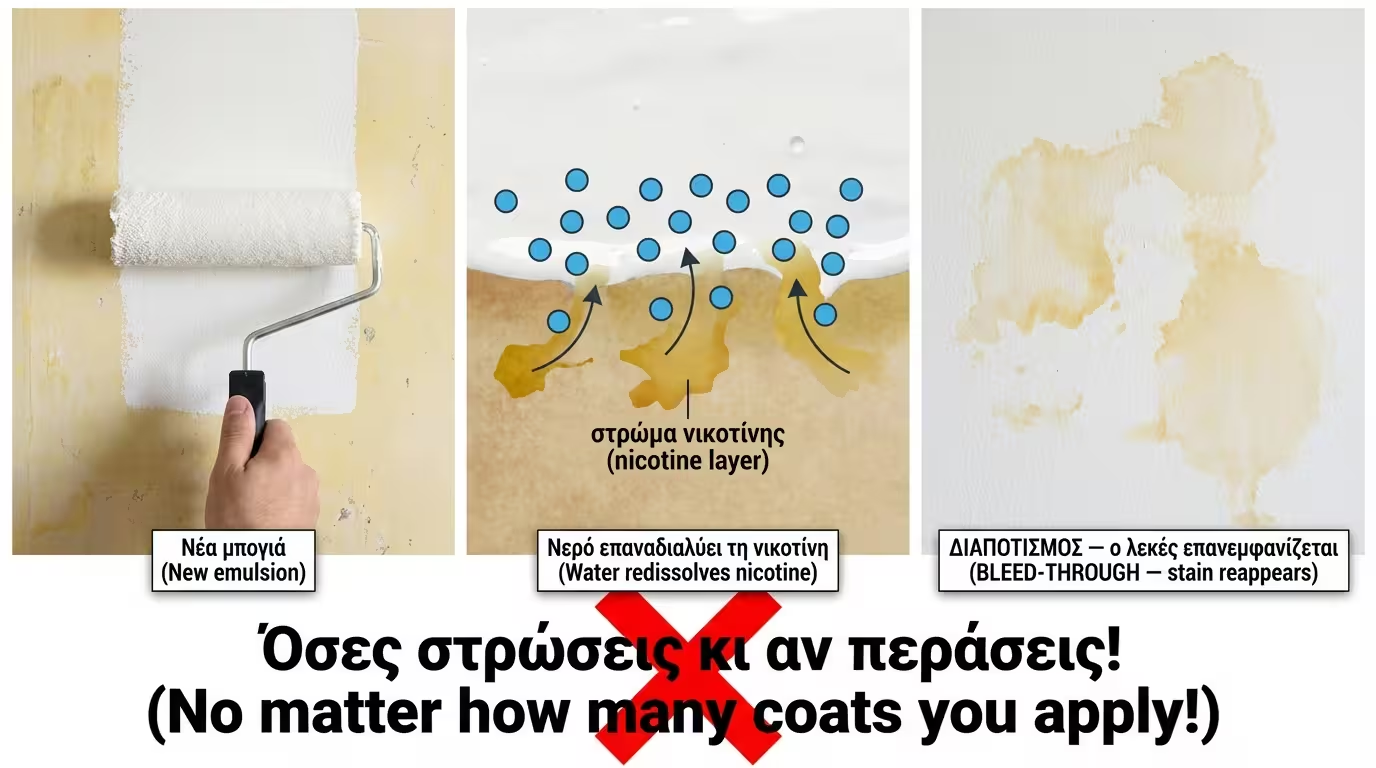
Bleed-Through: Nicotine/tar = greasy, water-soluble film. The water in new paint redissolves the nicotine → yellow stain "bleeds" through every coat. No matter how many layers - the stain reappears.
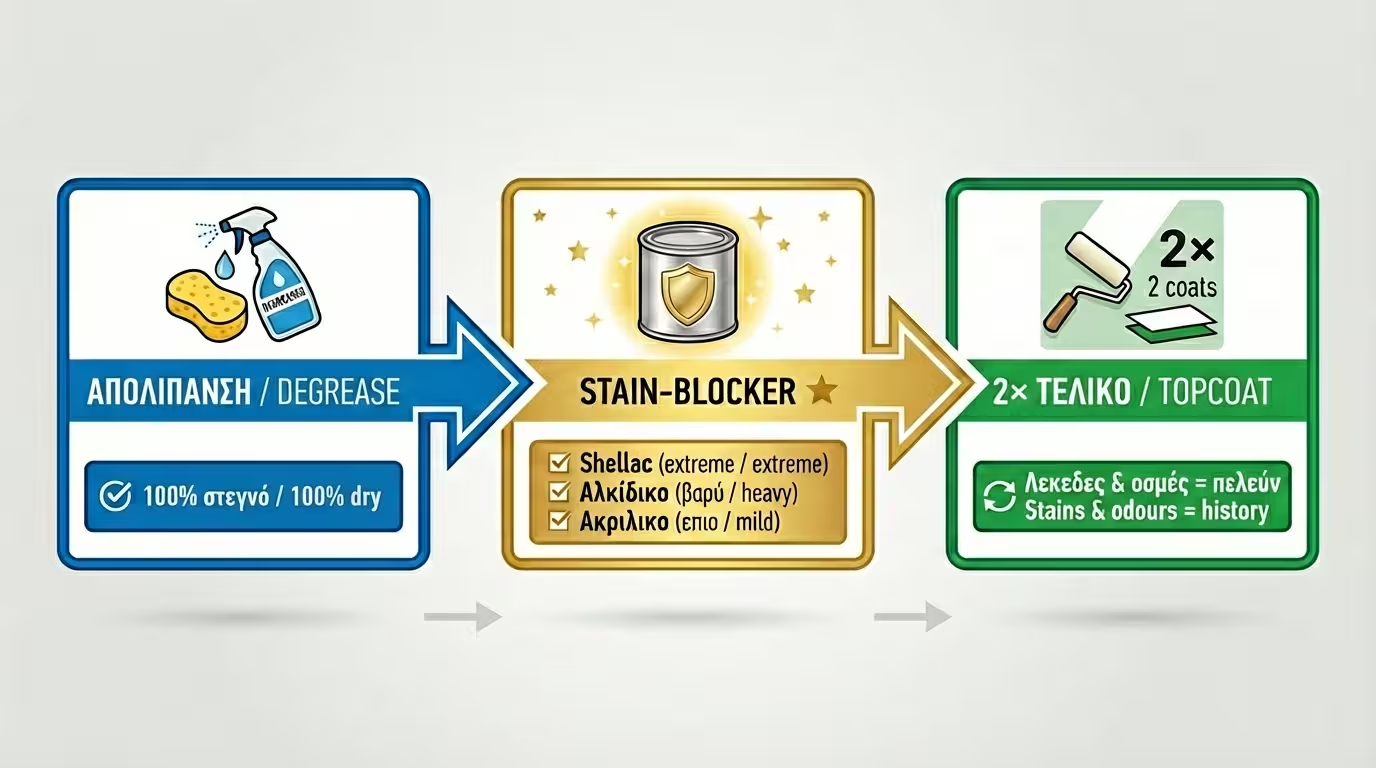
For a permanent fix, the process has three strict steps:
Strong degreaser or hot water + vinegar + soap - removes the sticky tar layer. 100% dry before proceeding.
The critical step! NOT a standard primer - a specialist Stain Blocking Primer. Encapsulates toxins, stains and odours.
Once the surface is "sealed," 2 coats of acrylic emulsion. Stains & odours = history.
| Stain-Blocker Type | Characteristics | Ideal For |
|---|---|---|
| Shellac-based | Dries 30–45 min, permanently encapsulates odour & nicotine | Extreme cases (e.g. Zinsser B-I-N) |
| Alkyd (Solvent-based) | Strong barrier - prevents water-nicotine contact | Heavy soot contamination |
| Acrylic (Water-based) | Eco-friendly (Ecolabel), no odour during application | Mild stains, occupied spaces |
For engineers & professional painters:
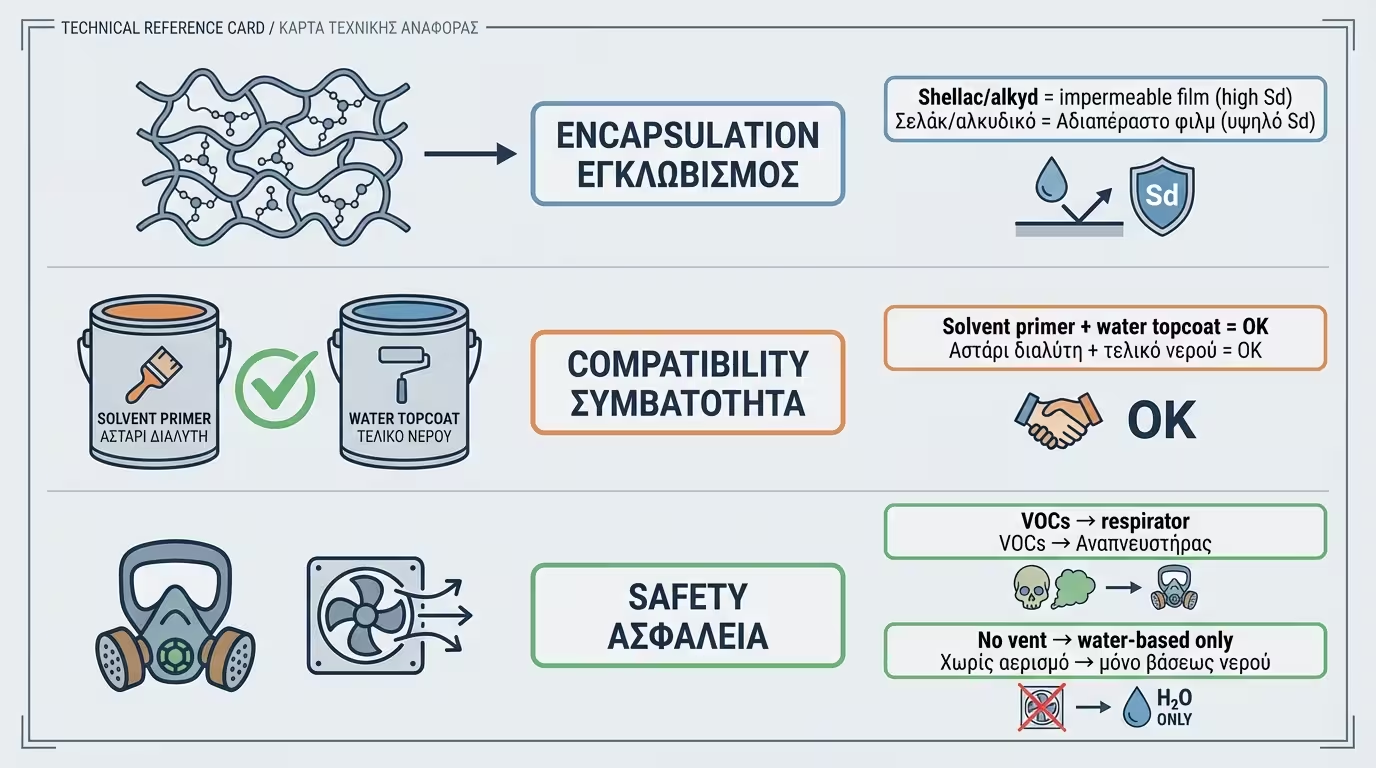
Shellac/alkyds = no water as solvent. Impermeable cross-linked film (high Sd) - odour molecules can't pass through.
Myth: "solvent primer = only oil topcoat." Professional stain-blockers are formulated to accept water-based acrylics as topcoat.
Shellac/alkyds = high VOCs → organic vapour respirator + ventilation. In unventilated spaces → water-based (EN 13300).
Mild yellowing? → Acrylic stain-blocker. Brown tar + strong odour? → Shellac or alkyd.
Good ventilation? → Shellac/alkyd OK (+ mask). No ventilation (basement)? → Water-based only.
YES → Acrylic Ecolabel + thorough cleaning. Safest option for occupied spaces.
Clean → Stain-Blocker (1 coat) → 2× acrylic emulsion. Stains, odours, toxins = gone.
Nicotine stains aren't just cosmetic - they're a health hazard (Third-hand Smoke) that migrates through ordinary paint. The solution isn't more coats, but the chemistry of the primer. Invest in cleaning + a certified stain-blocker = toxins, stains and odours encapsulated once and for all.
Return to category.
Go to categoryReturn to the central guide.
Go to guide