Lacquer vs. Varnish: What Should I Choose? The Ultimate Wood Guide

In the market, the word "polishing" is often used loosely for any wood protection. However, in the world of chemistry and professional woodworking, Varnish and Lacquer are two completely different materials, with different characteristics, application methods, and durability levels.

1. They Are Not the Same Thing

Whether you are a homeowner wanting to restore an old piece of furniture, a DIY enthusiast, or a professional, understanding these differences will save you from mistakes, time, and money.

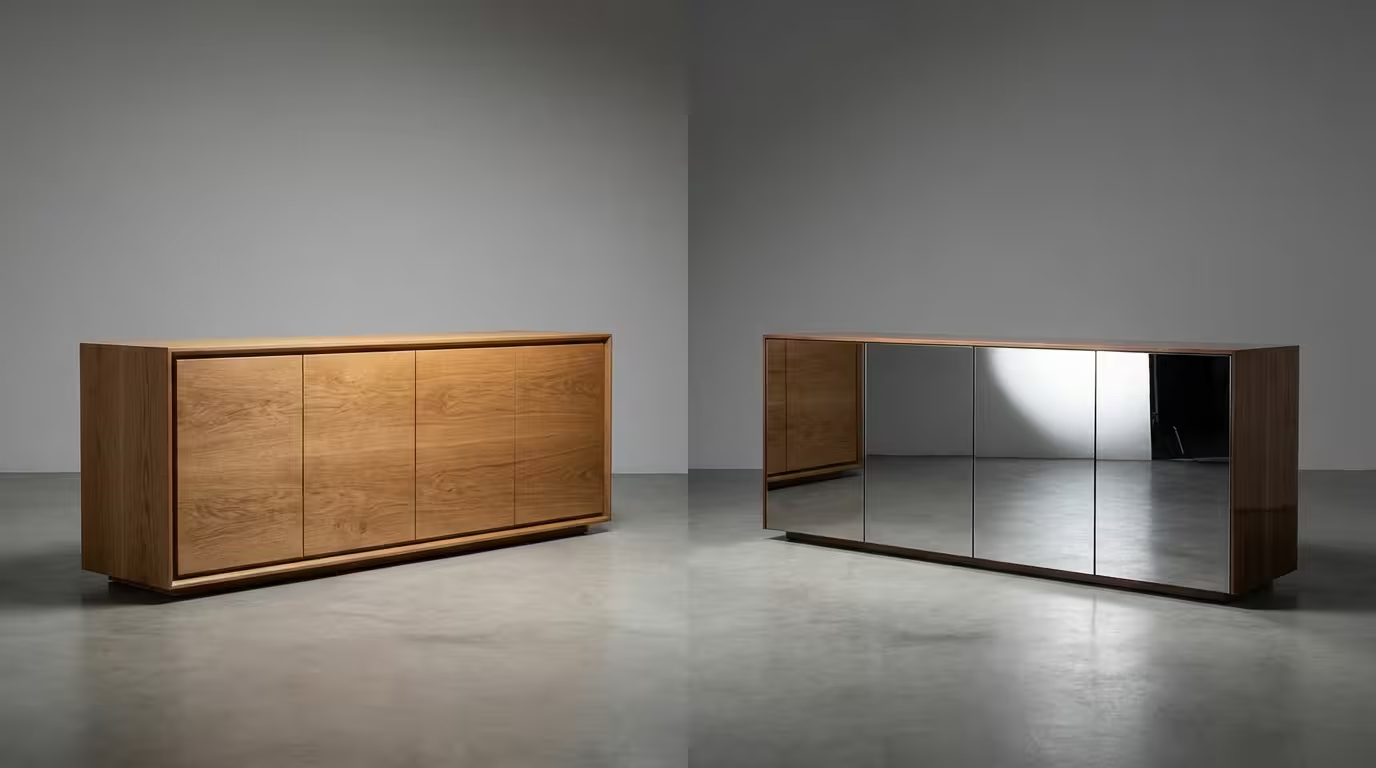
Two wood samples: left with varnish (warm elastic surface) and right with lacquer (glassy hard finish)

2. Varnish: The DIYer's Best Friend

Varnish is a transparent (or semi-transparent) protective coating consisting of resin, drying oils, and solvent (or water). It creates a relatively flexible film that follows the natural expansion and contraction of the wood without cracking. It offers excellent UV protection (especially exterior/marine types) and is beginner-friendly - it is easily applied with a brush or roller.

Disadvantage: Slow drying time (especially oil/solvent-based varnishes), which leaves a window for dust to settle on the wet surface.

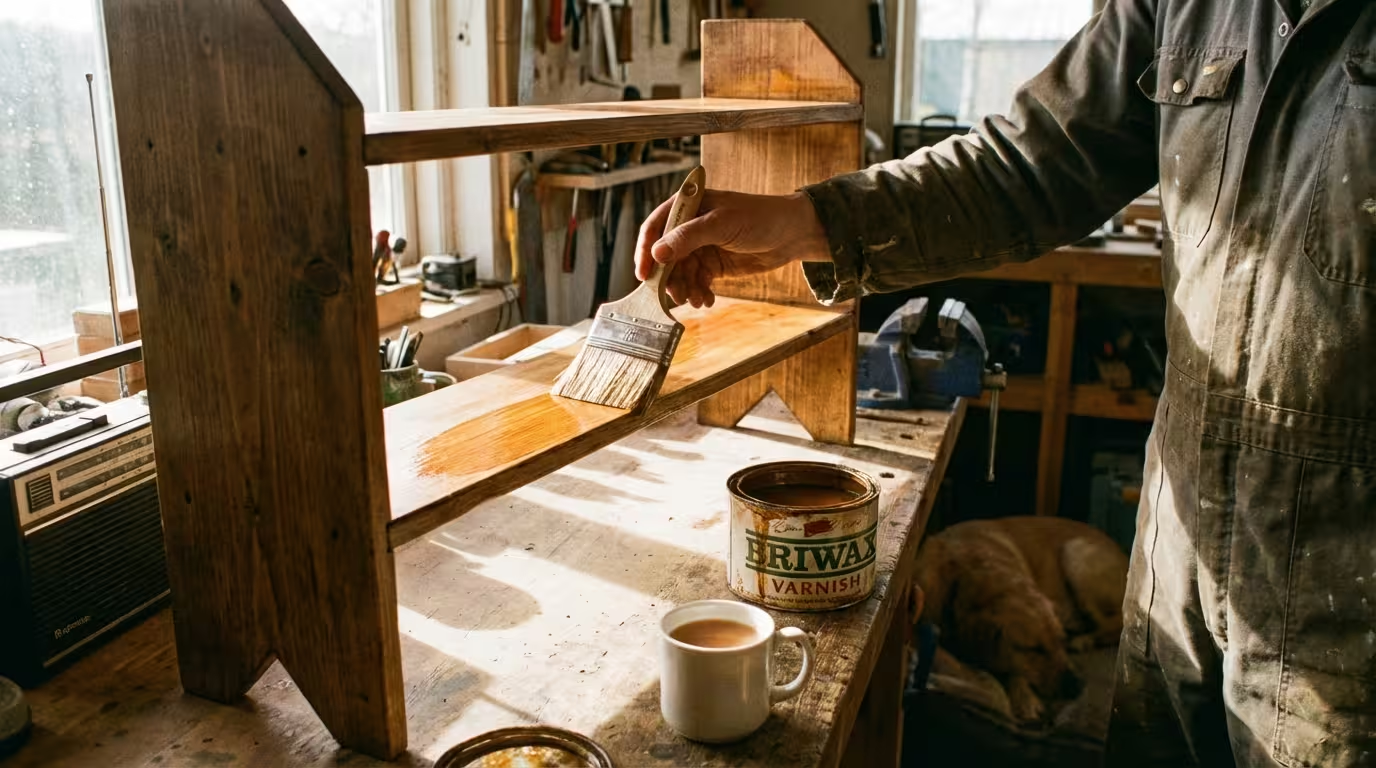
Hand applying varnish to wooden furniture with a brush - warm, elastic, beginner-friendly

3. Lacquer: The Professional's Equipment

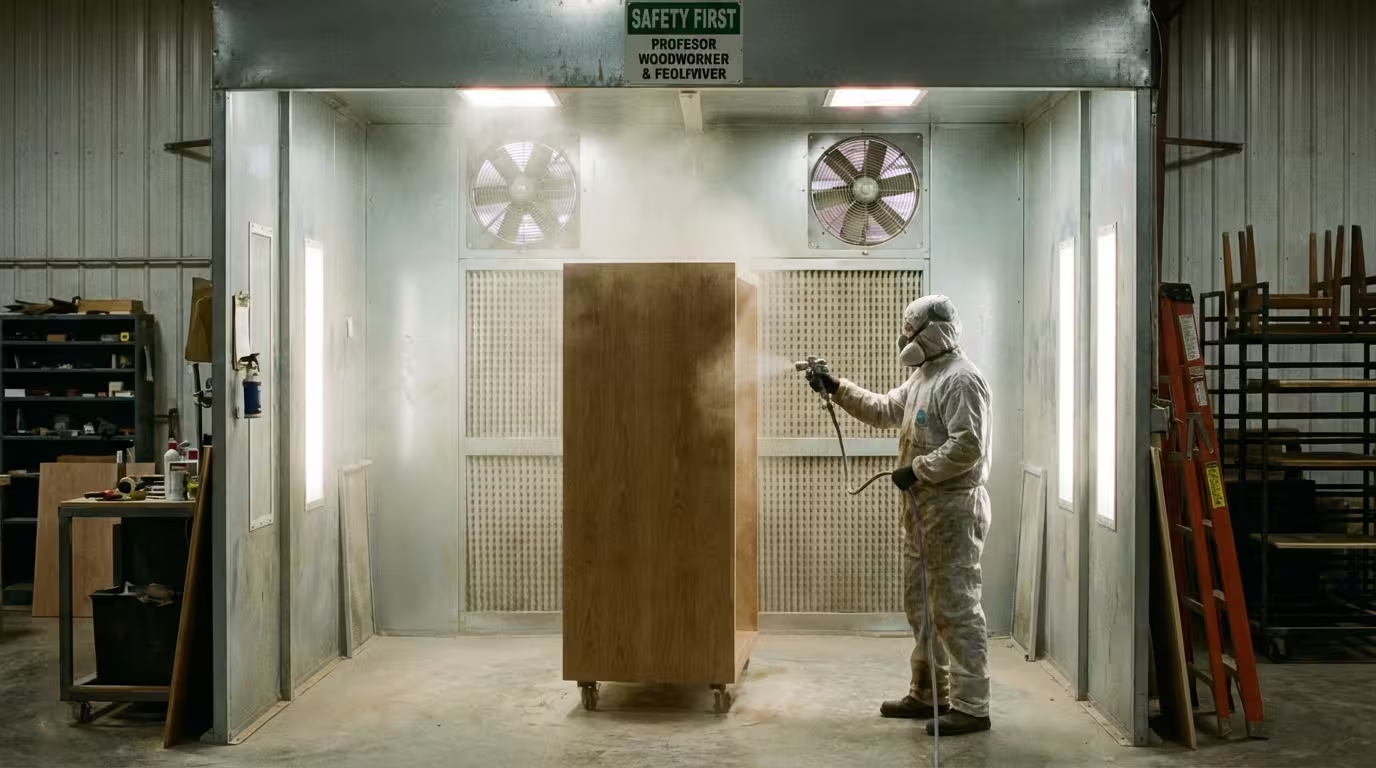
Professional woodworker spraying lacquer on wooden furniture with spray gun in a spray booth

Lacquer (which includes nitrocellulose transparent lacquers) is a solvent-based finish that typically contains nitrocellulose, resins, and very strong, volatile solvents. It dries in just a few minutes, allowing for multiple "coats" on the same day. It offers an unparalleled, "glass-like" and hard surface. The layers integrate (a new layer melts the previous one), making repairs virtually "invisible."

Disadvantages: It is brittle - if you hit the furniture, it can crack or chip like a flake. It is applied only by spray gun (it dries too fast for a brush). It has extremely high VOCs (requires a spray booth). It yellows or clouds if exposed to continuous UV radiation.

FeatureVarnishLacquer
ApplicationBrush/rollerSpray gun only
DryingHoursMinutes
FlexibilityHighLow (brittle)
UV resistanceGood–ExcellentLow
DIY-friendlyYesNo
FinishWarm, natural"Glassy", impressive

4. Technical Corner: Professional Use

Productivity (Shop floor): Lacquer dominates mass-produced factory furniture due to its lightning-fast drying and ease of spraying.

Mechanical & Chemical Resistance: On floors (parquet), stairs, bars, and restaurant counters, lacquer fails because it scratches easily and is damaged by chemicals/alcohol. There, 2-component polyurethane varnishes (2K PU) are required, which create a chemical cross-linked structure providing ultimate protection.

Environmental Legislation (VOCs): Traditional nitrocellulose lacquers are under immense legal pressure due to VOC emissions. In "green" buildings (LEED, BREEAM), lacquers are often prohibited in favour of water-based varnishes.

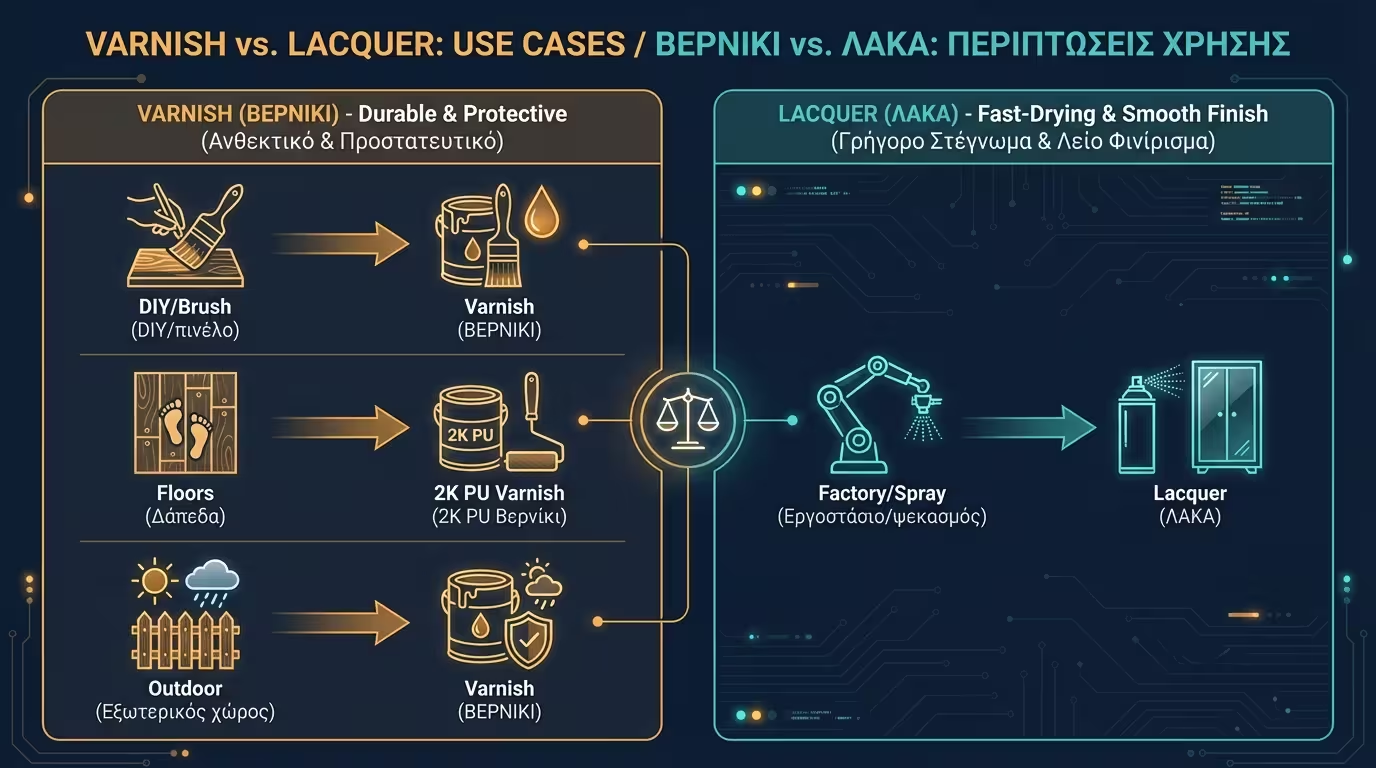
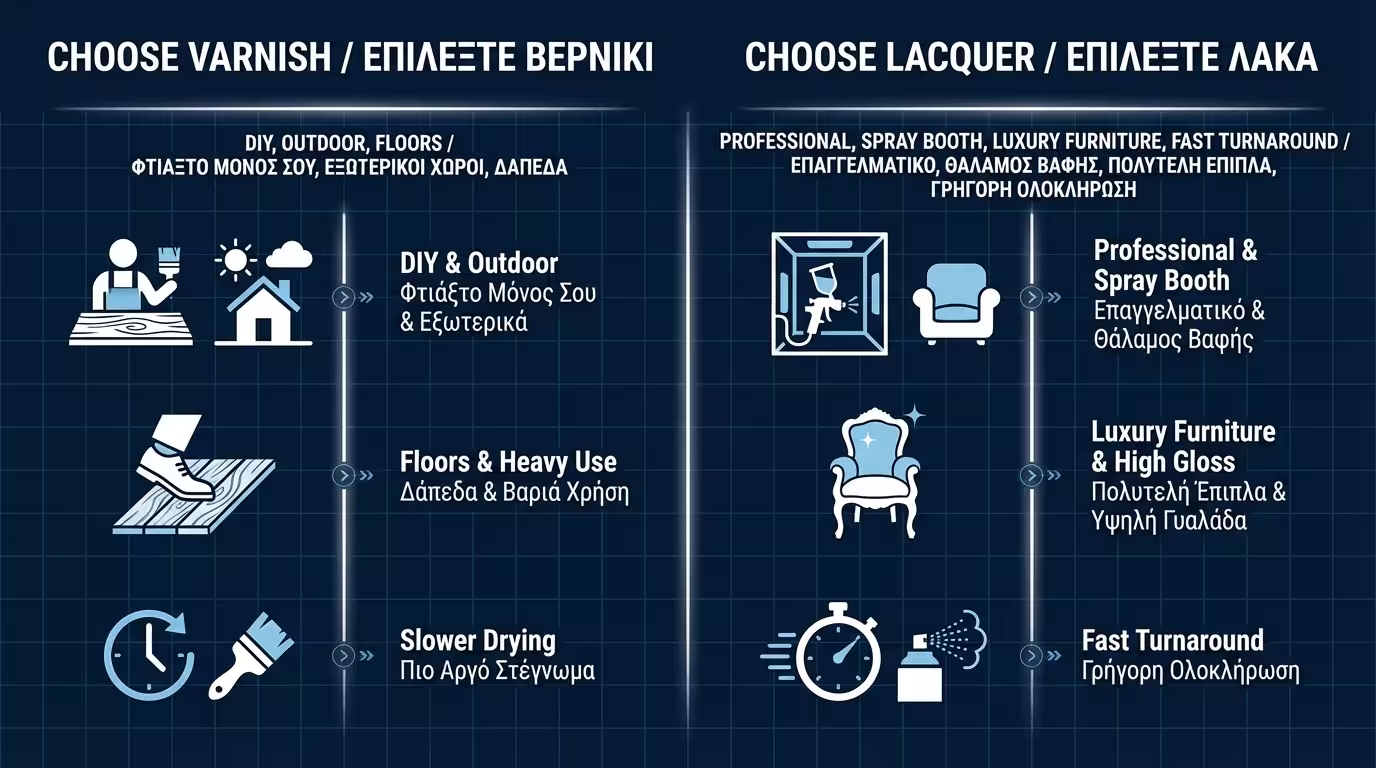
Varnish vs lacquer use cases infographic: DIY, factory, floors, restaurants (greek and english)

5. Final Selection

Decision algorithm: DIY→varnish, outdoor→varnish, factory/luxury→lacquer (greek and english)

Two completely different materials - choose based on equipment and use case:

🖌️ Choose Varnish

You are doing the work yourself (DIY) with a brush or roller. The wood is intended for outdoors, a terrace, or spots hit by the sun (due to UV protection and elasticity). It is a wooden floor, staircase, or countertop subjected to heavy use (by choosing polyurethane varnish).

🔫 Choose Lacquer

You are a professional woodworker with spray equipment (gun) and a spray booth. You are manufacturing luxury indoor furniture (dining tables, nightstands, cabinets) and want a perfect, flawless high-glass finish. You want "invisible" repairs with a simple spray.

Related Articles

Preview