🌳 Hardwoods (Angiosperms)
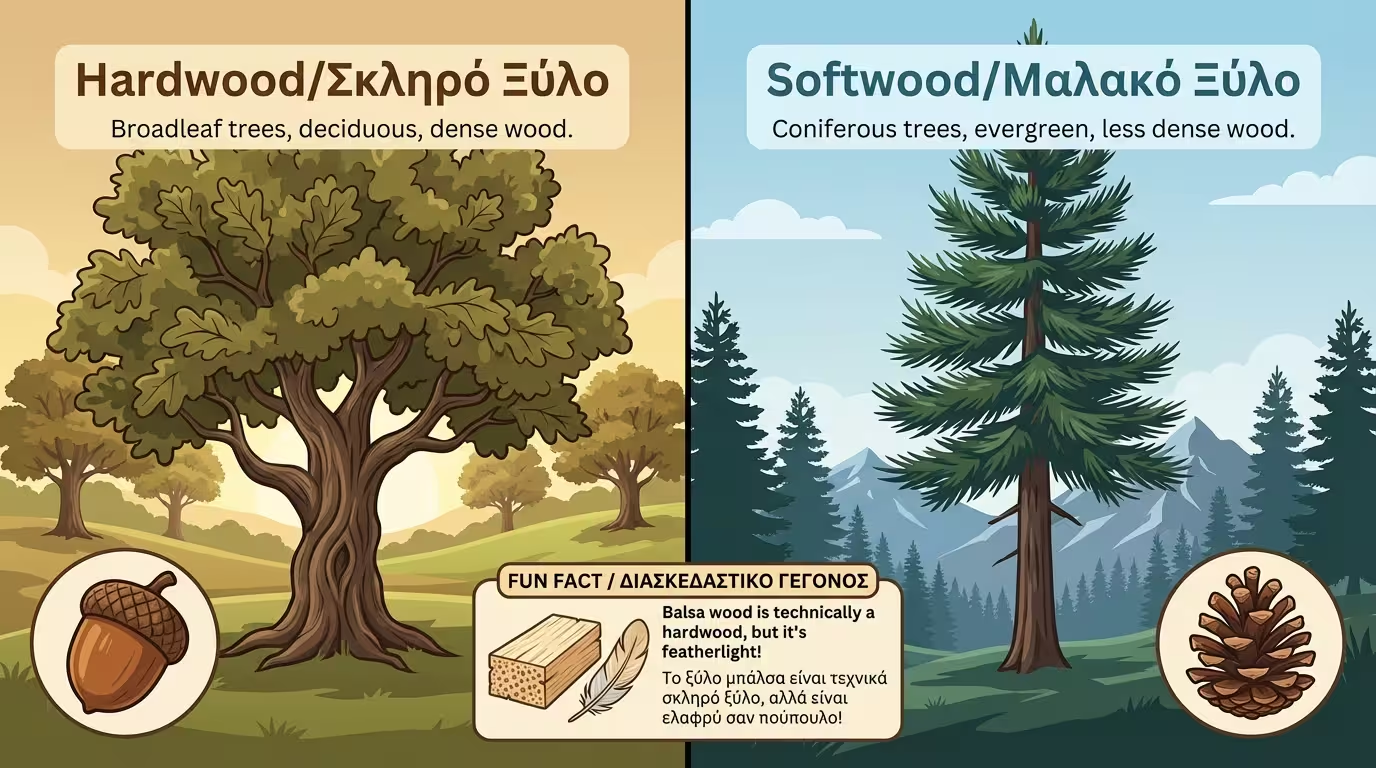
Come from broadleaf trees that usually shed their leaves in autumn (deciduous). Their seeds have some form of covering, like a fruit or shell (e.g. acorns, walnuts). Examples: Oak, Walnut, Beech, Mahogany.
Why does a piece of pine absorb varnish creating stains, while oak accepts it uniformly?
In the world of woodworking, construction and DIY, choosing the right wood is the first and most important decision. We often hear the terms "Hardwood" and "Softwood", but the truth is these names are misleading.
The classification is strictly biological (botanical) and relates to how the tree reproduces:
Come from broadleaf trees that usually shed their leaves in autumn (deciduous). Their seeds have some form of covering, like a fruit or shell (e.g. acorns, walnuts). Examples: Oak, Walnut, Beech, Mahogany.
Come from coniferous, evergreen trees with needles. Their seeds fall naked to the ground (e.g. pine cones). Examples: Pine, Fir, Cedar.
💡 Fun fact: Balsa wood, one of the lightest and softest woods in the world (you can cut it with a craft knife), is classified as a "hardwood"!
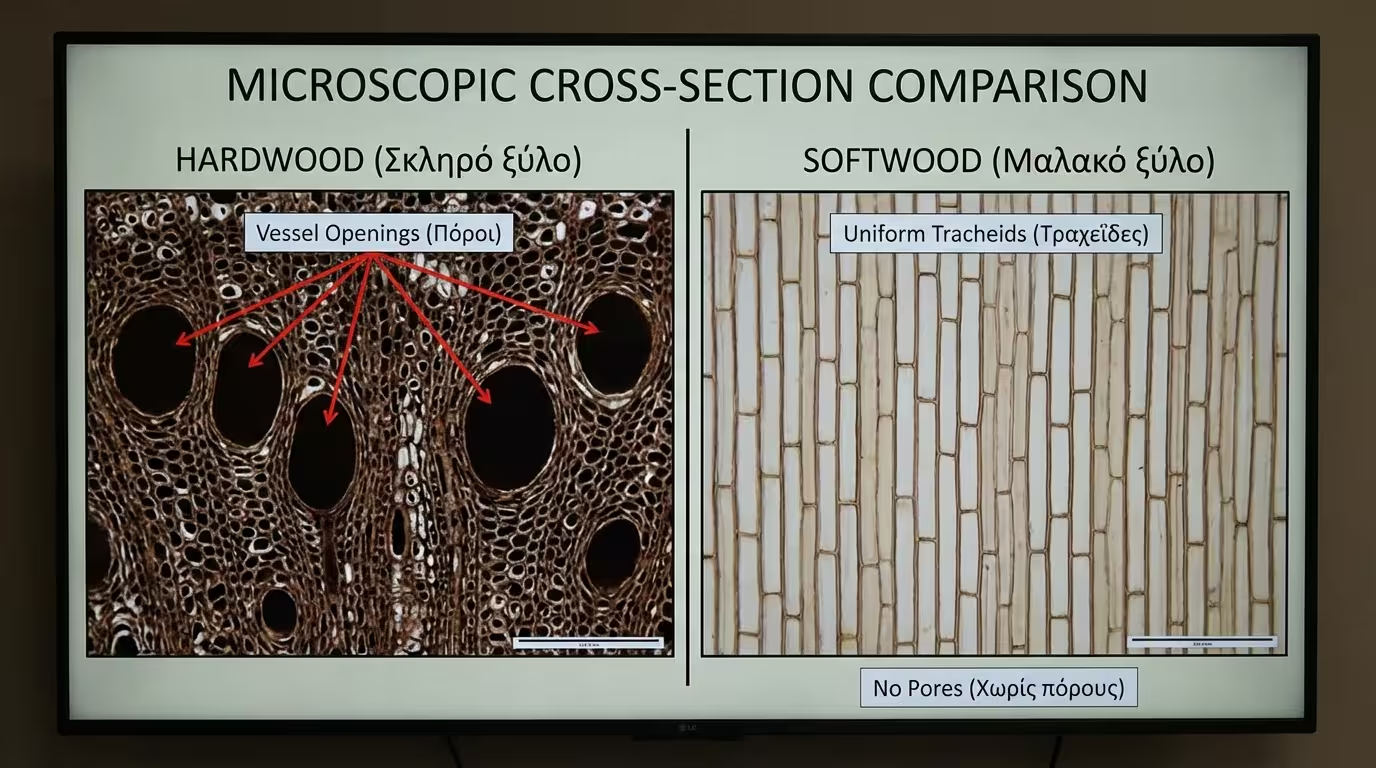
The real difference, which directly affects how you will paint or varnish the wood, lies under the microscope. Trees have different "plumbing systems" to transport water:
Hardwood Anatomy: They have vessels. These are large pipeline cells that, when the wood is cut, appear as visible holes on the surface, known as pores. The presence of vessels is the biological definitive trait of hardwoods.
Softwood Anatomy: They have no vessels. They transport water through elongated cells called tracheids, which make up 90-95% of their volume. This uniform, repetitive structure makes their surface predictable for sawing but creates absorption pitfalls when finishing.
When it's time for finishing, the biology of the wood dictates the rules:
Because hardwoods have pores, they are divided into two subcategories that determine finishing technique:
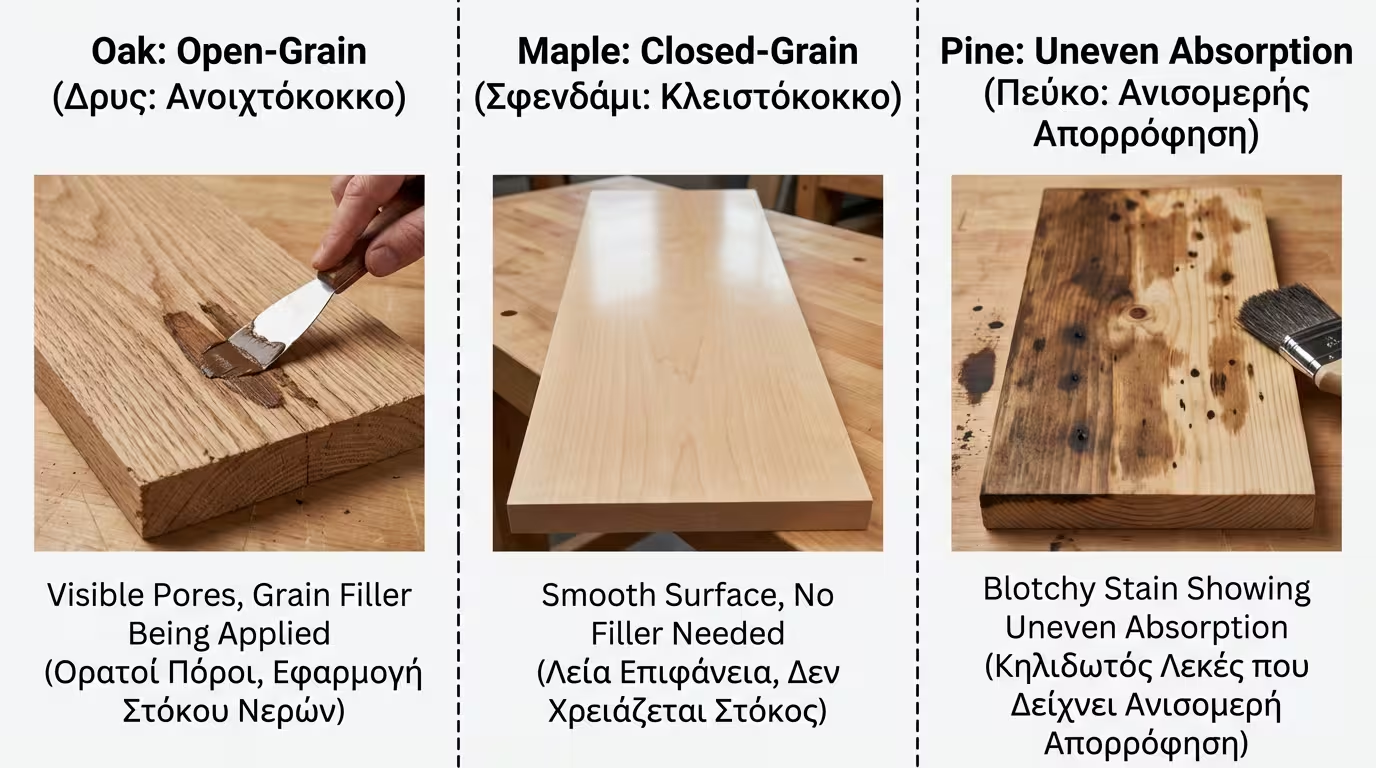
Woods like Oak and Ash have large pores. If you want a glass-smooth finish (e.g. gloss polyurethane varnish), you must use a grain filler before varnishing. Otherwise, the surface will be full of tiny pits. When applying stain, the pores absorb more colour and darken, dramatically highlighting the wood grain.
Woods like Maple and Cherry have very small, barely visible pores. These woods are extremely easy to polish and naturally deliver a perfectly smooth, elegant surface without the need for filler.
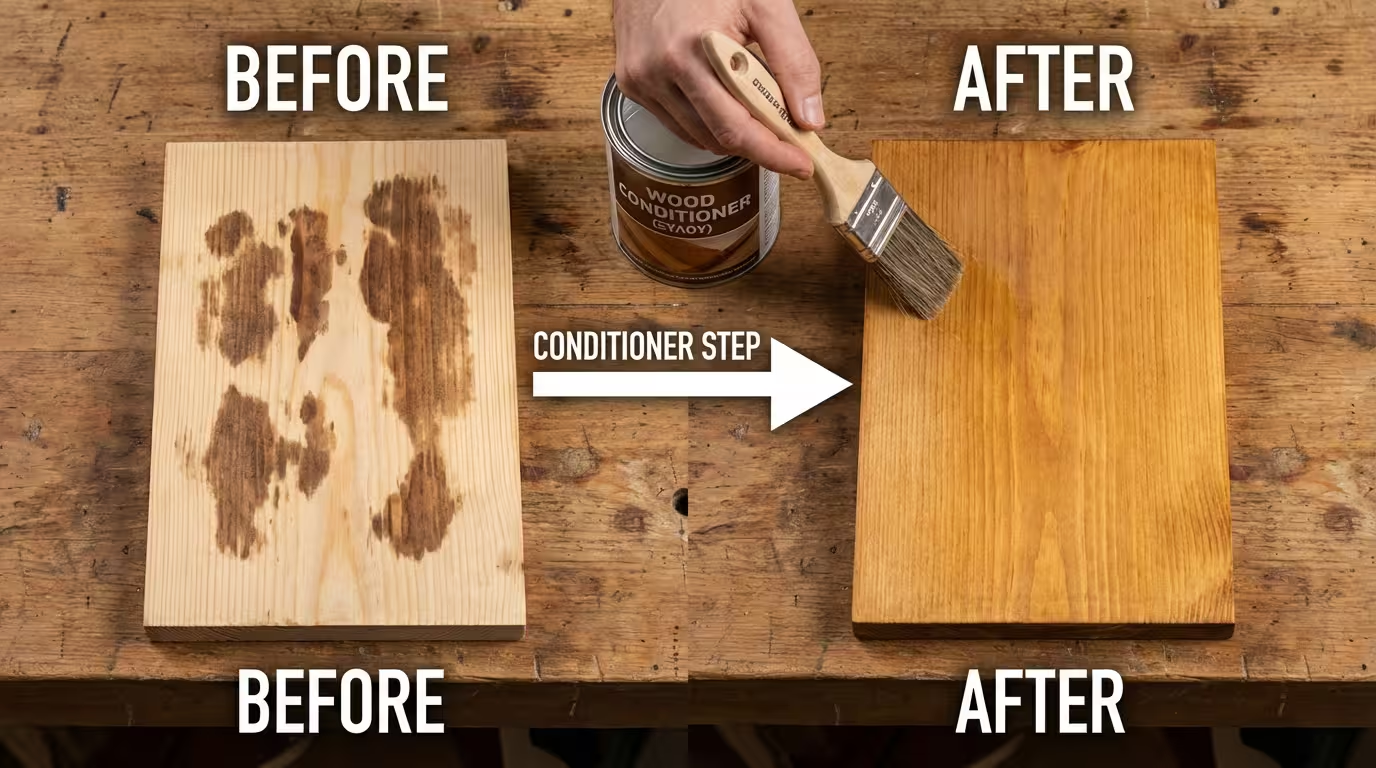
Softwoods (like common pine) don't have pores to fill, but they create a huge problem when you try to change their colour with a liquid stain. Because their fibre density alternates dramatically (between soft spring wood and hard autumn wood), they absorb colour unevenly.
🛠️ The Solution: If you apply a dark stain to pine without preparation, it will be covered in ugly blotches and patches (blotchiness). The golden rule here is to first apply a Wood Conditioner (pre-stain sealer). This material (often a highly thinned varnish or sealer) penetrates the tracheids and partially "locks" the most absorbent fibres, allowing the stain to spread uniformly without "sinking" deep into the grain.
Conifers grow fast (about 40 years to harvest), making them much cheaper and more abundant, representing 80% of global timber production. Their flexibility and excellent strength-to-weight ratio make them ideal for structural timber (house frames, roofs), pergolas, window frames, and of course, affordable furniture (e.g. IKEA) and DIY projects.
Broadleaf trees grow very slowly (up to 150 years), making them more expensive. Their high density and resistance to wear, scratches and impacts make them essential for constructions that need to last a lifetime. Used in luxury hardwood flooring (parquet), kitchen cabinets, staircases and high-value handmade furniture.
For professionals (engineers, architects, builders), "hard" and "soft" are meaningless without measurable data. The true resistance of wood to mechanical stress (e.g. for flooring) is measured using the Janka Hardness Scale.
This test measures the force (in lbf or Newtons) required to embed a steel ball of 0.444 inches (11.28 mm) diameter into the wood to half its diameter. The Janka rating is directly correlated with the wood's density and compressive strength.
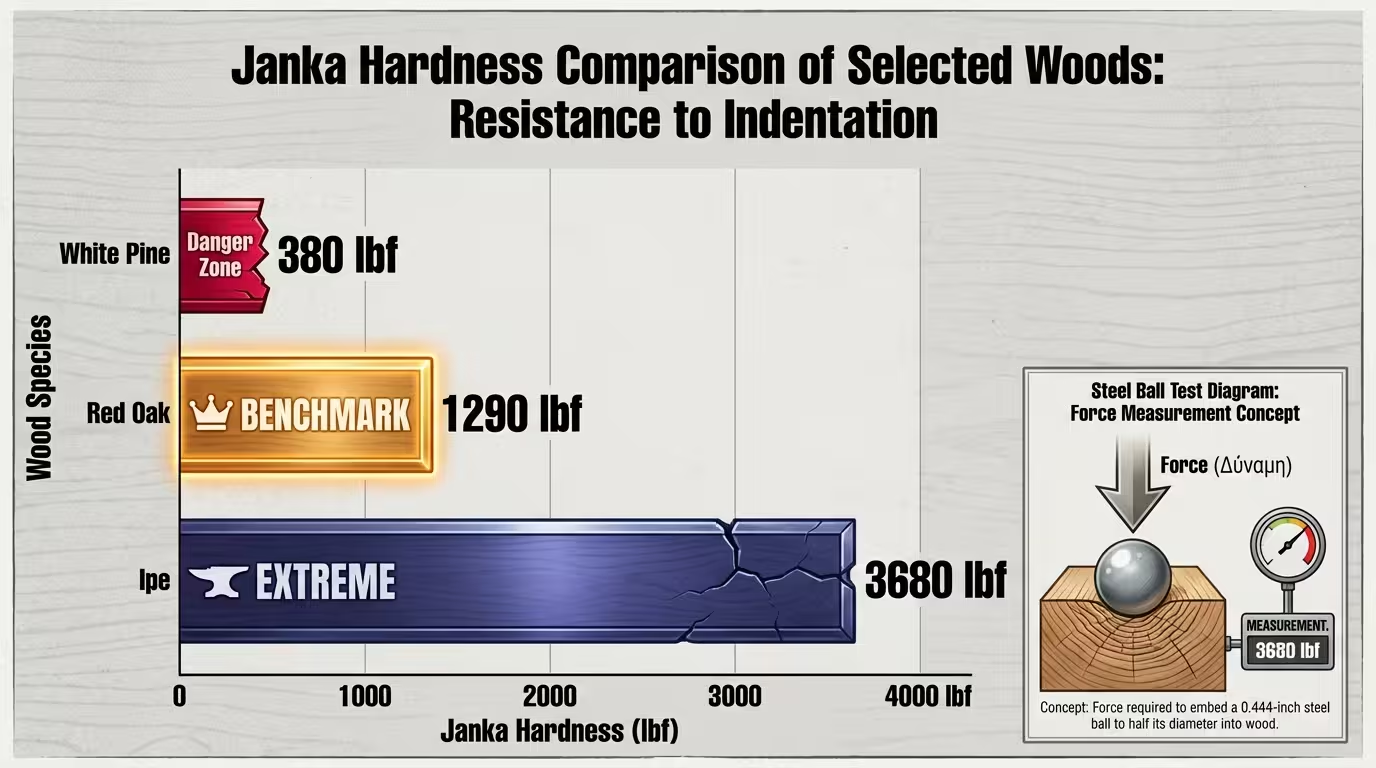
380 lbf - Very vulnerable to heel dents if used as flooring.
1,290 lbf - The industry benchmark for parquet.
3,680 lbf - Exceeds all woods, practically steel.
The choice between softwood and hardwood is the choice between economy-flexibility and lifelong durability. Choose based on the space, the stress it will endure, and the finishing materials you plan to use!
Return to category.
Go to categoryReturn to the central guide.
Go to guide