

✨ Gloss
Choose it for classic luxury, antiques, and maximum resistance to water and stains, provided the wood surface is flawless.
When you decide to maintain or restore a wooden surface - whether it's your home's floors, interior doors, or a beloved piece of furniture - choosing the colour is only the first step. The very next, and perhaps the most decisive for your daily life, is selecting the finish (sheen) of the varnish.
What is the difference between a matte, a satin, and a gloss wood varnish? Is the choice purely a matter of taste or does it affect durability? Let's look at the characteristics of each category so you can decide correctly, whether you are a consumer, a DIY enthusiast, or a professional.
Choosing the sheen level isn't just about appearance and the style of the room. It directly affects how easily a surface gets dirty, how well it hides wood or application imperfections, and how well it stands up to friction and time.
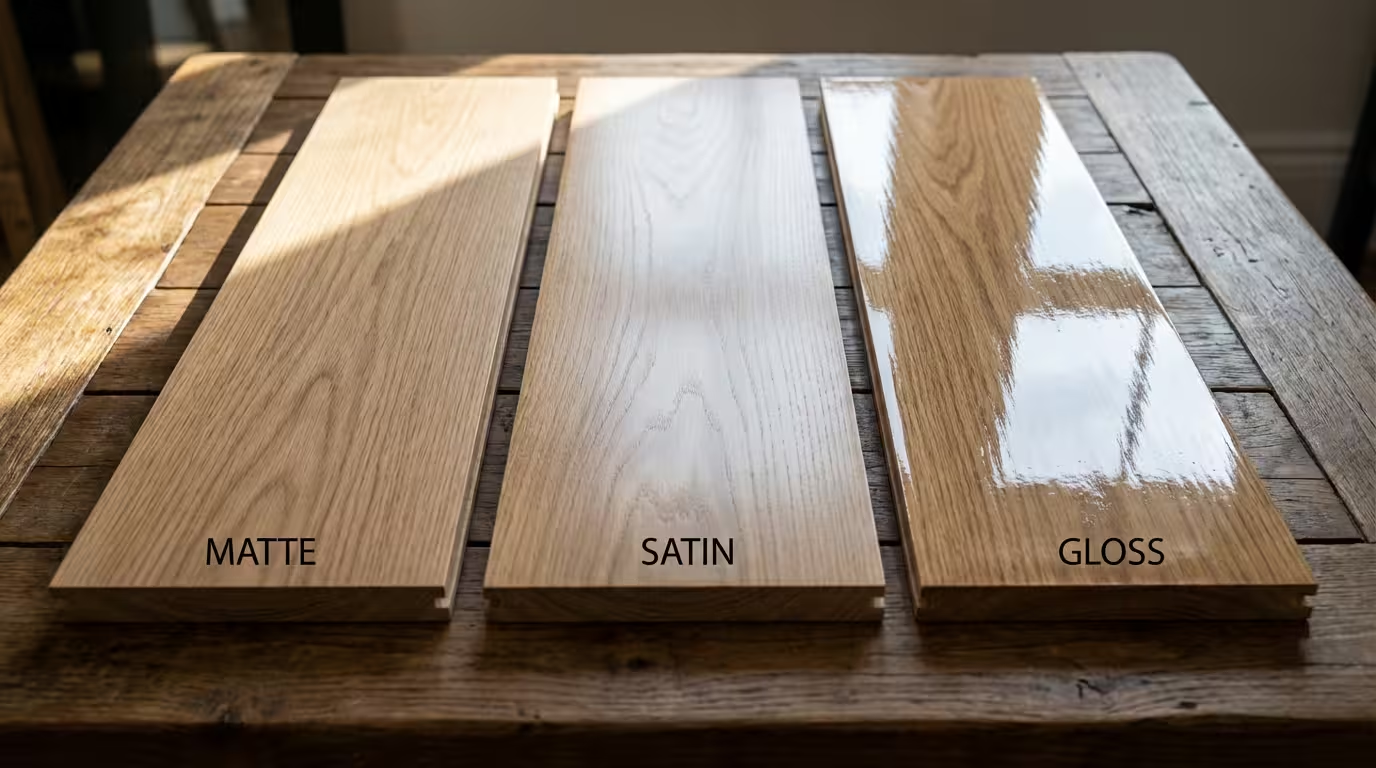
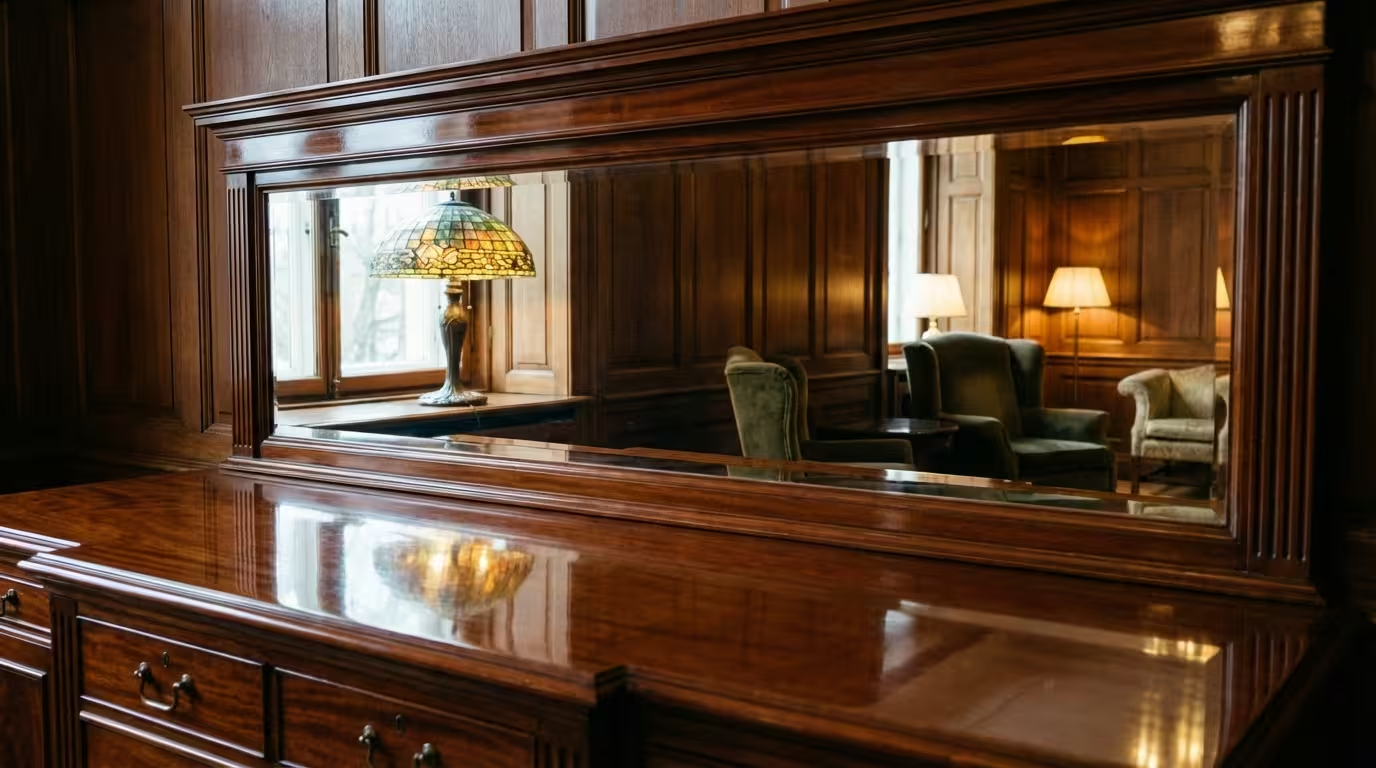
Gloss varnish creates an extremely smooth, reflective surface that looks like a mirror or glass. It offers the highest possible protection, as its surface is completely "closed" and smooth, preventing liquids, stains, and dirt from penetrating. It cleans very easily with a simple wipe.
Disadvantage: It is "unforgiving" with imperfections. Due to the intense reflection, it will highlight every scratch, every dent in the wood, and every speck of dust that settles on it during drying. Ideal for classic furniture, antiques, skirting boards, and frames where you want to give a sense of luxury.
Satin varnish (or semi-gloss) subtly reflects light, giving the wood a soft, "pearlescent," and warm look. Today, it is the most popular choice on the market as it combines the best of both worlds: durability and easy cleaning with a subtle sheen that helps hide micro-imperfections.
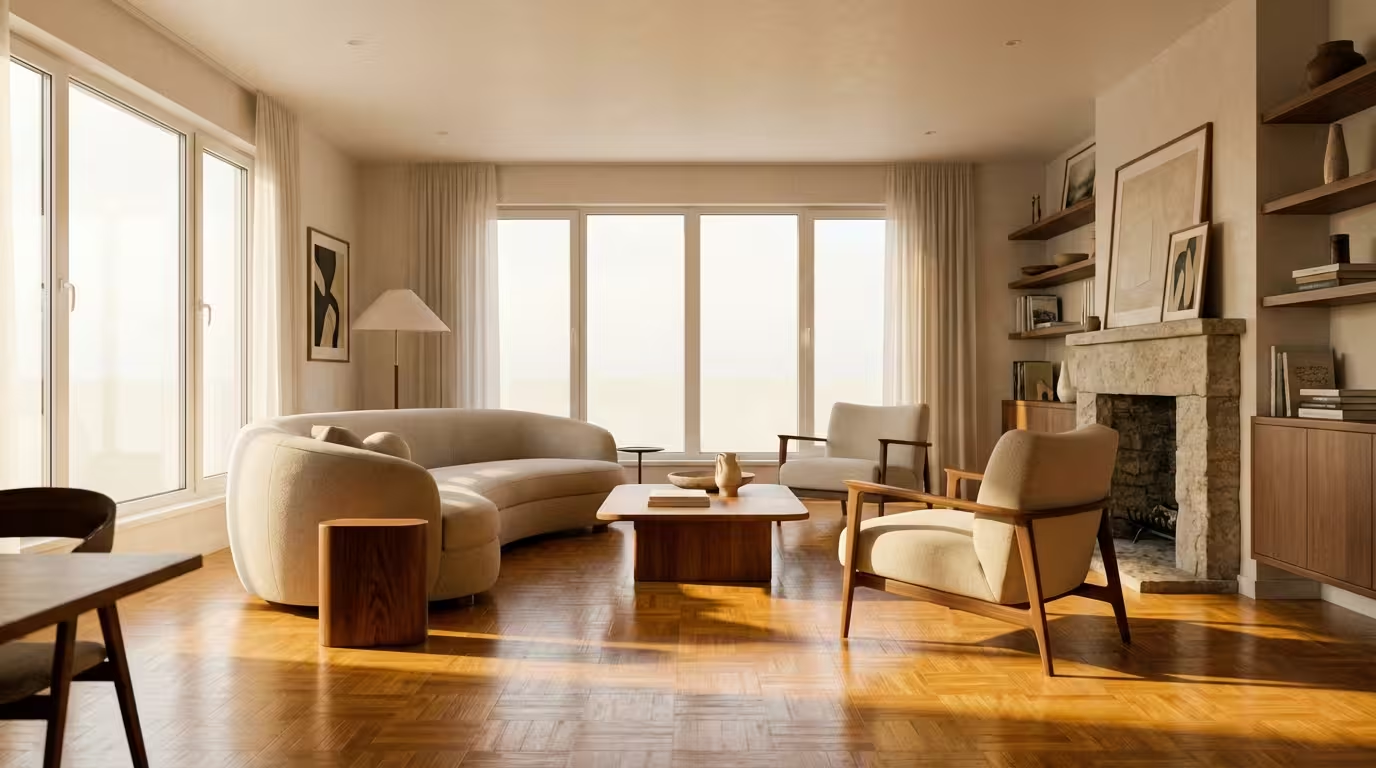
Ideal for: Wooden floors (parquet), stairs, everyday furniture (dining tables, chairs), and kitchen cabinets. It gives an extremely modern yet timeless result that fits most homes.
Matte varnish has minimal to zero light reflection. It absorbs light and highlights the raw, authentic, and natural texture of the wood. It is extremely "forgiving": if the wood has dents or if the brush application wasn't perfect, the matte finish will hide most imperfections.
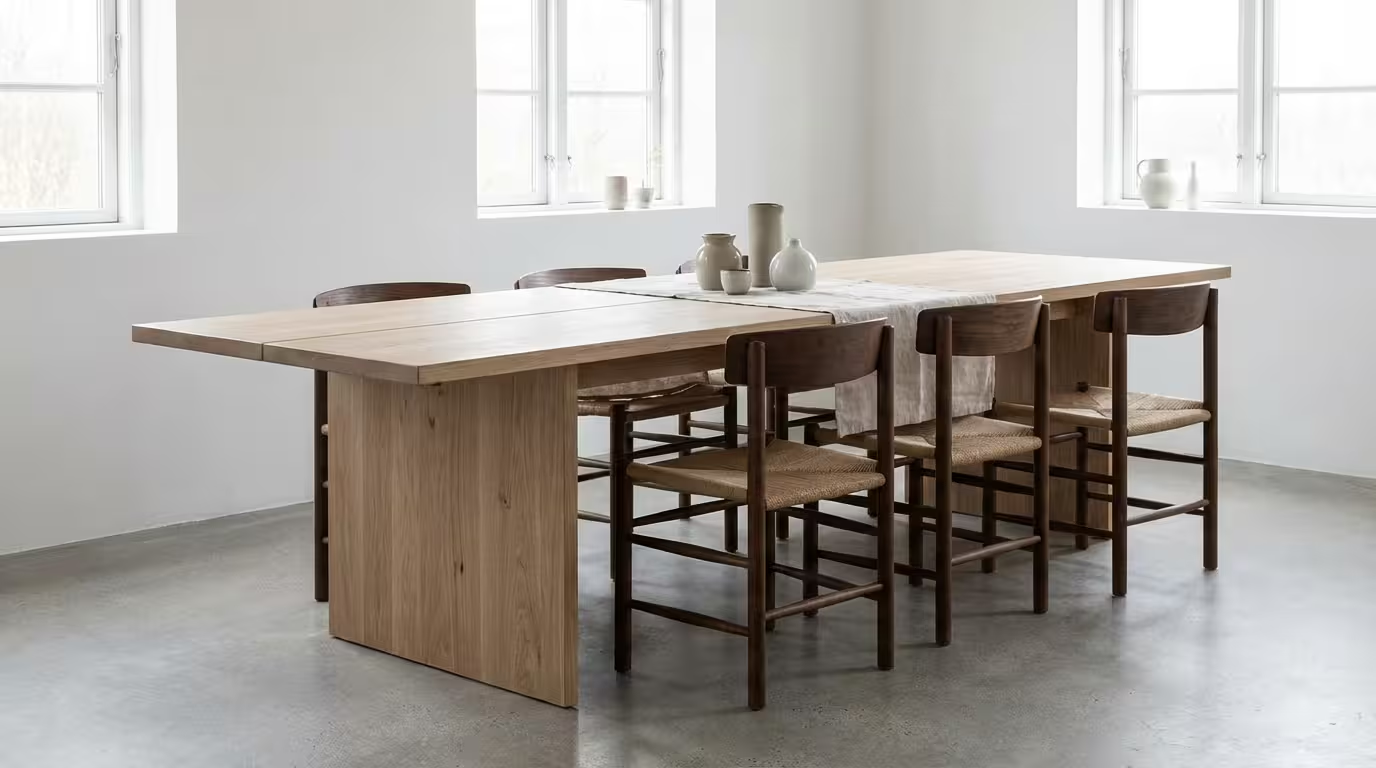
Ideal for rustic, minimal, or modern furniture and wood panelled ceilings. It is the ultimate choice for sealing chalk paints while maintaining their vintage look (using special wax-finish type matte varnishes). Disadvantage: It gets dirty slightly more easily than gloss and can locally shine if a stain is rubbed aggressively.
All varnishes are initially manufactured as gloss. To become satin or matte, manufacturers add special micro-particles (flattening agents) that "cut" the shine. These particles have a tendency to settle at the bottom of the container as it sits still on the shelf.
The golden rule: Before starting, mix the varnish thoroughly with a stick, scraping the bottom well. Never shake/hit the container violently (as we do with paints), because micro-air bubbles will form and transfer to the wood, looking like dust grains in the final result.
For professionals, sheen is measured in Gloss Units (GU) at a 60° angle (or 85° for very matte finishes), according to the ISO 2813 standard. Modern two-component polyurethane (2K PU) technology now allows for the creation of "dead" matte surfaces with industrial durability, thanks to the strong cross-linked chemical mesh.
Choose it for classic luxury, antiques, and maximum resistance to water and stains, provided the wood surface is flawless.
The safest, most timeless, and practical choice for most spaces (floors, kitchens, furniture) that combines shine and durability.
Ideal for modern and rustic projects where you want to highlight the natural, raw beauty of the wood while hiding imperfections.
Return to category.
Go to categoryReturn to the central guide.
Go to guide