🪞 Aluminium
Lightweight, easy to store, and doesn't rust in the traditional sense. However, it can develop "white rust" (oxidation) or the factory finish may peel. The challenge: the extremely smooth surface makes adhesion of new paints difficult.
Metal patio and garden furniture offers timeless elegance, but constant exposure to sun, rain, and salt air makes them vulnerable - learn how to keep them looking like new.
Before starting any work, you need to know what metal your furniture is made of, as their behaviour differs dramatically.
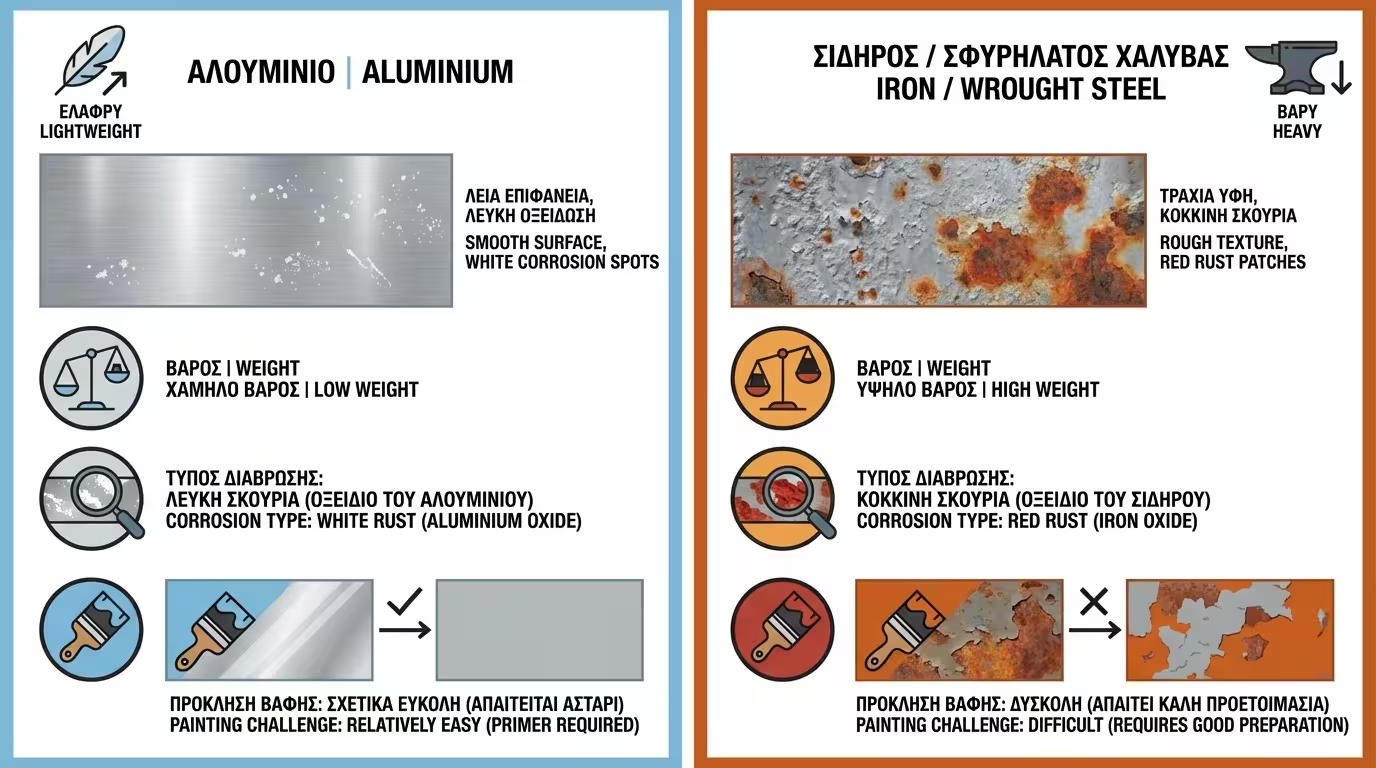
Lightweight, easy to store, and doesn't rust in the traditional sense. However, it can develop "white rust" (oxidation) or the factory finish may peel. The challenge: the extremely smooth surface makes adhesion of new paints difficult.
Unmatched stability and rustic aesthetics, but the great enemy: red rust. If the paint gets scratched, moisture enters and corrosion spreads rapidly.
To extend the lifespan of your furniture and delay the need for repainting, follow this routine.
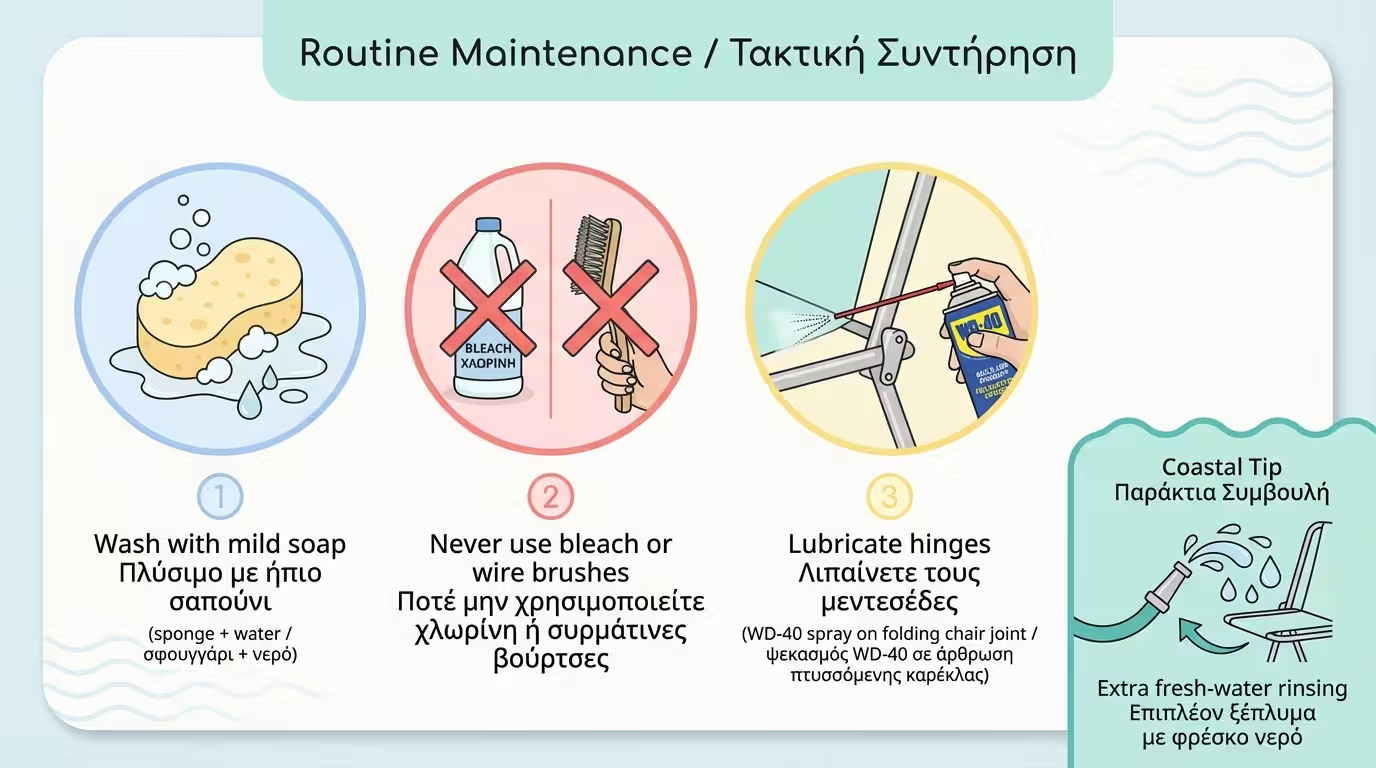
Wash furniture with a soft sponge, water, and mild dish soap. In coastal areas, regular cleaning with plenty of fresh water is essential to remove salt crystals.
Never use harsh wire brushes or strong chemicals (such as bleach) on aluminium furniture - they will destroy the protective coating.
A light spray of anti-rust lubricant (e.g., WD-40) on folding chair hinges keeps them functional and removes surface staining.
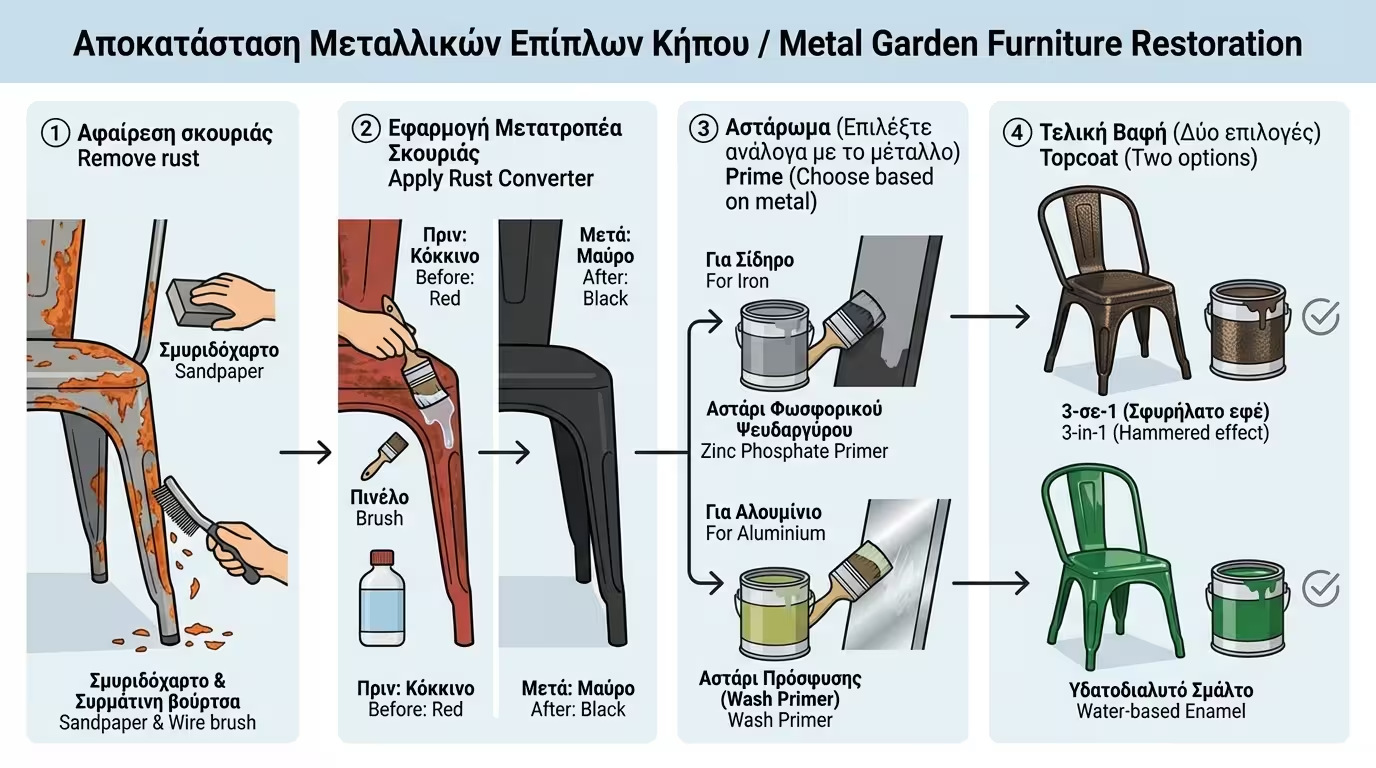
If your furniture has peeled or rusted, you can restore it by following the correct steps - never paint over flaky rust or a dirty surface.
Sand peeling spots with sandpaper or a wire brush. Wipe thoroughly with nitro solvent to remove every trace of grease. Without proper degreasing, the new paint will peel.
On ornate, wrought-iron pieces, perfect sanding is impossible. A Rust Converter is brushed over light rust, reacts with it and converts it to a hard, black, inert layer.
For iron: zinc phosphate anti-corrosive primer. For aluminium: ABSOLUTELY essential 2-Component Wash Primer - standard primers simply won't adhere to aluminium.
Two coats. For quick jobs, 3-in-1 (Direct-to-metal) paints with hammered or metallic effects hide imperfections. For smooth finishes, modern eco-friendly water-based enamels that don't yellow.
💡 Tip: Don't let surface rust progress. A quick touch-up as soon as the first scratch appears triples the furniture's lifespan.
When equipment (e.g., poolside furniture, metal pergolas) is destined for heavy commercial use in coastal or corrosive environments, specifications change dramatically.
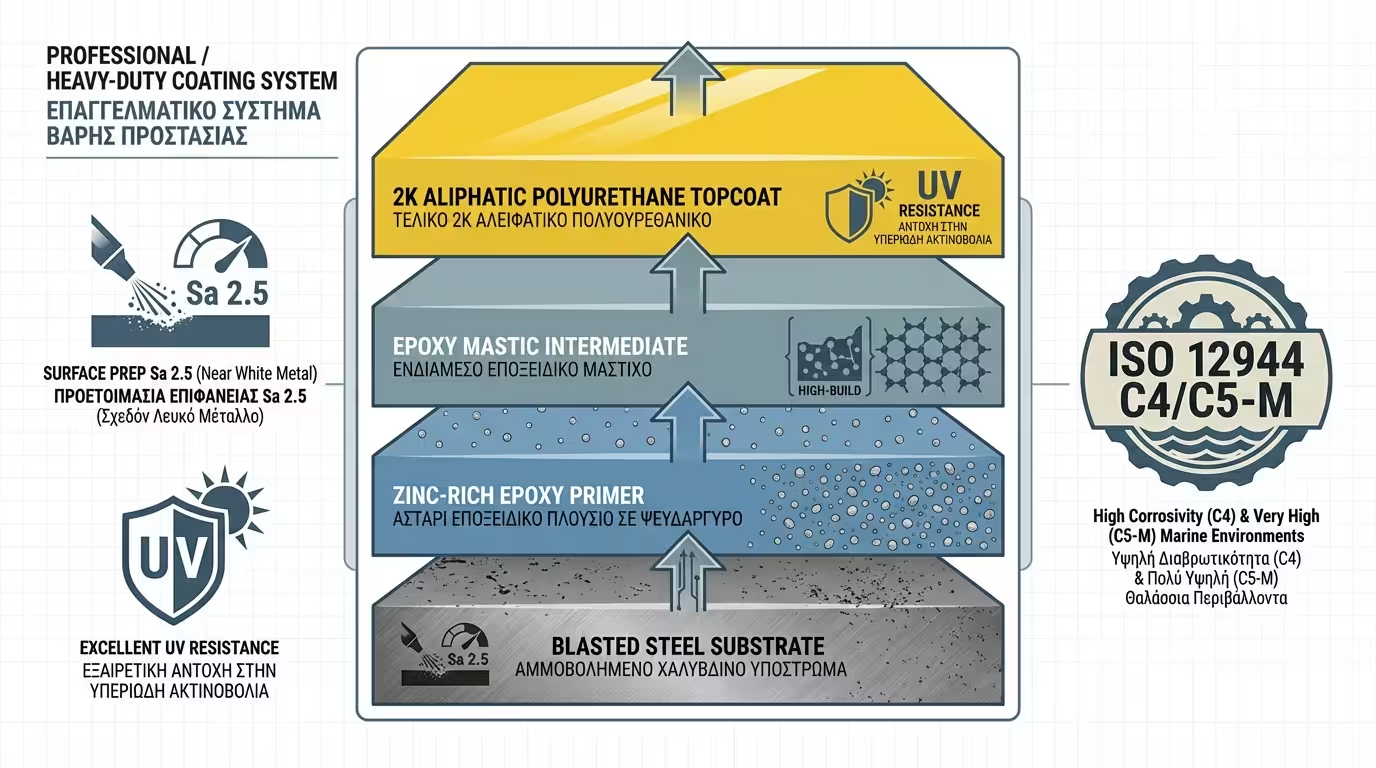
For highly corrosive environments (C4 - Coastal or C5-M - Marine/Ocean), conventional single-component alkyd paints fail.
The surface must be cleaned by abrasive blasting to Sa 2.5 (Near White Metal). A zinc-rich epoxy primer is then applied for cathodic (galvanic) protection.
Since epoxies "chalk" rapidly from sunlight, the system must be sealed with a 2K aliphatic polyurethane topcoat: exceptional elasticity, scratch resistance, and permanent gloss retention.
📐 Engineer's Rule: For C4/C5-M, the topcoat must always be 2K aliphatic polyurethane - epoxies alone don't withstand UV exposure.
Return to category.
Go to categoryReturn to the central guide.
Go to guide