🎨 Top Shades (RAL & Custom)
This year earthy tones dominate (warm terracottas, deep browns) that soften metal's harshness, alongside deep green and navy blue. Anthracite (RAL 7016) remains the go-to minimal choice for modern buildings.
The main metal door and garage door define a building's architectural identity - learn everything from 2025 colour trends to coating systems and thermal insulation.
The era of garage doors in plain grey or white is over. In 2025, interior and exterior design calls for natural connections and bold contrasts.
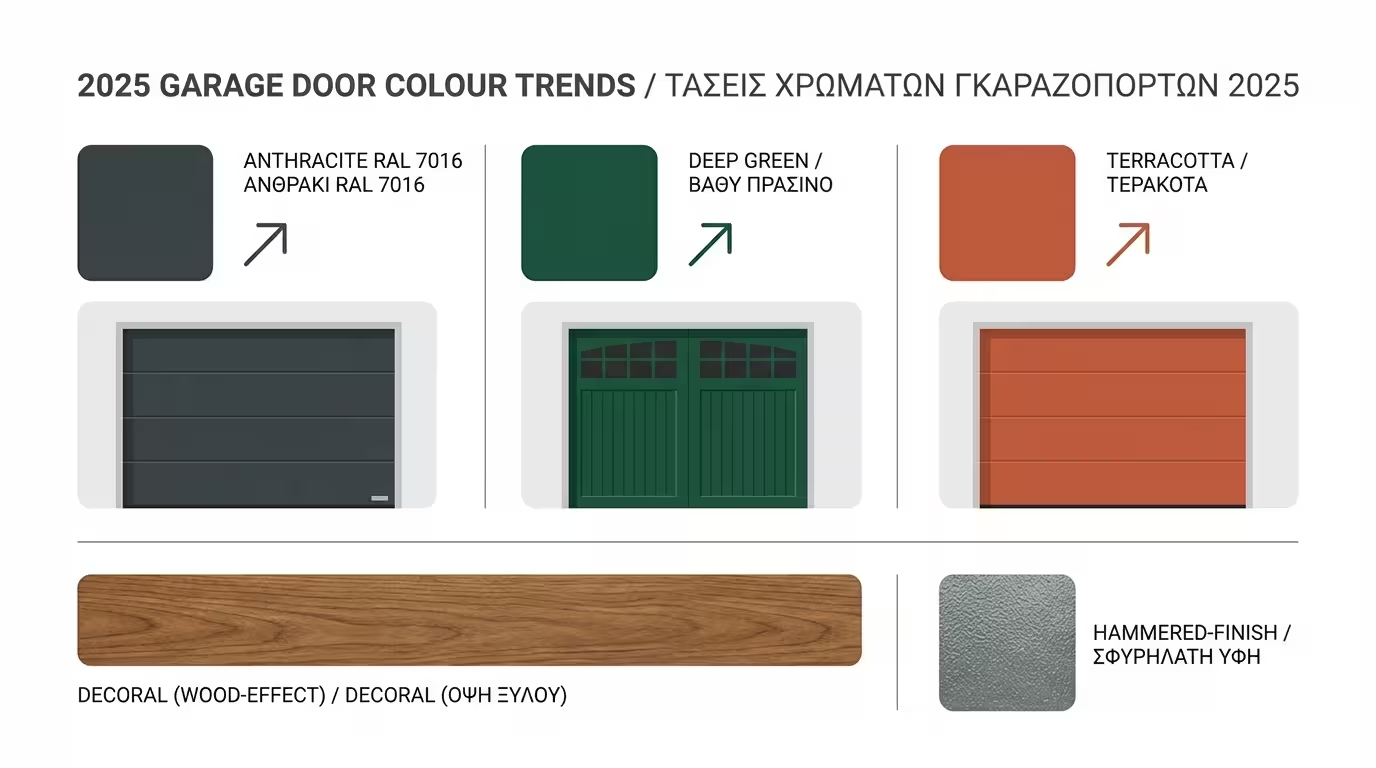
This year earthy tones dominate (warm terracottas, deep browns) that soften metal's harshness, alongside deep green and navy blue. Anthracite (RAL 7016) remains the go-to minimal choice for modern buildings.
A massive trend for aluminium doors: wood-imitation coating (e.g., light oak or walnut). It combines the warmth of wood with the zero-maintenance of metal.
If your door has dents or imperfections, hammered-effect paints (like classic Martelite) are ideal. They hide imperfections, can be applied directly over rust, and offer a vintage or industrial look.
The type of garage door directly affects aesthetics and future painting. The structure of each door determines which application method to use.
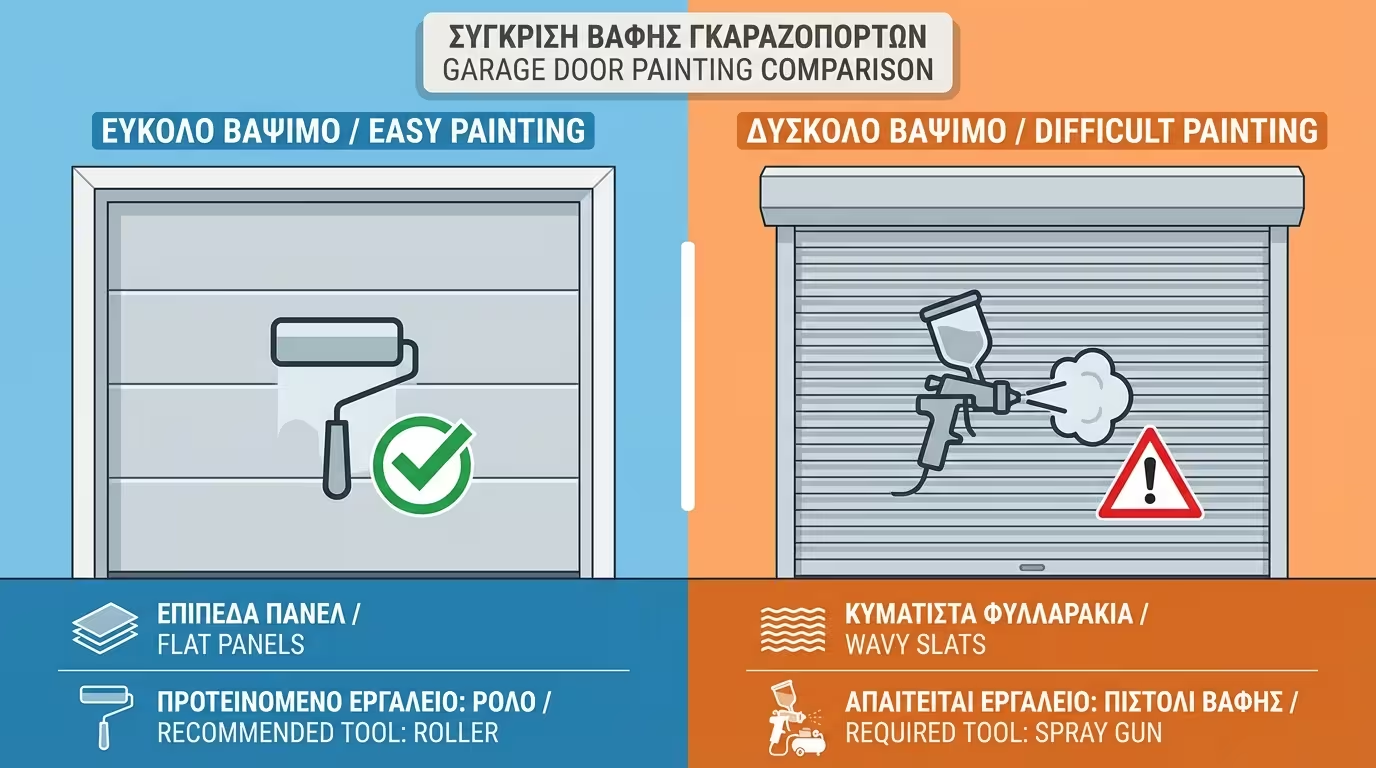
Composed of large panels. They offer tremendous design flexibility (windows, recessed panels, or smooth surfaces). Due to their flat surfaces, they are much easier to paint and maintain with a simple roller.
Save valuable ceiling space as they roll into a casing. However, their corrugated design (many small slats) makes manual painting time-consuming, making spray application virtually mandatory.
Metal doors are massive thermal bridges. In summer they overheat and in winter they conduct cold inside. The right approach can radically change the microclimate.
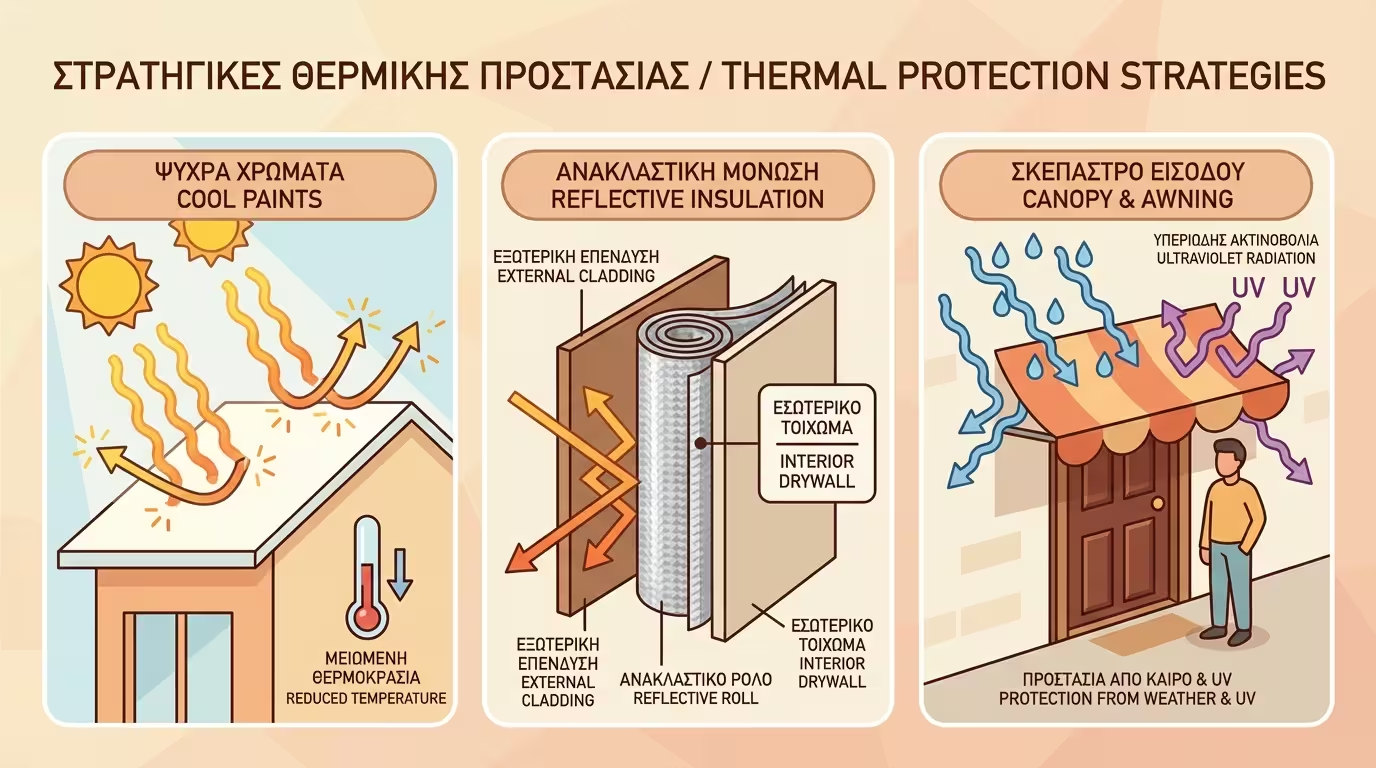
Paint the exterior side with specialist elastomeric or acrylic thermal-insulating paints that reflect solar radiation and noticeably reduce surface temperature.
For those using the garage as a workshop (DIYers), fitting reflective insulation rolls (double-layer foil with air bubbles) on the inside is an extremely cost-effective solution.
An elegant canopy of aluminium or polycarbonate above the door extends the coating's lifespan by many years, shielding it from UV and rainfall.
If your garage door is made of galvanised sheet or aluminium, standard oil-based paints will peel immediately. Follow the correct process step by step.
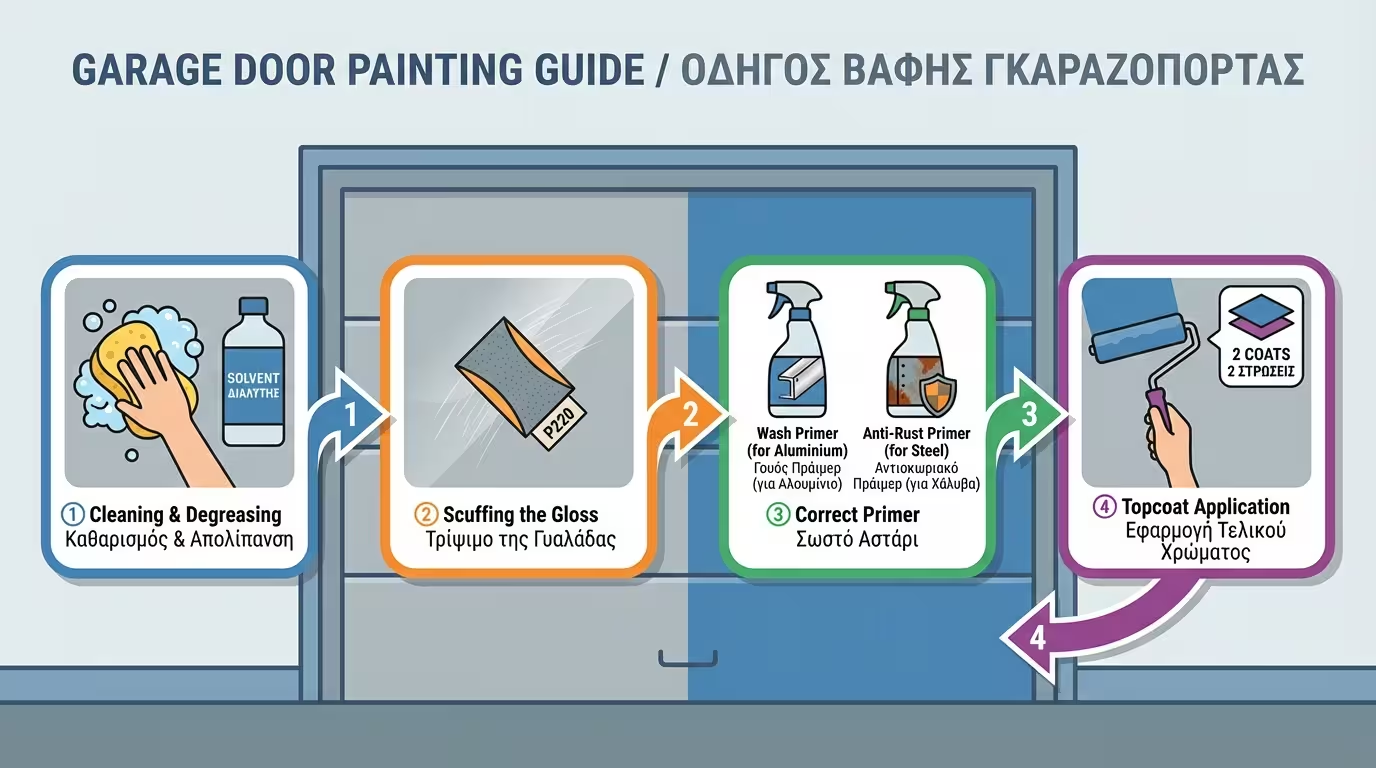
Metal collects exhaust fumes and salts. Wash thoroughly and wipe with nitro solvent (or white vinegar for galvanised) for complete grease removal.
Lightly abrade (matting) with fine P220 sandpaper to create micro-pores for the new material to grip.
For iron/steel: anti-rust primer (red oxide or zinc phosphate). For aluminium/galvanised: strictly Wash Primer that chemically bites the surface.
Apply 2 coats. Modern water-based acrylic polyurethane paints don't yellow, have tremendous elasticity, and protect against UV. Alternatively, 3-in-1 paints for iron doors.
💡 Pro Tip: Add a small amount of drying retarder on hot days - it gives the film time to settle before it dries.
For professional projects, the specification of materials for doors and shutters is governed by strict standards.
For new aluminium doors with electrostatic powder coating, especially in coastal or polluted environments, demand Qualicoat Seaside Class. This specification mandates deeper chemical pre-treatment (etching) that prevents filiform corrosion under the paint.
For heavy steel industrial doors, the top solution is the Duplex system (painting over hot-dip galvanised steel). The synergistic action delivers durability of over 50 years, even in corrosive environments (C4/C5 per ISO 12944).
📐 Engineer's Rule: Treat metal doors as an investment. Proper preparation, the right primer, and a touch of modern design will transform the façade - with decades of durability.
Return to category.
Go to categoryReturn to the central guide.
Go to guide