💧 WFT (Wet Film Thickness)
The thickness of the paint at the moment of application. It is the only parameter the painter can control during the work using wet film combs.
In industrial coating systems, thickness is not a decorative choice but a technical requirement. Strict adherence to micrometres (μm) determines the service life of the system according to ISO 12944.
Every Technical Data Sheet (TDS) specifies a thickness range that must be achieved for anti-corrosive mechanisms to function. Understanding the relationship between wet and dry films is critical for avoiding failures.
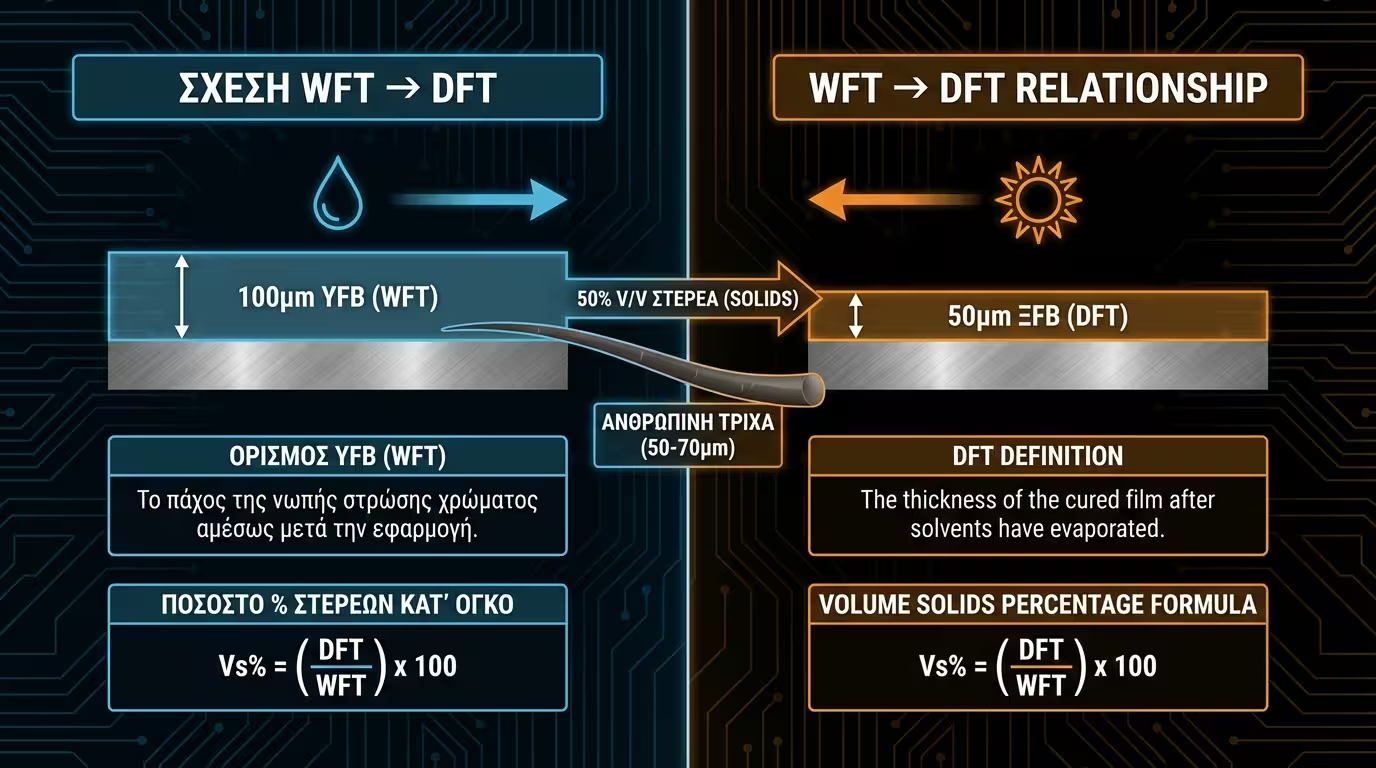
The thickness of the paint at the moment of application. It is the only parameter the painter can control during the work using wet film combs.
The final membrane thickness after full solvent evaporation. This is the value that interests the inspector and defines the corrosivity category the system can withstand.
The ratio that determines how much the paint will "shrink". A product with 60% solids will leave 60μm of dry film for every 100μm of wet layer.
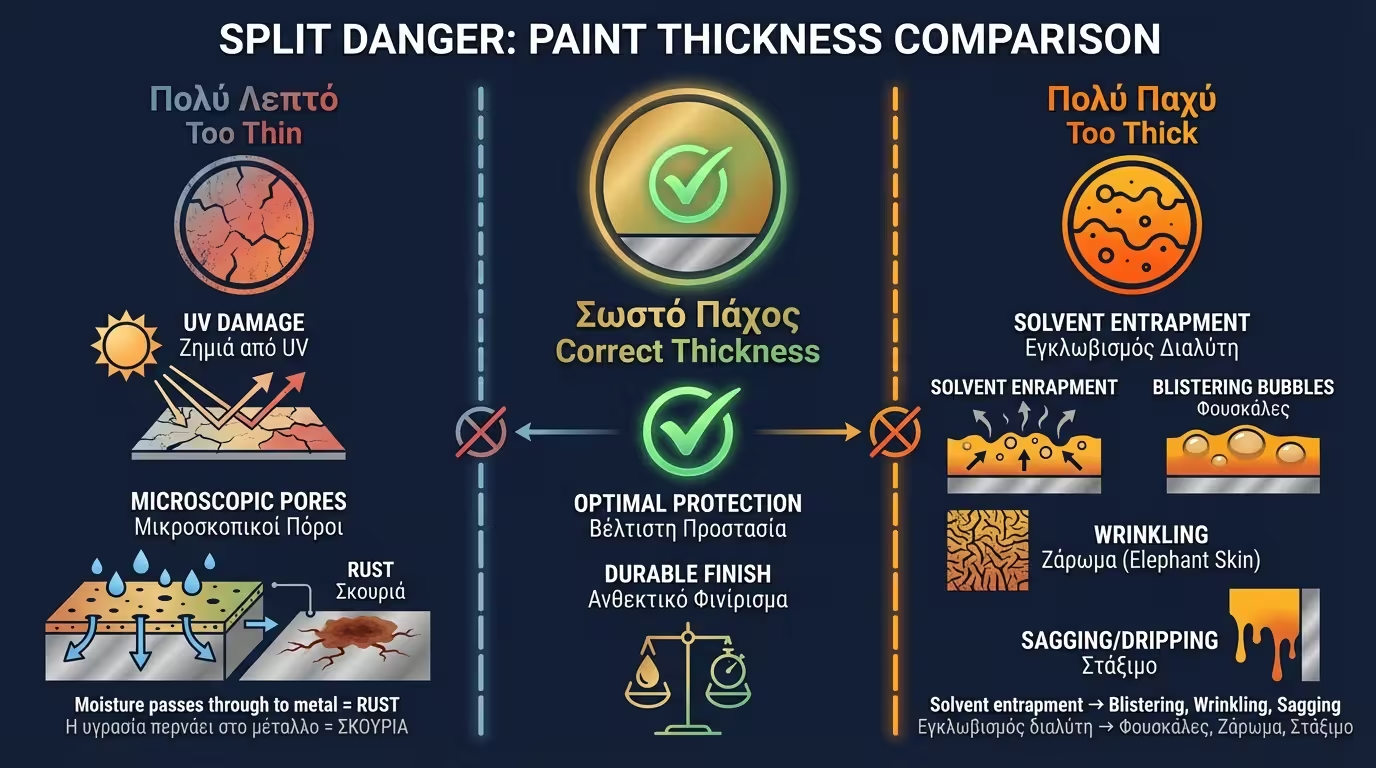
In anti-corrosion protection, the system is only as strong as its thinnest point. If a specified 200μm system has areas with only 80μm, corrosion will initiate there and spread, undermining the entire structure.
Excessively thin layers leave "holidays" or microscopic pinholes invisible to the eye, allowing the electrolytic circuit of rust to close.
Conversely, excessive material build-up (High DFT) leads to solvent entrapment. The surface "skins over" quickly, blocking evaporation from below and causing blistering or wrinkling.
Measurement is performed with specialized instruments to ensure compliance with standards (e.g., SSPC-PA 2).
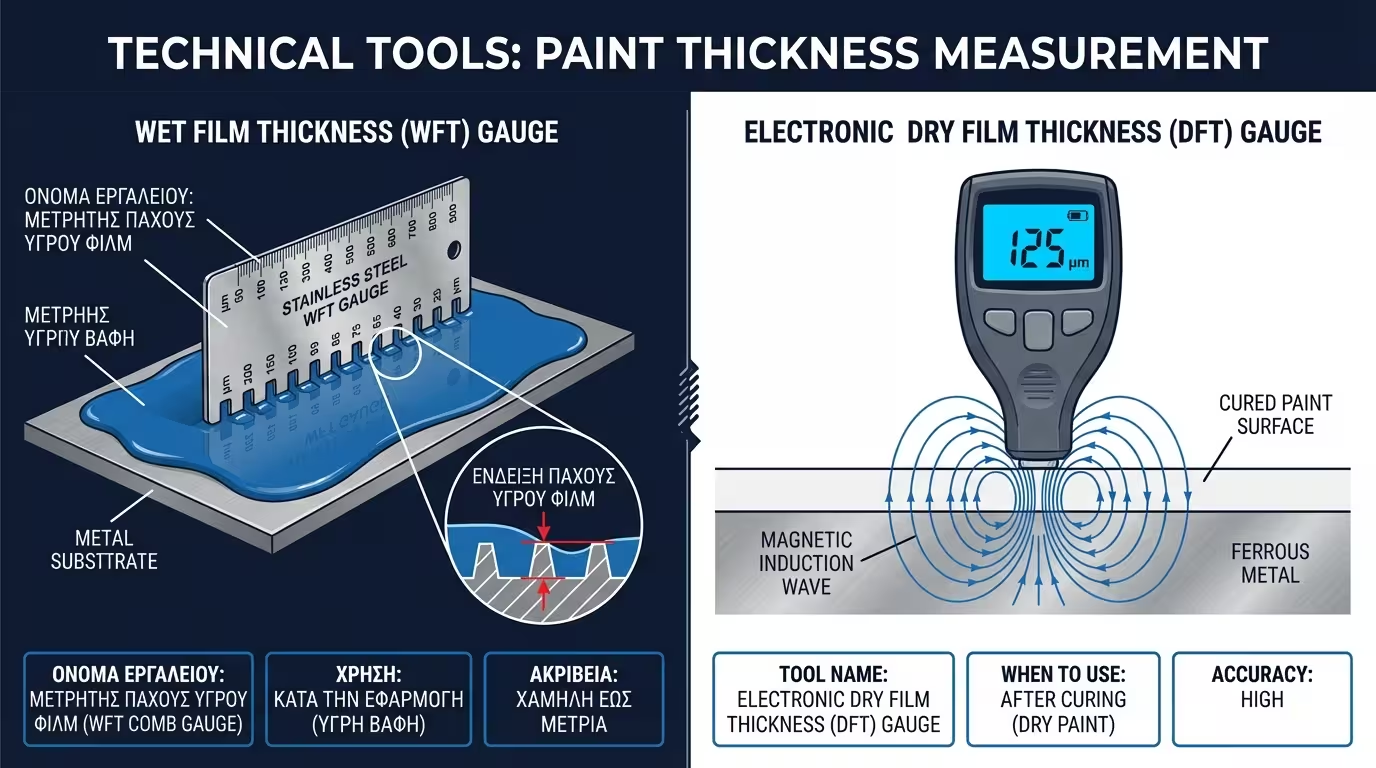
Used in-situ to adjust application speed or airless pressure so that the wet film target is maintained.
Magnetic induction (for steel) or eddy current (for aluminium) instruments offering precision of +/- 1μm. This is the final acceptance criterion for a project.
To achieve uniform thickness without instruments, rely on theoretical consumption and application technique.
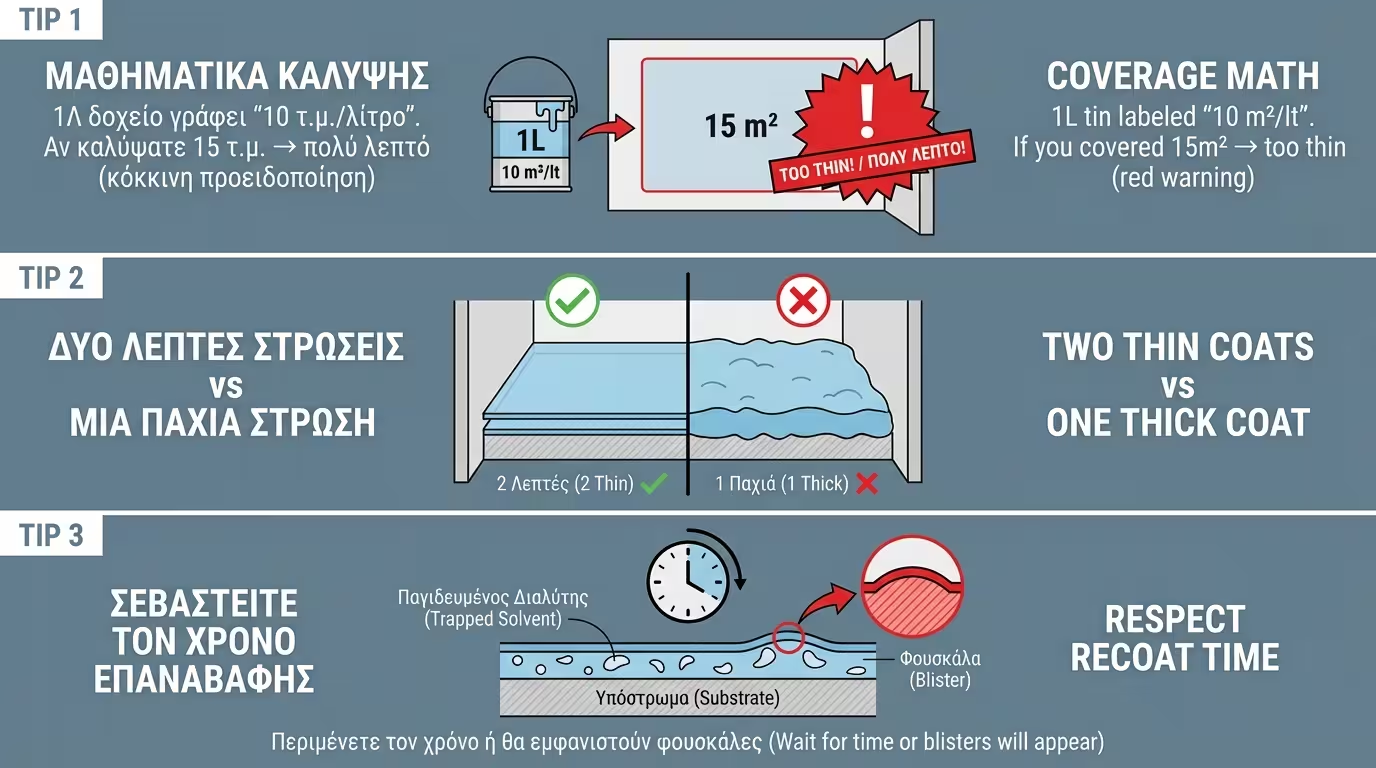
If one litre of paint should cover 12m² but you painted 20m², you have applied 40% less material than required. Your protection is out of specification.
Never apply a thick coat to "get it over with". Thick film dries unevenly, leading to Sagging and reduced adhesion due to internal stresses.
💡 Expert Tip: Always use the cross-hatching technique. Paint horizontally and then vertically while the paint is wet. This ensures optimal distribution and minimizes the chances of "weak links" in your film.
Return to category.
Go to categoryReturn to the central guide.
Go to guide