Kitchen
Oil splashes, cooking steam, frequent wiping. Acrylic holds up without leaving marks on the wall.
What's the Difference and When to Choose Each
In most renovations the question comes up early: "should we go with vinyl or acrylic?" Both are water-based, low-odour, and applied the same way. That makes them seem interchangeable.
They're not. The difference lies in the resin: its type and concentration determine scrub resistance, washability, behaviour in damp conditions and ultimately - how often you'll need to repaint. The right choice isn't about brand; it's about the room.
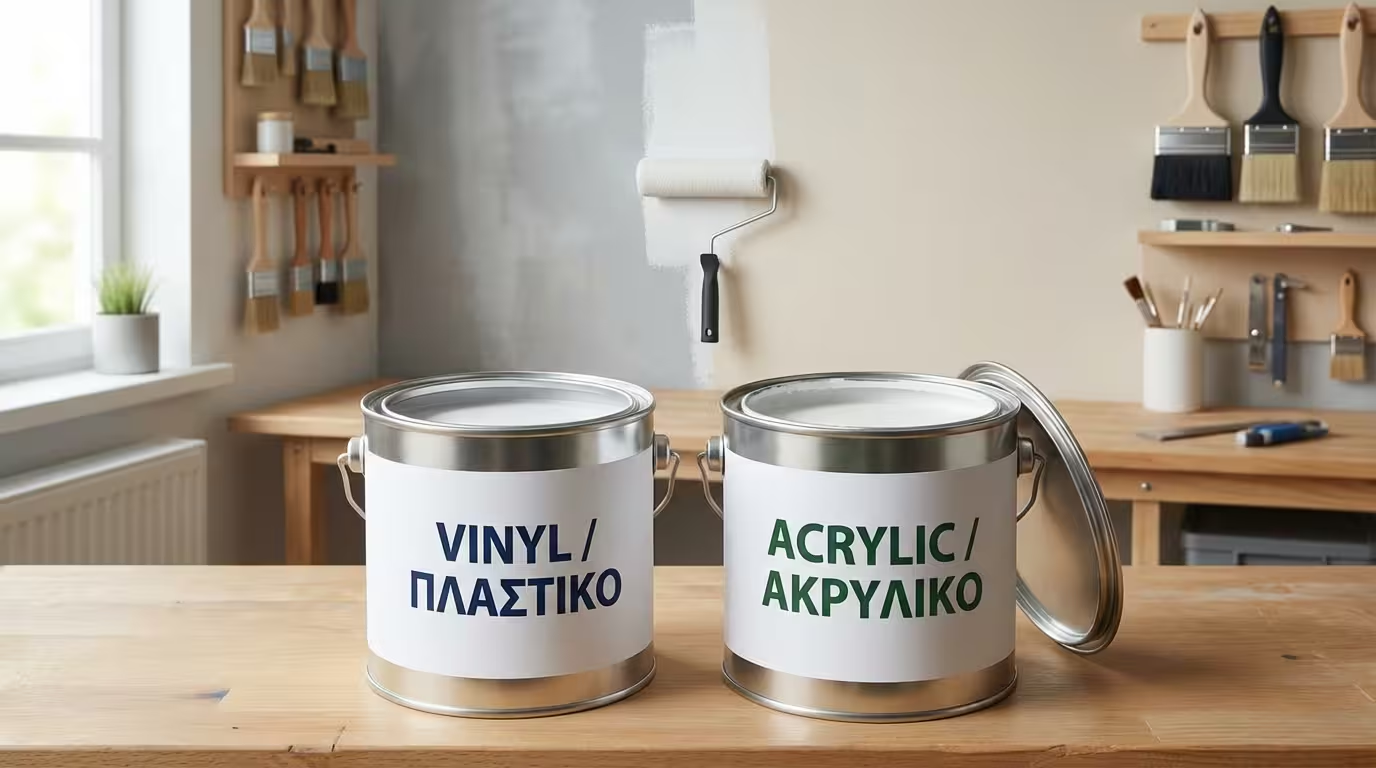
Standard vinyl interior paint is based on vinyl or low-concentration acrylic resin. It's the budget-friendly solution that covers most needs in dry rooms: bedrooms, living rooms, dining areas.
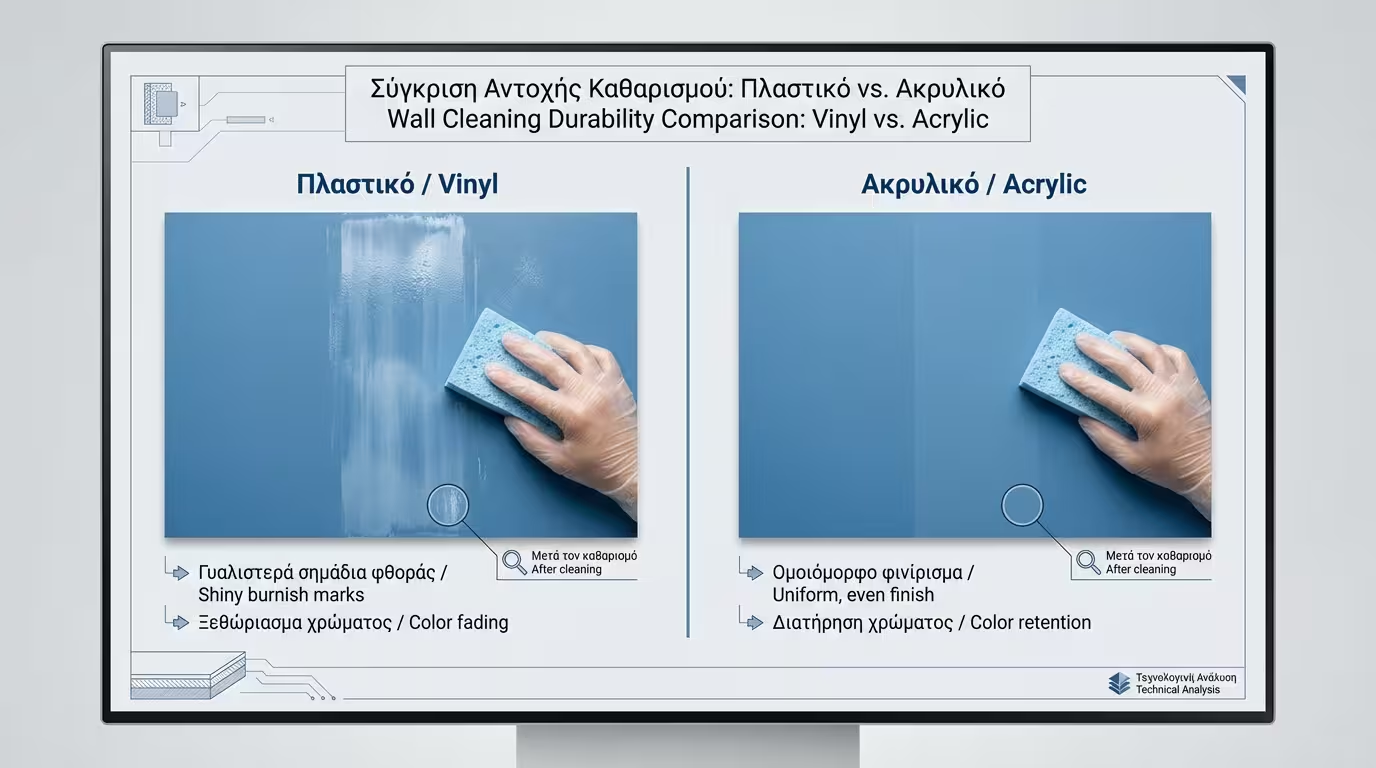
It delivers a matte finish, good first-coat coverage, and a pleasant result. The problem appears in year two: in areas subject to friction - light switches, chair backs, corners - vinyl starts to burnish. The marks don't come off with a sponge. The paint attracts dust and begins to darken locally.
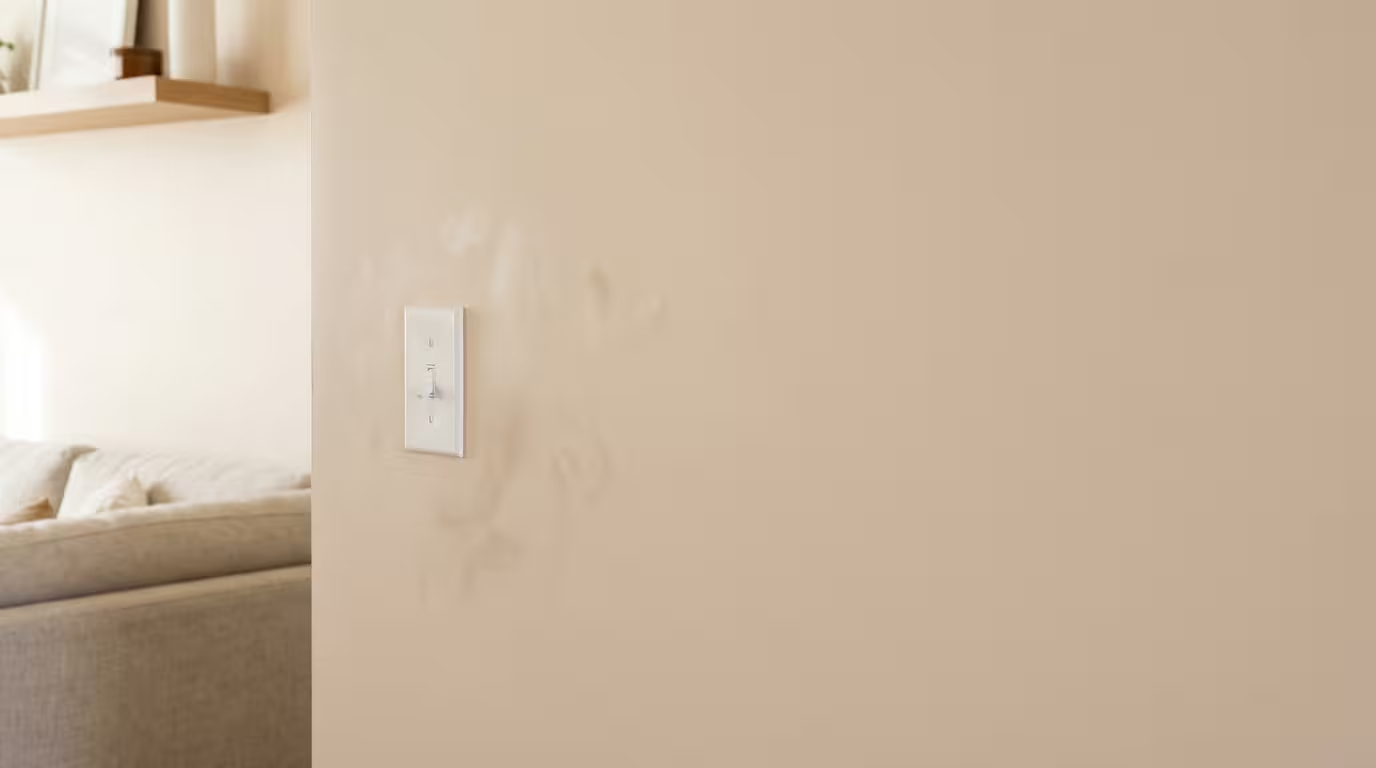
If the room doesn't see friction or moisture, vinyl does the job. But don't expect it to survive washing.
Interior acrylic has a higher concentration of acrylic resin. This translates into three things: better adhesion, increased scrub resistance, and the ability to be washed without damage.
It costs more - but in rooms that take a beating, the difference pays for itself within two years. Where exactly is it needed?
Oil splashes, cooking steam, frequent wiping. Acrylic holds up without leaving marks on the wall.
Markers, fingerprints, stickers. A good acrylic allows cleaning without damaging the paint film.
High-traffic areas with scuffs from bags, coats and foot traffic. Durability is critical here.
Offices, waiting rooms, clinics. Any space that needs routine wall wiping.
Washability is not marketing - it is measured per EN 13300. The scrub resistance class shows how many wash cycles the paint withstands before it begins to degrade. Here's the practical difference:
| Characteristic | Vinyl | Acrylic |
|---|---|---|
| Scrub class (EN 13300) | 3 – 5 | 1 – 2 |
| Sponge resistance | Leaves burnish marks | No visible wear |
| Mild detergent tolerance | Removes paint | Tolerant |
| Appearance after 2 years of use | Dark patches, corner wear | Uniform appearance |
| Typical finish | Matte | Matte or satin |
Class 1 genuinely withstands multiple cleanings. Class 5 degrades at the first sponge. The numeric scale is not figurative - it is a laboratory measurement.
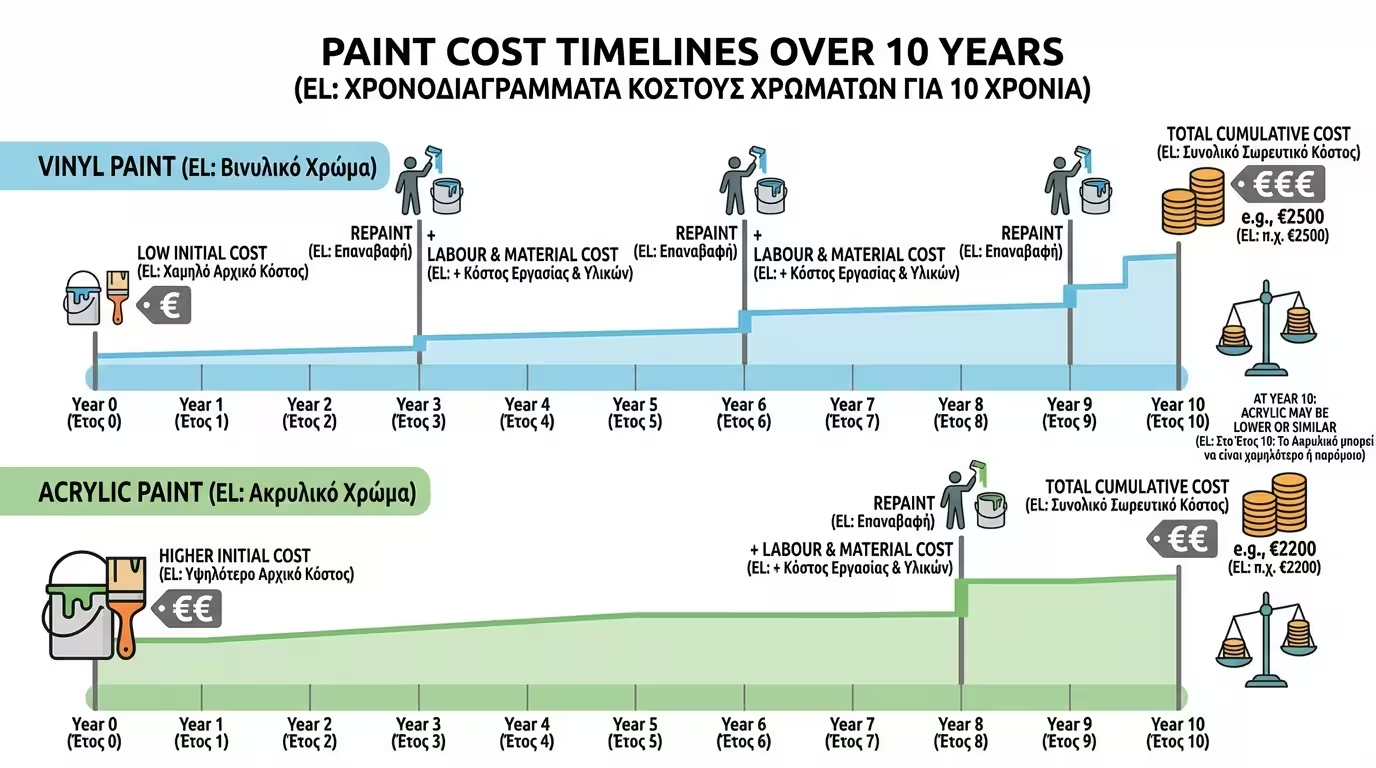
Vinyl costs less on the shelf - typically 20–40% cheaper per litre. That gap looks significant on a renovation budget. But the comparison ignores repaint frequency.
In rooms with normal use, a quality acrylic can last 5–8 years without visible wear. A budget vinyl in a high-traffic room may need repainting in 2–3 years. Factor in labour, priming and disruption, and acrylic turns out to be more economical long-term.
The exception: if the room is dry, sees light use, and never needs washing - then the vinyl saving is genuine.
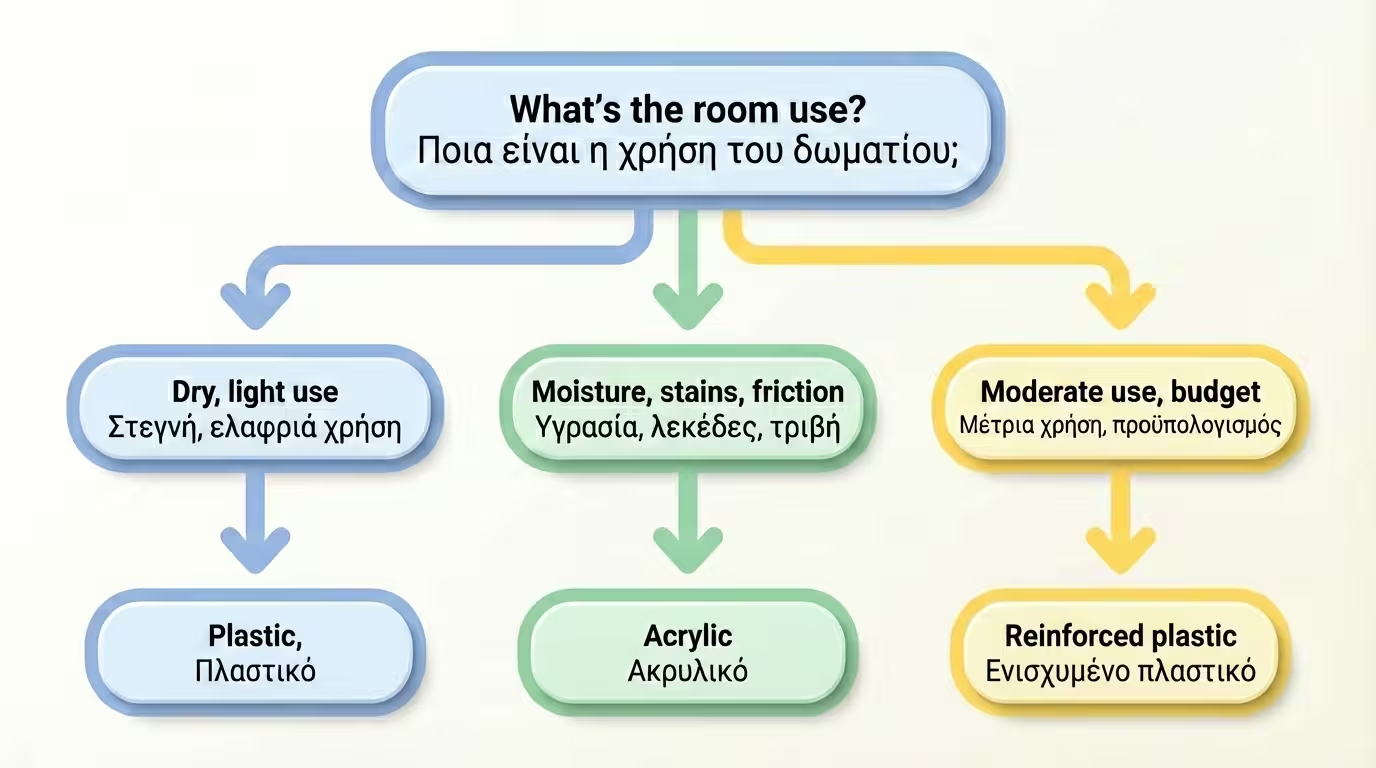
There is no single right answer for every room. The choice depends on three things: use, moisture, and cleaning needs.
Dry room, light use, limited budget. Bedrooms, guest rooms, storage areas.
Moisture or stains, frequent cleaning, longer service life. Kitchen, kids' room, hallways, bathroom (non-wet zones).
Middle ground: "washable vinyls" or "premium vinyl" products that bridge the gap without the cost of a top-tier acrylic.
Special case: rooms with a history of mould or poor ventilation need acrylic with anti-fungal additives.
Always ask: "how often will this wall need to be washed?" If the answer is "never", vinyl is fine. If the answer is "at least a few times a year", you need acrylic.
For a typical apartment, the practical solution is a combination: vinyl in bedrooms, acrylic in kitchens, bathrooms, hallways and kids' rooms. This isn't a luxury - it's the most cost-effective strategy over time.
The right choice reduces maintenance, extends service life, and eliminates the wear marks that make a freshly painted wall look old after one year.
Return to category.
Go to categoryReturn to the central guide.
Go to guide