
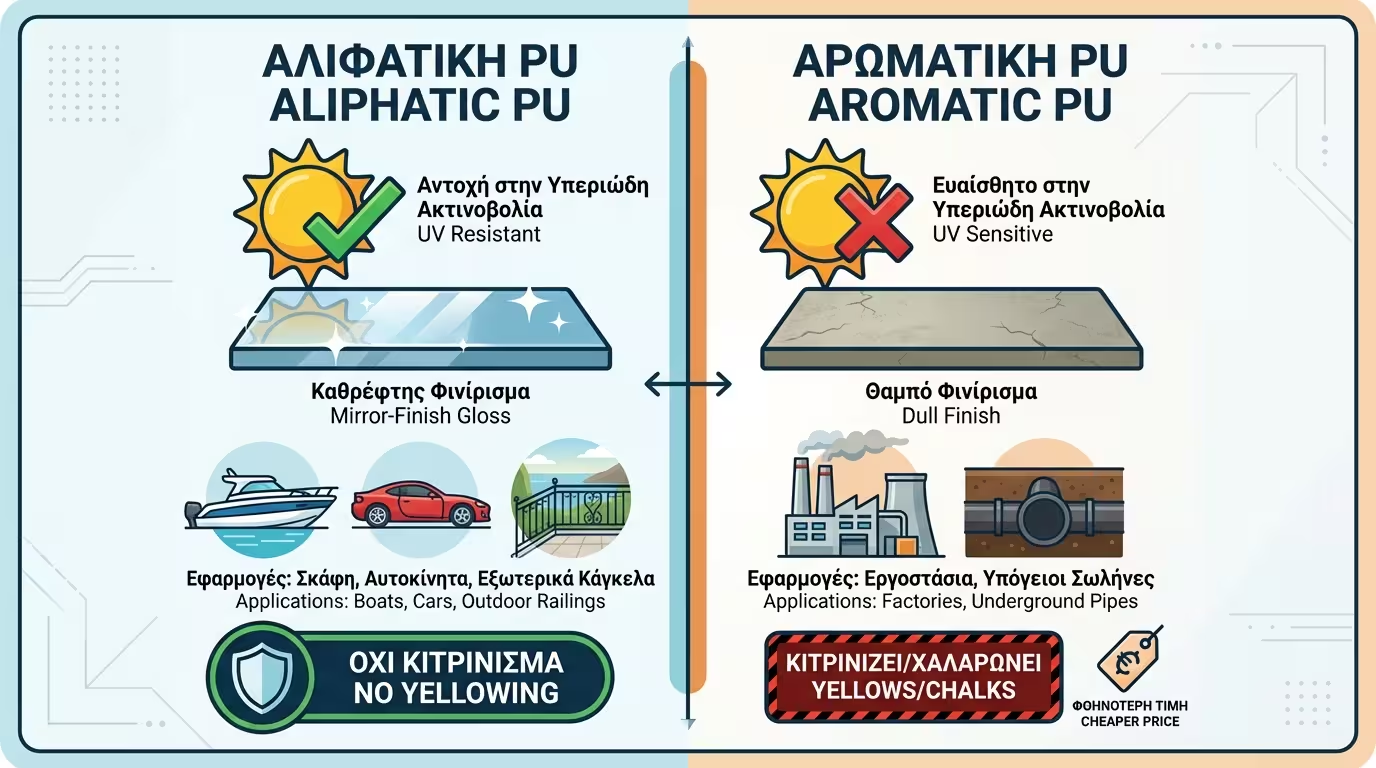
☀️ Aliphatic PU (For Outdoor Use)
The premium choice for topcoats. Exceptional UV resistance - no yellowing, no fading, maintains gloss and colour for many years. Ideal for boats, cars and exterior metalwork.
When ordinary paint isn't enough: aliphatic vs aromatic polyurethane, correct mixing procedure, and critical safety measures. The full guide.
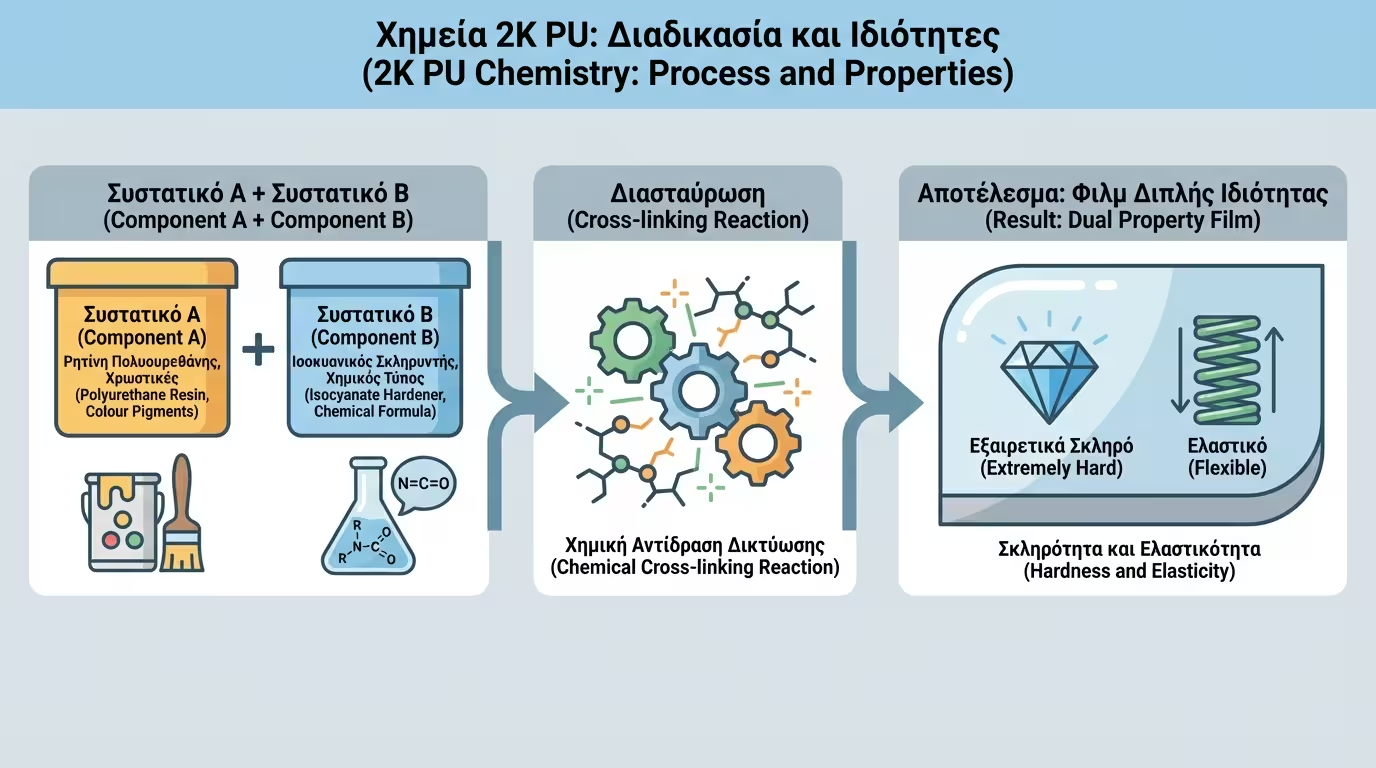
Unlike conventional paints that dry by evaporation, 2K PU coatings cure through a chemical reaction (polymerisation). They consist of:
When mixed, they form powerful cross-links - producing a film that is simultaneously extremely hard and impressively flexible.
The most critical knowledge before buying any polyurethane paint. PU chemistry splits into two categories:
The premium choice for topcoats. Exceptional UV resistance - no yellowing, no fading, maintains gloss and colour for many years. Ideal for boats, cars and exterior metalwork.
More economical, with extreme chemical and mechanical resistance. However, it cannot withstand sunlight - yellows, discolours and chalks. Used as primer, indoors or on buried/submerged structures.
Three reasons make it superior to any alkyd enamel:
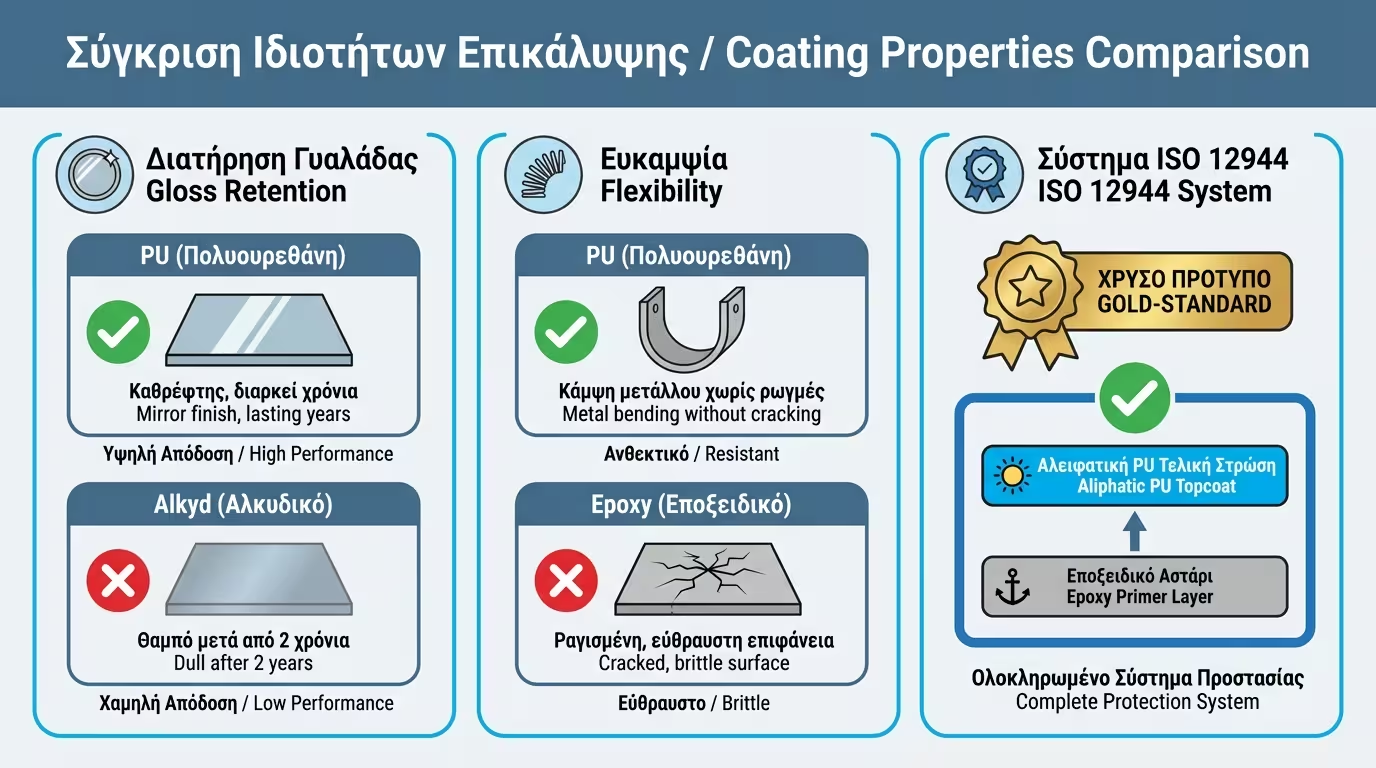
Aliphatic PU delivers a mirror-like finish that stands the test of time far better than ordinary enamels.
Unlike epoxies (hard but brittle), PU follows the metal's expansion and contraction without cracking.
Industry uses an epoxy primer to seal against rust + aliphatic 2K PU topcoat - the gold-standard formula.
The ratio (e.g. 2:1 or 4:1) must be followed religiously. More hardener ≠ faster drying - it ruins the film. Use measuring cups or precision scales.
After mixing, you have 1 to 4 hours (temperature-dependent) before the material gels in the container. Prepare only what you need!
Apply over bare, degreased metal or a 2K primer. If applied over old single-pack alkyd paint, the strong solvents will "lift" and wrinkle the old coating.
Hardeners (Component B) contain isocyanate compounds - extremely hazardous to the respiratory system. Inhalation can cause asthma, chest tightness and severe allergic reactions.
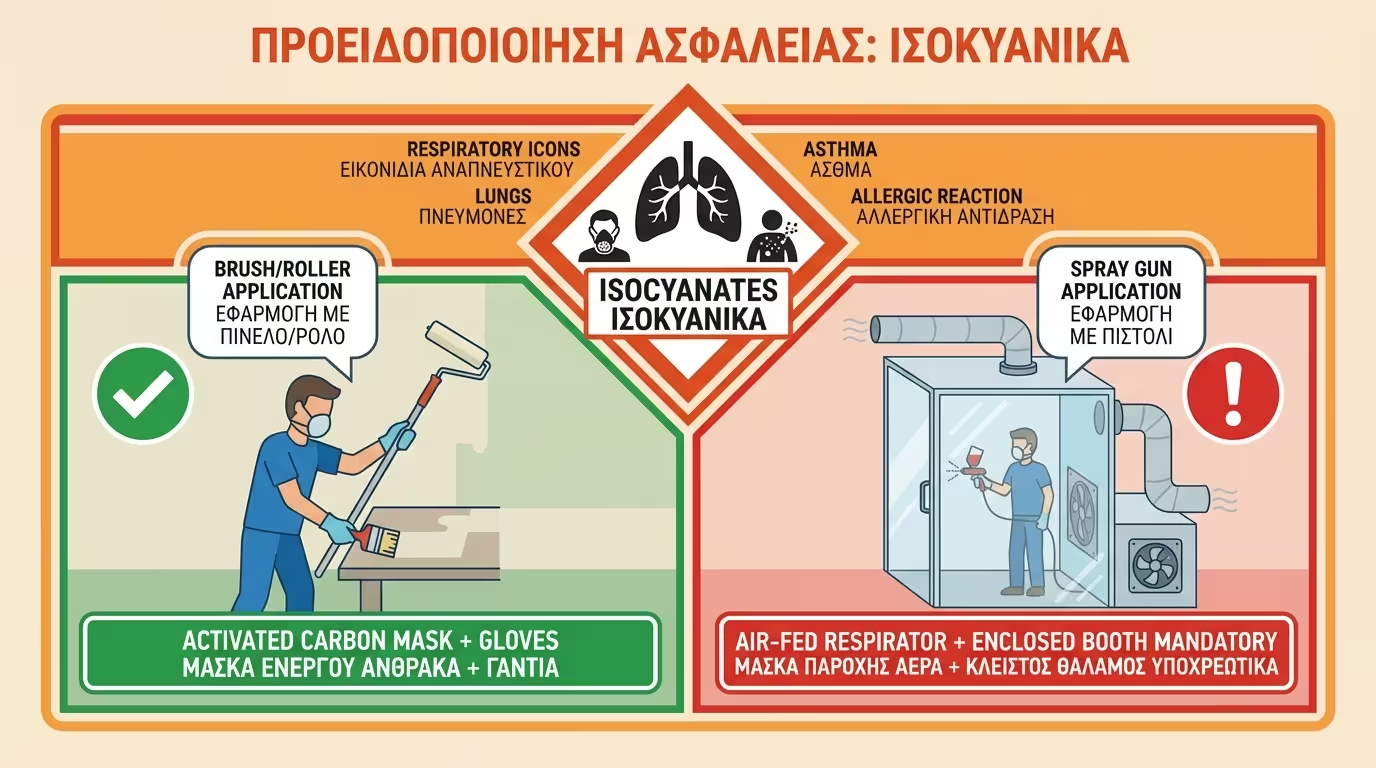
Always wear gloves and an activated carbon mask in a well-ventilated area.
The hazard skyrockets - the material becomes airborne aerosol. Professionals exclusively use air-fed respirators and enclosed spray booths.
⚠️ Critical: Never spray 2K polyurethane paints without proper respiratory protection equipment!
Return to category.
Go to categoryReturn to the central guide.
Go to guide