Substrate condition
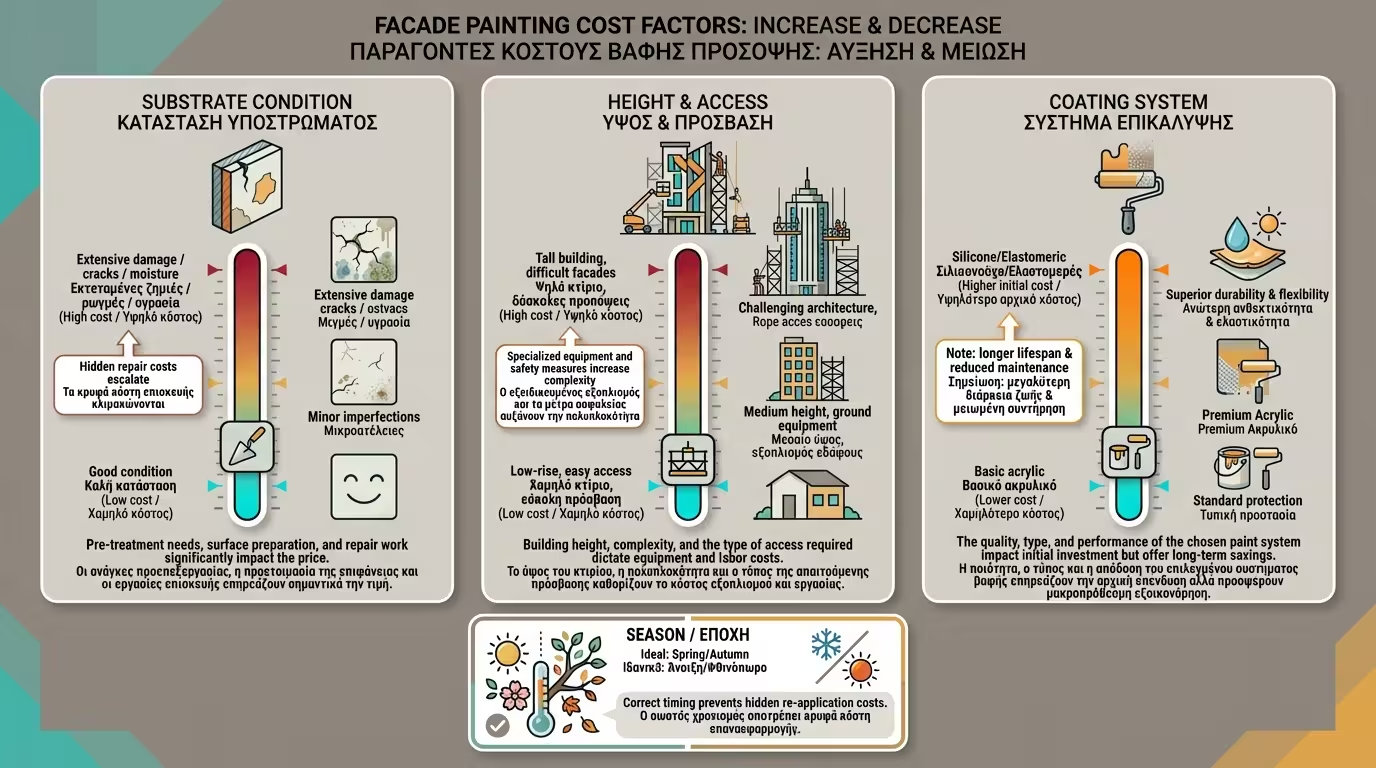
Loose areas, cracks, and moisture require additional preparation work - which significantly increases the cost.
What shapes the price and how to budget realistically
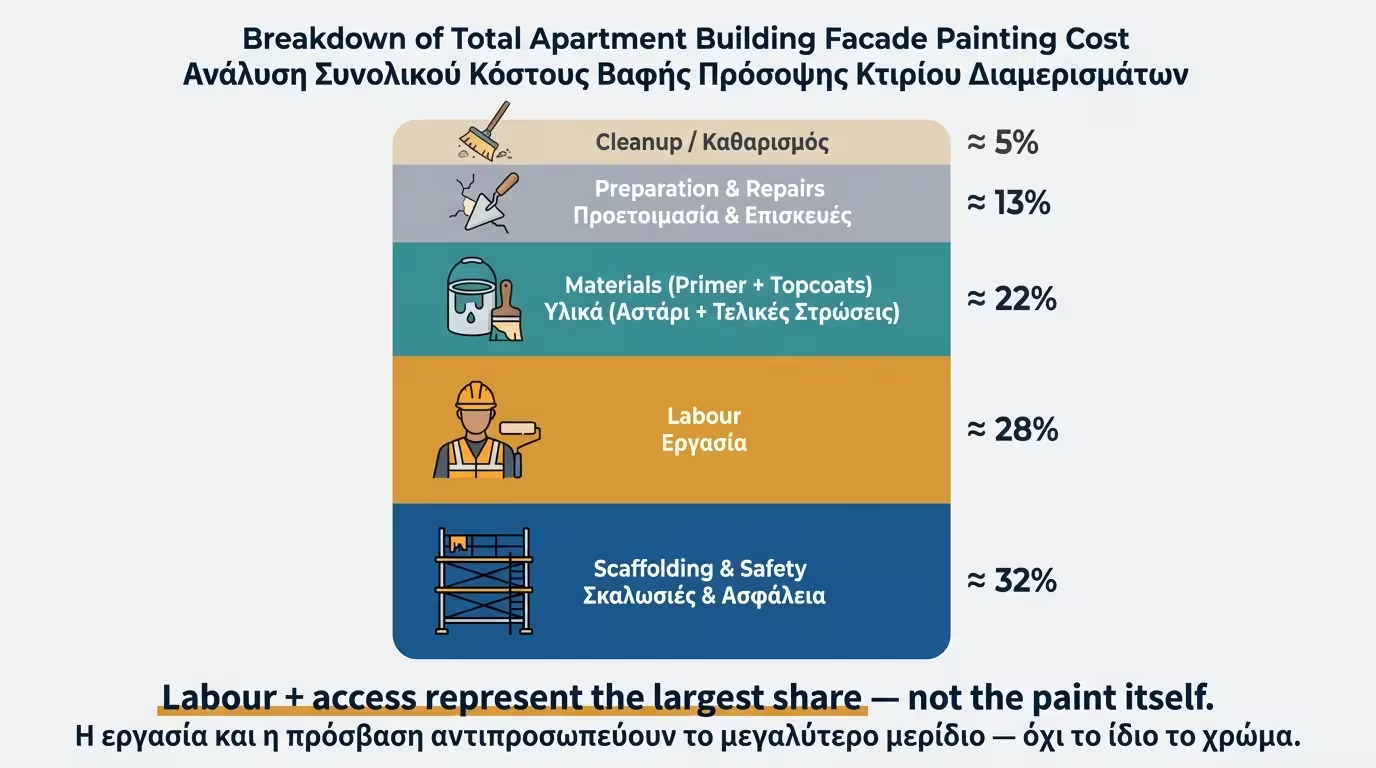
The cost of painting an apartment building isn't just "materials + labour". The total budget is split across scaffolding & safety, labour, materials (primer + coats), preparation & repairs, and cleanup.
In most cases, labour and access account for a larger share than the paint itself.
Every building is different. The final price depends on three key axes that can significantly shift the budget.
Loose areas, cracks, and moisture require additional preparation work - which significantly increases the cost.
Taller buildings or difficult facades mean higher scaffolding costs and longer setup time.
An acrylic system costs less upfront, while an elastomeric or silicone system has a higher initial cost but longer lifespan.
Painting in ideal conditions (spring/autumn) ensures better results without hidden costs from re-application.
Price is typically calculated per square metre of facade. However, that must account for number of coats, material consumption, repairs, and access.
Two buildings of equal size can have very different costs due to substrate condition. A per-m² price without an on-site survey is always an estimate, not a prediction.
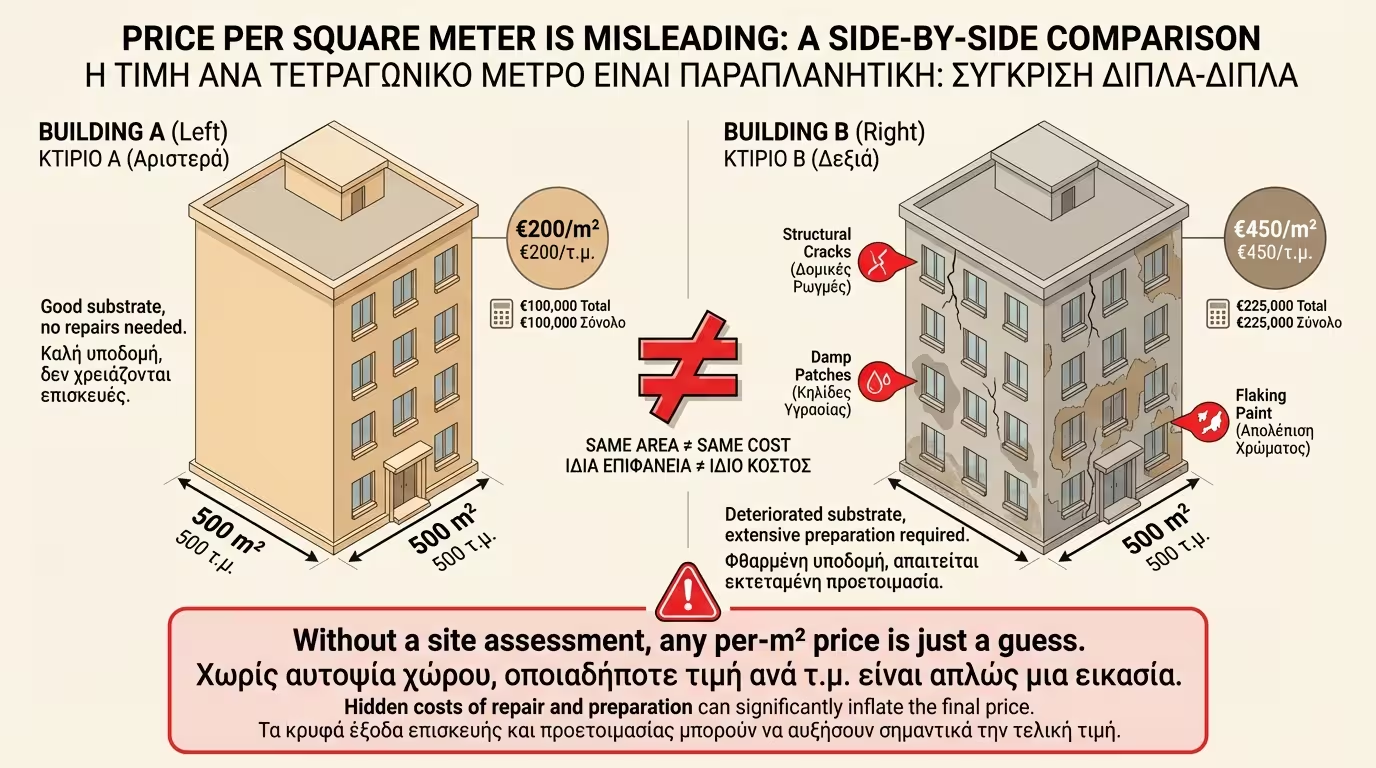
Without a technical survey, any per-square-metre price is an arbitrary estimate.
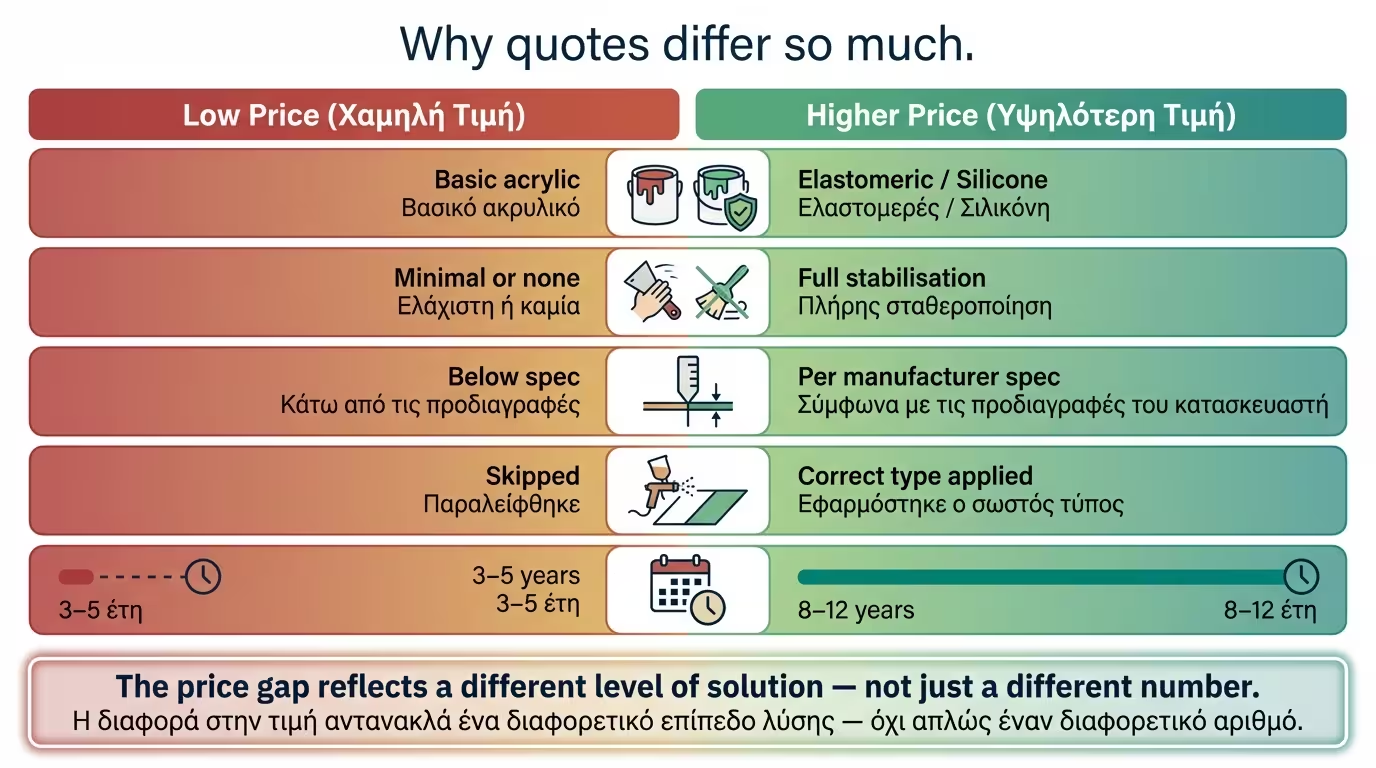
If you receive quotes with large price gaps, the causes aren't random - they reflect a different level of solution.
| Factor | Lower price | Higher price |
|---|---|---|
| Paint system | Basic acrylic | Elastomeric / silicone |
| Preparation | Minimal or none | Full stabilisation |
| Film thickness | Reduced | Per manufacturer spec |
| Primer | Omitted | Appropriate type |
| Expected life | 3–5 years | 8–12 years |
What matters isn't just the upfront cost. If a system lasts 4–5 years, repainting comes soon. If it lasts 10–12 years, the maintenance-free period is much longer.
The comparison should be made over an 8–10 year horizon - the lowest price doesn't mean the lowest total expenditure.
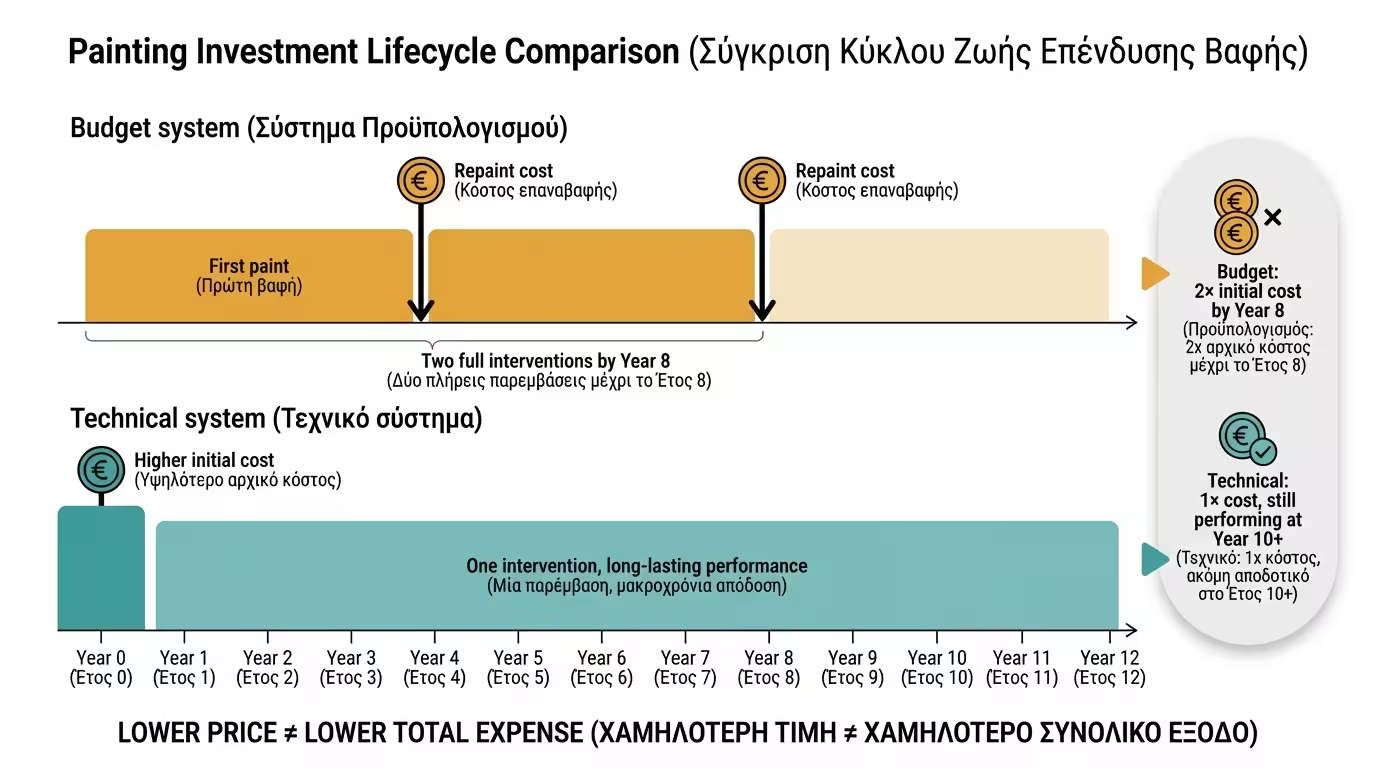
Before deciding, ask for a system breakdown (primer + topcoat), a preparation description, and a lifespan estimate.
This way you compare solutions - not just prices. The right investment reduces repainting frequency and total cost over time.
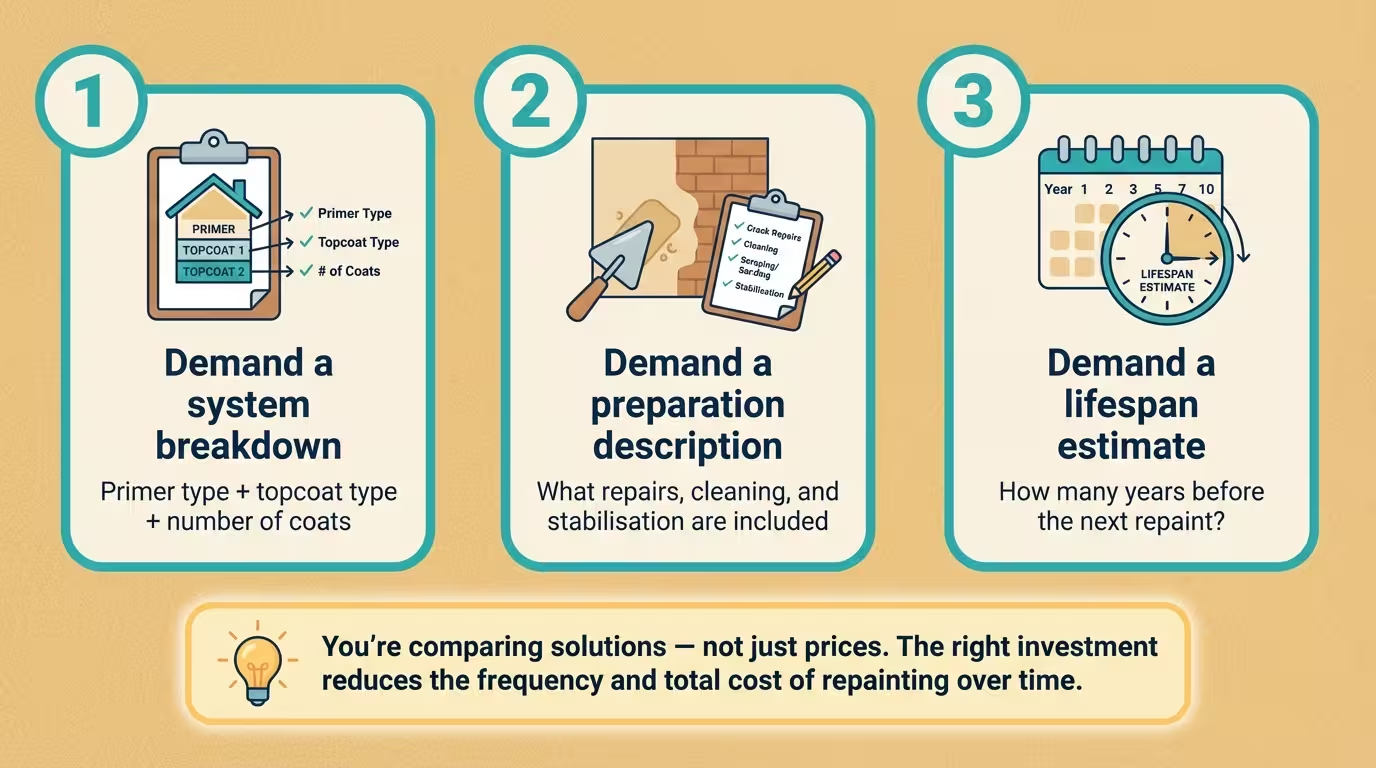
The right choice isn't the lowest price - it's the one that reduces future maintenance costs.
Return to category.
Go to categoryReturn to the central guide.
Go to guide