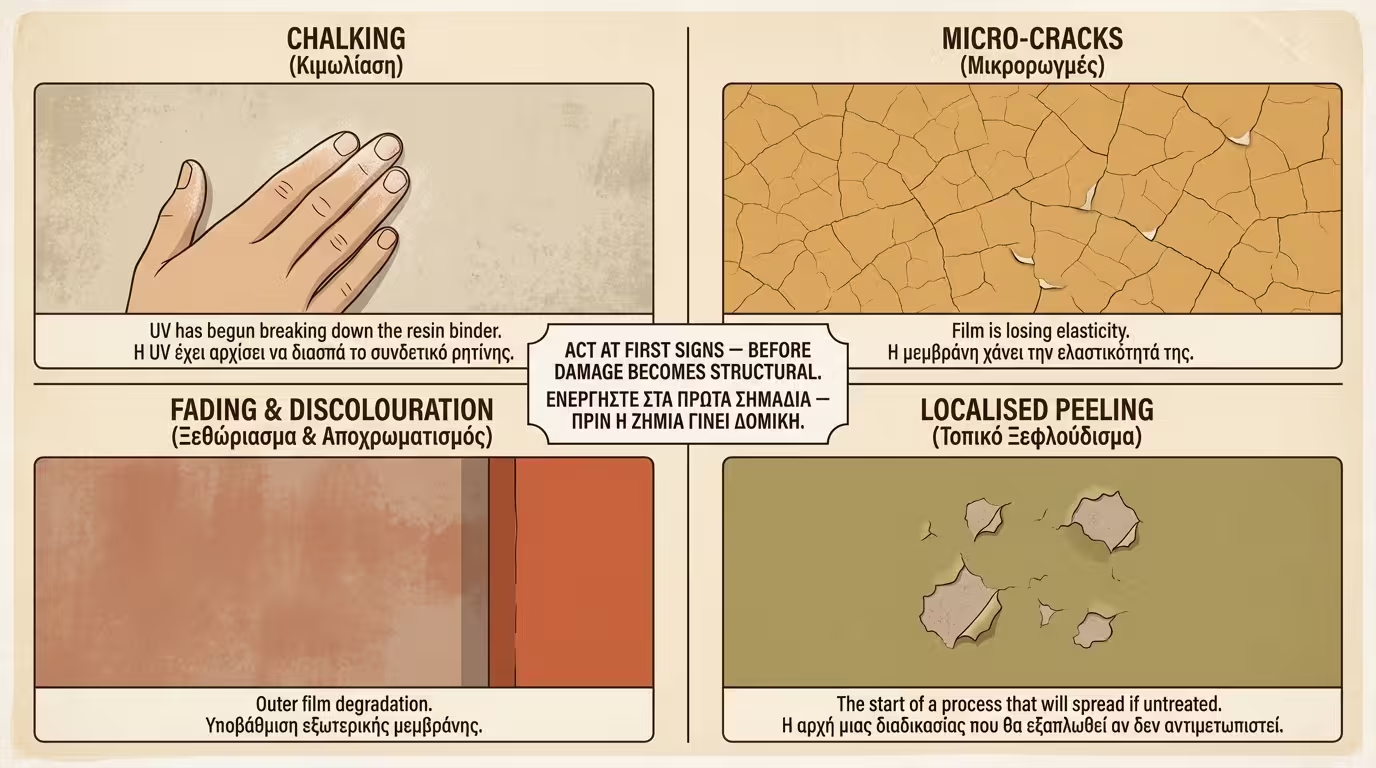
Chalking
The surface leaves white powder on your hand - a sign that the resin has started to break down under UV radiation.
Before wear becomes damage
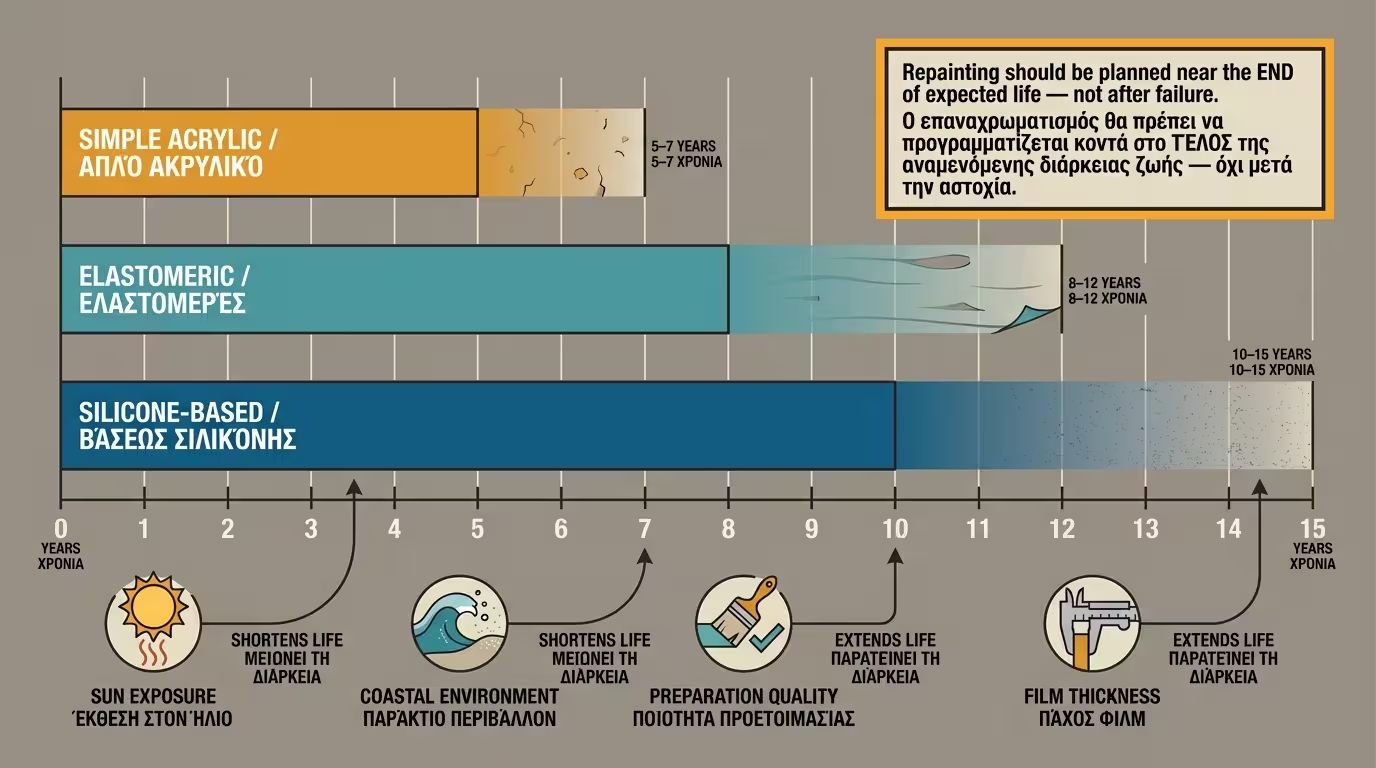
| System | Indicative life |
|---|---|
| Standard acrylic | 5–7 years |
| Elastomeric | 8–12 years |
| Silicone | 10–15 years |
Lifespan is affected by sun exposure, coastal environment, preparation quality, and application thickness. Repainting should be scheduled near the end of the expected life - not after failure.
The right time for repainting isn't when the facade is "ruined" - it's when the first signs of wear appear, before the damage becomes structural.
The surface leaves white powder on your hand - a sign that the resin has started to break down under UV radiation.
Fine cracks appear across large areas - the film is gradually losing its elasticity.
The colour loses its vibrancy and gloss - an indication of external film degradation.
Small delaminations at specific points - the beginning of a process that will spread if not addressed.
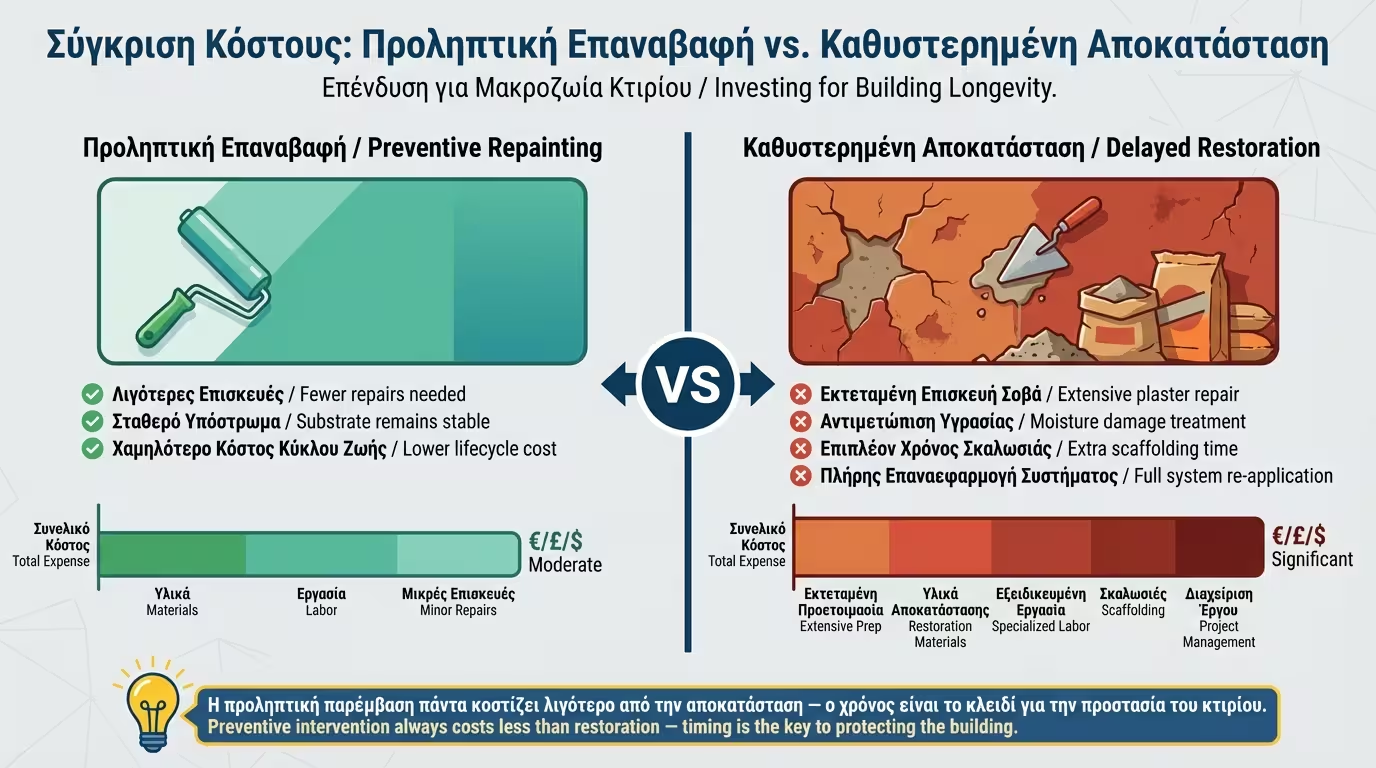
If repainting is delayed, moisture penetrates deeper, cracks widen, extensive plaster repair is needed - and the cost increases significantly.
The difference between preventive and delayed intervention can multiply the cost, because substrate repair costs more than the paint itself.
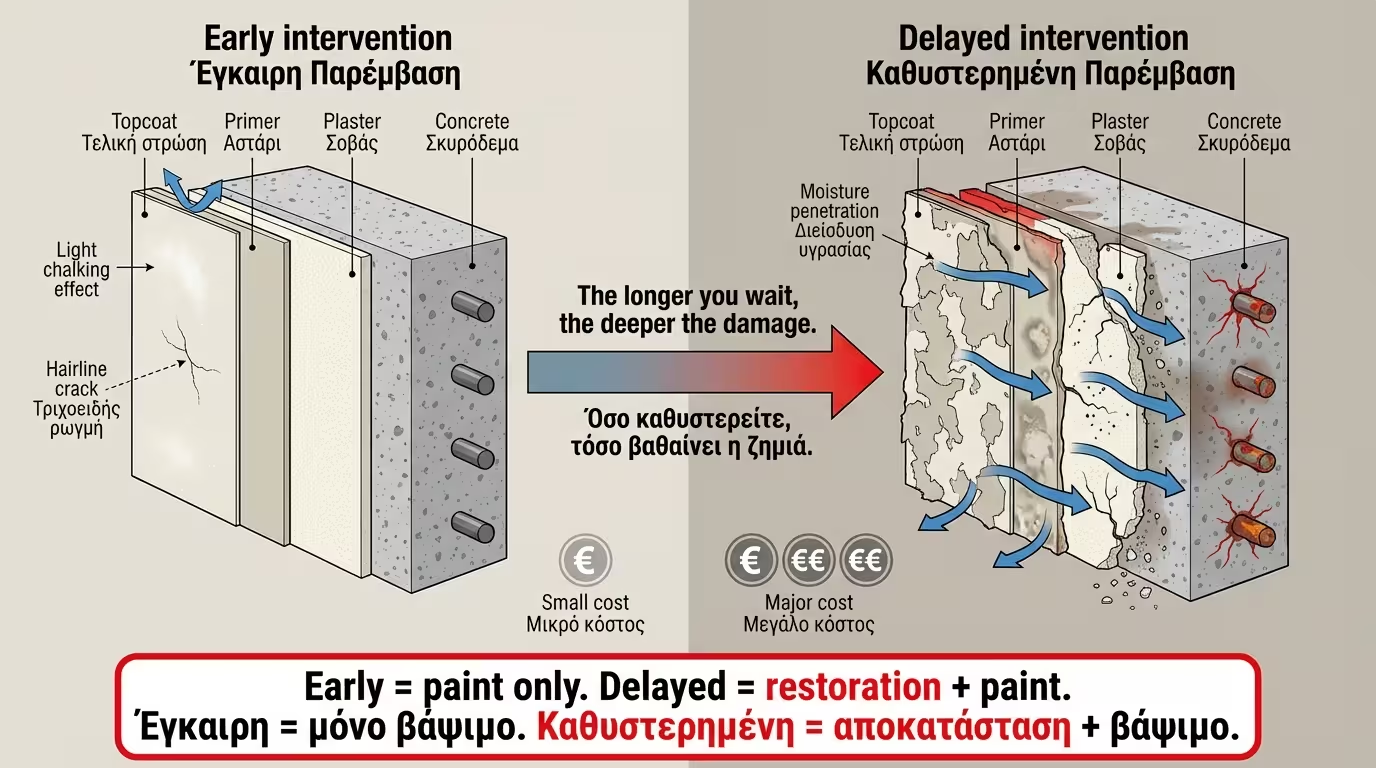
Early intervention means painting - delayed intervention means restoration plus painting.
Preventive repainting requires fewer repairs, keeps the substrate stable, and lowers the total lifecycle cost. Delayed intervention always includes additional restoration work.
Preventive intervention always costs less than restoration - the right timing reduces cost and protects the building.
The decision to repaint shouldn't be based on aesthetics alone. A proper approach involves four steps.
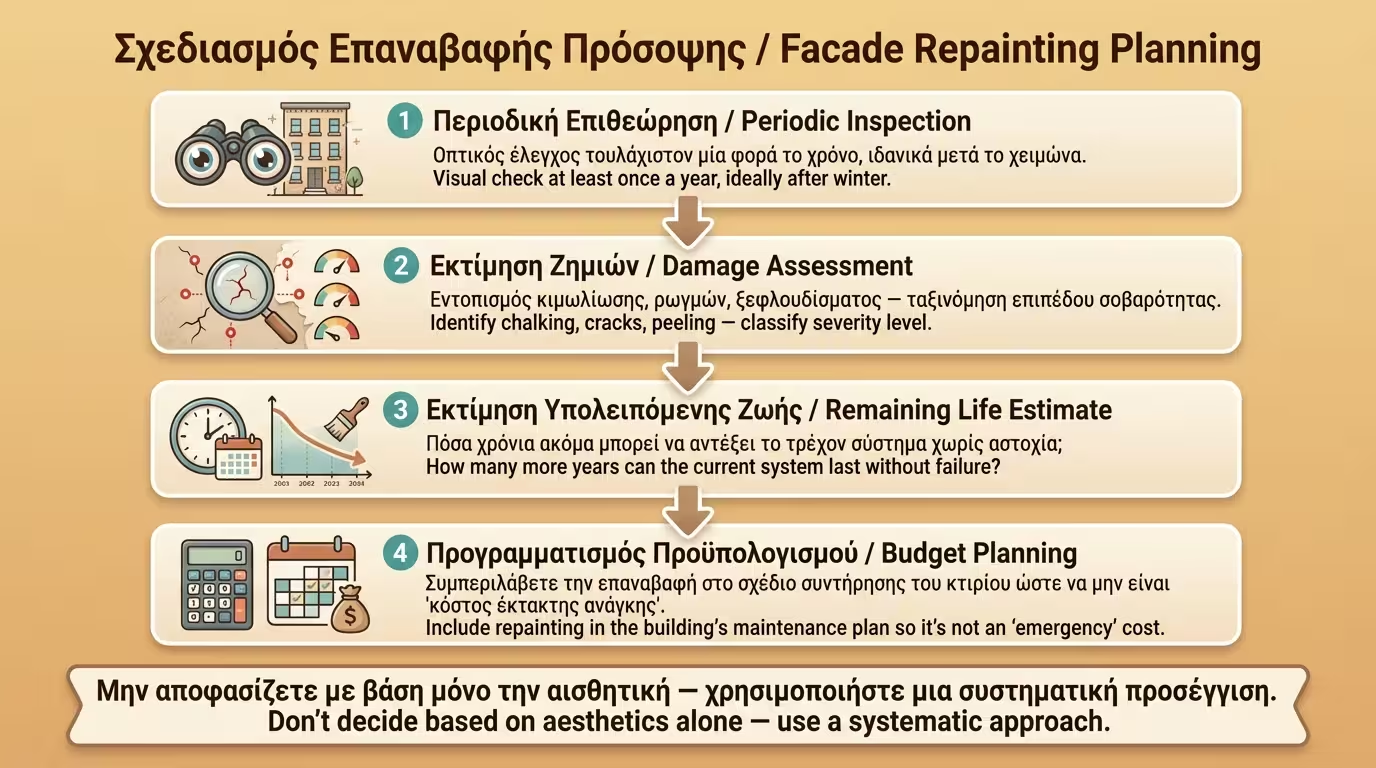
Visual facade check at least once a year - ideally after winter.
Identify chalking, cracks, peeling - categorise the degree of wear.
How many more years can the existing system last without reaching failure?
Include repainting in the building's maintenance plan so it's not an "emergency" expense.
Return to category.
Go to categoryReturn to the central guide.
Go to guide