🧴 Solvent Cleaning (SSPC-SP 1)
Using volatile solvents like Naphtha or Acetone. This method requires frequent cloth changes; a dirty cloth simply redistributes contamination across the surface.
A paint's durability depends not on the colour, but on the metal-primer interface. Proper preparation ensures Mechanical Keying and chemical cleanliness.
The presence of even invisible lipids (oils) prevents the metal from being wetted by the primer, leading to adhesion failure. Degreasing must always be performed BEFORE sanding to avoid "trapping" oils inside the scratches created by the abrasive.
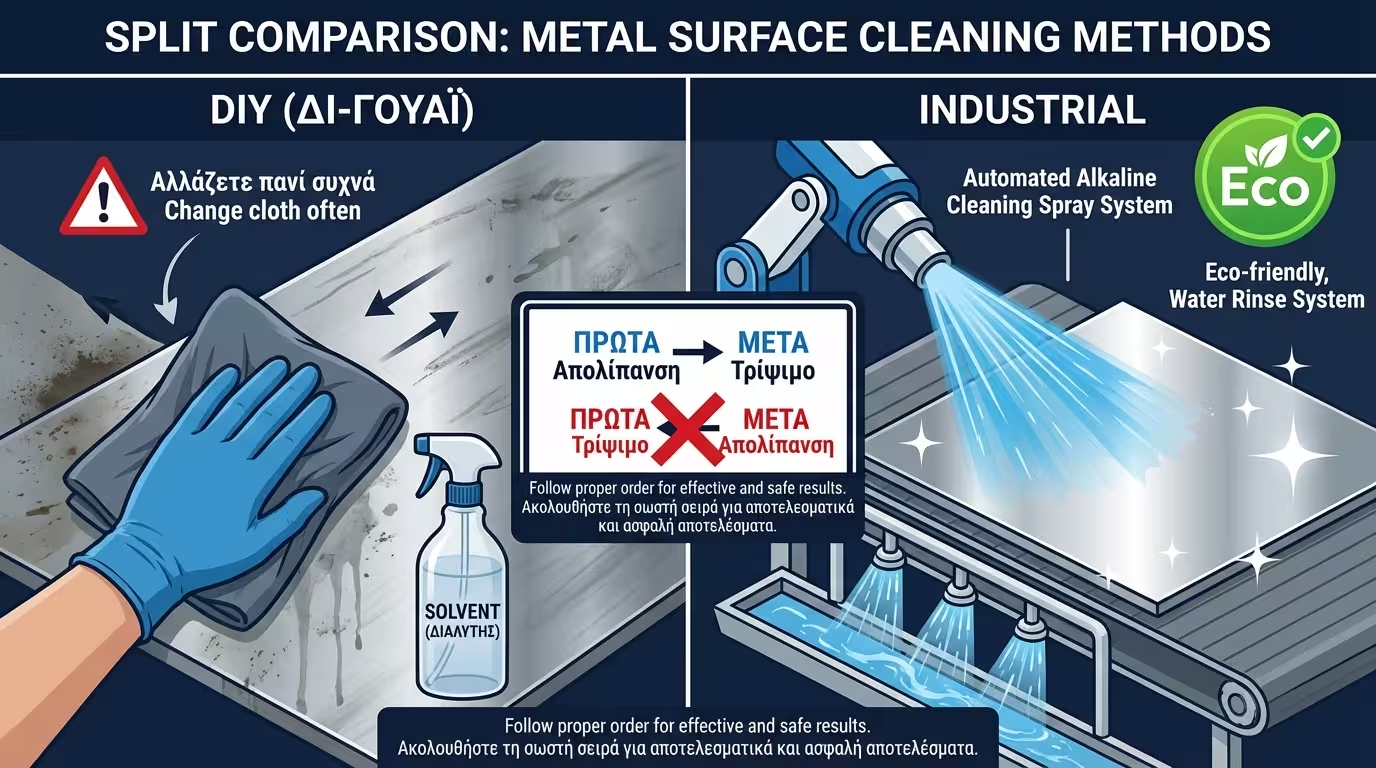
Using volatile solvents like Naphtha or Acetone. This method requires frequent cloth changes; a dirty cloth simply redistributes contamination across the surface.
In industrial settings, a combination of surfactants and alkaline solutions emulsifies greases. This is the only safe method for removing water-soluble contaminants (salts, exhaust residue).
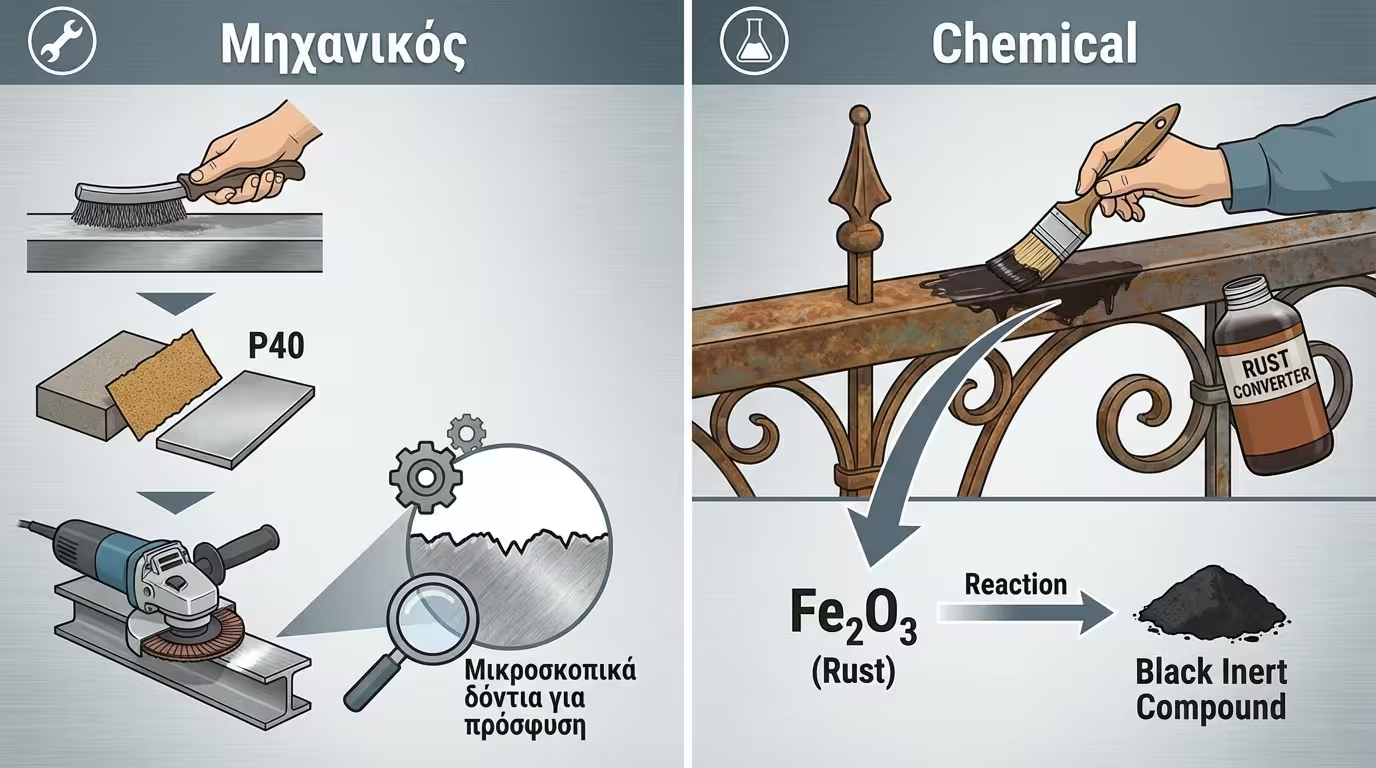
Metal requires a "rough" surface for paint to anchor. Surface Profile (Ra/Rz) is measured in microns (μm) and must be proportional to the primer thickness. Too little roughness leads to peeling; excessive roughness leaves metal "peaks" exposed, causing early rust (Pitting).
In technical specifications, cleanliness is defined by the ISO 8501-1 standard. Each grade corresponds to a different coating system service life:
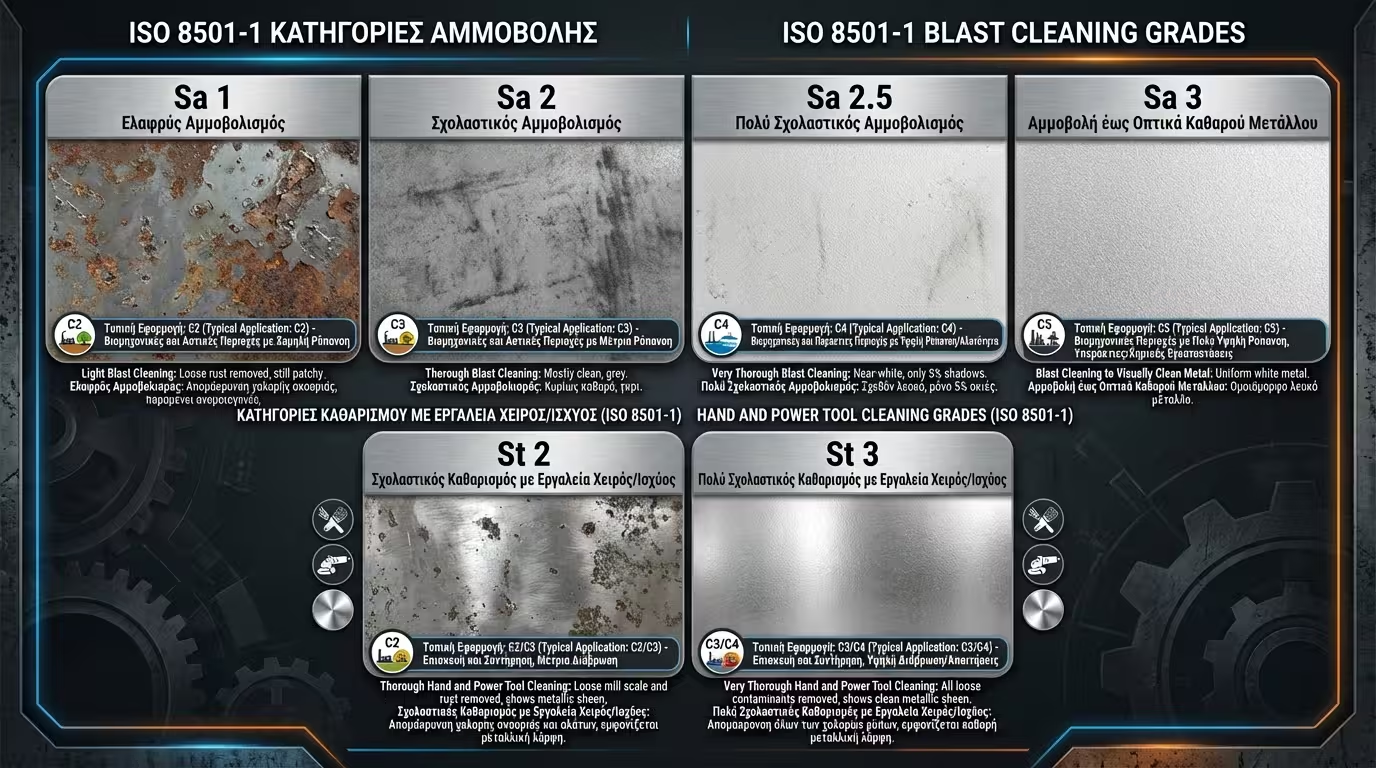
The industrial standard. Removal of all contaminants, with only light shadows permitted (5% of surface). Mandatory for high-performance epoxy systems.
Sanding until the metal achieves a metallic sheen. This is the highest cleanliness achievable without blasting and the minimum for professional anti-corrosion protection.
Once cleaning is complete, the metal is at its most vulnerable. Flash Rust (instant oxidation) can appear within minutes if relative humidity is high.
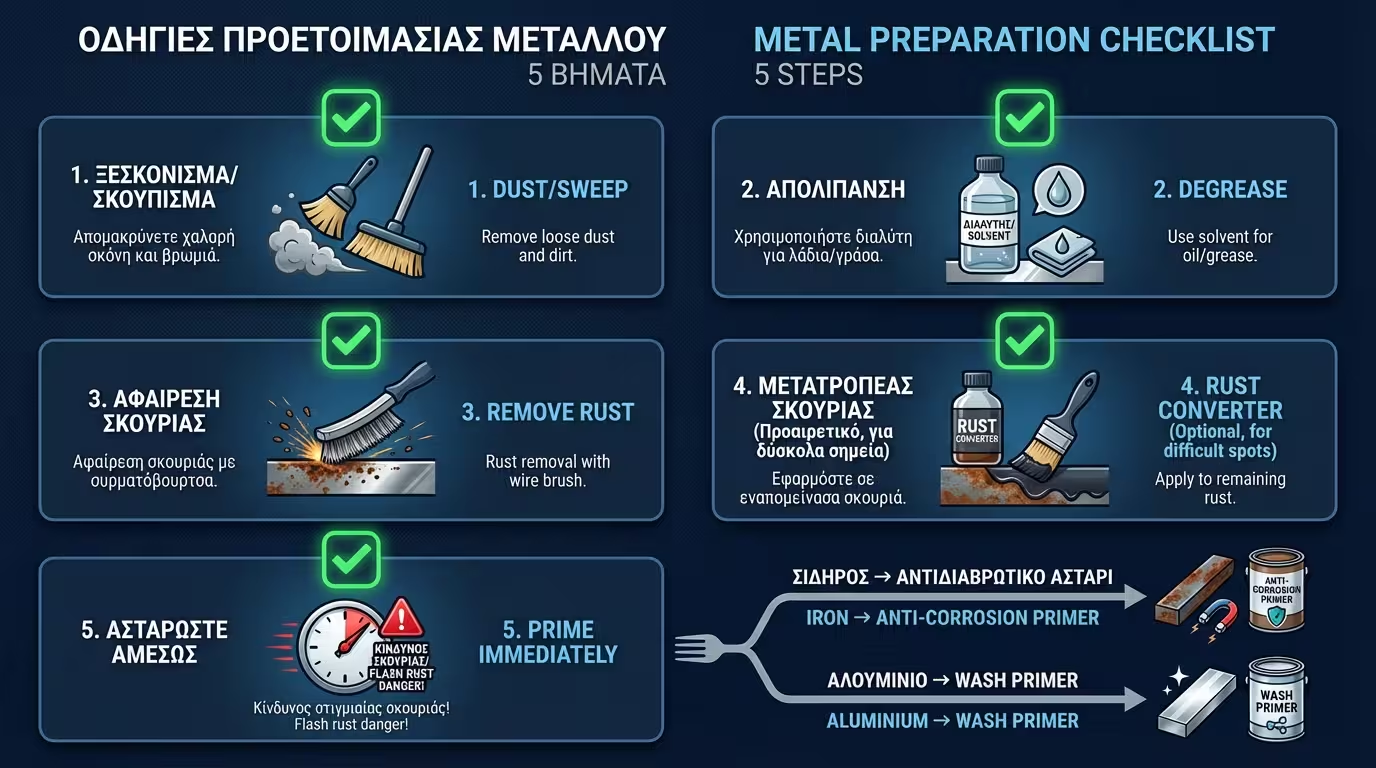
Priming must occur within 4-8 hours of cleaning. If the surface is left overnight or exposed to rain, it is considered contaminated and requires re-sanding and degreasing.
When priming is delayed, chemical passivators are used to "freeze" oxidation temporarily without compromising adhesion.
💡 Contractor's Verdict: No paint can fix bad preparation. If the surface lacks the correct Anchor Profile, delamination is inevitable, regardless of the quality of the coatings used.
Return to category.
Go to categoryReturn to the central guide.
Go to guide