1️⃣ Anti-Corrosion Primer
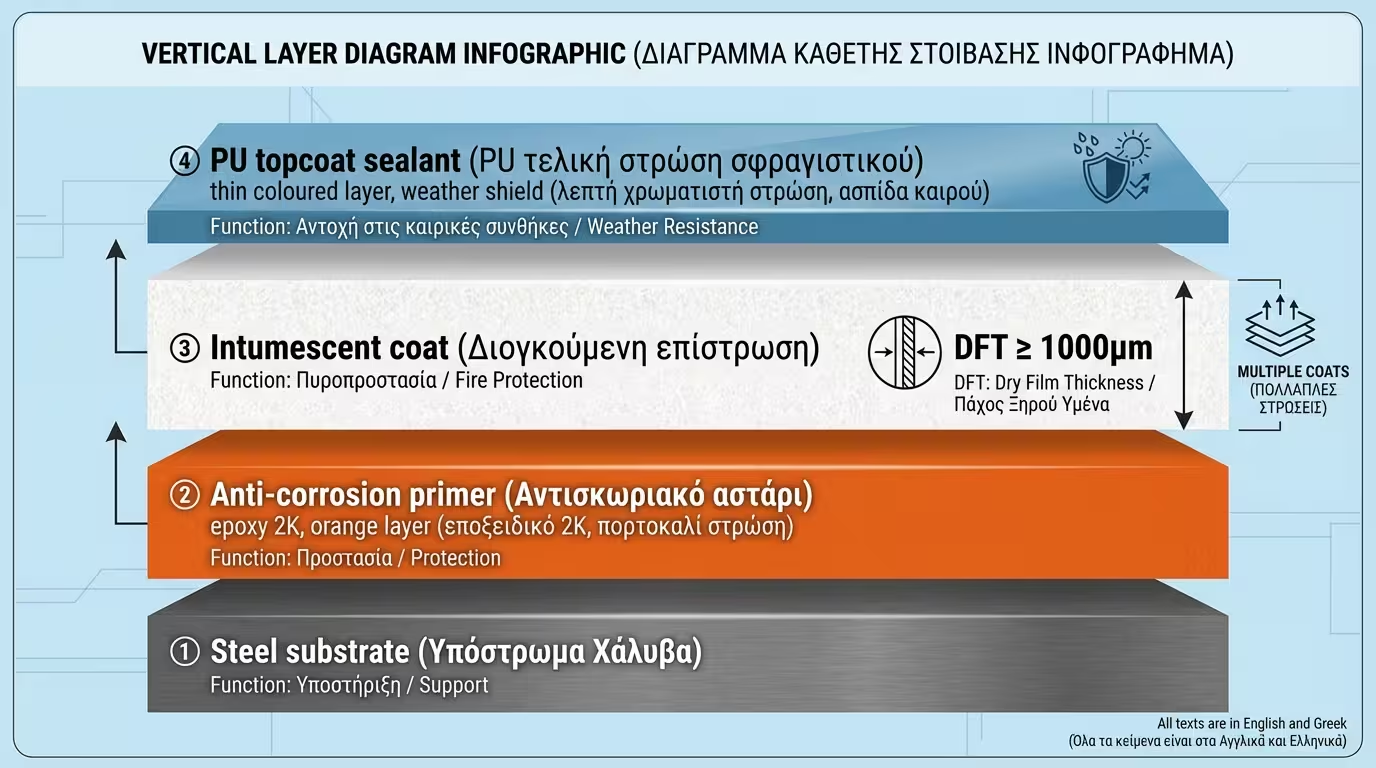
Clean metal (rust-free, oil-free) + compatible anti-corrosion primer (e.g. 2K epoxy or alkyd). Ensures adhesion and corrosion protection.
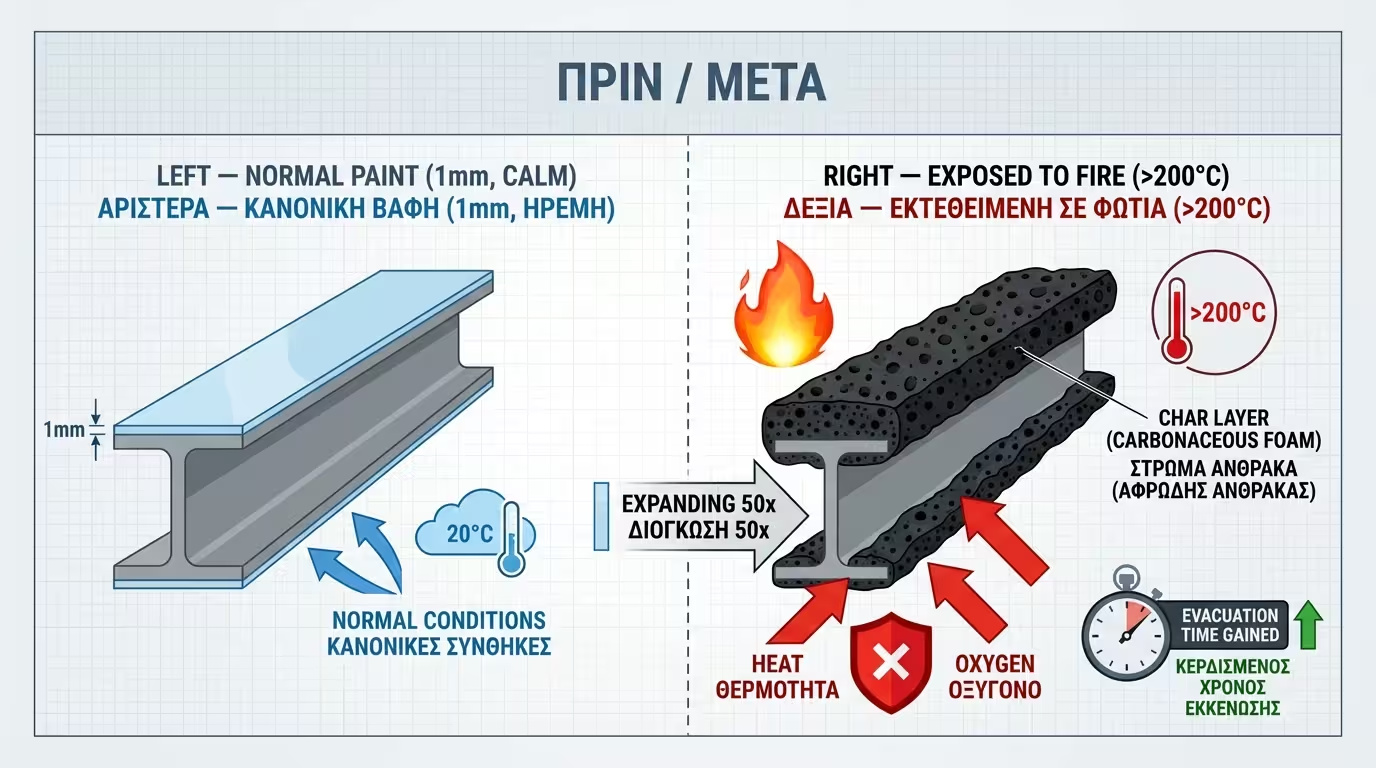
Steel doesn't burn, but it buckles - at 500°C it loses structural integrity. Intumescent coatings protect buildings and save lives.
Under normal conditions, they look like any thick paint. At extreme temperatures (>200°C), the ingredients react chemically: the paint expands (swells) up to 50 times its original thickness, forming a thick, black, carbonaceous foam layer (char layer).
This foam acts as a top-tier thermal insulator, blocking heat and oxygen, providing the critical evacuation time.
The biggest DIY mistake: applying intumescent paint directly onto bare metal. Correct application requires a strict 3-step system.
Clean metal (rust-free, oil-free) + compatible anti-corrosion primer (e.g. 2K epoxy or alkyd). Ensures adhesion and corrosion protection.
Water-based (odourless, ideal for interiors) or solvent-based. Applied by airless spray gun or brush/roller to the specified DFT - often requiring 2-3 coats to achieve the fire rating (e.g. 30, 60, 90 minutes).
Intumescent coatings are moisture-sensitive - if wetted, they blister. A polyurethane topcoat is mandatory to seal the system from weather.
Environmental conditions during application are non-negotiable:
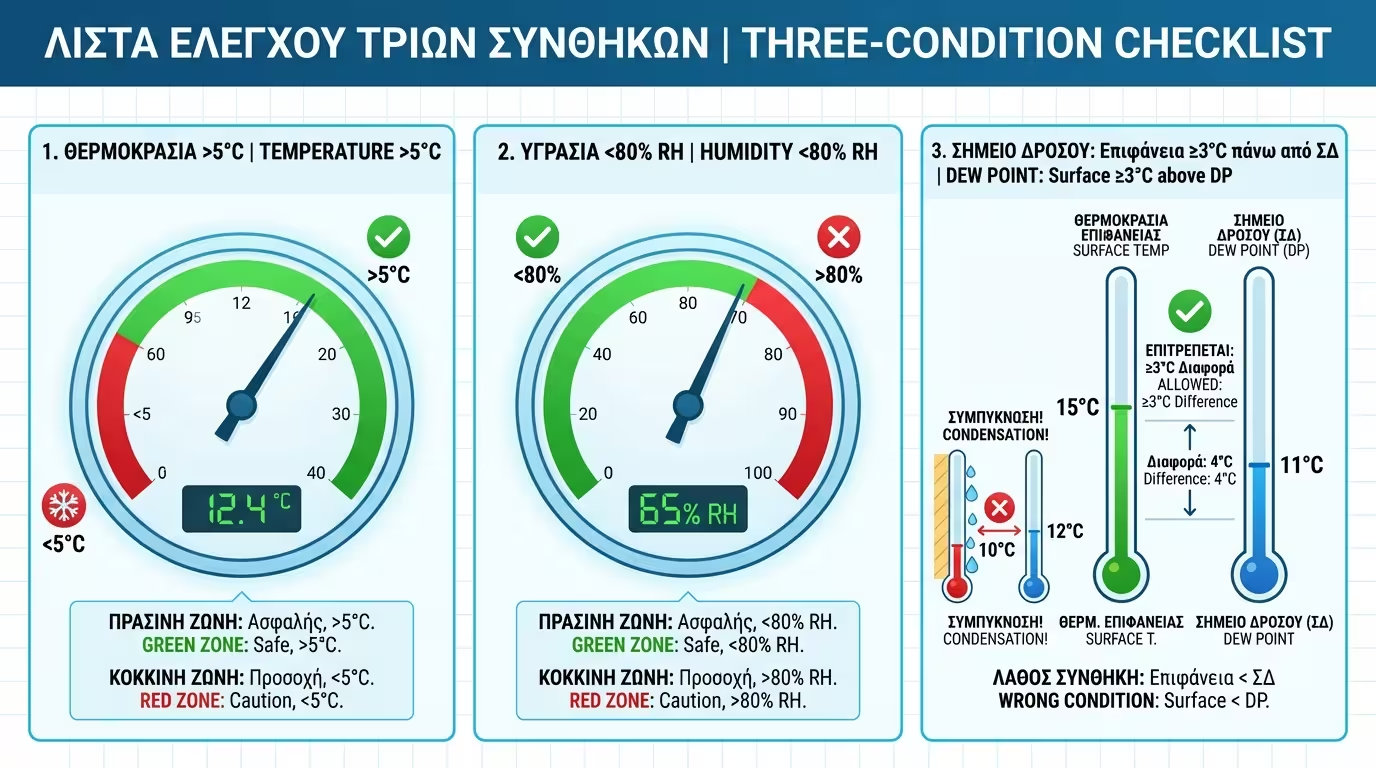
Air and steel must be strictly above 5°C.
Relative humidity below 80%.
Surface temperature must be at least 3°C above dew point - otherwise invisible moisture condensation on the metal.
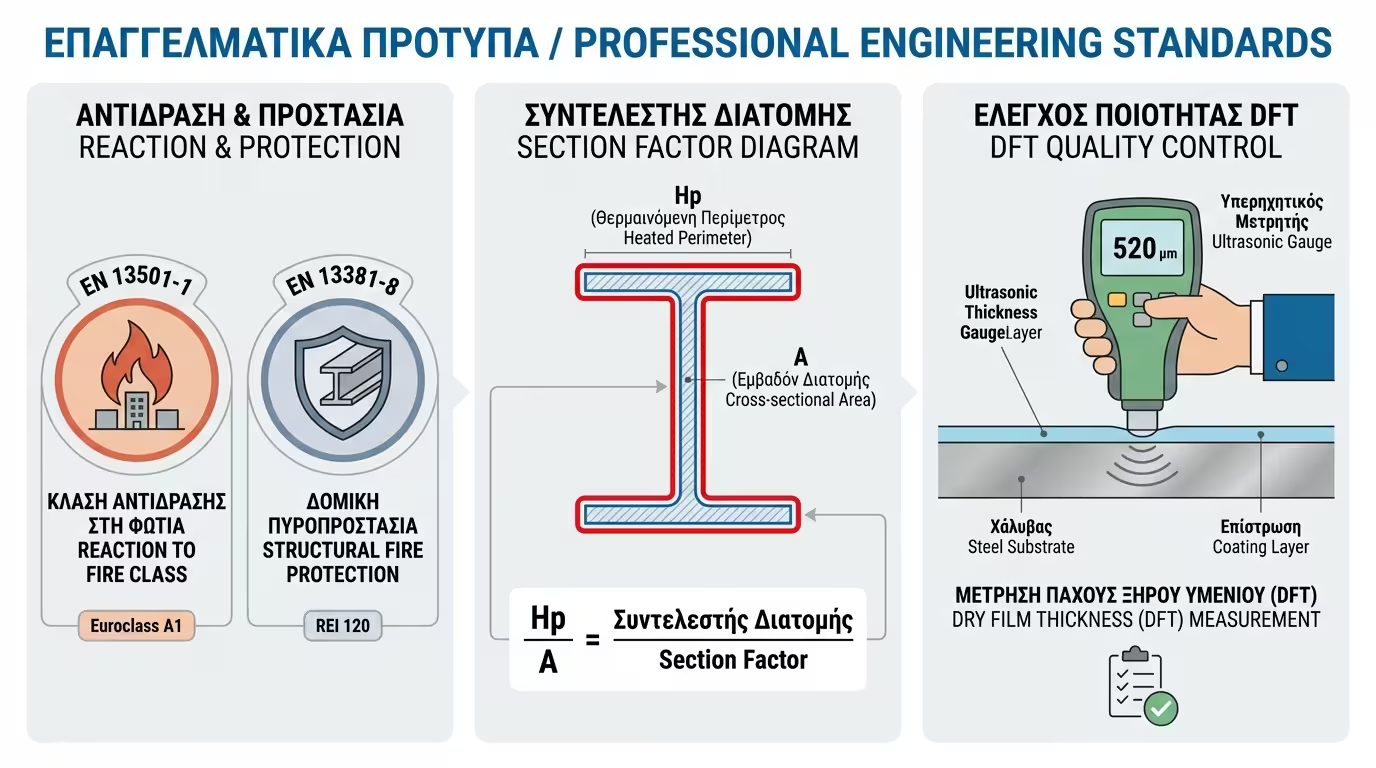
In professional projects, the coating system is governed by strict regulations (e.g. Greek Fire Protection Code P.D. 41/2018).
Fire reaction classification: EN 13501-1. Structural fire protection of steel: certification per EN 13381-8.
The engineer specifies the required time (30, 60, 90, 120 min). Based on this and the section factor (Hp/A), the manufacturer provides exact DFT thickness in μm.
Handover only after dry film thickness measurement with a calibrated ultrasonic gauge to verify correct material application.
🔥 Conclusion: A properly designed and applied intumescent coating is not an aesthetic treatment - it is a critical investment that shields buildings and saves lives.
Return to category.
Go to categoryReturn to the central guide.
Go to guide