
Unrepaired cracks
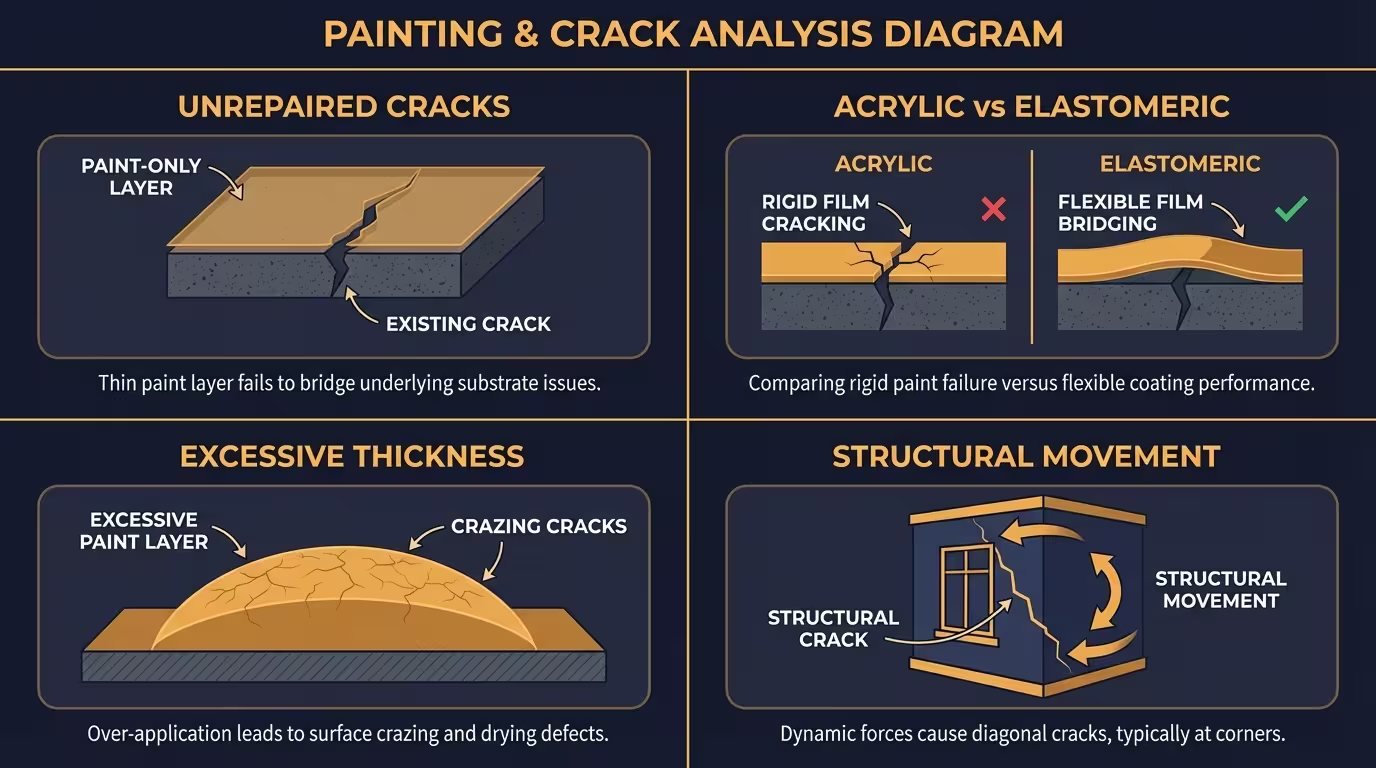
Paint is not a repair material. If the crack isn't sealed before painting, it will reappear within weeks - now more visible against the fresh colour.
Paint doesn't create the cracks - it reveals them
Cracks appearing after a fresh coat of paint are among the most frustrating issues for building managers and owners. The reaction is always the same: "They used bad paint."
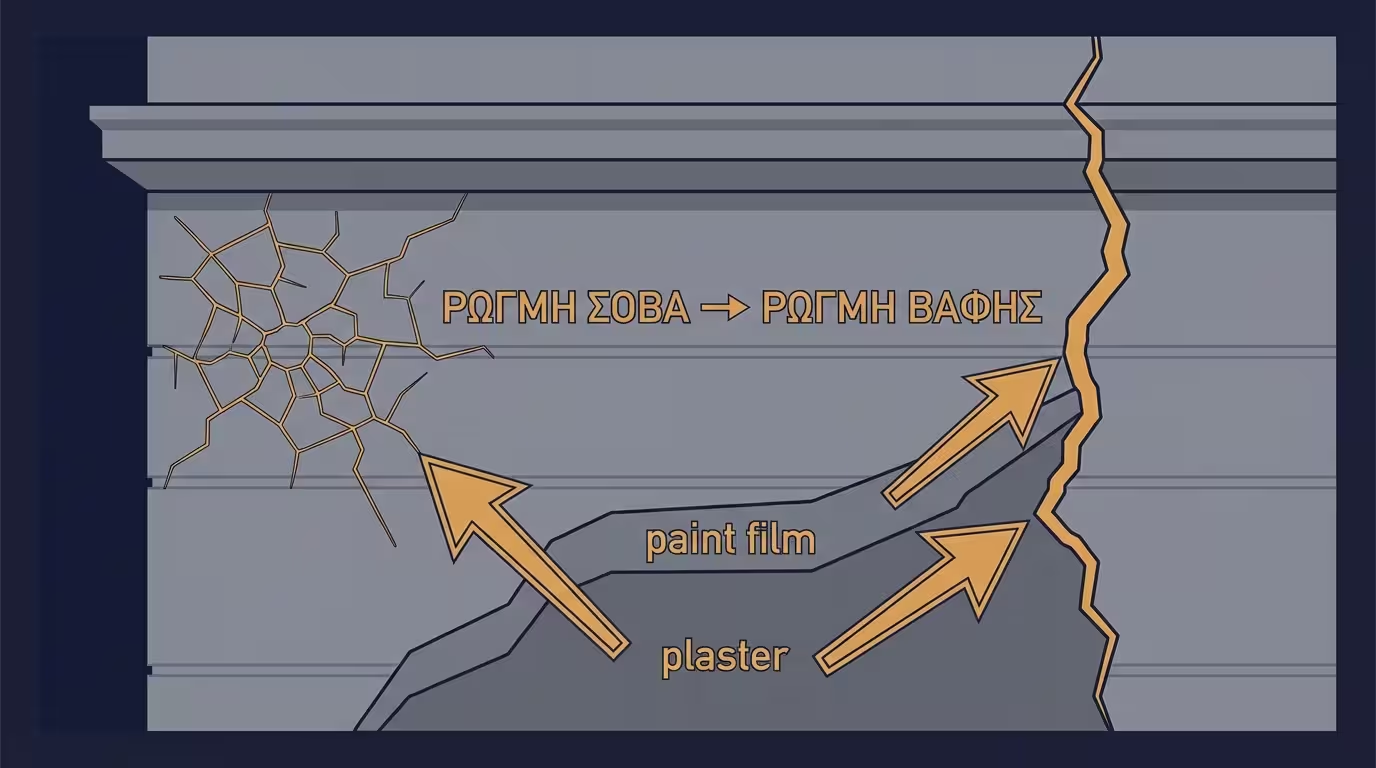
The reality is that paint rarely creates cracks. It usually reveals them, or simply cannot accommodate them. The crack already existed in the plaster, the substrate, the structure - and the paint transferred it to the surface.
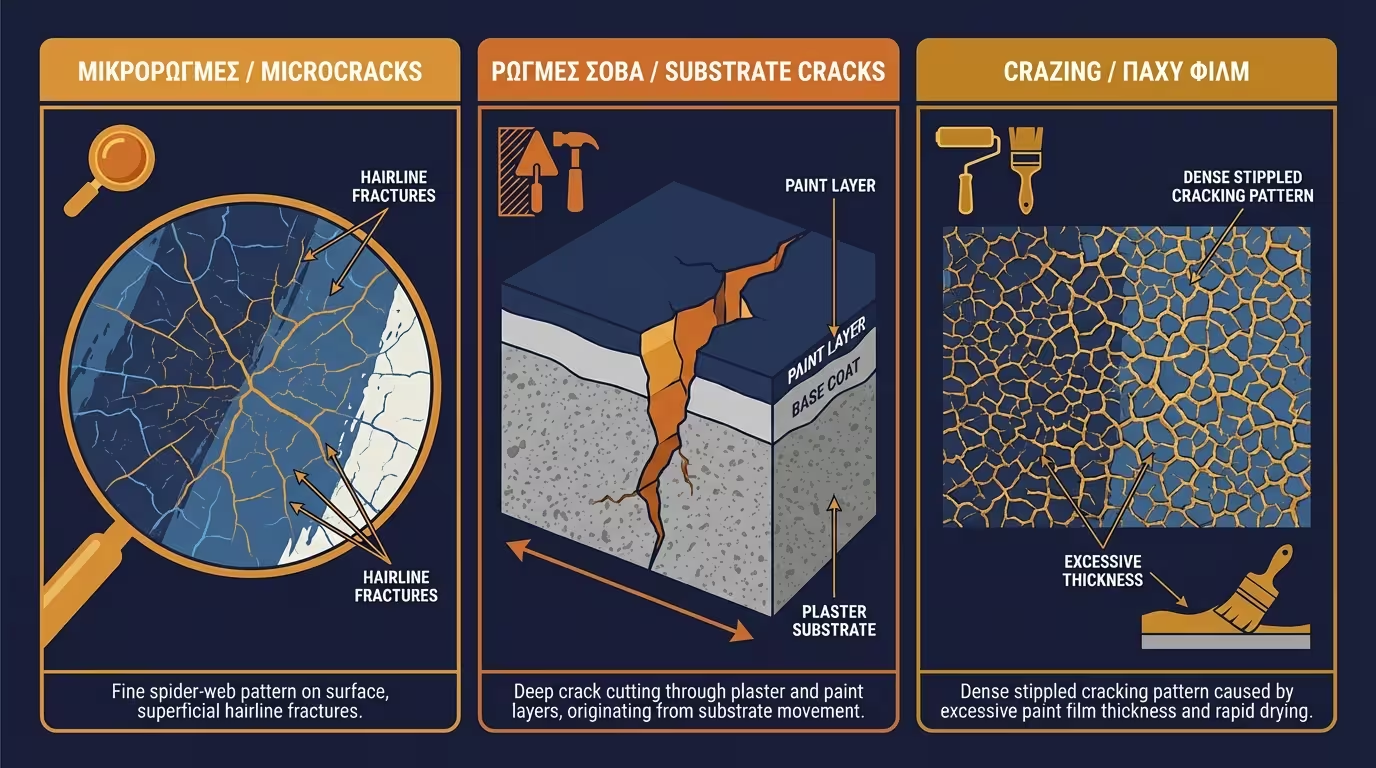
Not all cracks are the same. Correct identification determines whether the solution is an elastomeric system, plaster repair, or a change in application technique.
| Type | Appearance | Cause |
|---|---|---|
| Microcracks | Fine, spider-web pattern | Thermal cycles, old plaster, rigid film |
| Substrate cracks | Deep, penetrating the plaster | Structural movement, deteriorated render |
| Crazing (excessive thickness) | Dense network of fine cracks | Too-thick coat, internal stresses |
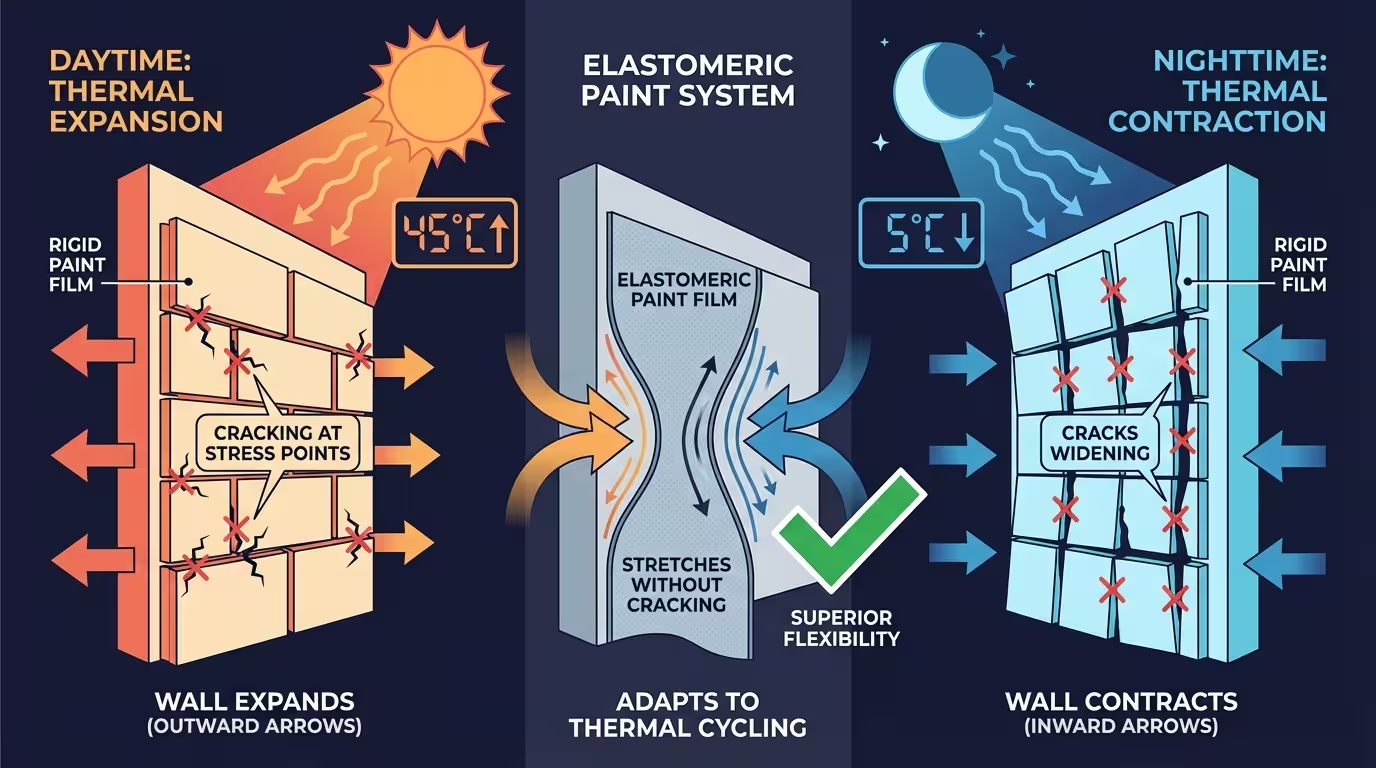
Exterior facades are subject to day–night temperature swings, intense UV radiation, and the expansion and contraction of structural elements. The surface temperature on a south-facing wall can swing from 5 °C at night to 45 °C under direct sun.
If the paint film is rigid and thin, it cannot follow these movements. It breaks at stress points - exactly where the plaster already has weaknesses. An elastomeric system, by contrast, can bridge microcracks without breaking.
In our experience, post-painting cracks trace back to four fundamental mistakes - almost always occurring in combination.
Paint is not a repair material. If the crack isn't sealed before painting, it will reappear within weeks - now more visible against the fresh colour.
On older buildings with microcracks, a standard acrylic has no crack-bridging capability. It breaks at the same points. An elastomeric system can bridge cracks up to 2 mm.
Too much material in one coat creates internal stresses. The outer surface dries first, the interior remains soft - result: crazing.
Diagonal cracks at window corners, angled lines in masonry - these can't be solved with paint. They require structural assessment and engineering intervention.
Proper remediation starts with diagnosis. Repainting without repair is like respraying a car with a cracked chassis.
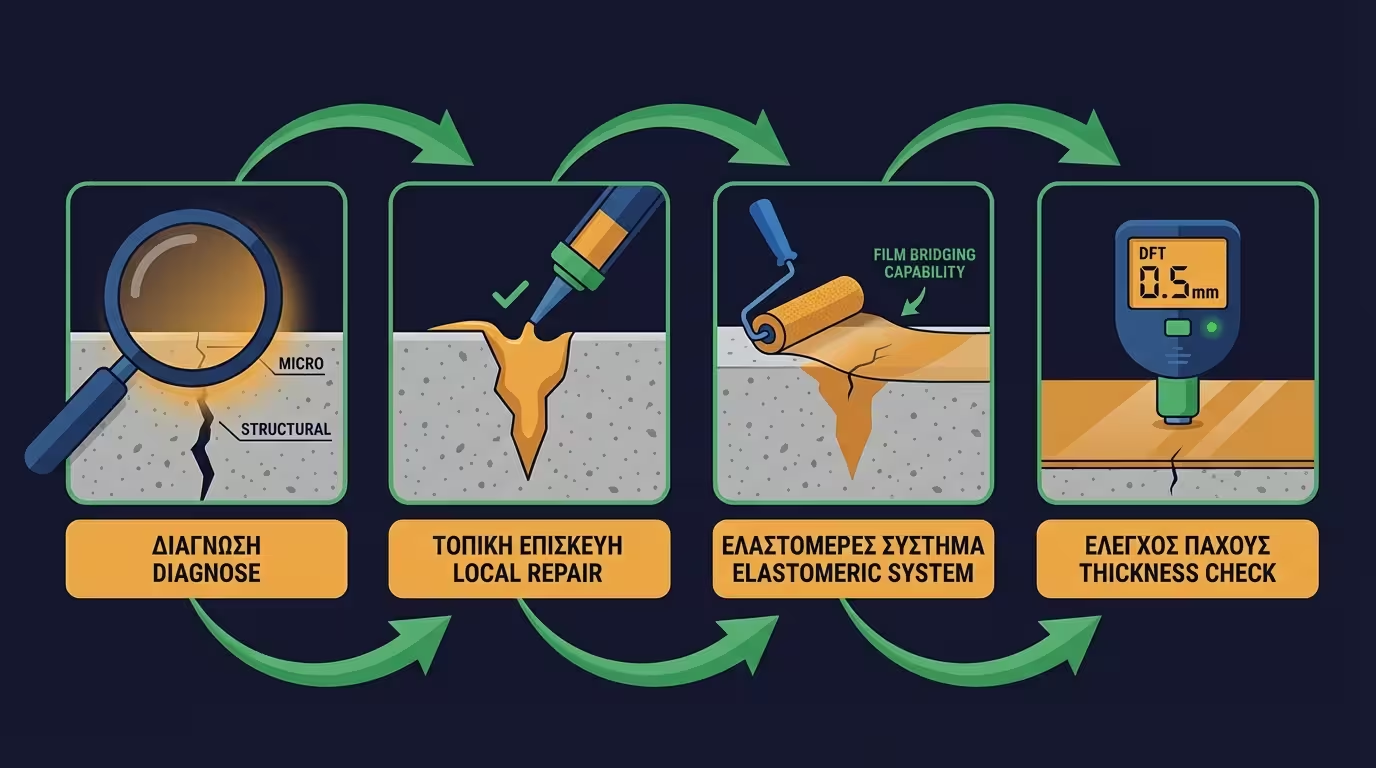
Microcrack or structural? Surface or deep? Stable or widening? The answer determines the technical solution.
Seal cracks with appropriate material - elastomeric filler, reinforcing fibres, mesh for larger openings. Not basic cement render.
Apply a paint with crack-bridging capability - elastomeric or siloxane/elastic system. Critical for older buildings.
Follow the specified DFT. Not too thin (won't bridge), not too thick (crazing). Measure with a wet film gauge during application.
Repainting without repair is a temporary fix - it won't last more than one season.
Not every crack requires a structural assessment. But certain signs indicate the problem goes beyond paint - and needs an engineer.
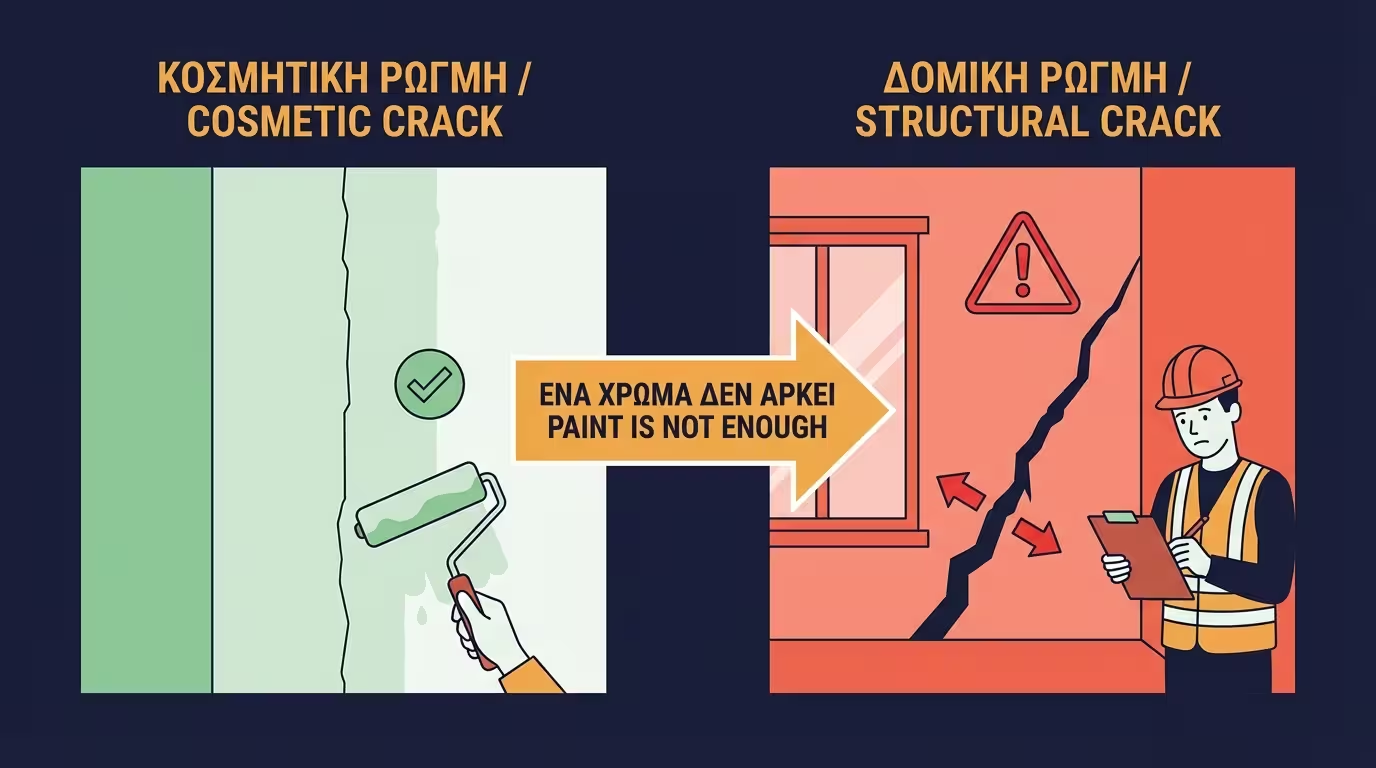
Thin, stable, localised. Solved with local repair and an elastomeric system. No structural assessment needed.
Diagonal, at window corners, widening over time, related to structural elements. Requires assessment by a structural engineer before anything is painted.
Return to category.
Go to categoryReturn to the central guide.
Go to guide