Brush, Roller or Spray Gun: Which Tool Gives the Perfect Finish on Metal?

Each painting tool has its strengths and weaknesses. The right choice depends on surface size, shape complexity, and the quality of finish you're after.

1. The Traditional Brush: Precision & Detail

The mechanical friction of the brush helps paint penetrate the pores - ideal for the first coat (primer).
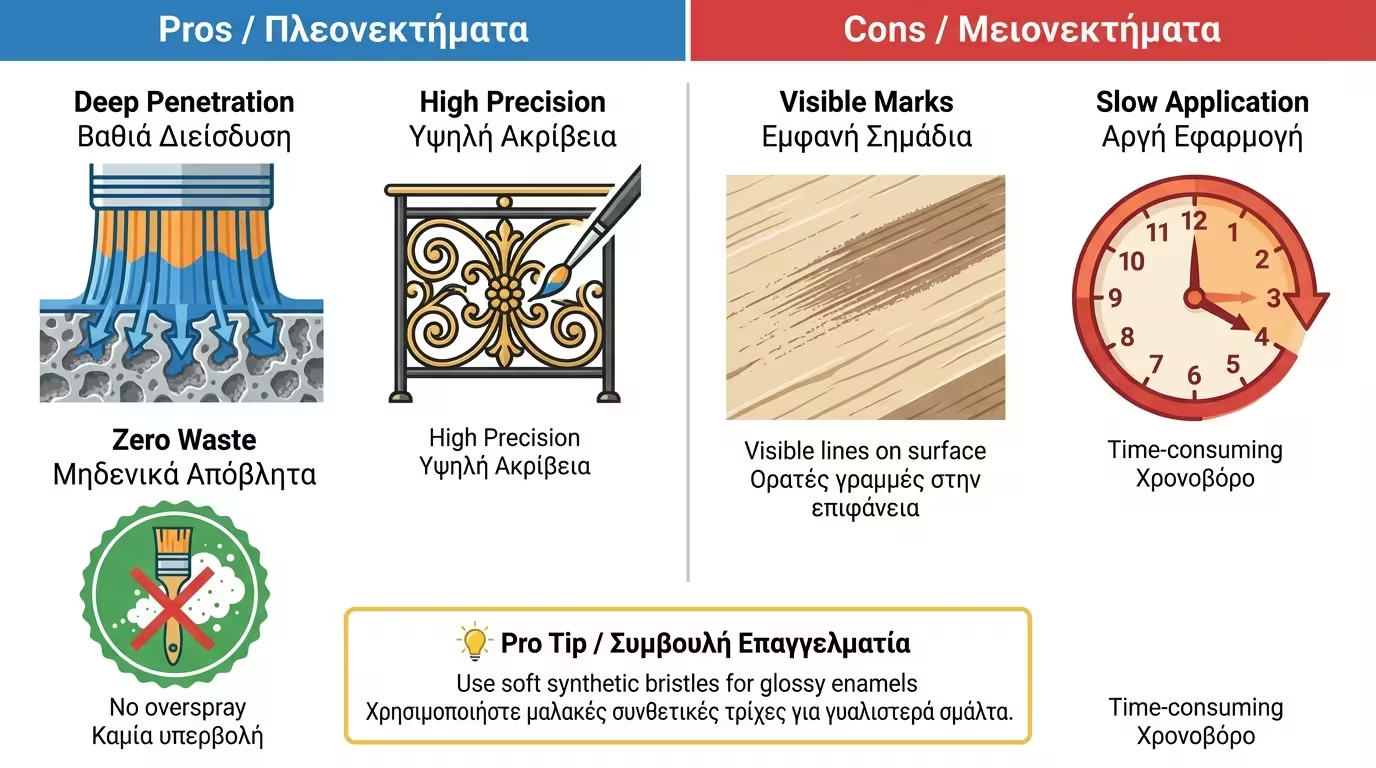
Infographic: Brush - pros (penetration, precision, zero waste) vs cons (brush marks, slow).

✅ Advantages

  • Excellent penetration: Pushes material into the metal.
  • Precision: The only option for ornate railings, corners, tight spots.
  • Zero waste: No overspray, minimal masking needed.

❌ Disadvantages

  • Brush marks: Visible lines, especially if paint dries too fast or isn't thinned properly.
  • Slow process: Unsuitable for large flat surfaces.
💡 Pro Tip: For glossy metal enamels, use a high-quality soft synthetic brush to minimise application marks.

2. The Roller: Speed on Flat Surfaces

Garage doors, sheet metal panels, wide beams - the roller cuts application time in half.
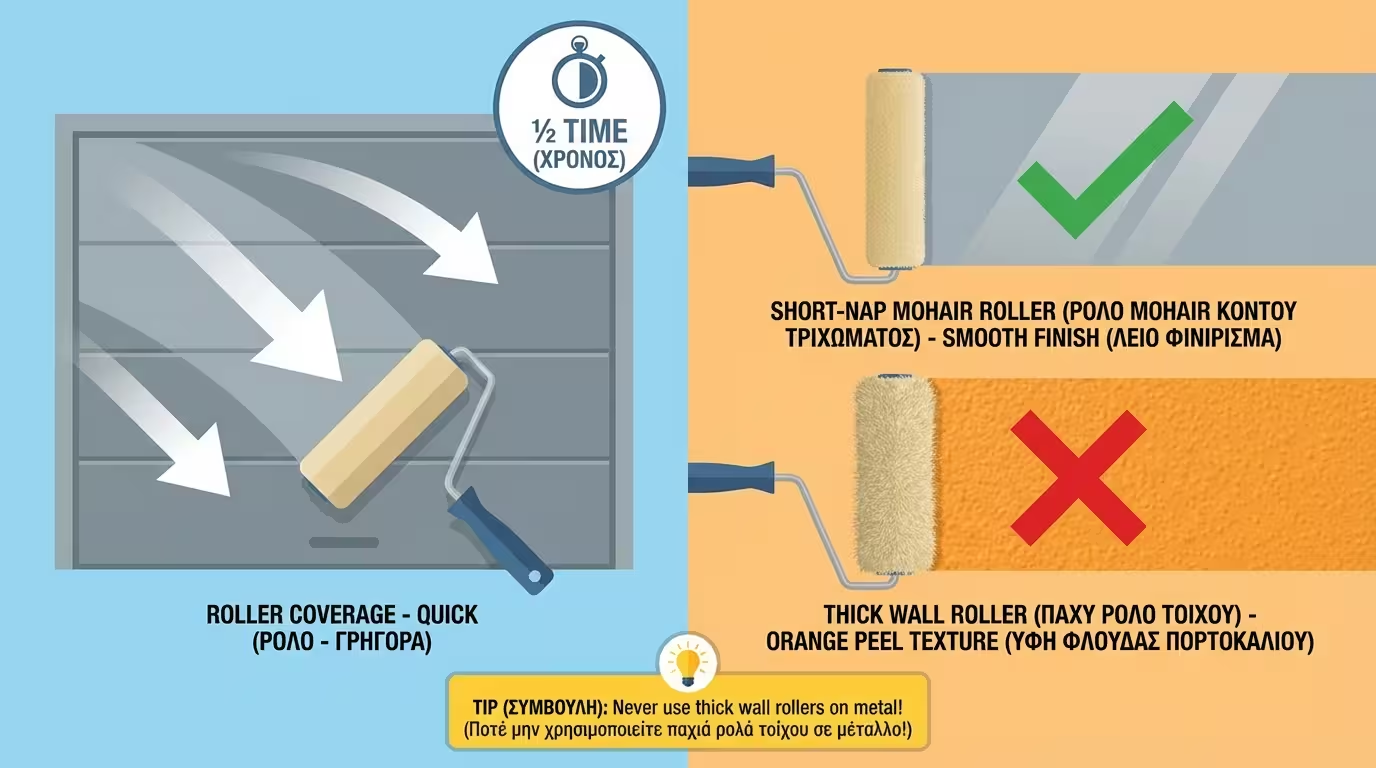
Infographic: Short-nap mohair roller - speed, uniformity, but orange peel texture.

✅ Advantages

  • Speed: Large surfaces, uniform thickness.
  • Uniformity: No heavy brush lines.
  • Ease of use: Minimal experience required.

❌ Disadvantages

  • "Orange peel" texture: Slight stippled texture depending on roller.
  • Corners difficulty: Requires brush "cutting in" at joints.
⚠️ Important: Avoid thick wall-painting rollers! Use short-nap mohair or solvent-resistant foam rollers for the smoothest possible finish.

3. The Spray Gun: Factory-Quality Finish

From aerosol cans (DIY) to HVLP guns and Airless systems - spraying is the king of flawless results.
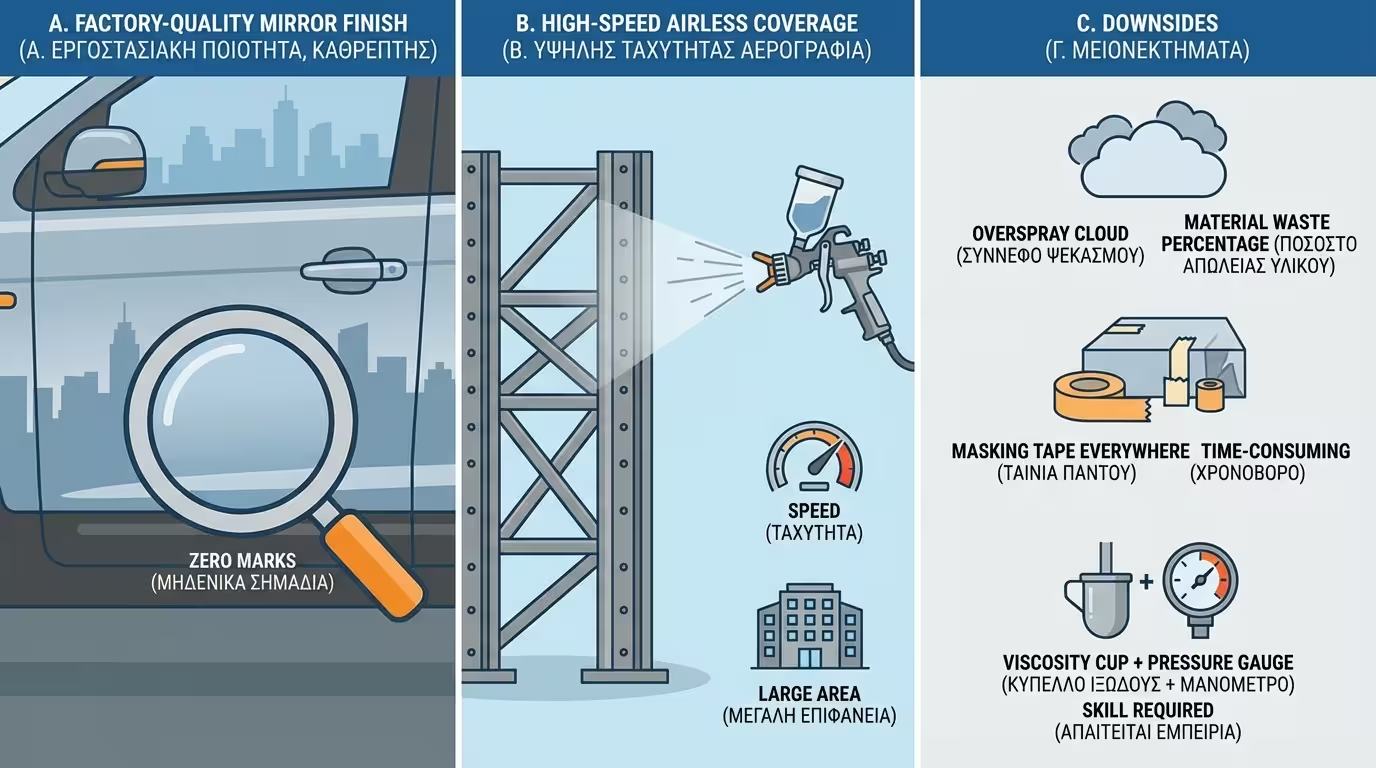
Infographic: HVLP + Airless systems - flawless surface, speed, but overspray & masking.

✅ Advantages

  • Perfect factory finish: Mirror-smooth, without a single mark.
  • Top speed: Massive industrial surfaces in minimal time.
  • Access everywhere: Even coverage on 3D objects & mesh.

❌ Disadvantages

  • Material waste (overspray): A significant portion is lost to the air.
  • Masking: Meticulous taping/covering of the entire surrounding area.
  • Equipment & skill: Viscosity cup, pressure settings, thorough post-use cleaning.

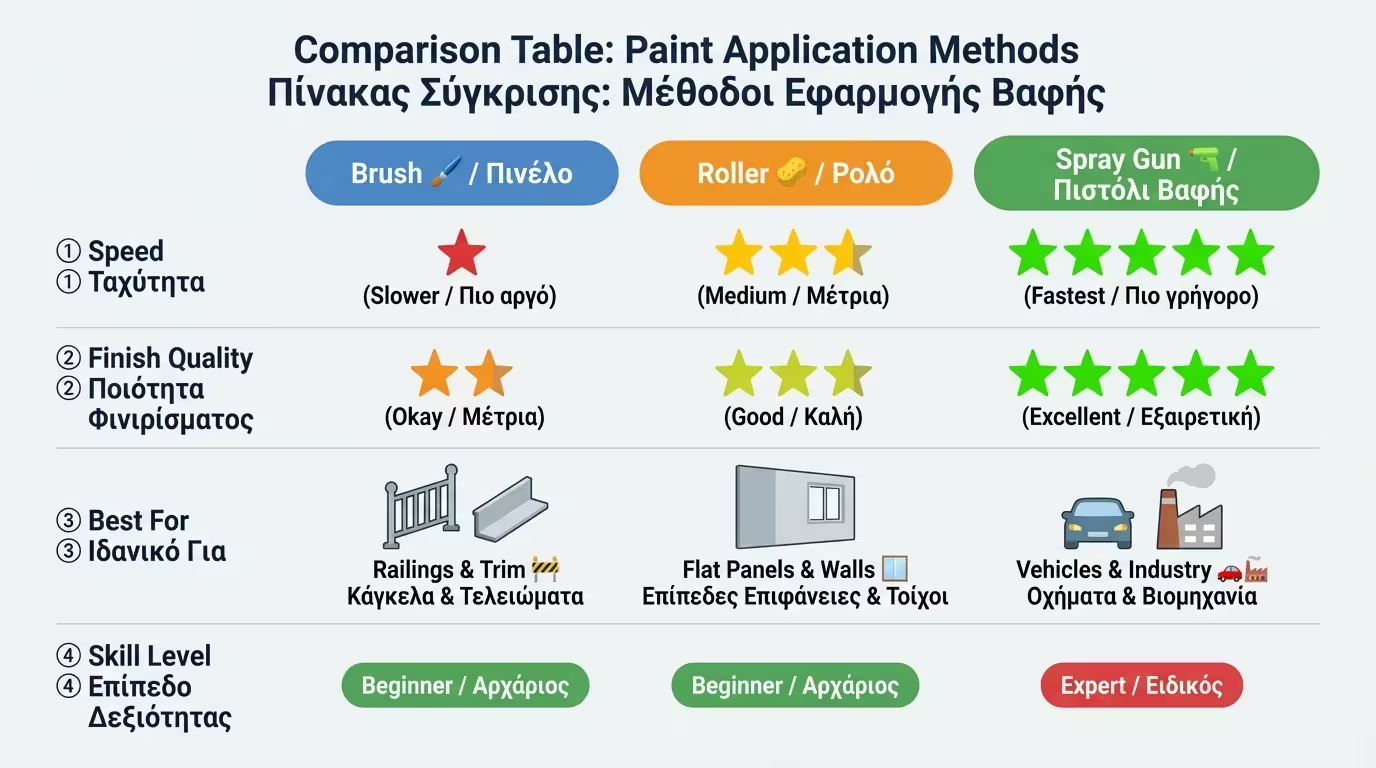
4. Quick Comparison Table

Infographic: Comparison table - Brush vs Roller vs Spray Gun on 4 criteria.

Choose at a glance:

🖌️ Brush

Speed: Low. Finish: Moderate. Best for: Railings, corners, repairs.

🧽 Roller

Speed: High. Finish: Good. Best for: Sheet metal, doors, beams.

🔫 Spray Gun

Speed: Very High. Finish: Excellent. Best for: Vehicles, industrial, furniture.

Related Articles

Preview