Preparation
Does it just say "cleaning" or does it describe specifically what's included? The difference in outcome is fundamental.
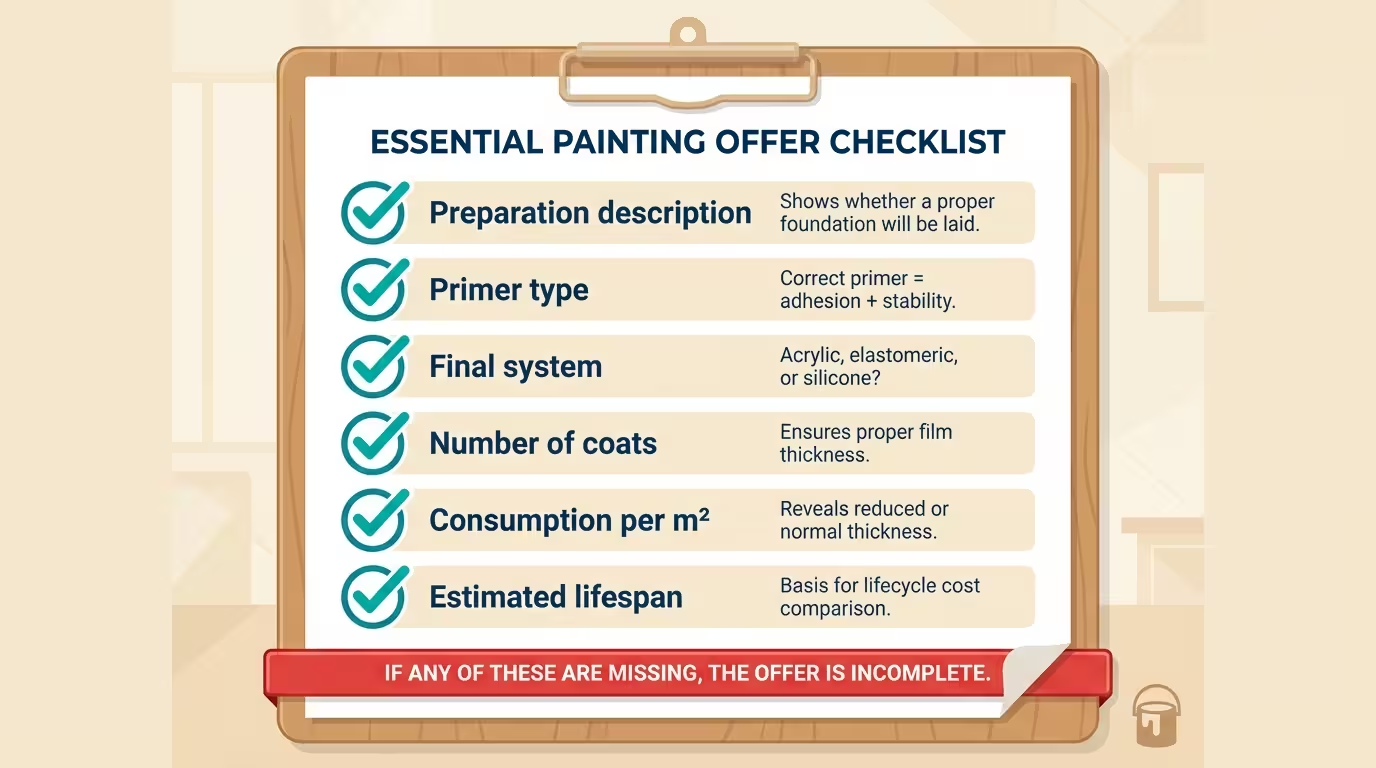
What a proper technical offer should include
| Item | Why it matters |
|---|---|
| Preparation description | Shows whether a proper base will be made |
| Primer type | Correct primer = adhesion + stability |
| Final system | Acrylic, elastomeric, or silicone? |
| Number of coats | Ensures correct film thickness |
| Consumption per m² | Reveals reduced or standard thickness |
| Estimated lifespan | Basis for lifecycle cost comparison |
The phrase "2 coats of paint" on its own doesn't say which paint, what category, at what thickness, or with what preparation.
A detailed offer describes exactly: primer type, topcoat type, number of coats, material consumption. Detail in the wording shows professionalism.
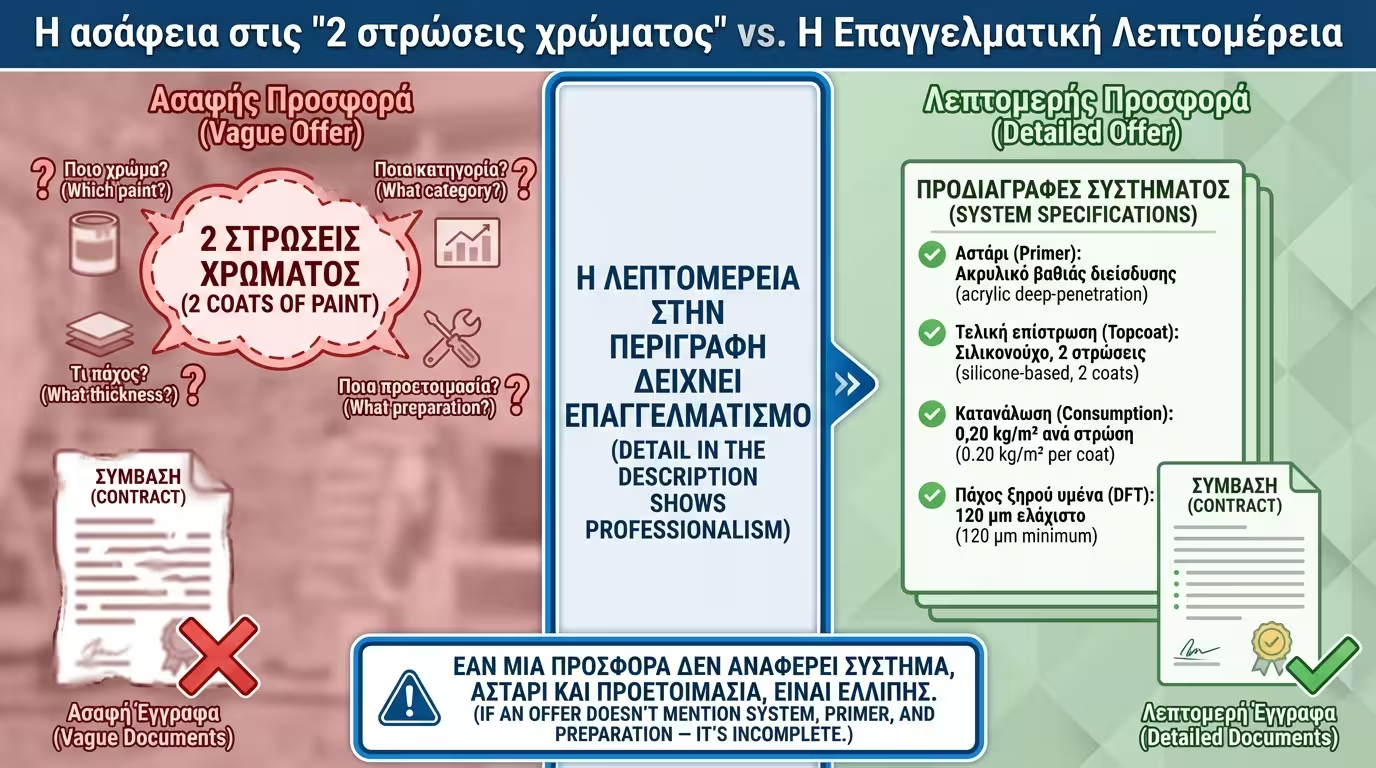
If an offer doesn't mention the system, primer, and preparation - it's incomplete.
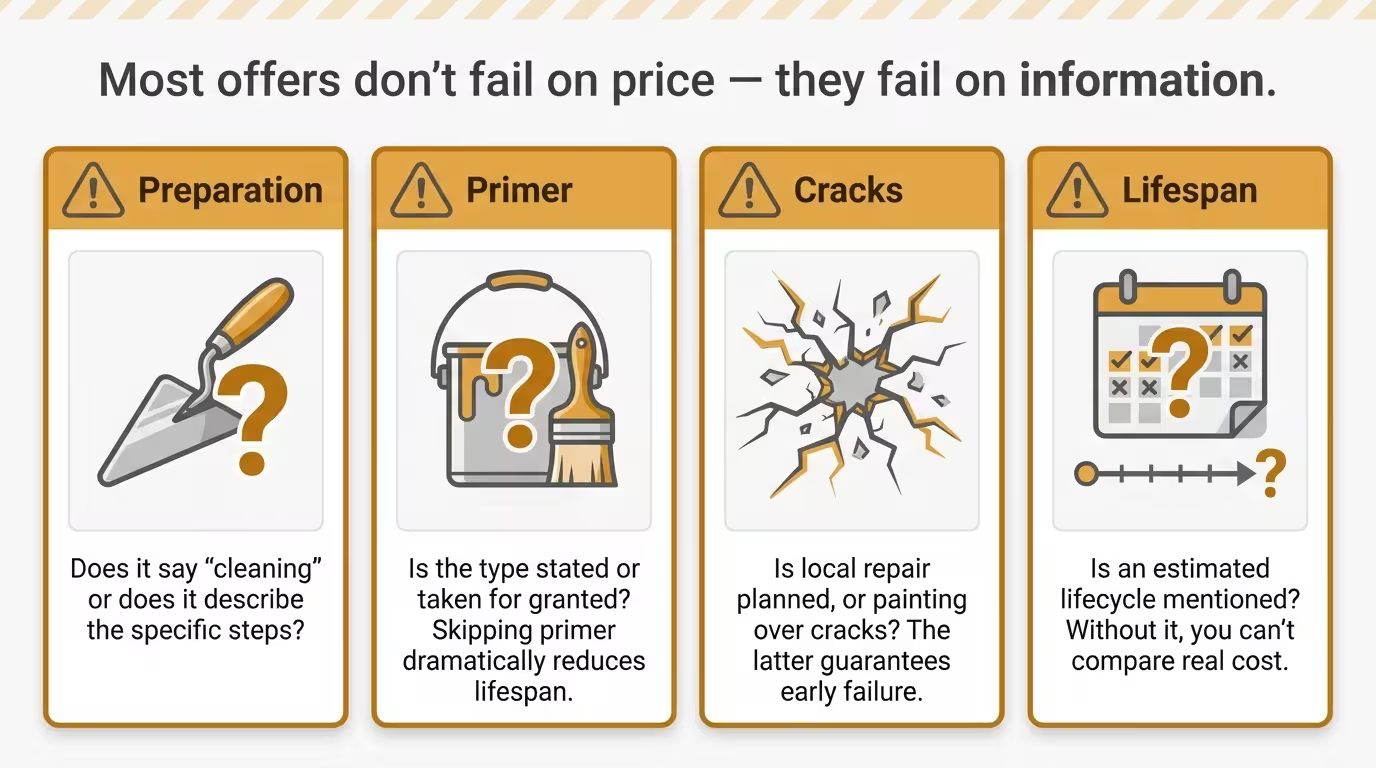
Most offers don't fall short on price - they fall short on information. Four critical points are commonly absent.
Does it just say "cleaning" or does it describe specifically what's included? The difference in outcome is fundamental.
Is the type mentioned or taken for granted? Omitting primer dramatically reduces lifespan.
Is local repair planned, or will they simply paint over cracks? The latter guarantees early failure.
Is there a reference to expected lifecycle? Without it, you can't compare true cost.
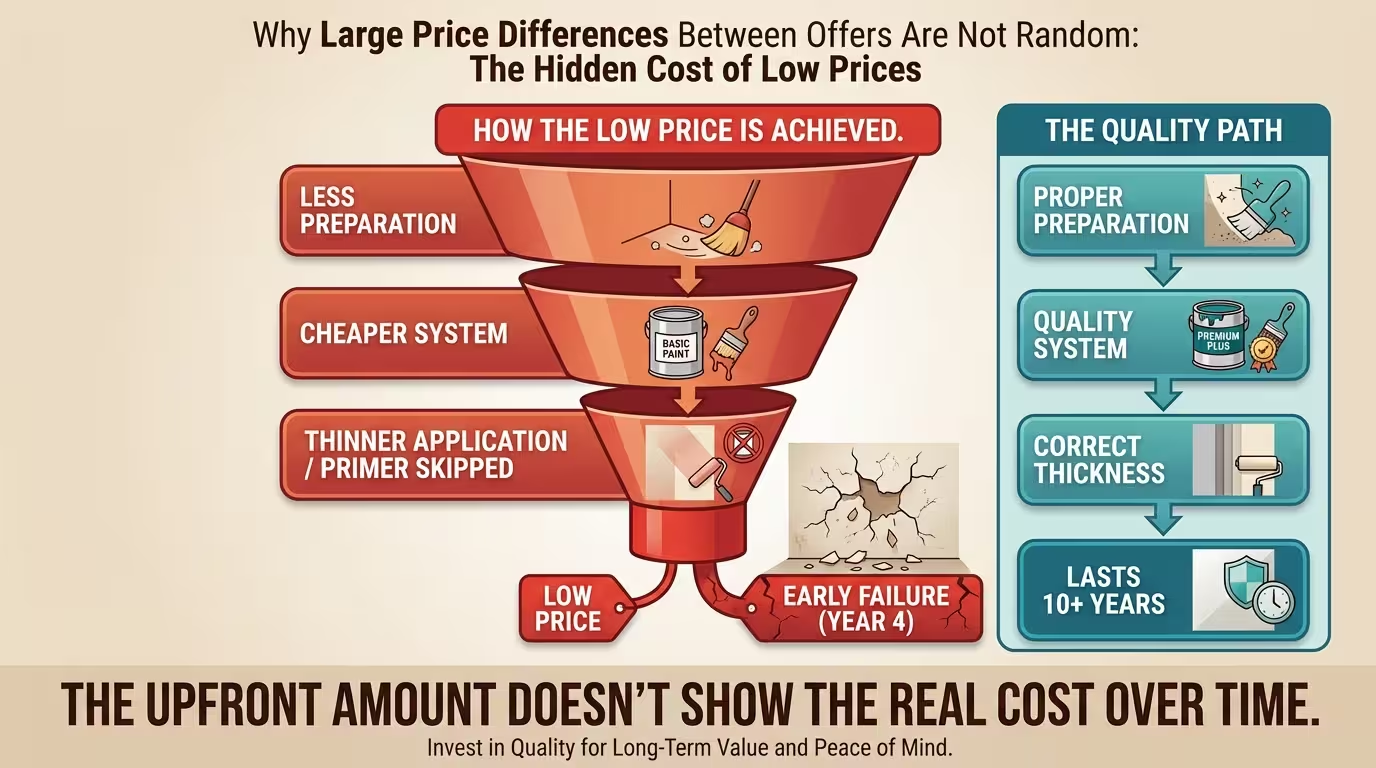
A low price can mean less preparation, a cheaper system, reduced application thickness, or primer omission.
The upfront amount doesn't show the real cost over time. A cheap intervention that fails at year 4 ultimately costs more than a proper one at year 10.
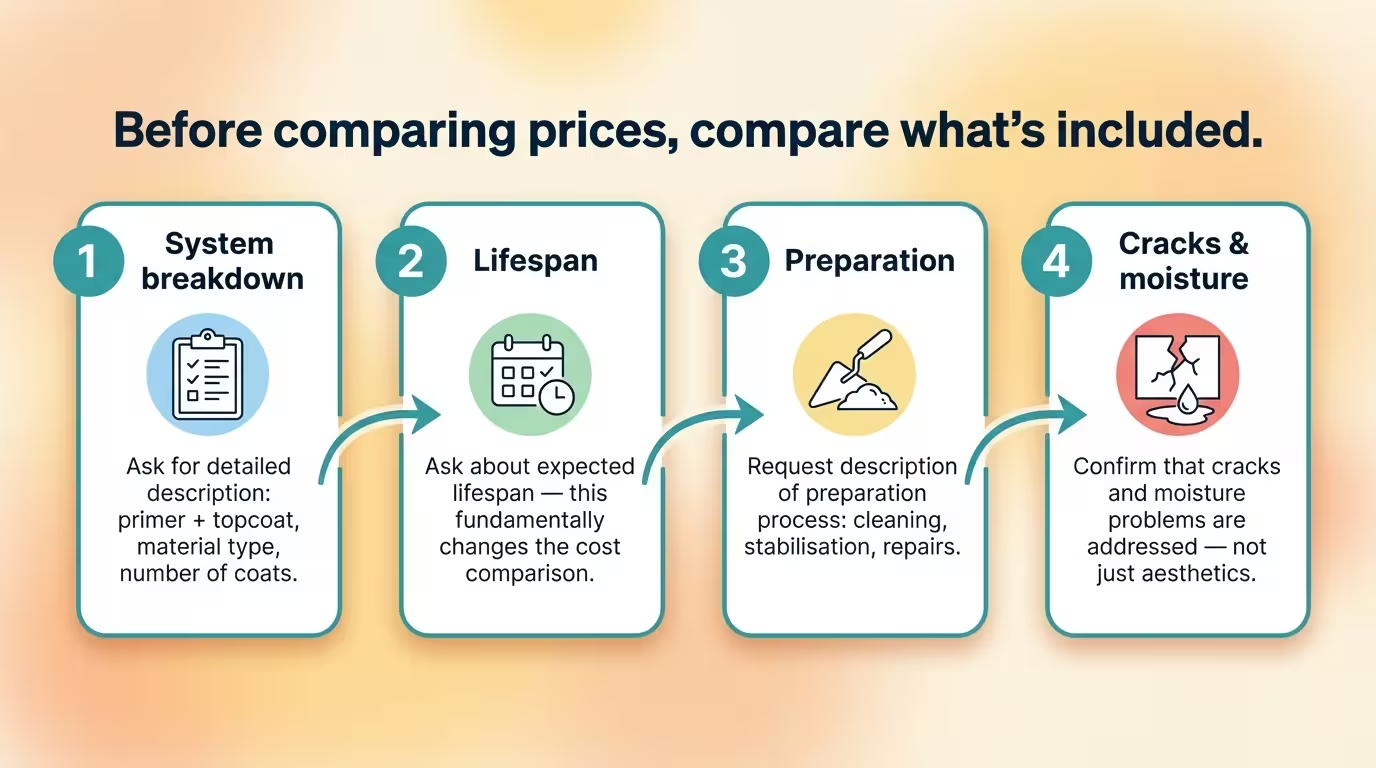
If you have 3 quotes, follow these steps before comparing prices.
Request a detailed description: primer + topcoat, material type, number of coats.
Ask for expected lifespan - this fundamentally changes the cost comparison.
Request a description of the preparation process - cleaning, stabilisation, repairs.
Make sure cracks and moisture issues are addressed - not just aesthetics.
If an offer includes full preparation, a superior system (elastomeric/silicone), technical assessment before starting, and a clear description of works - then you are comparing a different level of solution.
The right choice isn't the lowest price - it's the one that describes the system clearly, is based on assessment, explains the lifespan, and reduces future maintenance costs.
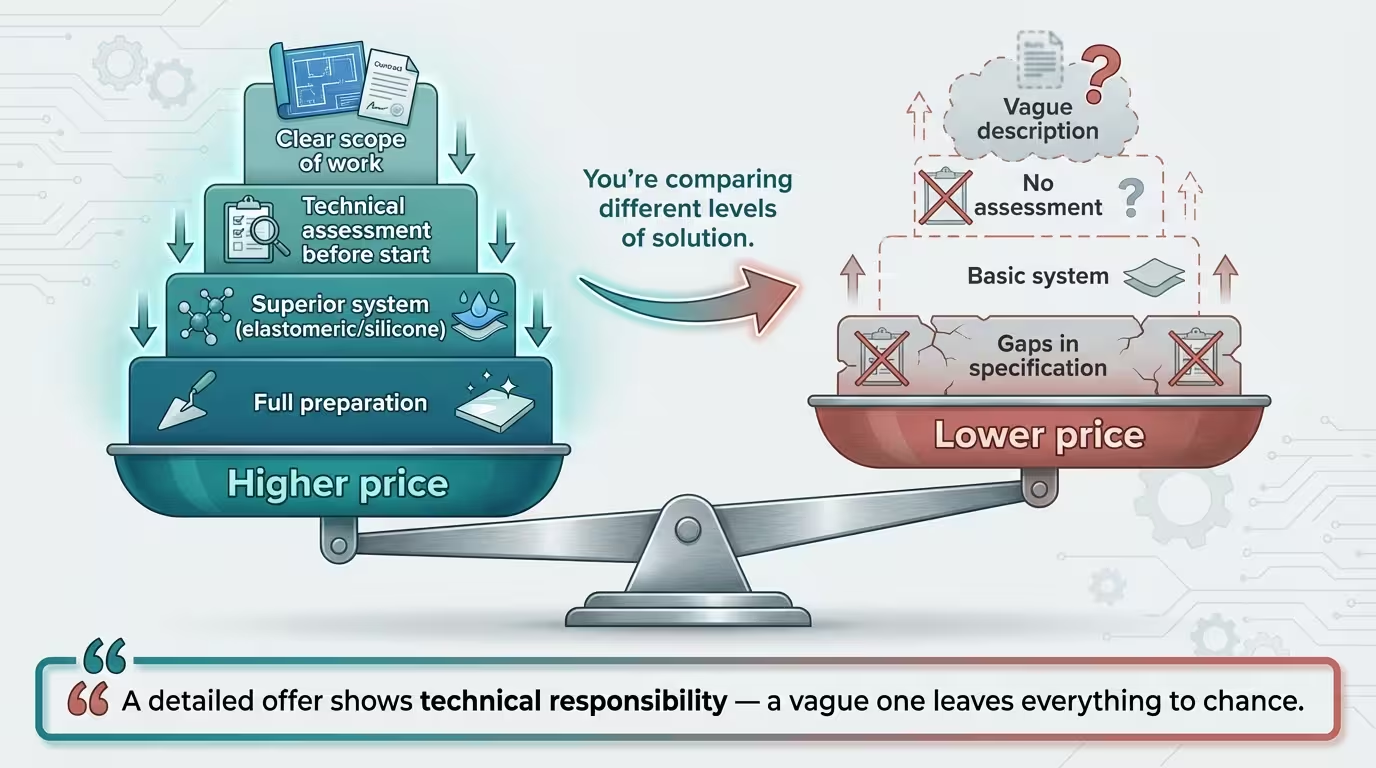
A detailed offer shows technical responsibility - a vague offer leaves everything to chance.
Return to category.
Go to categoryReturn to the central guide.
Go to guide