📉 Preventive Maintenance
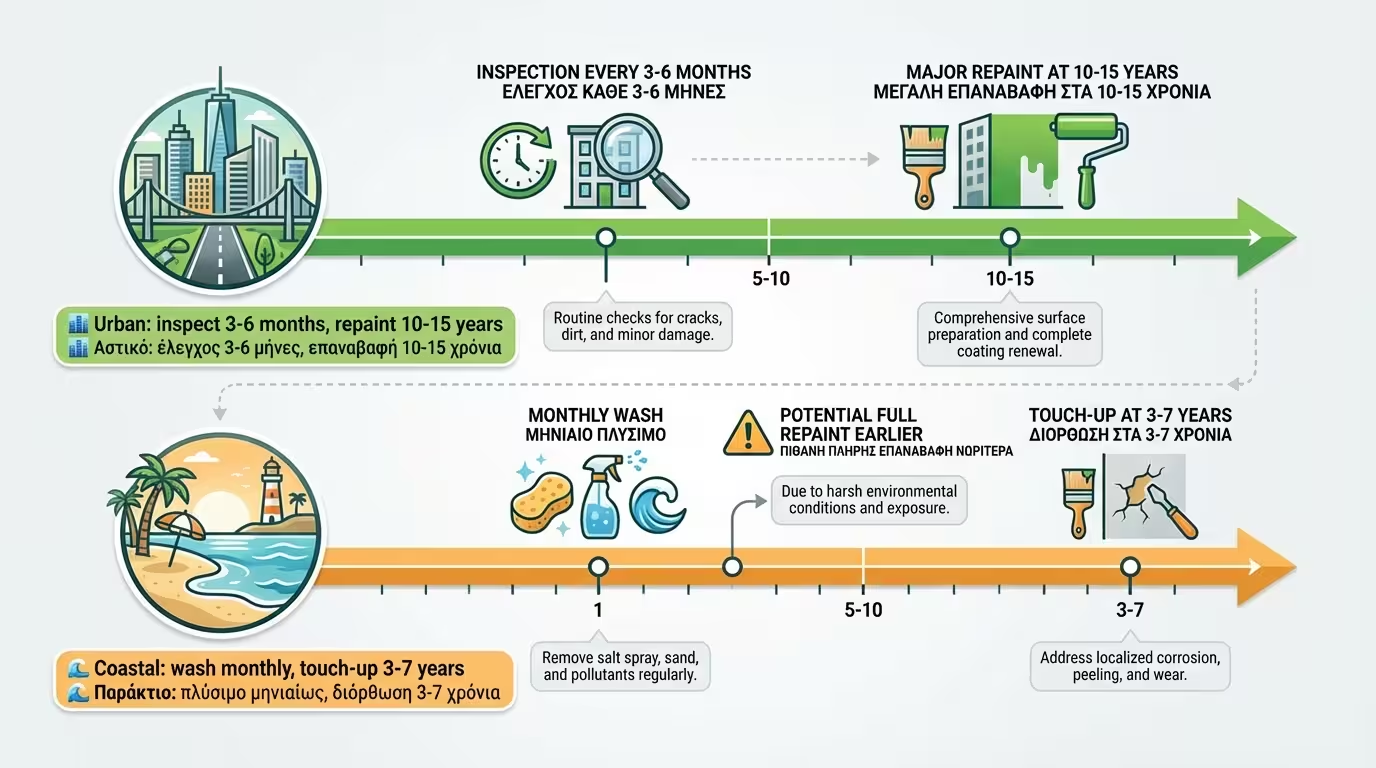
Applying a "refresh" coat (refresh coat) at years 7-10 (C3). Relative Cost: 1x. Requires only light sanding and washing.
Metal maintenance is not just an aesthetic touch-up; it is the strategic management of an asset's degradation rate. Understanding the coating's failure curve allows for interventions before corrosion makes restoration prohibitively expensive.
Every coating system follows a predictable degradation path. Preventive maintenance should occur when the paint shows signs of chalking or micro-cracking, but the substrate remains intact.
Applying a "refresh" coat (refresh coat) at years 7-10 (C3). Relative Cost: 1x. Requires only light sanding and washing.
Applied when rust covers >5-10% of the surface (Ri3/Ri4). Relative Cost: 5x-10x. Requires total removal, sandblasting, and a full 3-coat system rebuild.
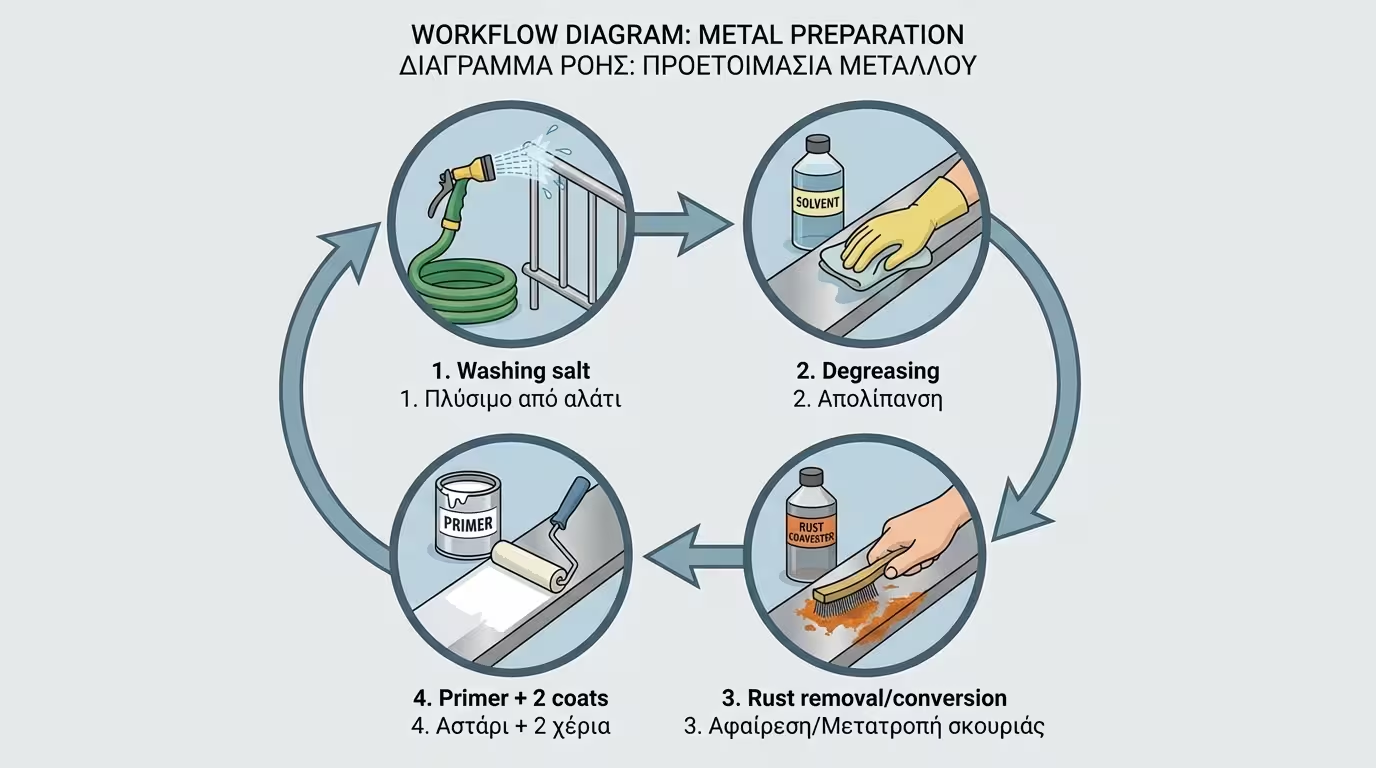
Often, maintenance doesn't require a brush, but rather a hose.
Pollutants and salts are hygroscopic: they pull moisture from the air onto the metal even on non-rainy days. Annual washdowns with fresh water can extend coating life by up to 50% in coastal environments.
Always check joints, crevices, and bolt heads. This is where crevice corrosion begins, spreading quickly beneath the film where it is hardest to detect.
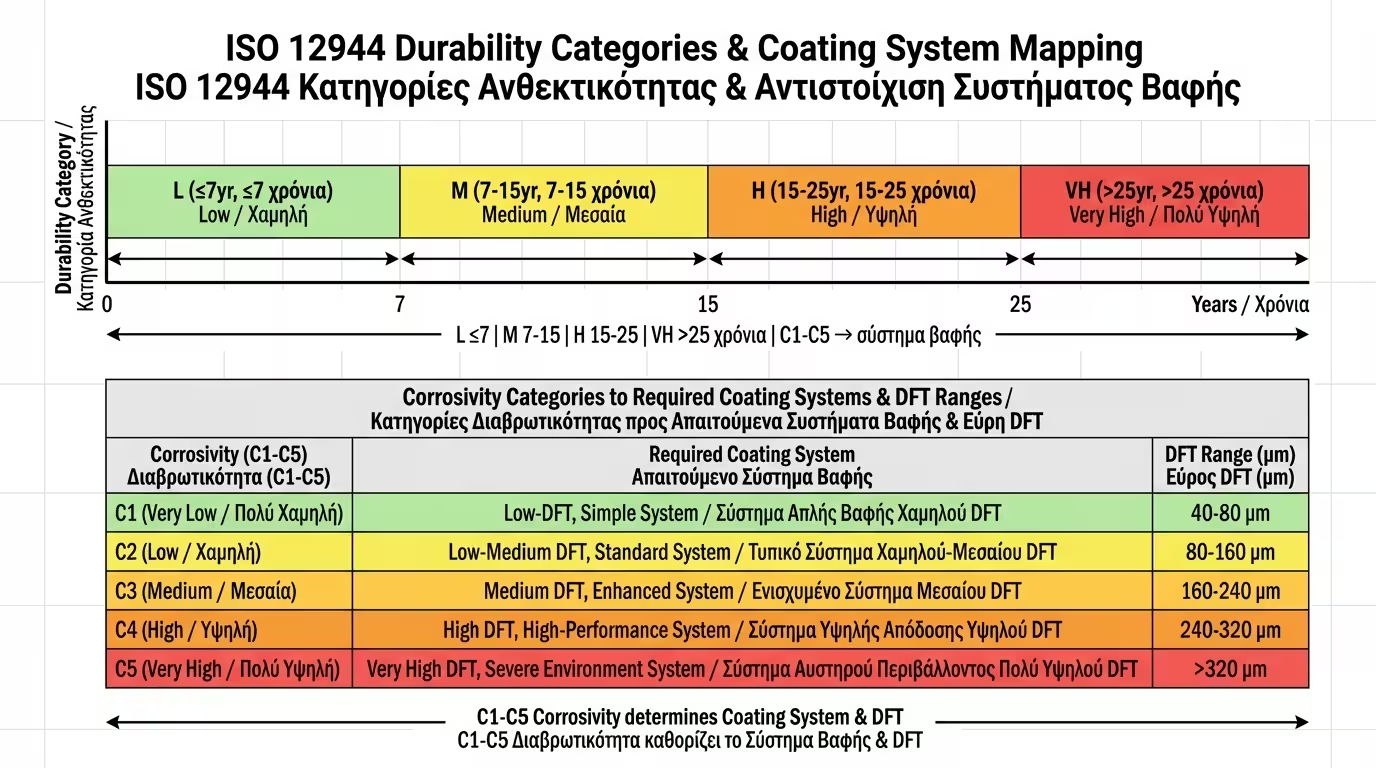
The international standard ISO 12944-8 defines the methodology for professional maintenance planning.
Cleaning localized spots to St 3 (manual) or P Sa 2½ (localized blasting). Primer is applied only to bare spots, followed by a full topcoat for color uniformity.
When pull-off adhesion is <1MPa or rust is extensive, full removal back to Sa 2½ is the only technically sound solution.
Your initial system choice dictates your costs for the next 20 years.
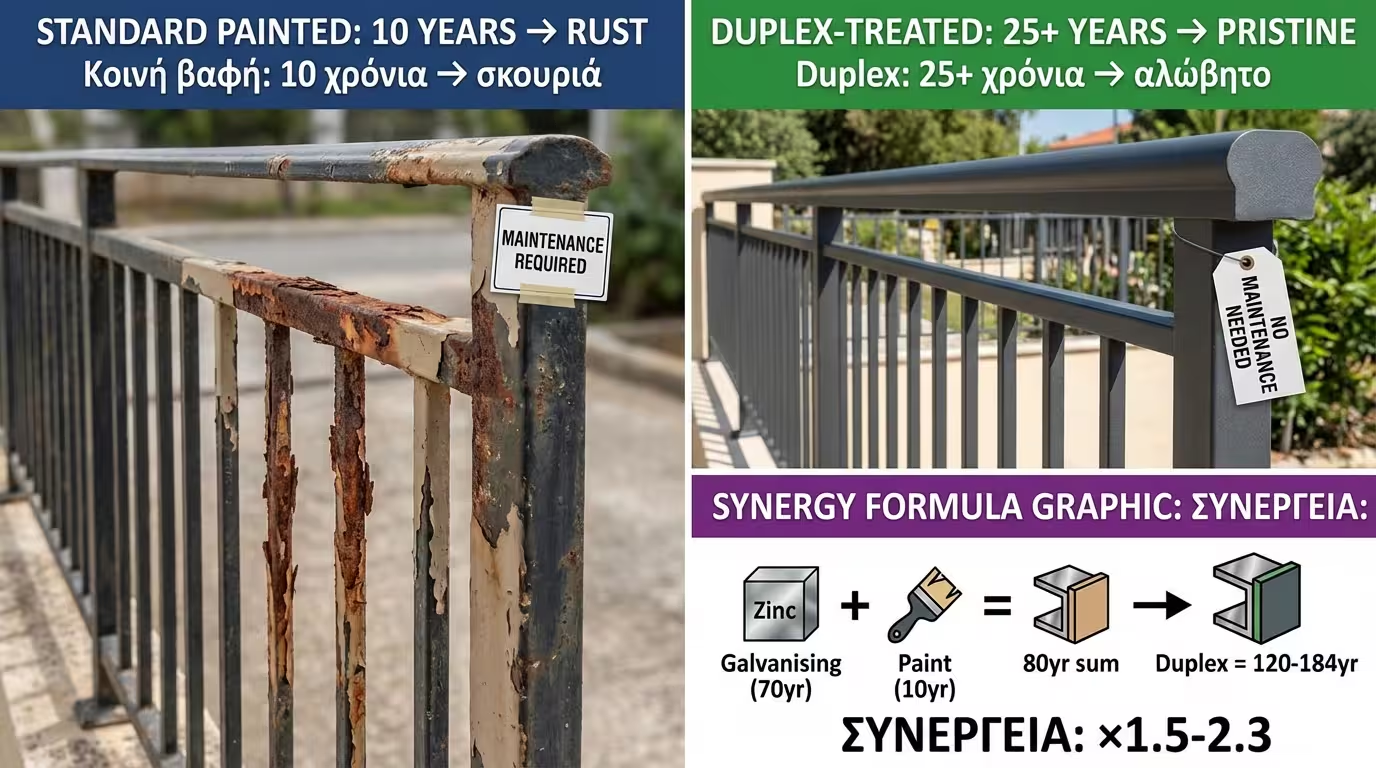
Duplex (Galvanizing + Paint) or Zinc-Rich Epoxy systems ensure that even if the topcoat fails, the zinc continues to protect the steel. Life Cycle Cost (LCC) analysis consistently shows that high-performance C5 systems are 3x cheaper over a 30-year period compared to repeated low-cost patch jobs.
Return to category.
Go to categoryReturn to the central guide.
Go to guide