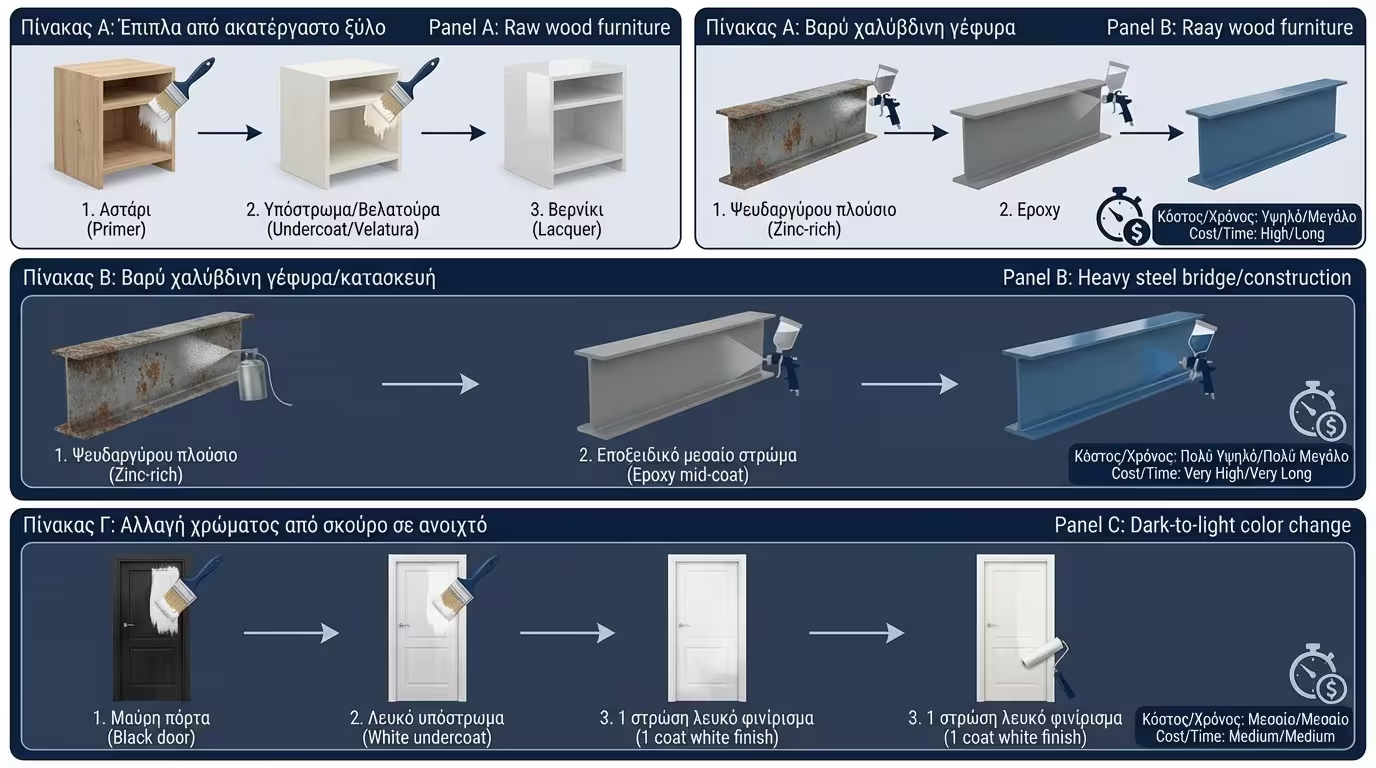
📦 1. Primer
The "root" of the application. It provides wettability for adhesion and contains anti-corrosive pigments. It is the layer in direct contact with the metal, deactivating it through passivation.
Metal painting is not a single layer of paint, but a multi-layer system where each layer performs a distinct chemical and physical function.
In industry, steel protection relies on synergy. A single layer, no matter how thick, inevitably contains micro-pores (pinholes) due to solvent evaporation. The Primer-Intermediate-Topcoat system ensures these pores are overlapping, effectively eliminating permeability.
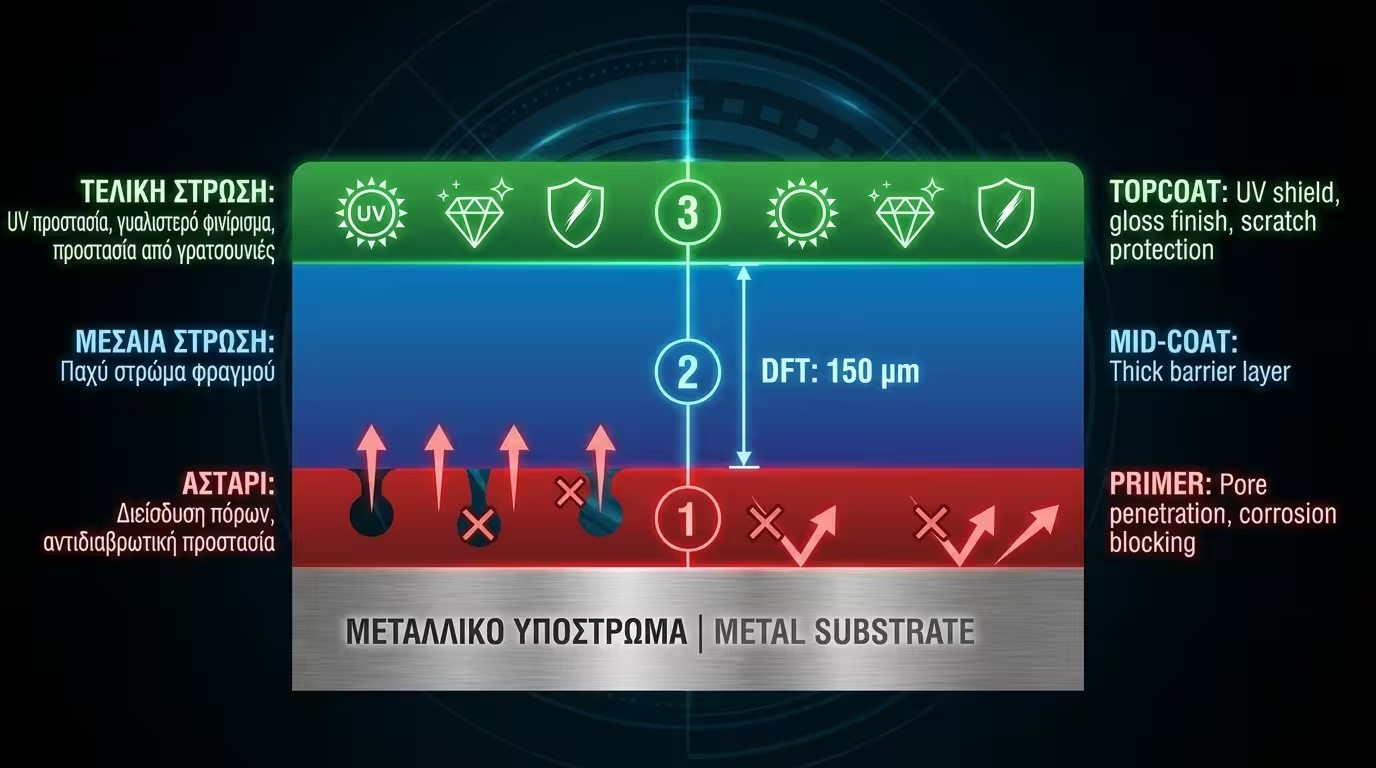
The "root" of the application. It provides wettability for adhesion and contains anti-corrosive pigments. It is the layer in direct contact with the metal, deactivating it through passivation.
The "body" of the thickness. It increases the total DFT (Dry Film Thickness) and acts as an adhesive "bridge" between the primer and the topcoat. Often contains MIO for extra waterproofing.
The "environment shield". It provides UV protection, aesthetics (color/gloss), and resistance to abrasion and chemicals.
Using intermediate layers with Micaceous Iron Oxide (MIO) is the difference between a simple paint job and an industrial specification. MIO particles are "flake-shaped" and overlap, forcing moisture to follow a tortuous path before reaching the metal.
Never mix dissimilar chemical bases without verification. An alkyd (enamel) over galvanized steel without the correct primer will cause saponification: a chemical reaction that turns the paint into "soap" at the interface, leading to total delamination.
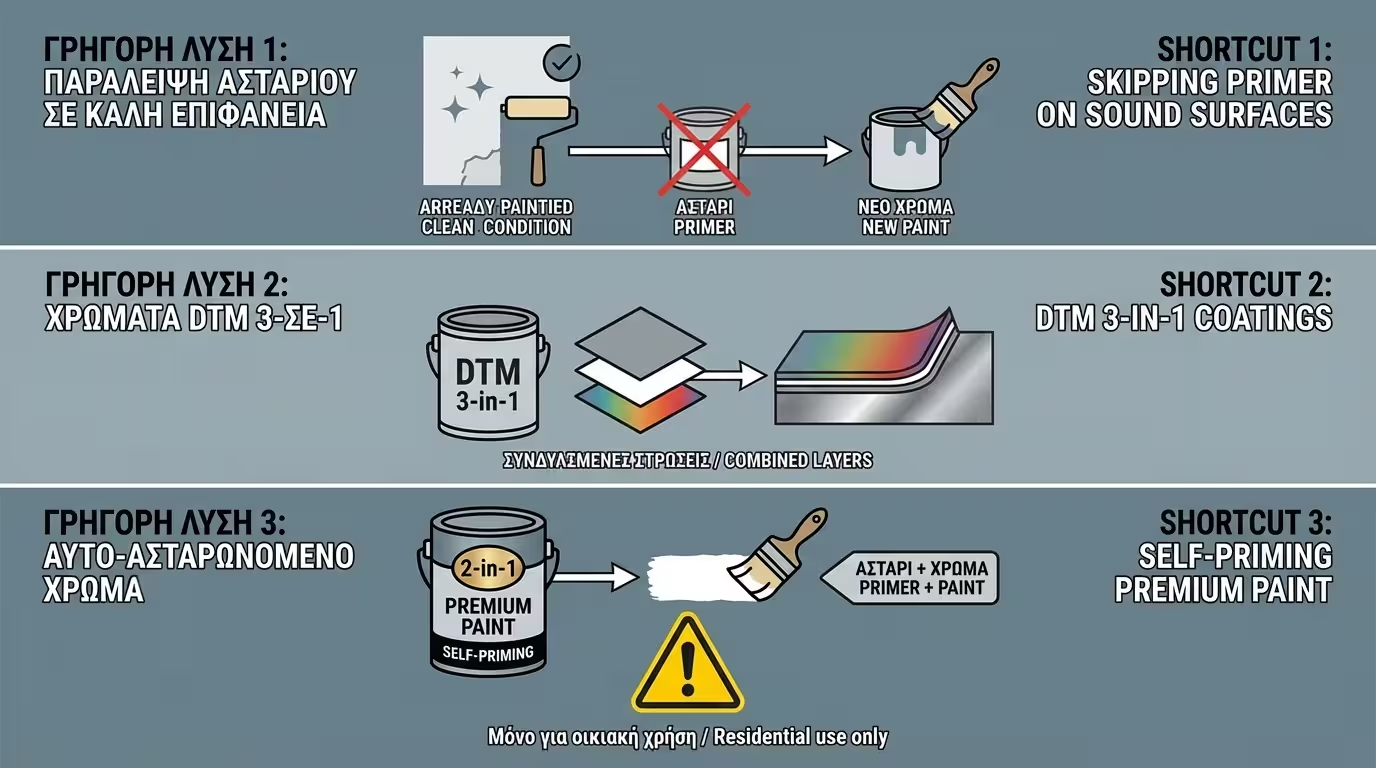
Iron Railings: 2 coats Anti-corrosive Primer + 2 coats solvent-based Enamel. Metal Roofs: 2K Wash Primer + 2 coats Acrylic Metal Paint.
Applying the topcoat directly to the primer outside the specified recoat window. If the primer "cures" excessively, it will require sanding again for the next layer to "bite".
In demanding specifications, the golden standard is a 3-layer system with complementary chemical bases:
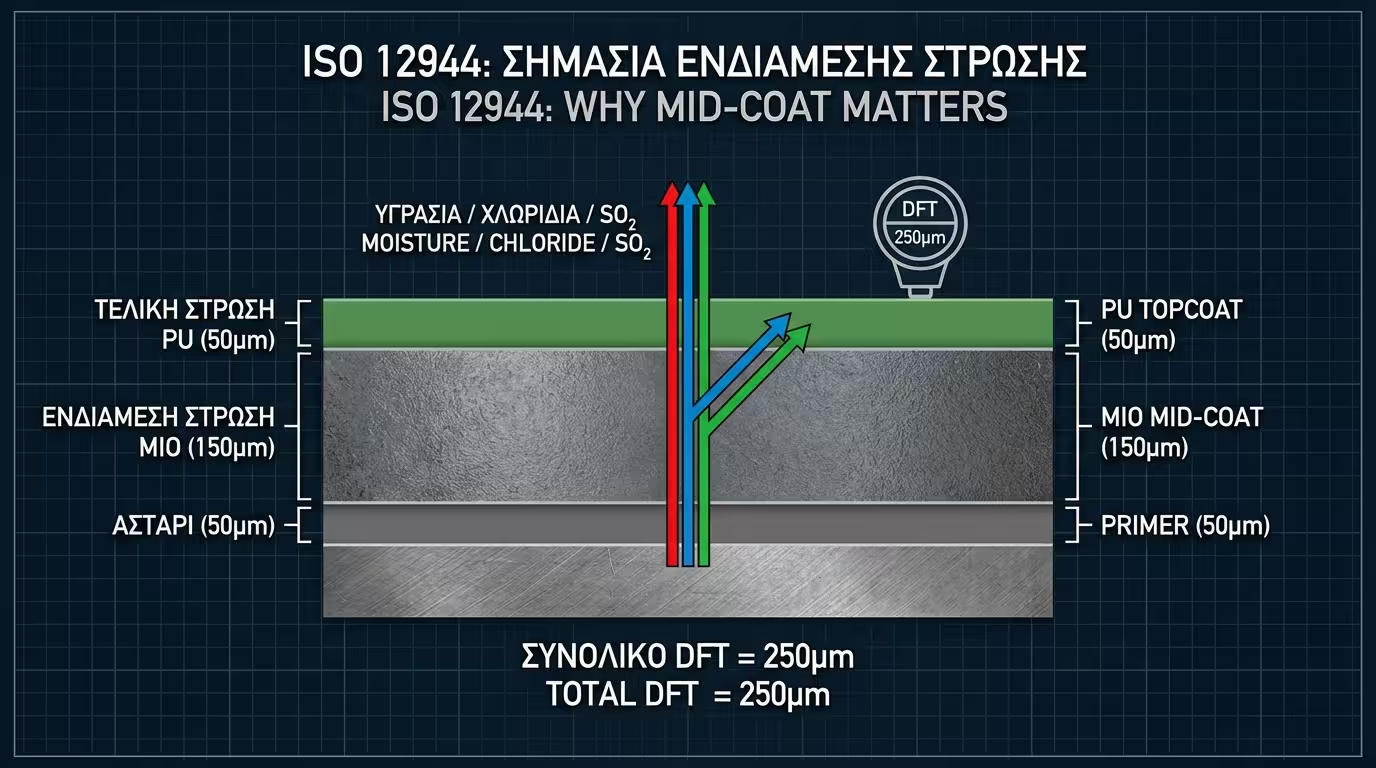
Base: Epoxy Zinc-Rich (Cathodic protection). Mid: Epoxy MIO High Build (Sealing & Thickness). Finish: Aliphatic Polyurethane (UV resistance & Hardness).
Some industrial systems allow "wet-on-wet" application, reducing project delivery times, but require precise thickness control (WFT) during application.
💡 Engineer's Verdict: A coating system is only as strong as its weakest link. Do not skimp on the intermediate layer (Undercoat), as it is the component that carries the total protective thickness.
Return to category.
Go to categoryReturn to the central guide.
Go to guide