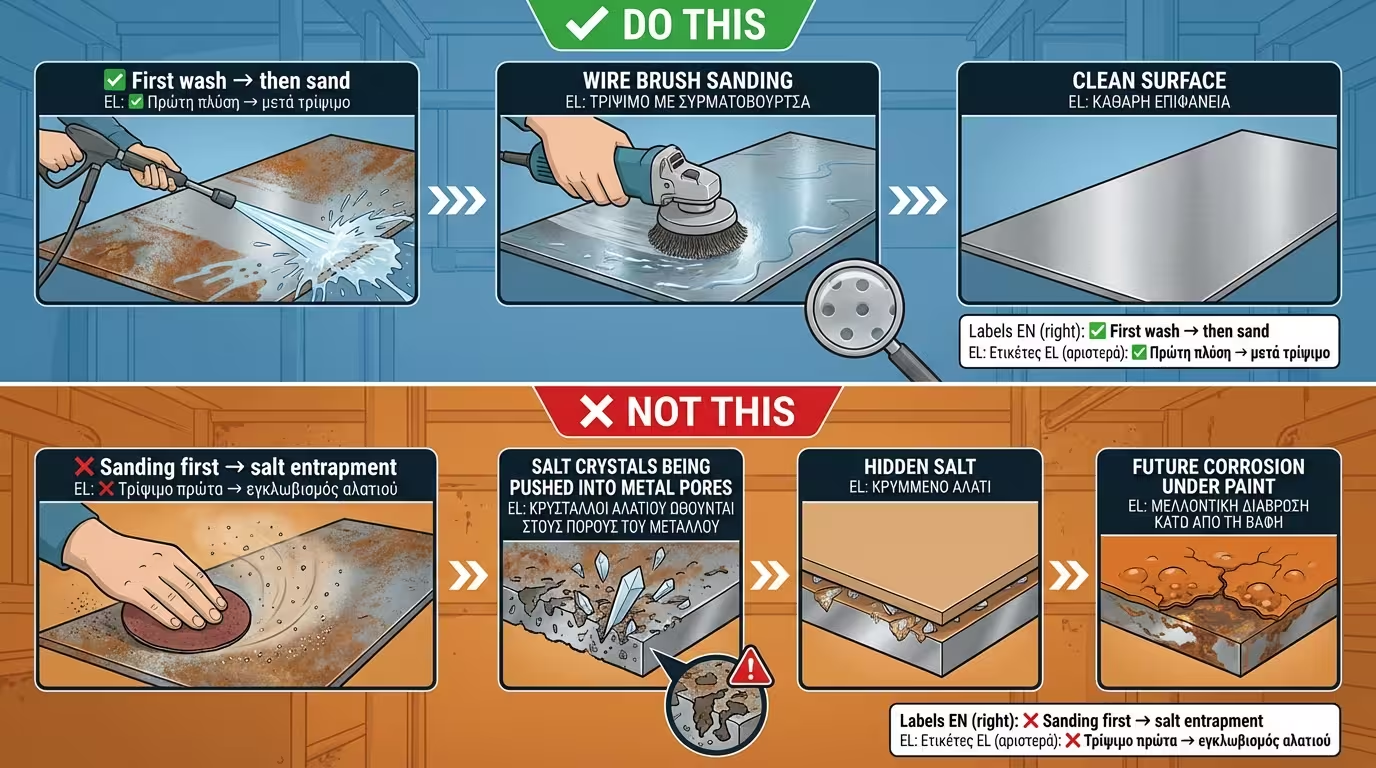
🧂 Osmotic Blistering
Trapped salt under the film acts as a "pump," drawing moisture through the coating (osmotic drive). This creates acidic blisters that corrode the metal silently until the coating system detaches.
Within 5km of the coast, metal faces more than just humidity; it endures a constant chemical barrage. C4 and C5-M (Marine) corrosion categories demand systems that go beyond simple paint, focusing on salt management and electrochemical shielding.
Chlorides (Cl-) have the unique ability to disrupt the passive layer of steel, causing pitting corrosion - localized deep craters that compromise structural integrity.
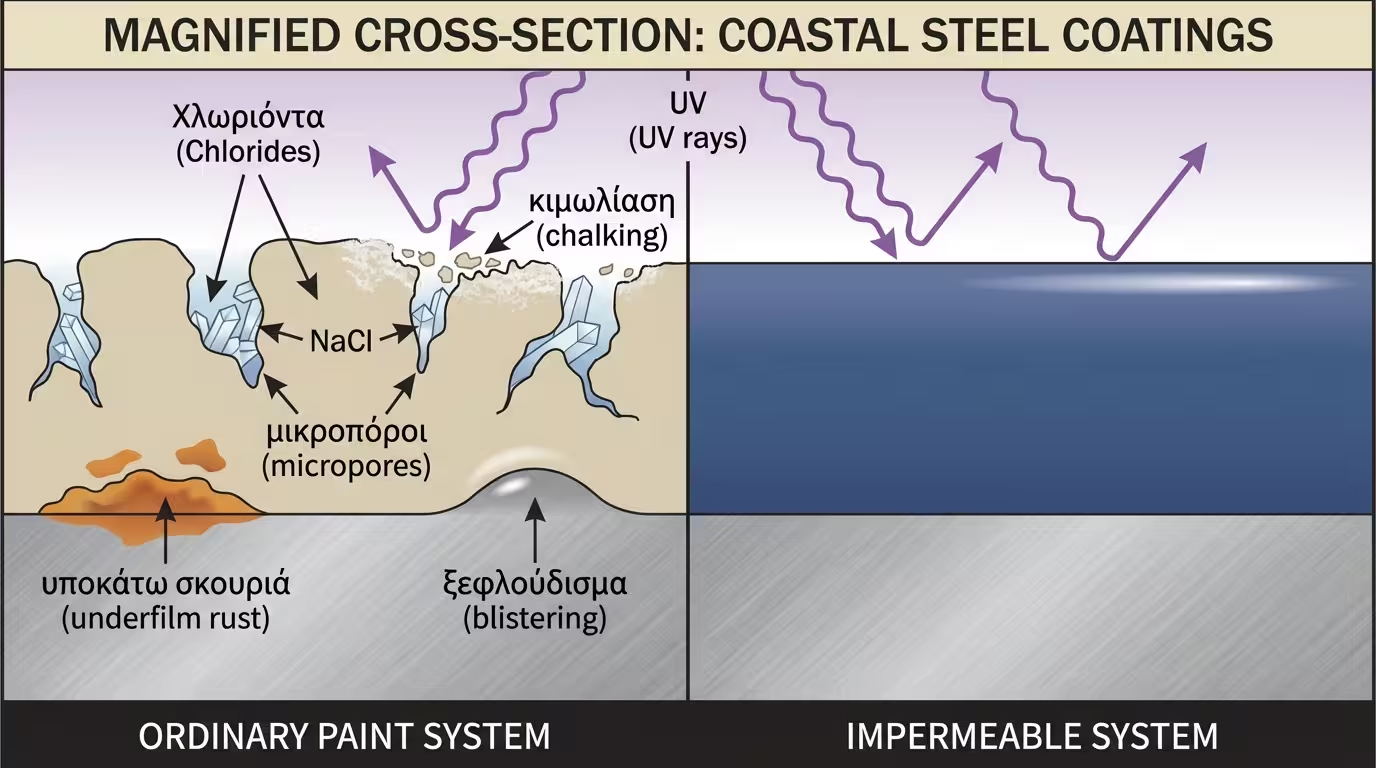
Trapped salt under the film acts as a "pump," drawing moisture through the coating (osmotic drive). This creates acidic blisters that corrode the metal silently until the coating system detaches.
In coastal areas, the TOW is higher due to morning mist. A coating must withstand continuous wet/dry cycles without losing its inter-coat adhesion.
C5 preparation is not just about sanding. Removing invisible contaminants is the most critical step.
Professional projects utilize Bresle Patches (ISO 8502-6). If salt concentration exceeds 20mg/m², failure is imminent. High-pressure fresh water washing is mandatory before any mechanical cleaning.
Abrasive blasting to Sa 2½ with a profile of 40-70μm (Medium G) is required to ensure the mechanical "anchor" for heavy-duty epoxy sistemas.
In marine environments, protection is multi-layered.
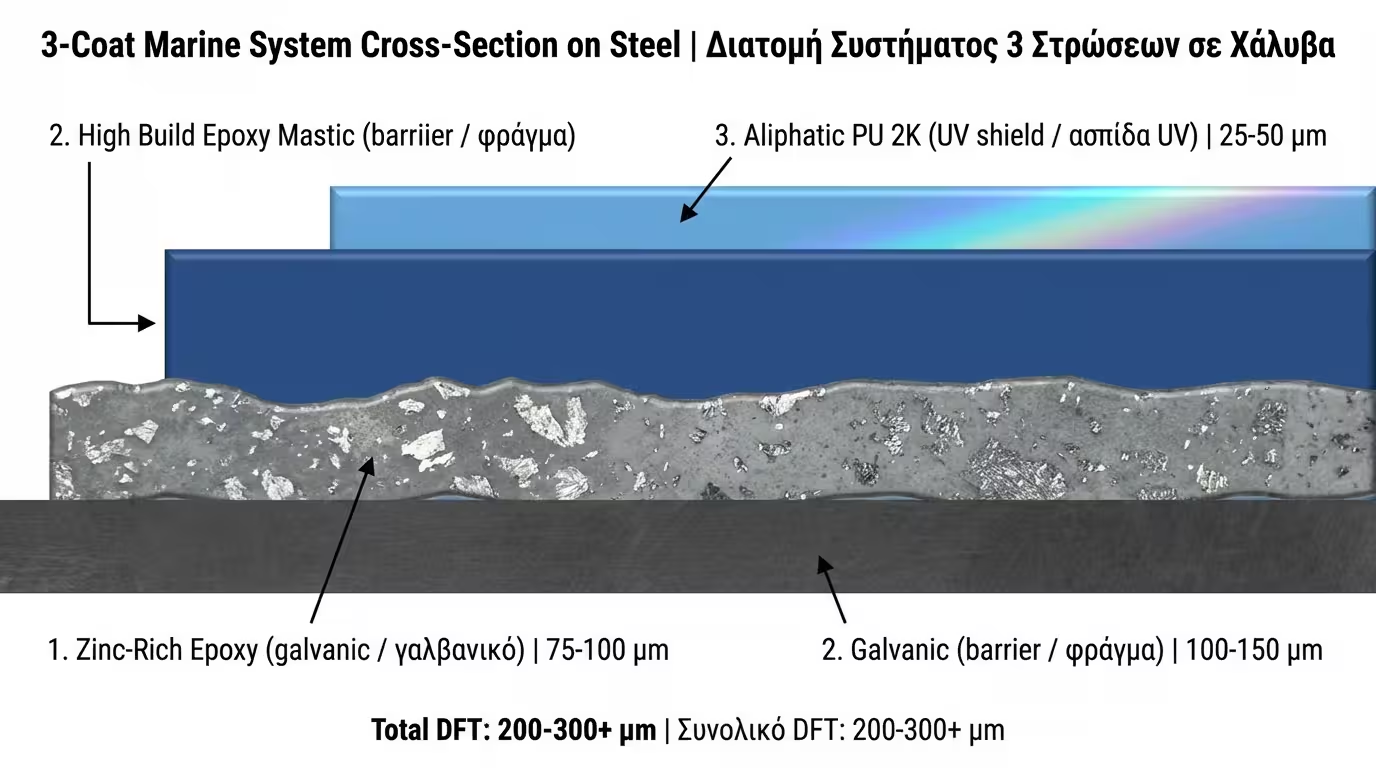
Provides cathodic protection. Zinc prevents rust from spreading under the film ("undercutting") if the surface is scratched.
Contains specialized flakes that align parallel to the metal, creating a "shingle effect" that blocks the pathway of water and oxygen.
Protects the epoxy layers from UV-induced chalking and provides the final aesthetic finish with high gloss retention.
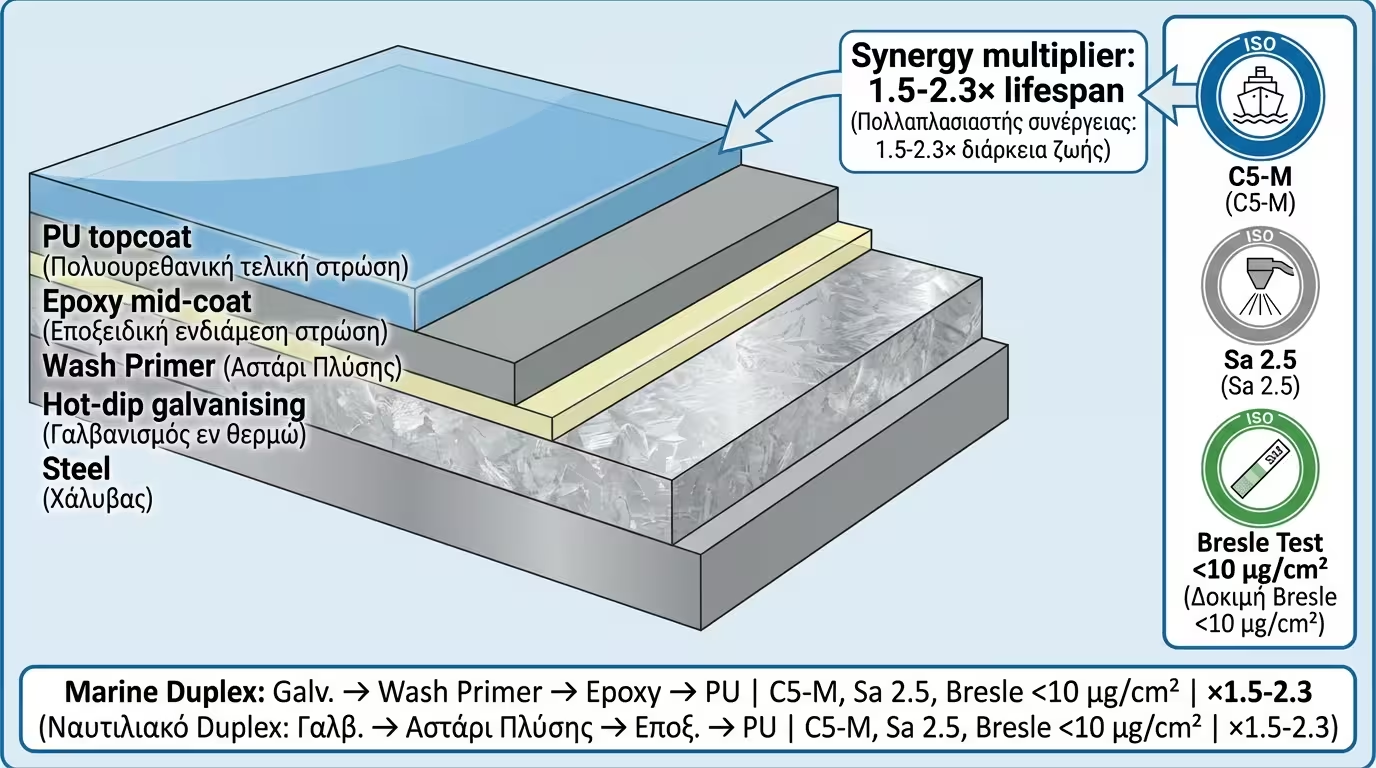
The Duplex System (Hot-Dip Galvanizing + Paint) is the ultimate solution for marine durability.
The paint shield prevents the salt from prematurely consuming the zinc layer. In C5-M/CX environments, the total Dry Film Thickness (DFT) should exceed 240-320μm to offer a maintenance-free life of over 15 years.
Return to category.
Go to categoryReturn to the central guide.
Go to guide