🛡️ Fungal Resistance
The hemicellulose is degraded during heat treatment, effectively removing the "food source" for fungi and insects. Consequently, the wood becomes more brittle as its elasticity is reduced.
Though renowned for its tremendous durability without chemicals, how does it react to sunlight? Does it need varnish or oil? Let's see in detail.
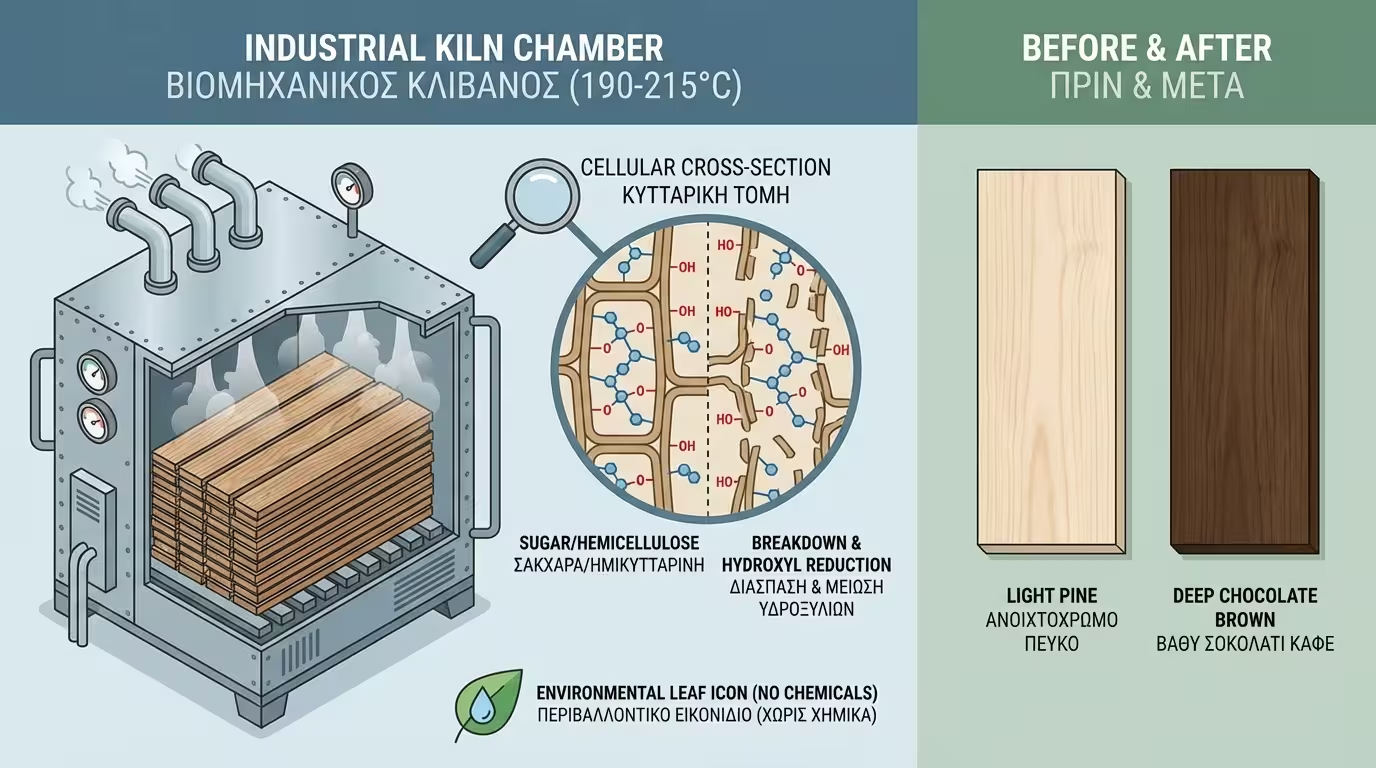
Unlike traditional pressure-treated timber that uses toxic chemicals (biocides, heavy metals), thermal modification is a 100% ecological, industrial process.
Wood is heated in special kilns at very high temperatures (typically between 190°C and 215°C) with simultaneous use of steam, which prevents ignition. This process changes the very cellular structure of the material:
The hemicellulose is degraded during heat treatment, effectively removing the "food source" for fungi and insects. Consequently, the wood becomes more brittle as its elasticity is reduced.
The wood's ability to absorb moisture is dramatically reduced. The Equilibrium Moisture Content (EMC) is lowered by 40-50% compared to natural wood, limiting bowing and deformities.
The heat gives it a deep, rich brown/chocolate tone throughout its entire mass.
The fact that it doesn't rot does not mean it's unaffected by the sun. Like any natural wood, if left completely unprotected from outdoor weather conditions and Ultraviolet (UV) radiation, it will lose its brown colour and develop a silver-grey patina.
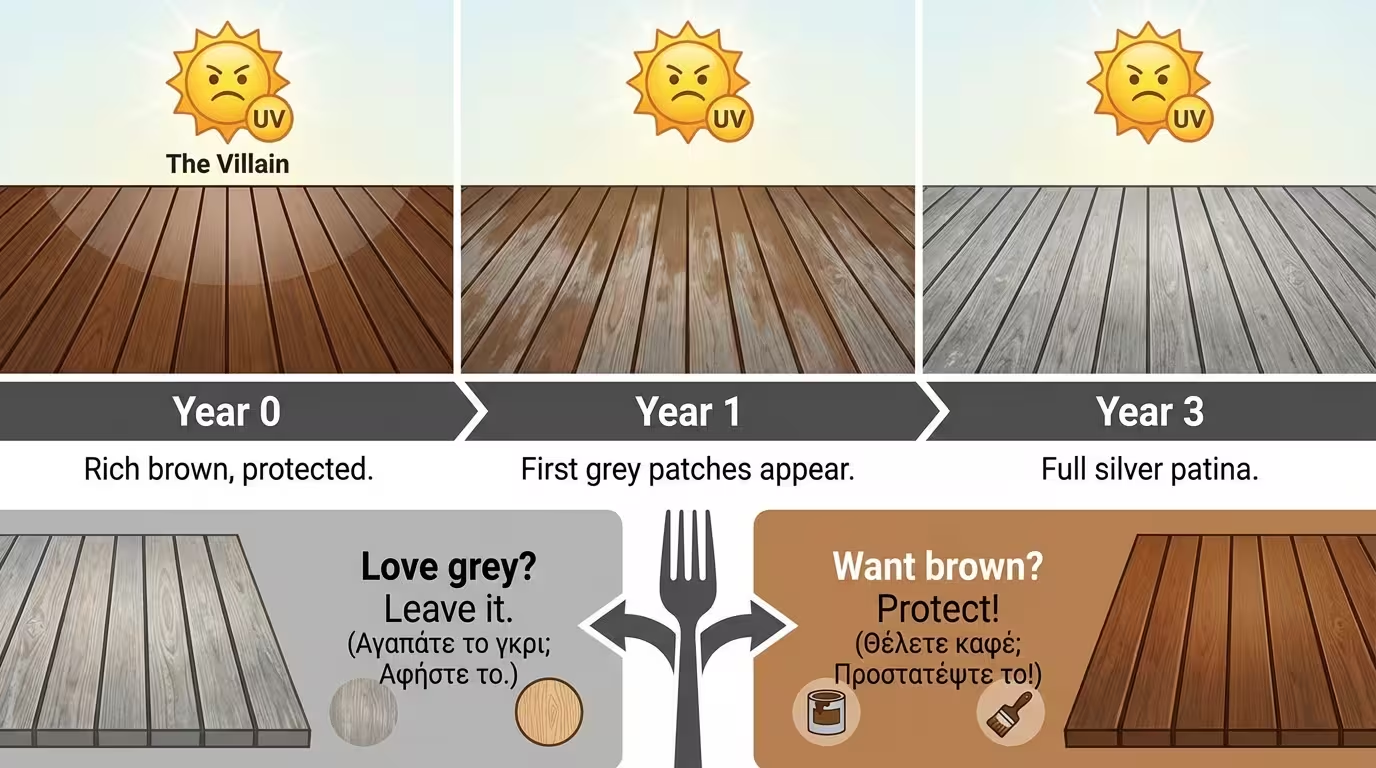
💡 If the grey, "natural" look suits your aesthetic (minimalism), you can leave it bare. But if you want to maintain its stately brown colour, painting and maintenance are absolutely essential.
Choosing the right product depends on the surface:
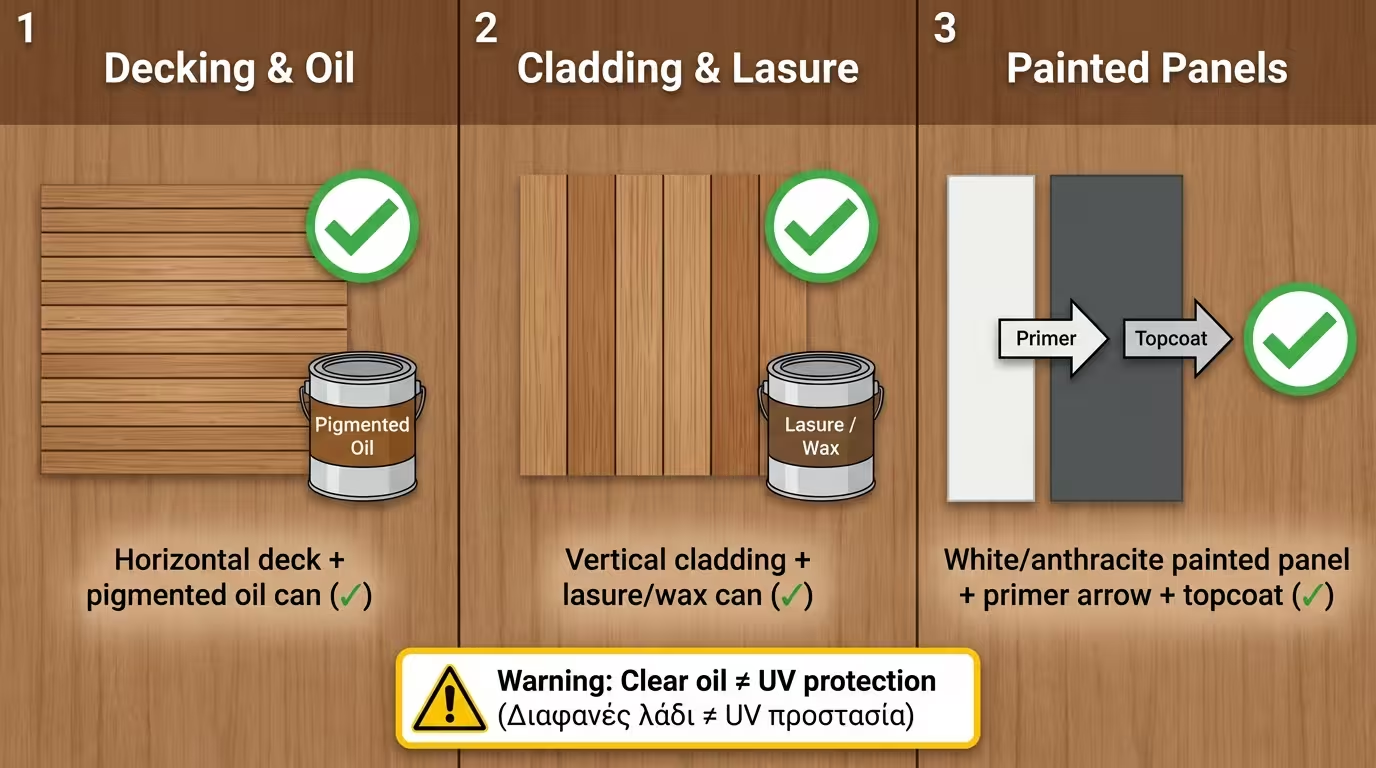
For horizontal surfaces, the ideal solution is specialist Decking Oils. The oil penetrates the pores without forming a crust. Important: Choose oils containing pigments, as completely transparent oils don't sufficiently block UV rays.
You can use tinted oils, penetrating varnishes (lasures) or even waxes.
Thermowood makes an excellent, stable base for full opaque painting (e.g. white or anthracite). However, the use of appropriate primers before the final enamel coat is required.
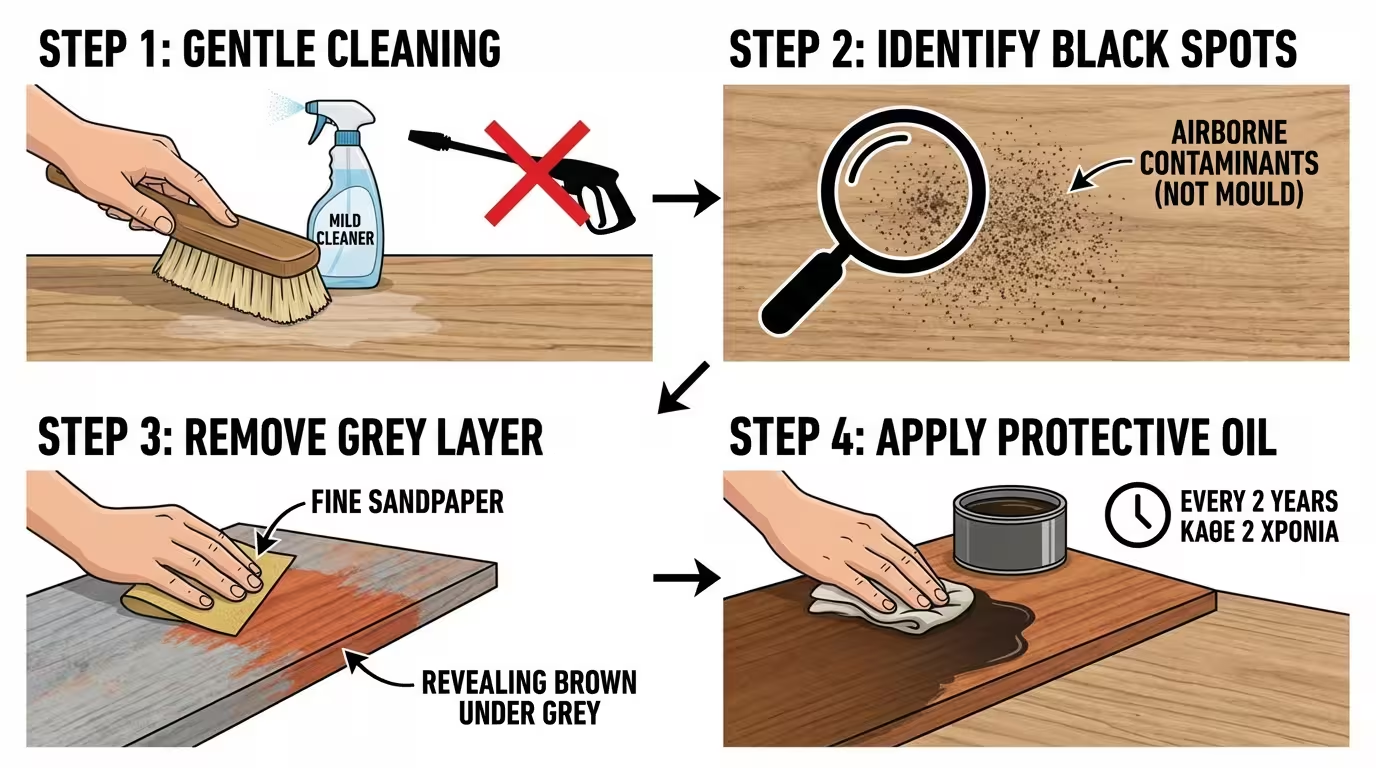
Follow these steps to refresh your deck or cladding:
Step 1: Cleaning
Sweep the surface thoroughly.
Wash the wood with a mild deck-specific cleaner and a soft brush.
⚠️ Golden Rule: Avoid high-pressure washers, as the extreme water pressure can "rough up" the fibres and cause splintering.
Step 2: Removing Black Spots
Small black spots
often appear on Thermowood. These aren't mould from the wood itself,
but contaminants (soot, pollen) or metallic dust settling on the
surface. They come off easily with a good wash or light sanding.
Step 3: Light Sanding
If the wood has already
greyed significantly or has old residue, sand lightly with fine
sandpaper to reveal the healthy brown colour underneath.
Step 4: Application
Once the wood is fully dry,
apply 1-2 thin coats of your chosen pigmented oil. Wipe off excess oil
that isn't absorbed to prevent a sticky surface. The process should be
repeated every 2 years.
The change in the wood's chemical composition during thermal modification affects construction specifications:

Since the hydroxyl groups (OH) on the surface have been drastically reduced, Thermowood repels water. Solvent-based coatings generally exhibit superior adhesion (wetting) compared to water-based systems, which might exhibit "beading" effects.
Water-based adhesives (PVAc) are slow to dry. Minimising water content in the adhesive, increasing pressing time, or using polyurethane adhesives is recommended.
Classified as Durability Class 2 or 3, suitable for Use Class 3 applications (exterior use, exposed to weather, but not in permanent ground contact).
💡 By choosing thermally modified wood, you're investing in a material with exceptional stability and an ecological profile. Maintain it properly with pigmented oils, and its stately appearance will grace your space for decades.
Return to category.
Go to categoryReturn to the central guide.
Go to guide