🔥 Too Hot (>30-35°C)
Violent solvent evaporation (flash drying) → orange peel texture, reduced adhesion, air bubbles trapped.
Weather isn't a detail - it's the chemistry regulator. A decade-lasting paint job or a failed one? The difference hides in the thermometer and hygrometer.
The biggest mistake: only checking the air temperature. Metals are excellent heat conductors - a black door in the sun can reach 50°C!
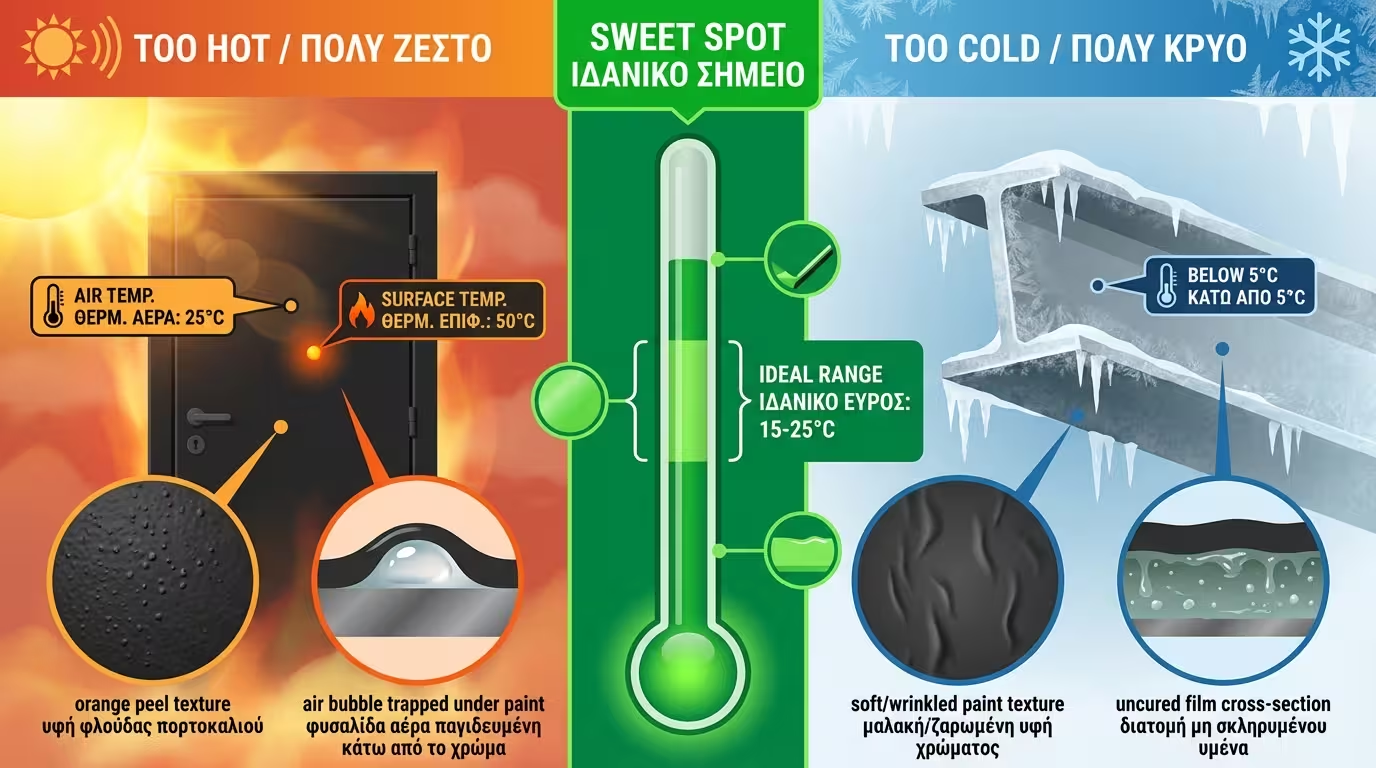
Violent solvent evaporation (flash drying) → orange peel texture, reduced adhesion, air bubbles trapped.
Chemical reaction stops (especially 2K). Paint stays soft, wrinkles, traps moisture.
💡 Ideal application temperature: 15°C – 25°C (per manufacturer TDS).
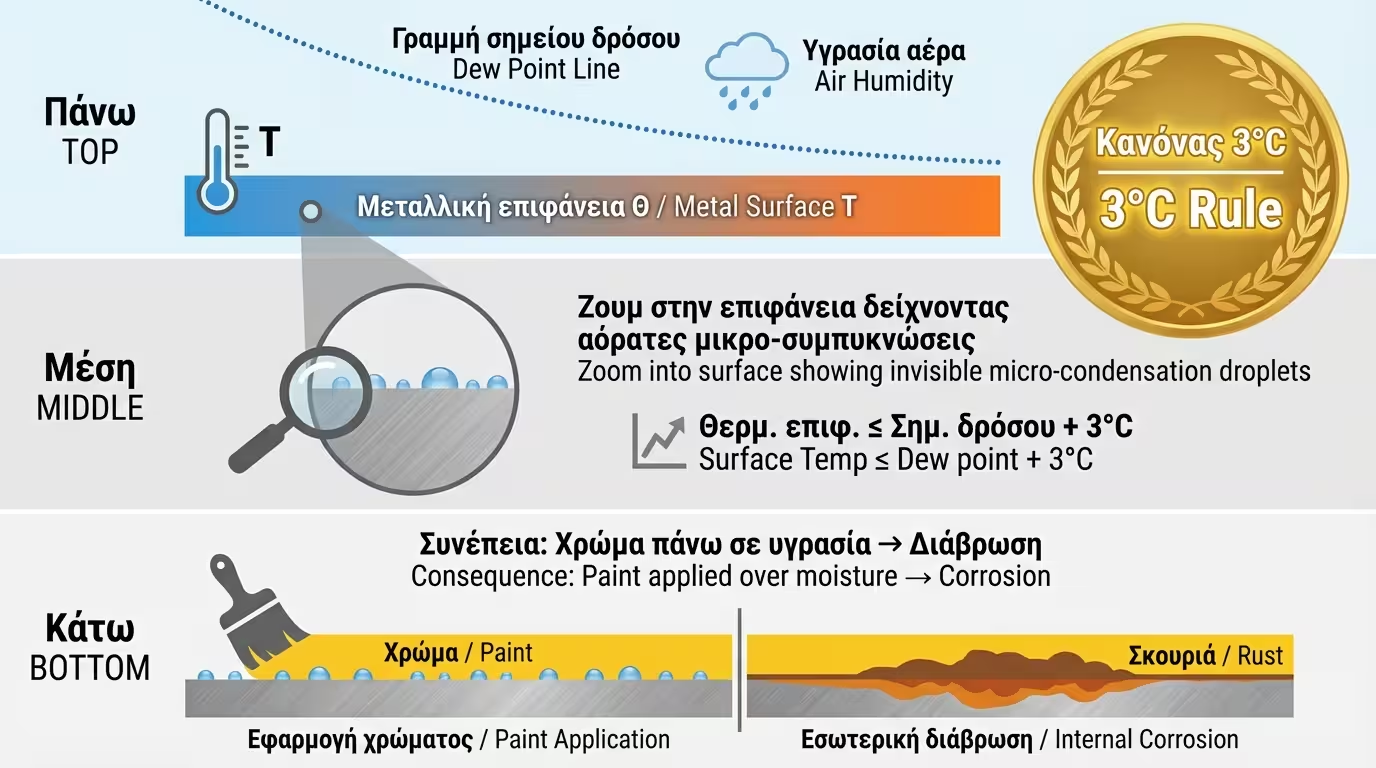
As a general rule, avoid painting above 80-85% humidity. But the most critical term is the Dew Point:
📐 Golden Rule: Metal surface temperature must be at least 3°C above the dew point. Otherwise: invisible moisture film → adhesion failure → corrosion from within.
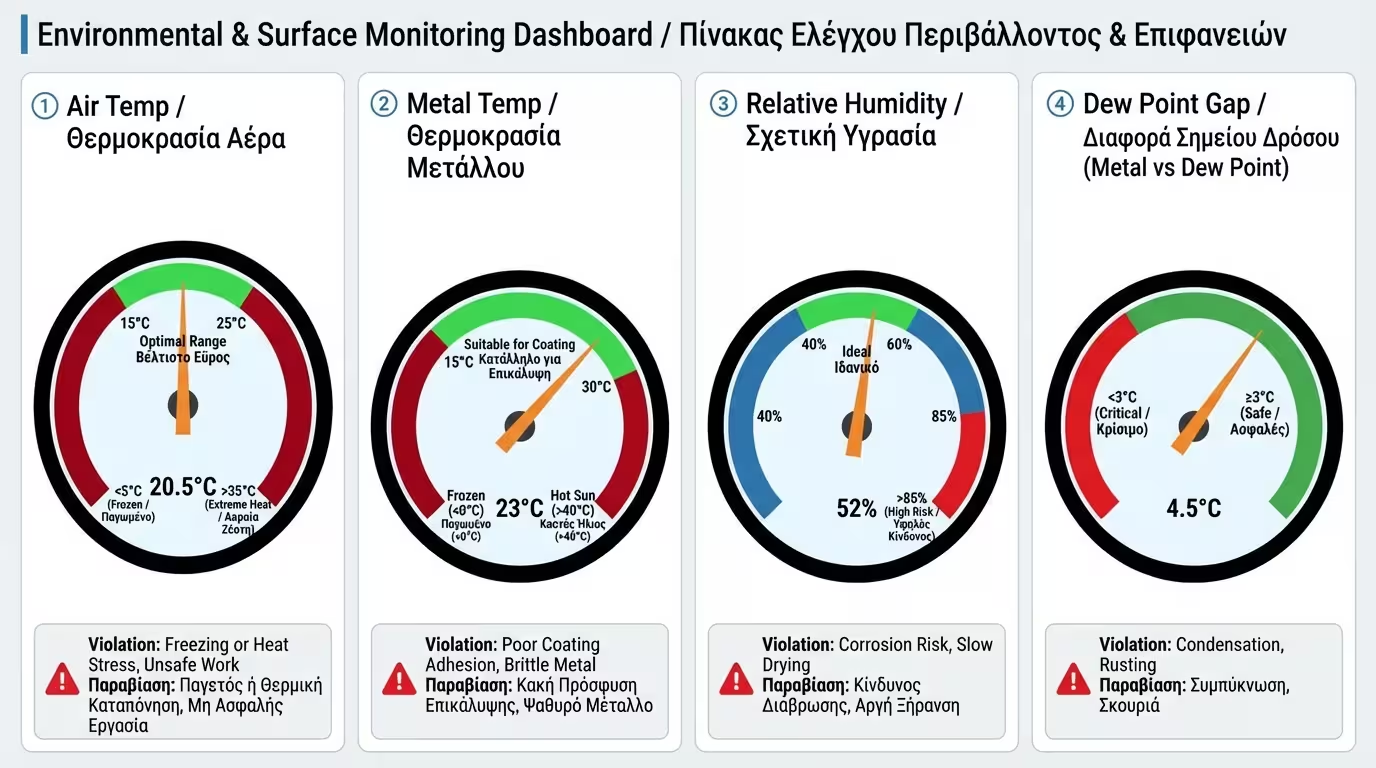
Ideal ranges and danger zones at a glance:
Ideal: 15-25°C. Danger: <5°C or >35°C.
Ideal: 15-30°C. Danger: Direct hot sun / Frozen metal.
Ideal: 40-60%. Danger: >85% → blushing (gloss hazing).
Rule: Metal >3°C above. Danger: Invisible moisture → rust.
Practical advice based on your experience level:
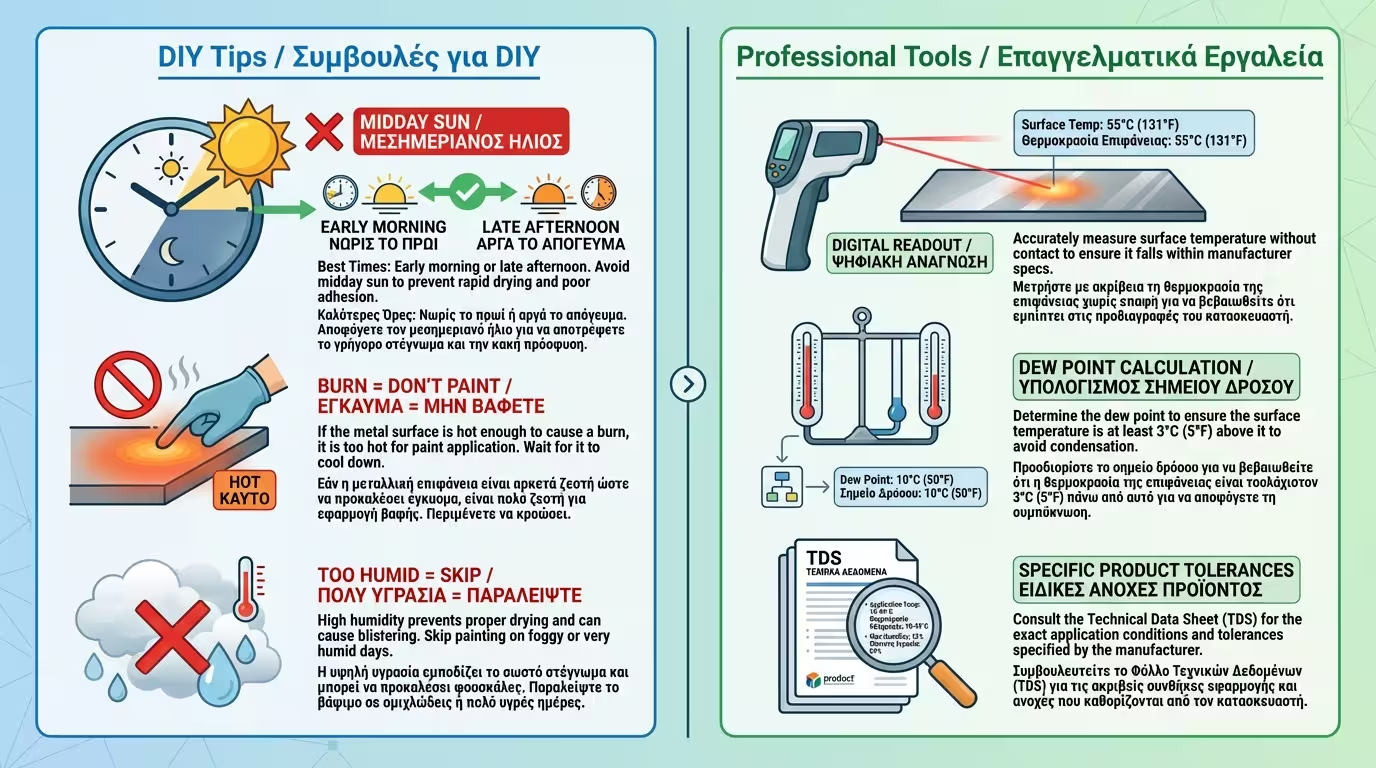
Paint early morning or late afternoon. If the metal burns to touch or it's foggy - leave it for another day.
Invest in an IR thermometer + psychrometer for dew point calculation. Always read the TDS - some moisture-tolerant epoxies handle higher humidity.
Return to category.
Go to categoryReturn to the central guide.
Go to guide