A. Rising Damp (Capillary Action)
Building materials = sponges. Without foundation waterproofing, ground water "climbs" through pores. Appears low (0–1.5m), in basements/ground floors, with blistering paint and white salts (efflorescence).
Damp patches, peeling paint, black mould - among the most common and frustrating problems in Greek homes. Beyond aesthetics, damp degrades air quality and poses health risks. For a permanent fix you first need to understand how moisture forms and when paint can - or cannot - save you.
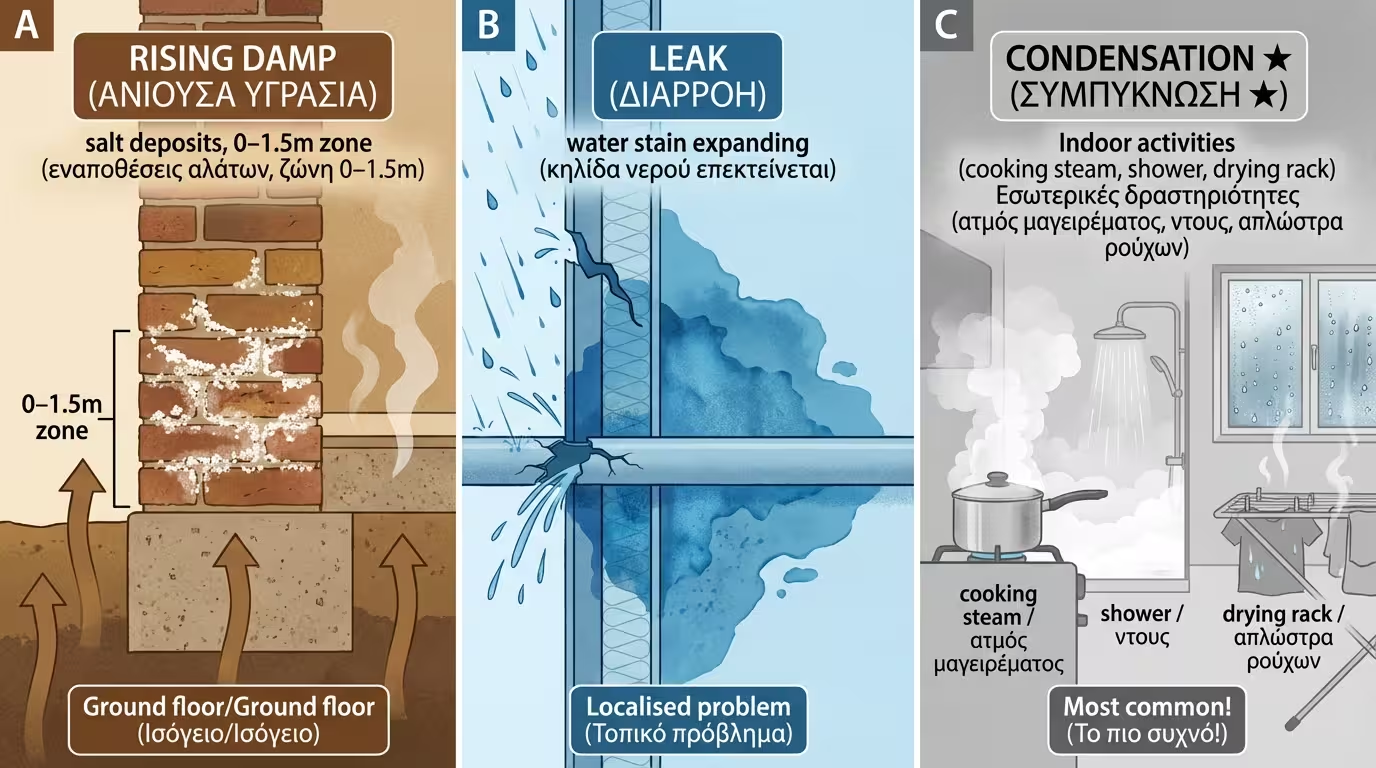
Wall moisture doesn't come from a single source - three main categories:
Building materials = sponges. Without foundation waterproofing, ground water "climbs" through pores. Appears low (0–1.5m), in basements/ground floors, with blistering paint and white salts (efflorescence).
Water from an external source: broken pipe, cracked tile, poor roof waterproofing or façade cracks. A localised problem - requires repair.
The most common. Created by indoor air itself (breathing, cooking, showering, drying clothes). This is where the "dew point" enters the picture.
Think of a cold can on a warm day: within minutes the outside is covered in water droplets - no hole. Warm air carries vapour; when it hits a cold surface the gas turns to liquid. That's the dew point.
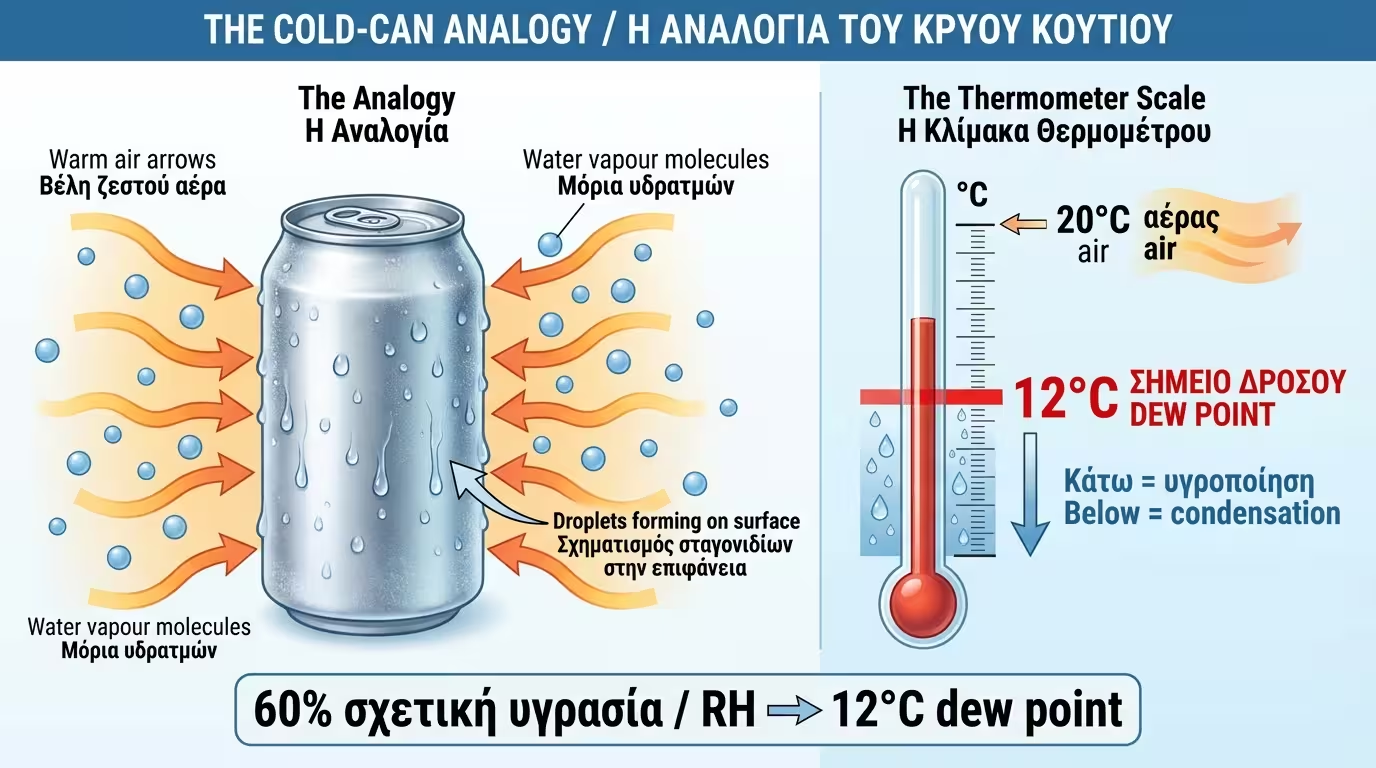
Typical winter scenario: indoors 20°C / 60% RH → dew point at 12°C:
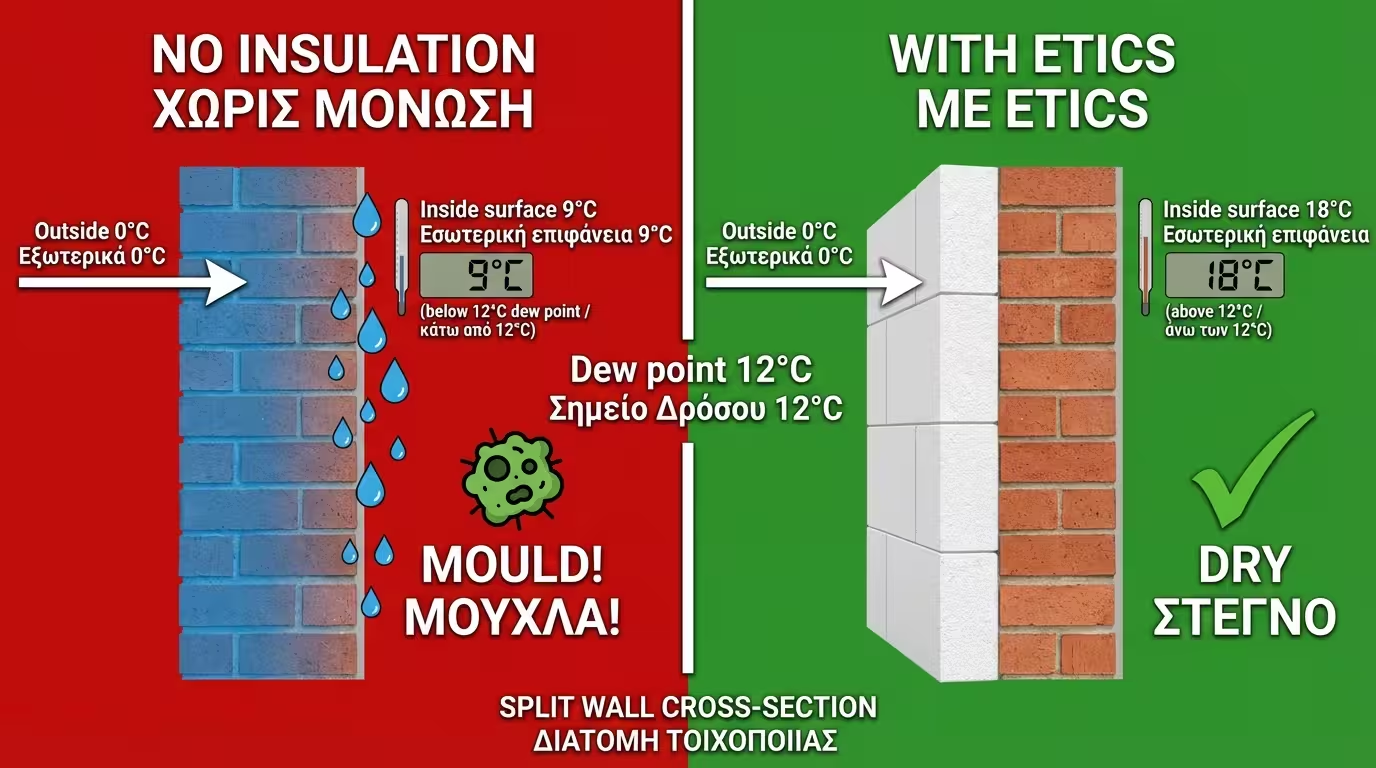
Interior surface at 9°C (below 12°C dew point). Vapour → water on wall. Mould on north walls, corners (thermal bridges), behind wardrobes.
EPS/rock wool outside. Surface at 18°C (well above 12°C dew point). Vapour stays in the air - wall always dry.
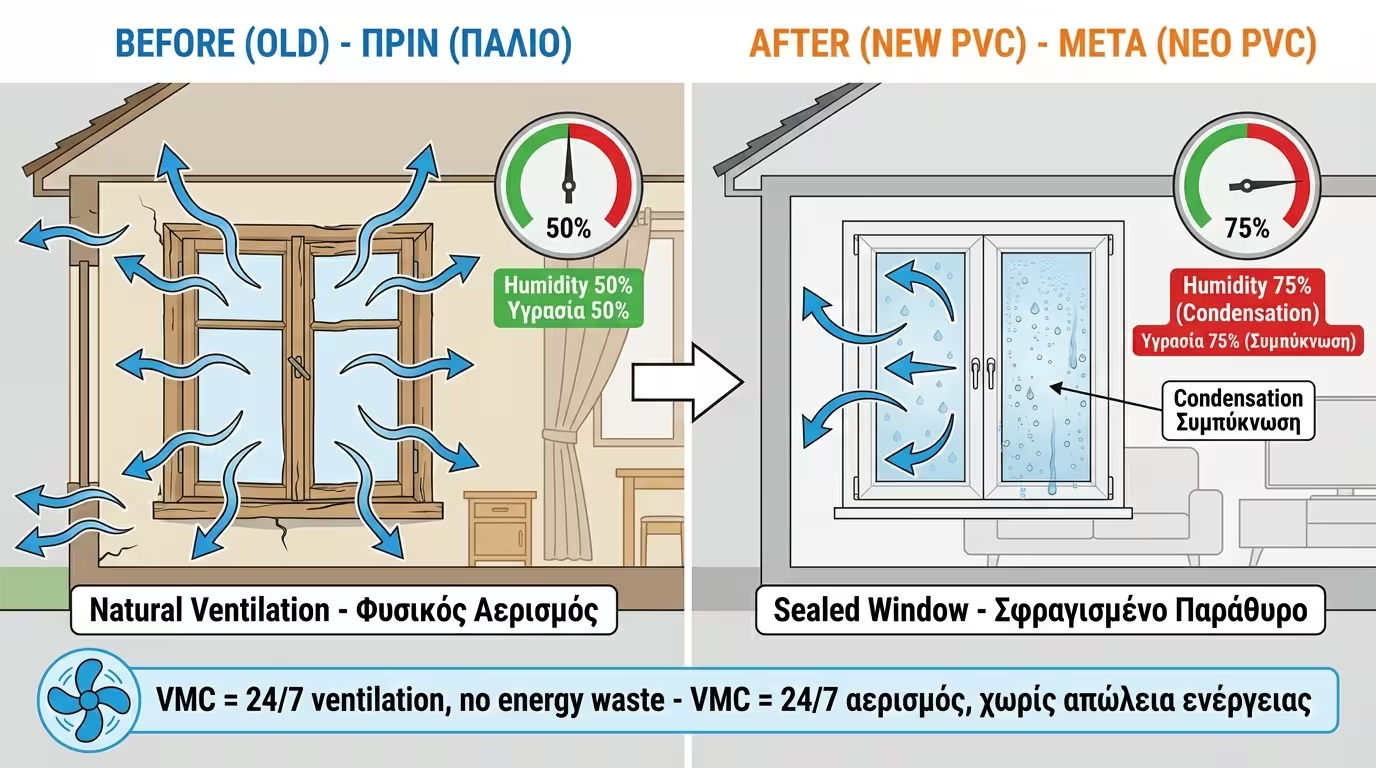
Swapped old timber windows for new PVC/aluminium and suddenly see mould? Here's why:
Gaps and draughts = permanent natural ventilation. Moisture escaped outside, unconsciously.
Perfectly airtight → moisture trapped → RH rockets to 75%+ → dew point rises → condensation on glass/frames.
Open windows 10 min (cross-ventilation), even in winter. Or install VMC (mechanical ventilation with heat recovery) - 24/7, no energy waste.
Three paint categories help - but none replaces structural solutions:
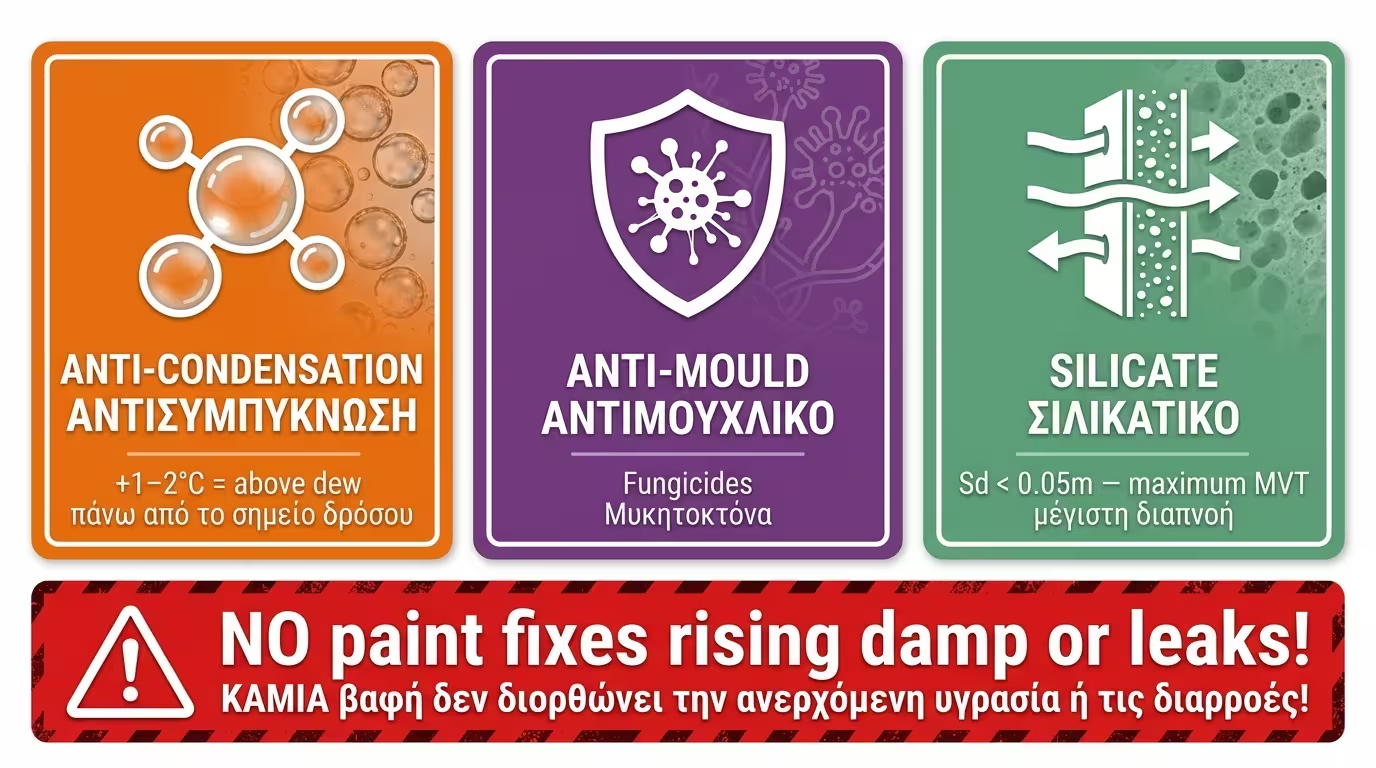
Microscopic hollow spheres = thermal resistance. Keep the wall 1–2°C warmer → above dew point → no condensation.
Fungicides/biocides. Don't prevent moisture - poison mould spores. Ideal for bathrooms/kitchens.
Sd < 0.05m. Let moisture pass through and escape instead of getting trapped behind the paint film.
No paint fixes rising damp or a leak. These solutions work only for condensation - otherwise the coat will blister within months.
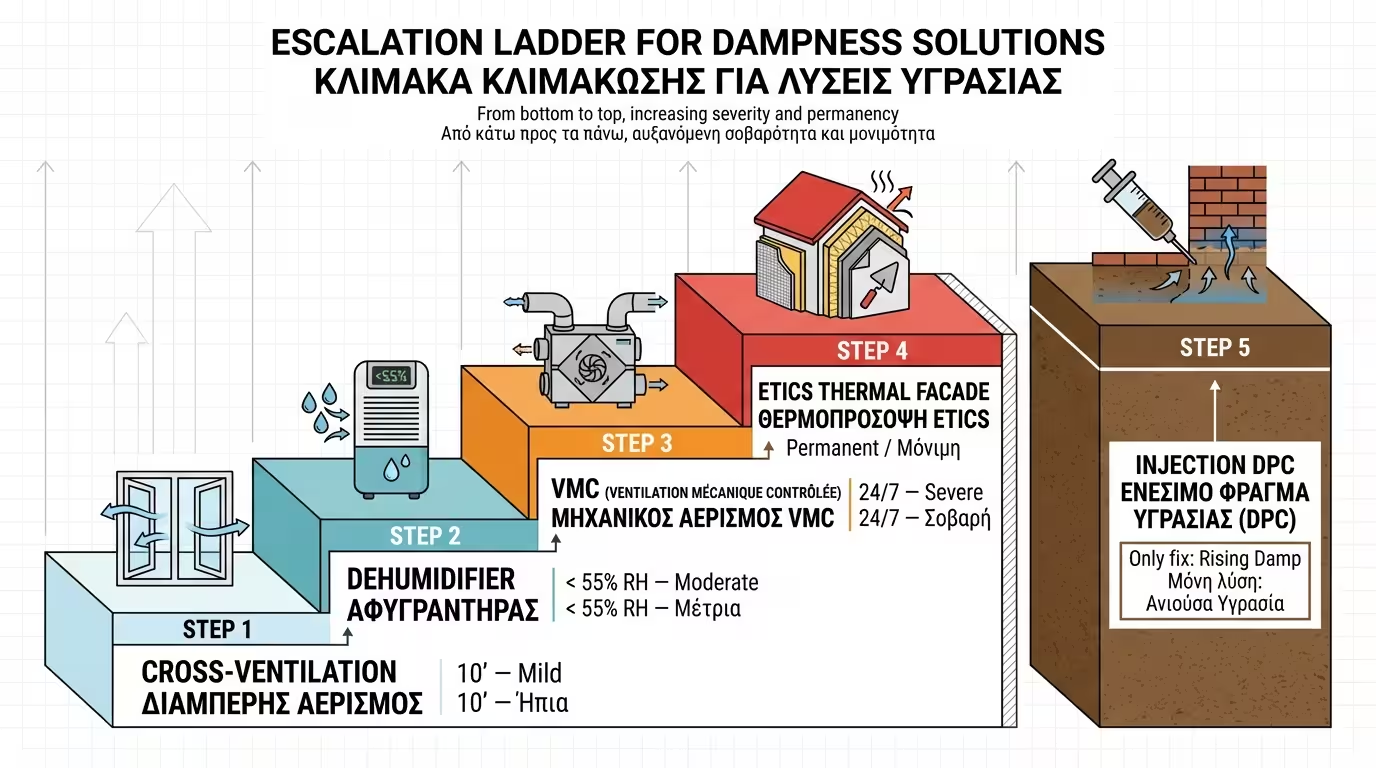
When paint alone isn't enough, structural or mechanical interventions are needed:
| Solution | How It Works | For Which Scenario |
|---|---|---|
| Cross-Ventilation | 10 min draught - cold air warms up and absorbs moisture | Condensation (mild) |
| Dehumidifier | Keeps RH < 55% → low dew point | Condensation (moderate) |
| VMC (Heat-Recovery Ventilation) | 24/7 air renewal with heat recovery | Condensation (severe) |
| External Insulation (ETICS) | Eliminates thermal bridges - permanently ends condensation | Condensation (permanent) |
| Injection DPC | Chemical silicone barrier low in the wall | Rising Damp (only fix) |
Damp is a building's worst enemy. Make the right diagnosis (rising damp, leak or condensation), fix the cause first, then afterwards choose the right advanced paint (anti-condensation, anti-mould or silicate) for aesthetic protection.
Return to category.
Go to categoryReturn to the central guide.
Go to guide